Ever had that sinking feeling when your favorite necklace breaks just before an important event? Or maybe you’ve spent a small fortune on repairs that didn’t hold up? I sure have. I remember the first time I tried fixing a delicate bracelet myself. I thought I was being resourceful, but within days, it was back to square one—loose clasps, frayed threads, and all. That lightbulb moment made me realize something crucial: trusting the process and knowing the right techniques can make all the difference between fleeting fixes and jewelry that truly lasts.
Why Trust Matters More Than Ever in Jewelry Repair & Restringing
Whether it’s a cherished family heirloom or a trendy piece you’ve invested in, your jewelry holds sentimental and monetary value. When it comes to repair or restringing, shortcuts or guesswork can lead to more damage or, worse, total loss. The truth is, a poorly done repair can erode your confidence and trust in your jewelry — and in the professionals you turn to. That’s why I always advocate for learning the expert tips that ensure lasting results. When you understand the ins and outs, you’re not just a passive customer—you become a confident owner who knows how to protect your investment.
Have You Faced This Problem?
Think back—have you ever handed over your jewelry for repair, only to find it’s not quite right afterward? Or maybe you hesitated because you worried that a DIY fix might do more harm than good. That’s a common concern, and honestly, I’ve been there too. But here’s the good news: with the right knowledge and a few expert tricks, you can confidently maintain and even improve your jewelry’s durability and appearance.
Early on, I made the mistake of trusting a local repair shop blindly, assuming they knew what they were doing. Turns out, some quick fixes were only temporary, and I had to revisit the problem later. That experience taught me the importance of choosing skilled professionals and understanding the repair process. Did you know that improper repairs can sometimes reduce a jewelry piece’s value? According to this resource, precision in repair and restringing work is essential to preserve and even boost your jewelry’s worth.
So, today, I want to walk you through the key tips and techniques that can help you achieve jewelry repairs and restringing that last. Whether you’re considering doing it yourself or working with a professional, understanding these principles will empower you to make smarter decisions and build lasting trust—not just in your jewelry, but in yourself as well.
Use the Right Tools to Ensure Precision
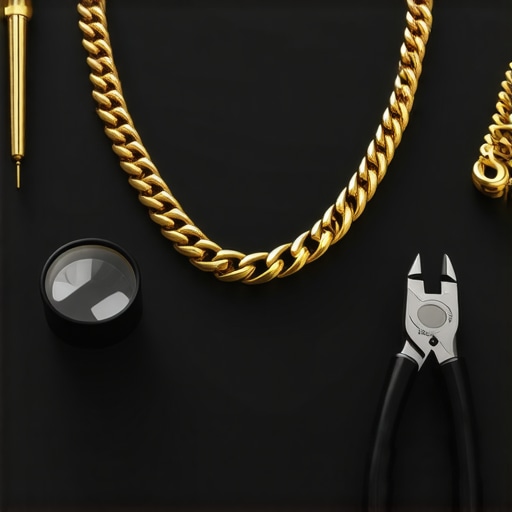
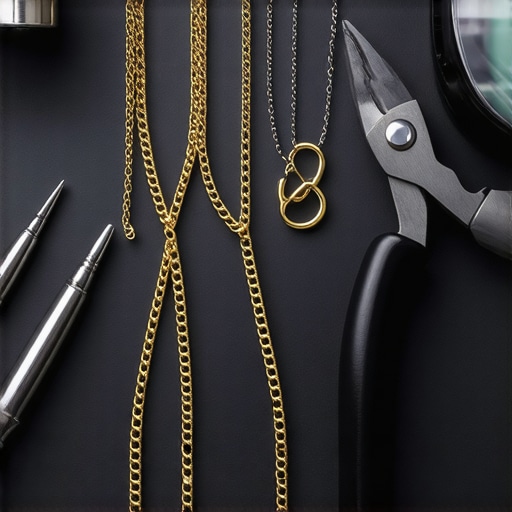
Start by gathering quality tools like fine needle-nose pliers, a jeweler’s magnifier, and specialized threading needles. I once attempted restringing a delicate pearl necklace with household scissors—big mistake. The cut was uneven, and I ended up damaging the strand. Instead, I now use a beading needle and silk thread, which allows me to handle even the most fragile beads without stress. Investing in professional-grade tools is a game-changer for durable, lasting repairs.
Learn Proper Techniques for Replacing Clasps and Links
When replacing a clasp, never rush the process. Carefully open the jump ring with two pairs of pliers, attach the new clasp, and then securely close the ring. I remember working on a vintage bracelet; I took my time, ensuring the jump ring was closed tightly, preventing future breakage. For linking chains, ensure the connections are snug and uniform, avoiding gaps that weaken the piece. These small details make a significant difference in the longevity of your jewelry.
Master the Art of Restringing with Confidence
Restringing involves more than threading beads onto wire or silk. It requires proper knotting, tension control, and secure finishing. I once re-strung a family heirloom using a beading thread, making tiny, tight knots between each bead. This technique prevents beads from rubbing against each other and reduces wear. When finished, double-check the tension—too tight can cause stress, too loose can lead to gaps. Proper restringing techniques ensure your jewelry remains beautiful and durable over time.
Apply Expert Tips for Seamless Repairs
Use a jewelry adhesive sparingly when fixing small components; I prefer a clear, high-quality epoxy for added strength. For broken chains, soldering is ideal but requires professional equipment—unless you’re experienced, don’t attempt it yourself. Instead, opt for strong jump rings or crimps. Remember, the goal is to replicate the original craftsmanship, which can be achieved by studying repair videos or consulting with experts. For more insights, check out this resource.
Test and Verify Before Wearing
Always test your repair by gently tugging and inspecting the stability. I once repaired a pendant, but I missed a loose thread; a quick tug revealed the flaw, prompting me to reinforce it. Afterward, I wore the piece confidently, knowing it was secure. Regularly inspecting your jewelry after repair ensures lasting trust and confidence. If you’re unsure about your work, consulting a professional can help you avoid costly mistakes.
Build Trust Through Consistent Care
Maintaining your jewelry with proper cleaning and storage prolongs the lifespan of repairs. Use soft cloths and gentle cleaners to prevent tarnish and damage. When restringing or repairing, always choose quality materials and techniques aligned with your jewelry’s value. Want to deepen your understanding? Explore this guide for expert insights into boosting your jewelry confidence and trust.
Many jewelry enthusiasts and even seasoned collectors fall prey to misconceptions about repair and restringing, often unknowingly risking damage or devaluation. Let’s dig deeper into some of the most prevalent myths and uncover the nuanced truths that can save you time, money, and precious pieces.
Why DIY Isn’t Always Your Best Bet
It’s tempting to think that with a few tutorials online, you can handle repairs at home. While minor fixes like tightening a clasp might seem straightforward, advanced repairs—such as soldering or replacing fragile beads—are far more complex. Inexperienced attempts can lead to irreversible damage, weakening the structure or ruining the aesthetic. A common mistake is using household tools that lack the precision needed, which can scratch or weaken the metal or thread. Trusting professional techniques, backed by expertise and proper equipment, is crucial for preserving your jewelry’s integrity. For detailed guidance on when to DIY and when to seek professional help, check out this resource.
The Hidden Risks of Using the Wrong Materials
Choosing inferior or incompatible materials is a trap many overlook. For example, using cheap threads or inappropriate clasps can drastically reduce the lifespan of your repair. Silk threads, for instance, are ideal for pearl restringing because of their strength and flexibility, but substituting with nylon can lead to premature fraying. Similarly, a common misconception is that all metals are interchangeable when replacing clasps or links—this is false. Metals like sterling silver, gold-filled, and plated pieces require specific handling to prevent tarnish or corrosion. Understanding these nuances ensures your repairs are durable and maintain the original beauty and value of your jewelry. Read more about selecting the right materials in this guide.
What Advanced Repair Techniques Do Most Miss?
Many assume that simple knotting or gluing suffices for long-term repairs. However, techniques like professional soldering, ultrasonic cleaning, and proper tension control are often overlooked. For example, improper tension during restringing can introduce stress points that cause the strand to weaken or break over time. Additionally, failing to secure knots properly or neglecting the importance of finishing touches like crimp beads can compromise the integrity. Advanced techniques also involve inspecting for hidden flaws, such as microcracks or weak solder joints, which can cause failures later. Mastering these subtleties can significantly extend the lifespan of your jewelry, saving you from repeated repairs. To deepen your understanding, explore this expert resource.
Have you ever fallen into this trap? Let me know in the comments. Remember, the devil is in the details, and knowing these nuances helps you build lasting trust in your jewelry repairs and restringing skills.
Maintaining your jewelry’s integrity over time requires more than just a good eye — it demands the right tools and techniques. Investing in quality equipment not only makes repairs more precise but also extends the lifespan of your pieces, saving you money and frustration in the long run.
Why Choose Professional-Grade Tools for Jewelry Maintenance
When I first started fixing jewelry, I relied on household tools like regular pliers and scissors, which often caused more harm than good. Now, I use specialized tools such as jeweler’s flat-nose pliers, which have smooth, tapered tips that prevent scratching delicate metals. These tools allow me to manipulate tiny components with precision, reducing the risk of damage. For threading, I prefer beading needles with fine points because they glide smoothly through small beads and tight knots, ensuring a clean finish. Investing in professional tools might seem costly initially, but the durability and accuracy they provide make repairs more reliable and professional-looking, ultimately boosting your confidence and trust in your work.
Mastering the Techniques that Last
Beyond tools, mastering specific techniques is crucial for durable repairs. For example, when replacing a clasp, I always use proper jump ring handling: opening it with two pliers, attaching the new clasp, then carefully closing it ensures a secure connection that won’t weaken over time. When restringing, I knot each bead with silk thread, making tiny, tight knots that prevent beads from rubbing and fraying. Proper tension control—neither too tight nor too loose—ensures the strand remains flexible yet durable. These are techniques I continually refine by practicing and consulting expert resources, which help me deliver results that stand the test of time.
Future Trends in Jewelry Repair Tools
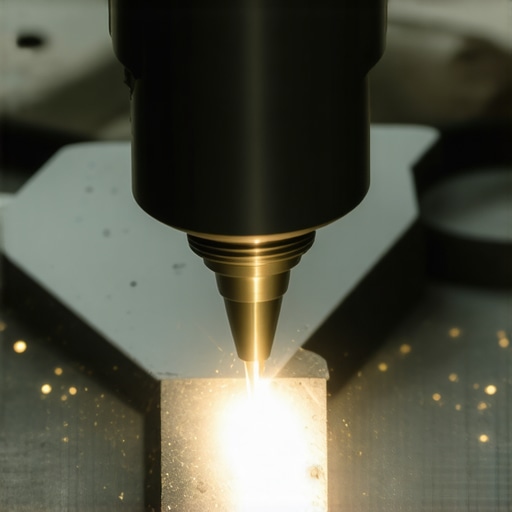
Looking ahead, advancements like ultrasonic cleaning devices and laser soldering are becoming more accessible to professionals and hobbyists alike. These innovations allow for cleaner, more precise repairs that preserve the original beauty of jewelry. As technology progresses, I predict a shift toward smarter, user-friendly tools that integrate digital guidance, making expert-level repairs more achievable for everyone. Staying updated on these trends can help you incorporate new methods into your routine, ensuring your repairs are both effective and cutting-edge.
How do I keep my jewelry repairs in top shape over time?
Regular maintenance is key. Clean your jewelry gently with soft cloths and avoid harsh chemicals that can weaken threads or tarnish metals. Store pieces properly, separately, to prevent scratches and tangling. Check repairs periodically — tug lightly on clasps and inspect knots or solder joints. When you notice wear or loosening, reapply knots or seek professional help to reinforce the repair. For more detailed guidance, explore this resource to boost your confidence in maintaining jewelry over time. Remember, investing a little effort regularly can dramatically prolong the life of your cherished pieces. Try adopting a routine where you inspect and clean your jewelry monthly, and you’ll keep your collection in excellent condition for years to come.
If you want to elevate your repair skills further, I highly recommend practicing advanced techniques like soldering or ultrasonic cleaning with proper guidance. These methods can be game-changers, especially for valuable or delicate jewelry. Start small — perhaps with a simple jump ring or knot — and gradually work your way up. With patience and the right tools, you’ll soon be repairing and restringing with confidence, ensuring your jewelry remains beautiful and trustworthy for the long haul.
The Hardest Lesson I Learned About Jewelry Repair
One of the biggest lessons I had to learn was that rushing a repair can cause more harm than good. I once tried fixing a vintage necklace quickly to save time, but the solder joint was weak and broke again shortly after. Patience and precision are vital—taking your time ensures lasting results and builds trust in your skills.
How Choosing the Right Tools Transformed My Jewelry Work
I used to rely on household pliers and scissors, which often scratched or damaged delicate pieces. Discovering professional jewelry tools like smooth-tipped jeweler’s pliers and fine beading needles changed everything. Investing in quality tools made my repairs cleaner, more precise, and much more reliable, boosting my confidence and trust in my work.
The Truth About DIY Repairs and When to Call a Pro
It’s tempting to handle repairs yourself after watching tutorials, but some techniques—like soldering or micro-welding—are best left to experts. Inexperienced attempts can weaken jewelry or even ruin it. Knowing your limits and when to seek professional help is key to maintaining your jewelry’s value and integrity. For guidance on when DIY is okay and when professional service is necessary, explore this resource.
My Top Tips for Ensuring Repairs Last
Proper tension control during restringing, secure knotting, and using the right materials—like silk thread for pearls—are essential. I learned that tiny details, like closing jump rings tightly and double-checking knots, can make the difference between a repair that lasts and one that fails early. Mastering these techniques has helped me rebuild trust in my jewelry and in my skills.
The Unexpected Benefits of Investing in Quality Materials
Using inferior threads or cheap clasps might save money upfront, but it compromises durability. I’ve seen how high-quality materials like sterling silver or gold-filled components preserve the beauty and value of jewelry over time. Choosing the right materials is an investment that pays off in longevity and trust.
Future Trends That Will Elevate Your Jewelry Repairs
Emerging technologies like ultrasonic cleaning devices and laser soldering are making repairs more precise and less invasive. Staying updated on these trends allows you to incorporate advanced methods into your routine, ensuring your jewelry remains in top condition. Embracing innovation can turn you into a trusted expert in jewelry care.
What I Wish I Knew Before Starting My Jewelry Repair Journey
- Patience is more valuable than speed—take your time with every repair.
- Invest in professional-grade tools—they make all the difference in quality and trust.
- Know your limits—some repairs require professional skills and equipment.
- Choose materials carefully to ensure durability and preservation of value.
- Keep learning—techniques evolve, and mastery is a continuous process.
Where to Go from Here
If you’re eager to improve your jewelry repair and restringing skills, start with the basics—use the right tools, learn proper techniques, and don’t hesitate to seek professional help when needed. For detailed guidance, check out this comprehensive guide and elevate your confidence in caring for your treasured pieces.

![5 Hidden Signs Your Ring Prongs Are Failing [2026 Checklist]](https://jewelryfixpro.com/wp-content/uploads/2026/02/5-Hidden-Signs-Your-Ring-Prongs-Are-Failing-2026-Checklist.jpeg)
![3 Subtle Signs Your Diamond Is About to Fall Out [2026]](https://jewelryfixpro.com/wp-content/uploads/2026/02/3-Subtle-Signs-Your-Diamond-Is-About-to-Fall-Out-2026.jpeg)