Ever had that sinking feeling when you realize a cherished piece of jewelry has been damaged or undervalued? I remember a moment early in my career when I handed over a necklace for repair, only to find out later that it was worth much more than I was told. That lightbulb moment made me realize how vital trust and confidence are in this industry. Without them, every repair or appraisal feels like walking a tightrope.
Why Trust and Confidence Matter More Than Ever in Jewelry Repair
In my experience, the difference between a happy customer and a lost one often hinges on the trust they feel in your expertise. Whether it’s a simple restringing or a detailed appraisal, clients want to know their jewelry is in capable hands. When you master the art of building that confidence, you’re not just fixing jewelry — you’re forging relationships that last.
Is Overpromising and Underperforming Still a Risk?
Early on, I made the mistake of promising a quick turnaround on a complex repair, only to underestimate the time it would take. The result? Frustrated client, lost trust, and a lesson learned. It’s crucial to be honest about what’s possible, and that’s why I always emphasize transparency in my process. You can read more about how to build lasting trust through repair.
Supporting your reputation with solid knowledge and ethical practices isn’t just good for business — it’s essential. A well-done appraisal, for example, not only helps clients understand their jewelry’s worth but also reassures them that you’re a trustworthy expert. To learn how to unlock confidence and value with proper appraisal techniques, dive into my recommended strategies.
Are you facing challenges in convincing clients of your expertise? Or maybe you worry about making costly mistakes that could damage your reputation? Rest assured, mastering the right techniques and knowing what pitfalls to avoid can dramatically boost your credibility. In the upcoming sections, I’ll share practical tips and insider secrets that have helped me and many others elevate their craft and build unshakable trust.
Show Clients Your Expertise Right Away
Begin every interaction by demonstrating your knowledge. For example, when a client brings in a damaged ring, quickly assess its condition and explain your process confidently. This immediate transparency sets the foundation for trust. I remember a time I examined a vintage necklace, and instead of just giving a repair estimate, I explained the history of similar pieces, showcasing my depth of knowledge. That conversation turned a hesitant customer into a loyal client.
Be Honest About What You Can Do
Never overpromise. When I once promised a same-day repair for a complex pendant, I underestimated the work involved. The delay frustrated the client, damaging trust. Now, I always communicate realistic timelines, referencing repair time expectations. Clear, honest communication about what’s possible builds credibility.
Explain Your Process Clearly
Use simple language to detail each repair step. For instance, when restringing a beaded necklace, I explain how I choose the right wire, secure knots, and test durability. This transparency reassures the customer that their jewelry is handled with care. I once showed a client the restringing process with a magnifier, which boosted their confidence in my skills.
Use Visuals to Reinforce Your Expertise
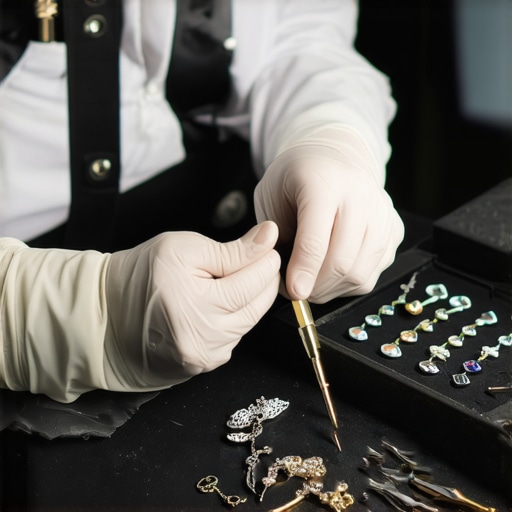
Including photos or videos of your work can make a big difference. I often send clients images of before, during, and after repairs, especially for intricate engravings or resizing. This not only proves your competence but also helps clients appreciate the value of your craftsmanship. For example, I documented a custom engraving, which helped the client see the precision involved, reinforcing their trust.
Provide Accurate Appraisals and Transparent Pricing
When assessing jewelry value, back your opinion with solid evidence. I use established standards and reference professional appraisal techniques. Explaining how I arrive at a value, including recent market trends, reassures clients about your expertise. Remember, transparency about costs and methods minimizes misunderstandings.
Follow Up and Keep Communication Open
After completing a repair or appraisal, check in to ensure satisfaction. I send a quick message or call to confirm everything meets expectations. This ongoing communication shows you care and helps catch any issues early. Once, a client appreciated the follow-up after a complex gemstone reset, which cemented their trust and led to more referrals.
Stay Updated and Continue Learning
Regularly review industry standards and techniques through resources like professional guides. Updating your skills demonstrates commitment and reassures clients that you’re at the forefront of your craft. I attended a recent engraving seminar, which allowed me to offer more refined services, boosting client confidence.
Many professionals and enthusiasts alike fall prey to misconceptions that can undermine their trustworthiness and effectiveness in the jewelry industry. Let’s dig deeper into what most people get wrong about jewelry repair and appraisal, and how you can avoid these pitfalls to elevate your craft.
Why do so many believe that cheaper materials always save money?
One widespread myth is that opting for cheaper replacement parts or materials will reduce costs and improve profit margins. In reality, using inferior materials can backfire, leading to frequent repairs, customer dissatisfaction, and damage to your reputation. Quality craftsmanship hinges on sourcing the right materials, even if they cost more initially. Remember, a well-made repair using premium materials not only lasts longer but also reinforces your reputation for excellence. You can learn more about building trust through expert repair techniques here.
Beware the trap of overpromising to impress clients
Many believe that promising quick turnaround times will attract more clients. However, overpromising without considering the complexity of the repair leads to delays, unhappy customers, and damage to your credibility. Always communicate realistic timelines backed by your expertise. For example, I once promised a same-day repair for a complicated piece, only to fall behind schedule. The lesson? Transparency about what’s feasible is crucial. To master this, I recommend reviewing repair time expectations.
Advanced question: How can understanding nuanced repair techniques boost your credibility?
Gaining mastery over nuanced techniques, such as delicate engraving or complex restringing, sets you apart from the competition. It’s not just about fixing the jewelry but demonstrating a deep understanding of materials, craftsmanship, and industry standards. This nuanced knowledge reassures clients that you’re an expert, especially when you can explain the process confidently and transparently. For instance, I often document intricate repairs to showcase my expertise, which builds lasting trust with clients. To elevate your skills, explore advanced engraving and appraisal techniques.
In conclusion, avoiding these common misconceptions and embracing a nuanced, honest approach will significantly enhance your credibility. Have you ever fallen into this trap? Let me know in the comments!
Maintaining your jewelry repair tools and equipment is crucial for delivering consistent, high-quality results that build trust with clients. Over time, even the best tools can degrade or become less precise, which affects the quality of your work. In this guide, I’ll share specific tools I recommend and maintenance routines that keep your workshop running smoothly and ensure long-term success.
Invest in Precision Soldering Equipment
In my experience, a reliable, adjustable-temperature soldering iron is essential. I personally use a temperature-controlled soldering station because it allows me to fine-tune heat levels, preventing damage to delicate settings or intricate engravings. Regularly cleaning the tip with a brass wire cleaner prevents oxidation and ensures consistent heat transfer, which is vital for precise joins that inspire confidence in clients.
Maintain Your Polishing and Buffing Tools
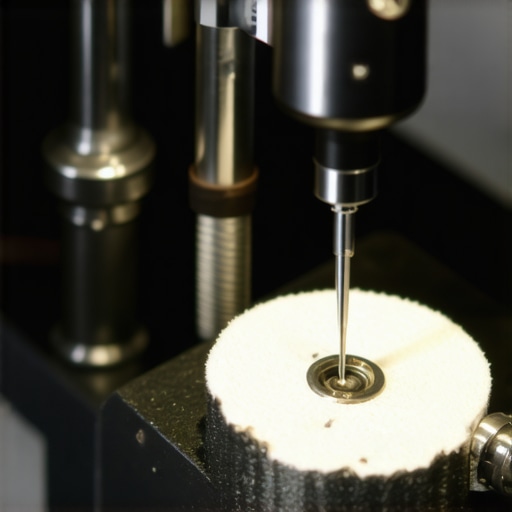
High-quality polishing wheels and compounds can make or break the finish of your repairs. I recommend investing in a variable-speed rotary tool with interchangeable heads, which I use for detailed polishing. Proper maintenance involves regularly replacing worn-out wheels and cleaning the shaft to avoid buildup of polishing compounds that can contaminate your work. When I notice a polishing wheel losing its luster, I replace it immediately to maintain a professional finish that reassures clients of your craftsmanship.
Keep Your Magnification and Inspection Devices Sharp
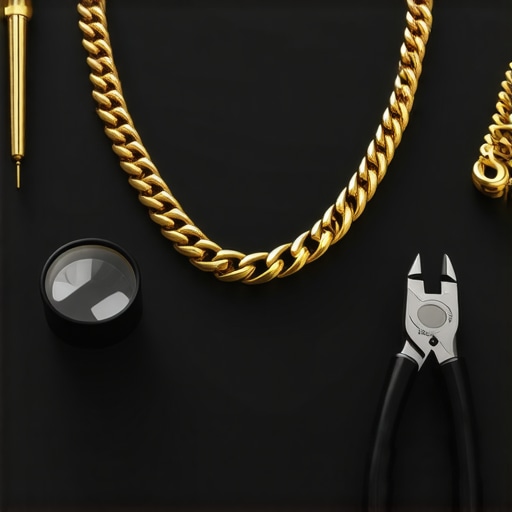
Clear, accurate inspection is the backbone of trustworthy repairs. I rely on a high-magnification stereo microscope, which I clean weekly with lens cleaner to prevent dust and oil buildup. Additionally, I use a digital loupe for quick checks. Regular calibration and cleaning of these devices ensure that every detail, from tiny prongs to intricate engravings, is inspected thoroughly, reinforcing your expertise and building client trust.
How do I maintain my tools over time?
Consistent maintenance involves a few simple routines: cleaning tools after each use, storing them properly in anti-tarnish pouches or cases, and periodically inspecting for wear or damage. For example, I oil my pliers and cutters monthly to prevent rust and ensure smooth operation. Keeping a dedicated maintenance schedule not only prolongs your tools’ lifespan but also guarantees your work remains pristine, boosting your reputation for reliability.
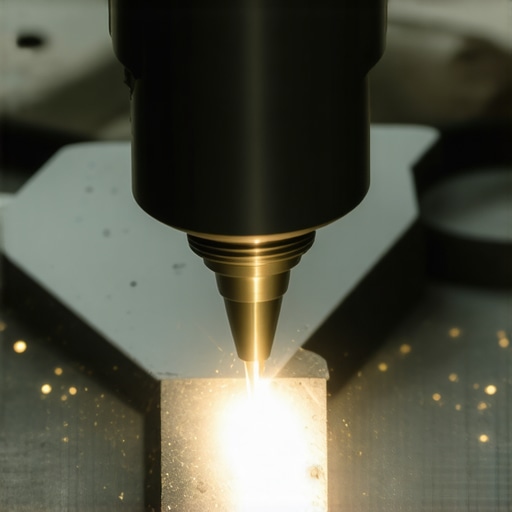
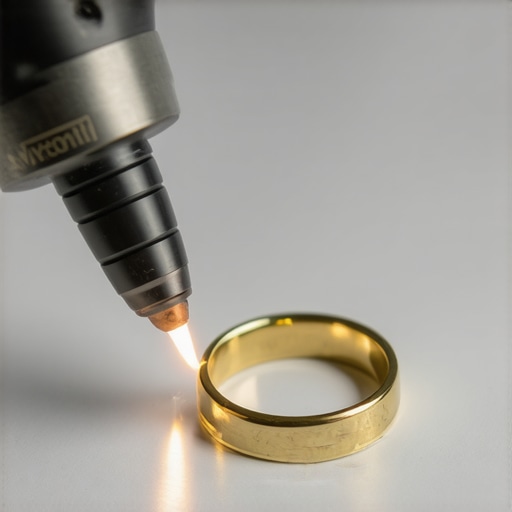
Looking ahead, advancements like laser welding and ultrasonic cleaning are becoming more accessible and will likely dominate professional workshops. Incorporating these tools can further enhance your precision and efficiency, ultimately strengthening client trust and satisfaction.
Try adopting a regular tool maintenance schedule and see how it elevates your craftsmanship. Remember, well-maintained tools are the foundation of lasting jewelry confidence and trust.
< >
>
Building trust and confidence in your jewelry repair and appraisal services isn’t just about technical skills — it’s about creating a genuine connection with your clients. Over the years, I’ve learned that the most successful jewelers are those who combine expertise with honesty and transparency, turning every interaction into an opportunity to showcase their professionalism and care.
The Hardest Lesson I Learned About Jewelry Trust
- Never overpromise, always underpromise and overdeliver. I once promised a same-day repair for a complex piece, only to fall behind schedule. The disappointment damaged my credibility, teaching me that realistic timelines backed by honesty are more valuable than empty promises.
- Use visuals to demonstrate your skills. Sending clients photos of before, during, and after repairs provided proof of my craftsmanship and reassured them of my capabilities, strengthening their trust.
- Stay updated with industry standards and techniques. Regularly reviewing resources like professional guides keeps my skills sharp and my clients confident in my knowledge.
- Prioritize honest communication over sales tactics. Explaining the process clearly and transparently, especially about costs and timelines, helps build a lasting relationship rooted in trust.
My Essential Toolkit for Jewelry Confidence
- Precision soldering equipment: A temperature-controlled soldering station ensures clean, reliable joins, which I trust for delicate repairs. Regular cleaning of the tips maintains precision.
- High-quality polishing tools: A variable-speed rotary tool with fresh wheels guarantees a professional finish, reinforcing your reputation for quality.
- Magnification and inspection devices: A stereo microscope and digital loupe, properly calibrated and cleaned, allow me to catch every detail, ensuring flawless results.
- Routine maintenance: Consistently caring for my tools prolongs their lifespan and maintains the quality of my work, which directly impacts client trust.
Take Action and Elevate Your Jewelry Service Today
Trust and confidence aren’t built overnight, but with deliberate effort, you can become the jeweler your clients rely on. Focus on transparent communication, continuous learning, and top-tier tools — these are your keys to creating lasting relationships and a reputation for excellence. Your journey to becoming a trusted jewelry expert starts now.
What’s the biggest challenge you face in building trust with your clients? Share your experiences below — I’d love to hear your story!
![5 Hidden Signs Your Ring Prongs Are Failing [2026 Checklist]](https://jewelryfixpro.com/wp-content/uploads/2026/02/5-Hidden-Signs-Your-Ring-Prongs-Are-Failing-2026-Checklist.jpeg)
![3 Subtle Signs Your Diamond Is About to Fall Out [2026]](https://jewelryfixpro.com/wp-content/uploads/2026/02/3-Subtle-Signs-Your-Diamond-Is-About-to-Fall-Out-2026.jpeg)