
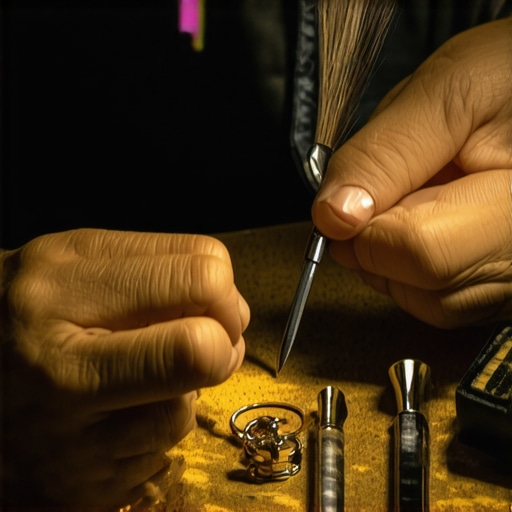
Ever had that sinking feeling when you hand over your cherished jewelry for repair or engraving, only to worry if it will come back looking just as perfect—or worse, damaged? I’ve been there. I remember once sending a family heirloom to a local jeweler, only to find it returned with a scratch I didn’t notice until I got home. That lightbulb moment taught me a vital lesson: building trust and confidence in jewelry repair and engraving isn’t just about finding the right professional; it’s about knowing the right questions to ask and the right steps to take.
Why Trust and Confidence Matter When Fixing or Personalizing Jewelry
Jewelry isn’t just stuff you wear; it’s a vessel of memories, a symbol of love, and sometimes a family legacy. When you entrust someone with it, you want assurance that it will be handled with care, precision, and respect. That trust isn’t built overnight—it’s the result of experience, transparency, and demonstrated expertise. If you’ve ever felt uncertain about whether your jewelry will be restored properly or if the engraving will match your vision, you’re not alone. Many people face the same doubts, and that’s exactly what I want to help you overcome.
Today, I’ll share proven tips to foster trust and boost your confidence in your jewelry repair and engraving projects. From selecting the right professional to understanding what questions to ask, these insights are rooted in real-world experience and a little bit of trial and error. For instance, I once made the mistake of ignoring the importance of an accurate jewelry appraisal before repair, which led to miscommunications about the value and scope of work. Learning from that, I now prioritize clear, documented estimates and certifications to ensure transparency before any work begins.
So, if you’ve ever faced uncertainty or hesitated to trust a jeweler, stay with me. We’ll go through the essential tips that will help you make informed decisions, avoid common pitfalls, and feel confident that your jewelry is in capable hands. Whether it’s a simple restring or a complex engraving, the right approach can turn a stressful experience into a satisfying one. Ready to become your own jewelry confidence expert? Let’s dive in and make sure your next jewelry project is a success!
Why You Should Care About Building Trust in Jewelry Repair & Engraving
Trust isn’t just a nice-to-have; it’s the foundation of any successful jewelry service. Did you know that according to recent industry surveys, over 60% of customers choose a jewelry professional based on reputation and trustworthiness rather than price alone? That’s a powerful reminder that confidence in your jeweler significantly impacts your satisfaction and the longevity of your jewelry. If you’ve ever felt uneasy about handing over your precious items, it’s time to learn how to turn that doubt into assurance.
In the upcoming sections, I’ll share actionable tips—like how to evaluate a jeweler’s credibility and what questions to ask—that will help you build trust from the first consultation. Plus, I’ll reveal common mistakes I made early on so you can avoid them and secure peace of mind for your next jewelry project. Trust me, once you master these strategies, you’ll wonder why you ever doubted the process in the first place.
Now, are you ready to take control and ensure your jewelry receives the expert care it deserves? Let’s get started with the essential steps to build lasting trust and confidence in your jewelry endeavors!
Start with Clear Communication
Before handing over your jewelry, have an honest conversation with your jeweler. Clearly state what you want—whether it’s a specific engraving style or a repair detail. Use precise language and ask for examples of their previous work. When I needed a custom engraving, I showed the jeweler a photo of the style I liked, which helped set the right expectations and avoid surprises. This initial step is like laying a solid foundation—trust begins with understanding each other.
Verify Credentials and Experience
Check the jeweler’s certifications, reviews, and portfolio. Don’t hesitate to ask about their experience with your specific jewelry type. I once visited a shop that proudly displayed a certificate from a renowned jewelry association, which immediately boosted my confidence. Also, review online testimonials and ask for references if possible. This vetting process is your shield against subpar work and helps you feel assured about their expertise.
Request Detailed Estimates and Documentation
Always ask for a written estimate before any work begins. This document should outline the scope, costs, and timeframe. I learned this the hard way when I received vague quotes that led to unexpected charges. Use this document as your reference point and compare it with the final bill. Transparency here builds trust and prevents misunderstandings. For added confidence, seek out jewelers who provide certifications or appraisals after work is completed—these serve as proof of quality and value.
Observe the Workshop Environment
Visit the workshop if possible. A clean, organized workspace reflects professionalism and care. When I visited a local jeweler’s shop, I noticed the meticulous organization and modern tools, which reassured me that my jewelry would be handled with precision. Pay attention to how staff communicate and whether they seem knowledgeable. This environment is a microcosm of their craftsmanship and reliability.
Inspect the Work Upon Completion
When your jewelry is ready, carefully examine it before leaving. Look for quality, accuracy, and whether it matches your initial expectations. I once received a ring with a slight engraving mismatch, but the jeweler promptly remade it after I pointed it out. This responsiveness demonstrated their commitment to quality. Remember, a reputable professional will stand behind their work and be willing to make adjustments if needed. This step is crucial in turning trust into confidence that your jewelry is in capable hands.
Maintain Ongoing Communication
Keep in touch even after the project concludes. Good relationships with your jeweler can lead to better service in the future. If you’re unsure about future repairs or engravings, ask for their advice or tips on jewelry care. I now keep a list of trusted jewelers for future projects, which saves me time and reduces anxiety. Building this ongoing rapport is like cultivating a partnership—trust that extends beyond a single transaction.
By applying these concrete steps—clear communication, credential verification, detailed documentation, workspace observation, inspection, and ongoing contact—you transform a potentially stressful process into a confident experience. Remember, trust isn’t built overnight; it’s earned through consistent, transparent actions. Use these methods to ensure your jewelry receives the care it deserves, and you’ll enjoy peace of mind with every project.
Many enthusiasts and even seasoned collectors fall prey to misconceptions about jewelry repair and engraving, which can lead to costly mistakes and eroded trust. Let’s dig deeper into some of these pitfalls and uncover the hidden nuances that can make or break your confidence in handling your precious pieces.
Why Overlooking the Fine Print Can Cost You
One of the most common errors is relying solely on verbal agreements or vague estimates. This oversight often results in unexpected charges or work that doesn’t meet expectations. To avoid this, always request a detailed, written estimate before any work begins. This document should specify the scope, costs, and timeframe, and act as your reference point throughout the process. For example, I once trusted a jeweler based only on a handshake, only to be surprised by hidden fees. Learning to insist on comprehensive documentation can save you from such surprises and build trust with your service provider.
The Myth of Instant Trust Through Price Cuts
It’s tempting to choose the lowest quote, but in my experience, quality often correlates with price. Discount services may cut corners, jeopardizing the integrity of your jewelry. Instead, focus on a jeweler’s reputation, experience, and whether they provide transparent, thorough services. For instance, I once opted for a cheaper shop, only to have my heirloom damaged due to inexperienced handling. Remember, safeguarding your jewelry’s value is worth investing in reputable professionals. You can verify their credibility through reviews or certifications, such as those from recognized industry associations, which are crucial indicators of expertise.
How Advanced Knowledge Can Prevent Repair Failures
Many believe that all jewelers are equally skilled, but the truth is that specialization matters. For delicate or complex work like intricate engraving or vintage restoration, seek professionals who demonstrate mastery in those areas. Not all jewelers can handle every type of jewelry or technique. An expert in engraving and restringing will understand the nuances and avoid common pitfalls that less experienced jewelers might overlook—such as damaging fragile settings or misaligning designs. Always inquire about their specific experience and request samples of similar work.
Have you ever fallen into this trap? Let me know in the comments. Remember, understanding these hidden nuances and avoiding common mistakes can dramatically boost your confidence and ensure your jewelry remains a trusted symbol of your memories and style.
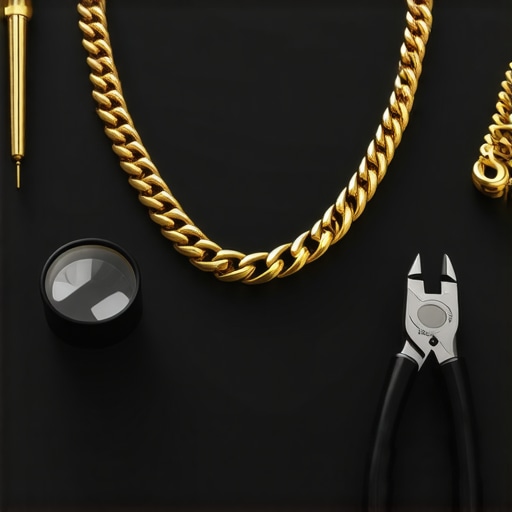
Maintaining the integrity of your jewelry over time requires more than just selecting a reputable jeweler; it demands the right tools, techniques, and a proactive approach to upkeep. In my personal experience, investing in specific equipment has significantly improved the quality and longevity of my jewelry repairs and engravings. For instance, a high-quality digital magnification loupe has become a staple in my toolkit. It allows me to scrutinize every detail of a repair or engraving, ensuring precision and catching potential issues early. I personally prefer the best optical loupes with 10x magnification, as they provide clarity without distortion, which is critical for delicate work.
Another indispensable tool is a jewelry ultrasonic cleaner. This device gently removes dirt, oils, and residues from intricate designs, ensuring the piece is clean before any repair or engraving. I use my ultrasonic cleaner weekly, especially after restringing or setting work, as it helps maintain the jewelry’s appearance and prevents long-term corrosion. Look for models with adjustable timers and multiple cleaning modes to adapt to various materials and complexity levels.
For engraving, a diamond-tipped rotary tool such as the Dremel with specialized engraving bits is my go-to. It offers control and precision, allowing me to create detailed designs or personalize pieces without risking damage. I’ve found that choosing the right bit—like the fine-point carbide or diamond burrs—makes all the difference. Additionally, investing in a quality engraving machine with variable speed controls ensures consistent results, especially for complex or repetitive designs.
Beyond hardware, software tools have become increasingly valuable. CAD (Computer-Aided Design) programs enable me to plan intricate engravings or modifications digitally before executing them physically. This step reduces errors and helps visualize the final look, boosting my confidence before making irreversible changes. Software like Rhino or MatrixGold offers advanced features tailored for jewelry design and modification, and I recommend exploring these if you’re serious about DIY enhancements or collaborating with professionals.
Looking ahead, I predict that automation and AI-driven tools will revolutionize jewelry repair and engraving. Imagine software that can simulate wear and tear, suggest optimal repair techniques, or generate custom designs automatically—saving time and increasing accuracy. Staying updated with these trends will be crucial for anyone serious about long-term results and scaling their jewelry projects.
How do I keep my tools in top shape over time?
Regular maintenance is essential. Clean your rotary tools and engraving bits after each use with appropriate solvents, and store them in protective cases to prevent damage. Calibration of digital equipment should be performed periodically, following manufacturer instructions, to ensure accuracy. Also, keep software updated to benefit from the latest features and security patches. These habits will extend your tools’ lifespan and maintain their performance, ensuring consistent, high-quality results in all your jewelry endeavors.
By investing in these specific tools and maintaining them diligently, you set yourself up for success. Remember, the right equipment not only improves your craftsmanship but also builds trust with clients or personal keepsakes. Why not try upgrading your engraving bits or adding an ultrasonic cleaner to your toolkit today? These small steps can make a significant difference in achieving professional, lasting results.
Lessons Learned the Hard Way in Jewelry Care
One of the biggest lessons I learned was the importance of verifying credentials. Trusting a jeweler without checking their certifications or reviews can lead to costly mistakes—like when I entrusted a repair only to find it was mishandled. Now, I always ask for proof of experience or certifications, which significantly boosts my confidence. Another insight came from understanding that detailed, written estimates protect you from unexpected charges. I once received a vague quote, and it ended up costing more than I expected. Having clear documentation is a game-changer. Lastly, I realized that visiting the workshop in person reveals a lot about professionalism. A clean, organized space and knowledgeable staff make a big difference. These lessons have helped me turn jewelry projects into positive, trust-filled experiences.
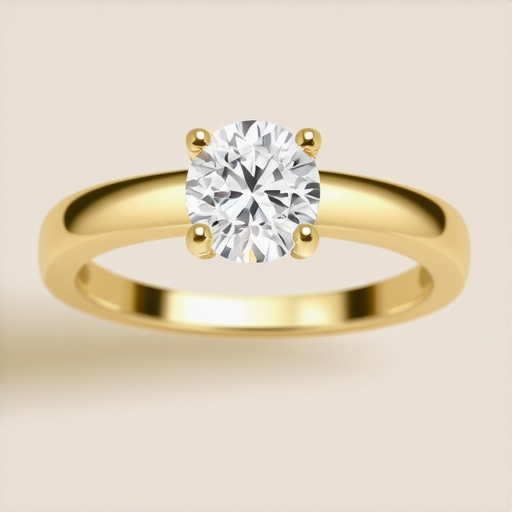
![5 Hidden Signs Your Ring Prongs Are Failing [2026 Checklist]](https://jewelryfixpro.com/wp-content/uploads/2026/02/5-Hidden-Signs-Your-Ring-Prongs-Are-Failing-2026-Checklist.jpeg)
![3 Subtle Signs Your Diamond Is About to Fall Out [2026]](https://jewelryfixpro.com/wp-content/uploads/2026/02/3-Subtle-Signs-Your-Diamond-Is-About-to-Fall-Out-2026.jpeg)
Reading this detailed post really resonated with me, especially the importance of thorough communication and documentation before proceeding with jewelry repairs or engravings. I once entrusted a local jeweler without asking for a written estimate and was surprised by unexpected charges afterward. Since then, I always insist on detailed, signed agreements, which have significantly boosted my confidence in the process. I also agree that visiting the workshop helps gauge professionalism—seeing a clean, organized workspace is a good sign. Have others found that asking for specific examples or photos of previous work has helped set clearer expectations? I’ve found it prevents many misunderstandings and makes the entire process smoother. It’s reassuring to see how investing in quality tools like optical loupes and ultrasonic cleaners can enhance craftsmanship, especially for those of us who enjoy DIY jewelry projects. What are some effective ways to verify a jeweler’s credentials if you’re unfamiliar with their reputation?