
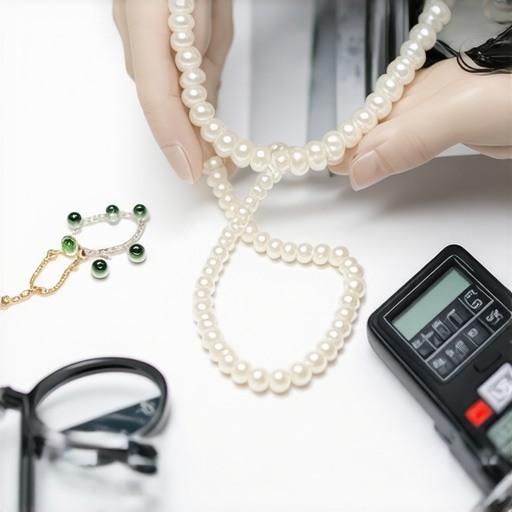
Ever had that sinking feeling when a cherished necklace suddenly breaks or a vintage ring loses its sparkle because of a missed detail? I remember the first time I faced a broken chain that I couldn’t fix myself. It was a wake-up call. How many times do we overlook the importance of expert techniques that can transform our jewelry’s value and trustworthiness? If you’ve ever wondered whether your jewelry is truly secure or if a quick fix will hold, you’re not alone. This realization prompted me to dive deeper into the art of expert re-stringing and appraisal strategies that genuinely elevate jewelry trust.
Why Proper Re-stringing and Appraisal Matter More Than You Think
When I first started out, I made a costly mistake — I tried to re-string a delicate pearl necklace myself, thinking a little knot tying was enough. Turns out, I overlooked the significance of using the right materials and techniques. That oversight not only risked damaging the pearls but also diminished the necklace’s long-term value. Today, I know that proper re-stringing isn’t just about fixing what’s broken; it’s about ensuring lasting trust and confidence in your jewelry’s integrity. In fact, expert techniques can increase a piece’s value significantly, making it more appealing and trustworthy to potential buyers or wearers. For more insights, check out this comprehensive guide on top jewelry repair and appraisal tips to build trust confidence.
Want to avoid common pitfalls? Let’s explore what really makes a difference.
Understanding the nuances of professional re-stringing and appraisal strategies has been a game-changer for me. It’s about precision, the right materials, and knowing how to communicate value effectively. Keep reading, and I’ll show you how to turn your jewelry from fragile to formidable, boosting trust and confidence every step of the way. Ready to learn the secrets? Let’s go!
Choose the Right Materials to Ensure Durability
Start by selecting high-quality, durable materials like silk, nylon, or precious metals for re-stringing. I once attempted to re-string a pearl necklace with nylon thread, but it frayed within months. Switching to silk, which is softer and more resilient, made a significant difference. Using the correct materials not only extends the life of your jewelry but also signals professionalism to clients and buyers, reinforcing trust.
Implement Precise Tension and Knotting Practices
Proper tension during re-stringing is crucial. Too tight, and the string may break; too loose, and the piece will feel sloppy. I remember struggling with a vintage beaded bracelet, and after practicing consistent tension and knotting techniques, it looked flawless. Tight, secure knots—preferably double knots—are essential for long-lasting trust. For expert guidance, check out these tips on expert re-stringing.
Use Professional Tools for a Clean Finish
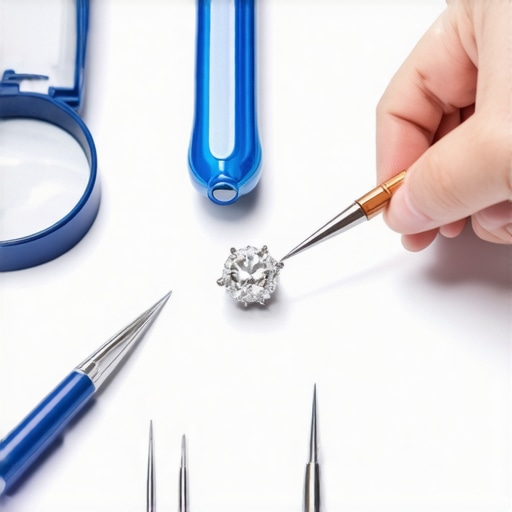
Invest in quality tools like bead boards, needle threaders, and magnifiers. I once used a regular needle and struggled to thread tiny beads, which caused delays and frustration. Transitioning to a bead needle allowed me to work more efficiently, resulting in a neater, more professional look. Clean finishing demonstrates meticulous craftsmanship, boosting confidence in your repairs and appraisals.
Accurately Appraise for Authenticity and Value
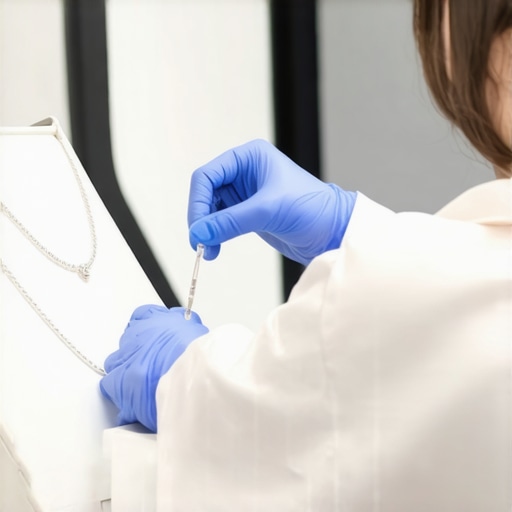
Begin with a detailed examination of the piece’s materials, craftsmanship, and provenance. I once appraised an antique locket, carefully analyzing its hallmarks and condition. Document every detail, including measurements and any signs of wear. Use specialized tools like gemstone testers and magnification devices. For strategic appraisal tips, explore these expert appraisal strategies.
Communicate Value Transparently
Share your findings clearly with clients or buyers. I once explained the significance of a rare gemstone to a customer, highlighting its origin and quality. Transparency builds trust and reassures clients of the piece’s worth. Be honest about any flaws or repairs, and provide documentation when possible. This openness cements your reputation as a trustworthy professional.
Document Your Work Thoroughly
Photograph your repairs and appraisals with high-quality images from multiple angles. I learned this the hard way after losing track of a re-stringing job, which caused delays in resale. Proper documentation not only protects you legally but also demonstrates your expertise, fostering confidence in your process. Consider creating a portfolio of your work to showcase your skill level.
Stay Updated on Industry Standards
Continuously improve by attending workshops and reading industry publications. I enrolled in a jewelry repair seminar last year, which introduced me to the latest techniques and tools. Staying current ensures your methods meet industry benchmarks, reinforcing trust with clients and peers. For ongoing learning, review this comprehensive guide on engraving and restringing.
Many enthusiasts and even seasoned jewelers often fall into common traps when it comes to re-stringing and appraising jewelry, believing that DIY fixes or superficial assessments are enough. However, these misconceptions can lead to significant long-term issues, including damage to delicate stones or undervaluing a piece’s true worth. Let’s dig deeper into what most people get wrong and how understanding these nuances can elevate your jewelry care.
Why Relying on Cheap Materials Can Backfire
One of the most widespread mistakes is choosing low-quality or incompatible materials for re-stringing. While it might seem cost-effective initially, using inferior threads or improper metals can cause fraying, breakage, or tarnishing over time. For example, silk threads are preferred for pearls because they are resilient and gentle, but substituting with nylon or synthetic fibers can drastically reduce a necklace’s lifespan. The real trick is not just selecting durable materials but also understanding which suit specific gemstones and design features. To avoid this trap, consult expert guides like these professional re-stringing tips.
Expert Tension and Knotting Are Critical, Not Optional
Another common myth is that tension and knotting are minor details. In my experience, improper tension can cause uneven wear or even breakage, especially with vintage or fragile pieces. Over-tightening can stress the string and stones, while too loose can make the jewelry feel sloppy and insecure. Double knotting, using specific knot types, and maintaining consistent tension are essential practices that only experts master. This is why I always recommend studying these advanced techniques to ensure your re-stringing is both durable and trustworthy.
Are You Overlooking the True Value of Your Jewelry?
Many assume that a quick visual inspection suffices for accurate appraisal. But true value hinges on detailed analysis, including gemstone authenticity, craftsmanship, and provenance. Relying solely on surface appearances or outdated methods risks undervaluing or misrepresenting a piece. Modern appraisal strategies involve specialized tools like gemstone testers and magnification, along with comprehensive documentation. As highlighted in these expert appraisal strategies, accuracy is key to building trust and maximizing value.
Have you ever fallen into this trap? Let me know in the comments. Mastering these nuances ensures your jewelry remains both beautiful and valuable for years to come.
Maintaining your jewelry’s integrity over time is crucial to ensuring it remains beautiful and trustworthy. The right tools and a consistent maintenance routine can significantly extend the lifespan of your pieces, saving you money and preserving their value. From specialized equipment to expert techniques, I’ve found that investing in quality tools and understanding proper maintenance practices makes all the difference.
Investing in Precision Tools for Consistent Results
One of my go-to investments has been a high-quality bead reamer. This simple yet powerful tool helps smooth out rough edges and clean small crevices that can trap dirt or cause wear over time. Regular use of a bead reamer prevents buildup that can damage delicate settings, maintaining the jewelry’s trustworthiness. Additionally, a pair of fine-tip pliers allows for precise adjustments and clasp repairs, essential for ensuring your jewelry stays secure.
For cleaning and polishing, I rely on ultrasonic cleaners. These devices use ultrasonic waves to gently remove dirt and grime from intricate designs that manual cleaning can’t reach. I’ve personally noticed a marked improvement in the appearance of vintage pieces after ultrasonic cleaning, which not only restores their beauty but also reassures clients of their quality. Combining ultrasonic cleaning with professional-grade polishing cloths guarantees a shiny, trustworthy finish that lasts.
Tools That Help Keep Jewelry in Top Shape
Spray-on tarnish protectors are a game-changer, especially for silver and other reactive metals. I apply these after cleaning, creating a barrier that slows oxidation and tarnishing. This simple step helps my jewelry stay pristine longer and reduces the frequency of deep cleaning sessions. For gemstones, I use a loupe with a built-in light to regularly inspect for signs of looseness or damage, catching problems early before they escalate.
Don’t forget the importance of proper storage tools. Using anti-tarnish pouches and individual compartments for delicate pieces prevents scratches and exposure to environmental factors that accelerate deterioration. Proper storage is a passive but powerful way to maintain trust and ensure your jewelry remains in excellent condition for years.
How do I maintain jewelry over time?
The key to long-term jewelry trust lies in routine maintenance and using the right tools for each task. Regular inspections, gentle cleaning, and professional check-ups help prevent small issues from becoming costly repairs. I recommend scheduling a professional appraisal every couple of years to assess the piece’s condition and authenticity. This proactive approach not only preserves value but also reinforces confidence in your jewelry’s durability.
As technology advances, new tools and techniques are emerging that simplify maintenance even further. For example, laser cleaning is becoming more accessible and offers a non-invasive way to remove stubborn tarnish or residues. Staying informed about these innovations can keep your jewelry in top condition and ensure it continues to inspire trust with every wear.
If you’re ready to take your jewelry maintenance to the next level, try incorporating a professional ultrasonic cleaner into your routine. It’s a small investment that yields impressive results, ensuring your pieces stay as trustworthy and beautiful as the day you acquired them. For more in-depth advice, explore these expert repair and maintenance strategies.
The Hardest Lesson I Learned About Jewelry Trust
One of my biggest lightbulb moments was realizing that trust in jewelry isn’t just about the stones or design — it’s about the craftsmanship behind every repair and appraisal. I once thought a quick fix was enough, but that experience taught me that only expert techniques can truly guarantee long-term confidence. Now, I know that investing in professional re-stringing and accurate appraisals makes all the difference in building enduring trust.
My Essential Toolkit for Jewelry Confidence
Over the years, I’ve come to rely on specific tools that elevate the quality of my work. A high-quality bead reamer is indispensable for maintaining smooth edges, while ultrasonic cleaners restore vintage pieces to their original shine. For precise adjustments, fine-tip pliers become my best friends. These tools, combined with expert guides like these techniques, ensure my repairs stand the test of time and foster trust with clients.
Don’t Be Afraid to Start Building Jewelry Trust Today
Trustworthy jewelry isn’t just a dream — it’s within your reach. By understanding the importance of quality materials, mastering tension and knotting, and staying updated on industry standards, you can transform your approach. Every well-executed repair and honest appraisal deepens confidence in your work. So, take that first step today, and watch your jewelry—and your reputation—shine brighter than ever. Ready to make a difference? Dive into the world of expert jewelry care and let trust become your signature.
What’s the biggest challenge you’ve faced when trying to trust a jewelry repair or appraisal? Share your experience below!
,




Reading through this post made me reflect on the importance of proper re-stringing beyond just aesthetic appeal—it’s really about preserving the integrity and trustworthiness of a jewelry piece. I recall a situation where I relied on a DIY approach for my grandmother’s vintage necklace, only to realize later that the thread was fraying and the knots weren’t secure. It was a wake-up call for me to consider professional re-stringing, especially with delicate stones or heirlooms. One thing I’ve learned is that investing in high-quality materials like silk and using the right tools really makes a difference in durability. I’m curious, how do others here balance maintaining the vintage charm of their jewelry with the need for modern, durable techniques? Would love to hear your experiences and tips.
This post really highlights the crucial role of expert techniques in maintaining jewelry trust. I can relate to the importance of using the right materials; I once repaired a delicate bracelet with inferior string, and it only lasted a few months before breaking again. That experience taught me to prioritize quality and proper tension. I especially appreciated the emphasis on thorough documentation—keeping track of repairs and appraisals not only protects us legally but also builds credibility with clients. One challenge I’ve faced is balancing tradition with modern materials, especially when restoring vintage pieces. For example, some antique beads can’t handle synthetic threads. How do others navigate maintaining historic charm while ensuring durability? Do you have preferred modern alternatives that blend well with vintage aesthetics? Would love to hear some practical tips from fellow jewelry enthusiasts or professionals.