
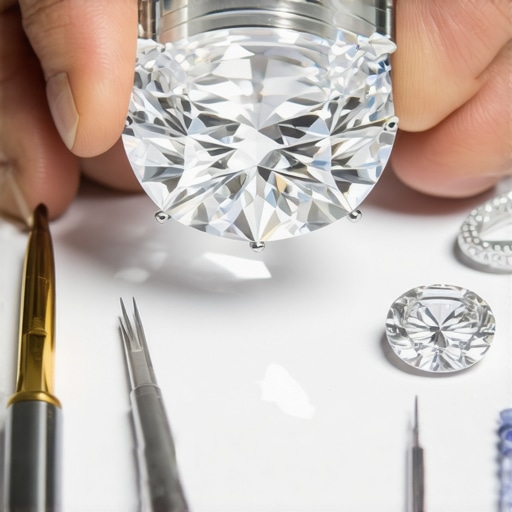
I remember the moment clearly. I had just handed over a beloved piece of jewelry for what I thought was a quick appraisal, only to be told it was undervalued and not up to par. That experience left me feeling frustrated and skeptical about the entire process. It was a wake-up call that made me realize—trustworthy appraisals aren’t just about the numbers; they’re about confidence and understanding the true worth of your jewelry.
Fast forward to today, I’ve learned that mastering the art of jewelry appraisal isn’t just for experts—it’s a crucial skill for anyone who wants to protect their investments and ensure their jewelry holds its true value. Whether you’re buying, selling, or simply safeguarding your treasures, knowing how to boost trust and accurately assess value can make all the difference. Today, I promise to share practical, proven tips that will help you navigate this complex world with confidence.
Why Accurate Appraisals Matter More Than Ever in 2024
In 2024, the jewelry market is more dynamic and competitive than ever. With fluctuating prices and increasing demand for authenticity, a trustworthy appraisal can be your best shield against fraud and undervaluation. Plus, a precise appraisal isn’t just about money; it’s about trust—trust in your jewelry’s quality, trust in the seller, and trust in your own judgment. An incorrect valuation can lead to costly mistakes, whether it’s undervaluing a family heirloom or overpaying for a piece that’s not worth it.
Early on, I made the mistake of relying solely on online appraisals—big mistake. Digital estimates can be convenient but often lack the nuance and expertise needed for true accuracy. That’s why I now advocate for expert guidance, like the services offered at jewelry repair and appraisal specialists. They combine technical knowledge with the latest tools to ensure your jewelry’s value is spot-on, boosting your confidence and peace of mind.
Have you ever faced a situation where you felt unsure about the true worth of your jewelry? If so, you’re not alone. That uncertainty can be stressful, but the good news is—there are clear strategies to improve your appraisal skills and build trust in your jewelry’s value. Keep reading, because in the next sections, I’ll walk you through practical steps that can help you become more confident in every appraisal you encounter.
Assess the Jewelry Carefully
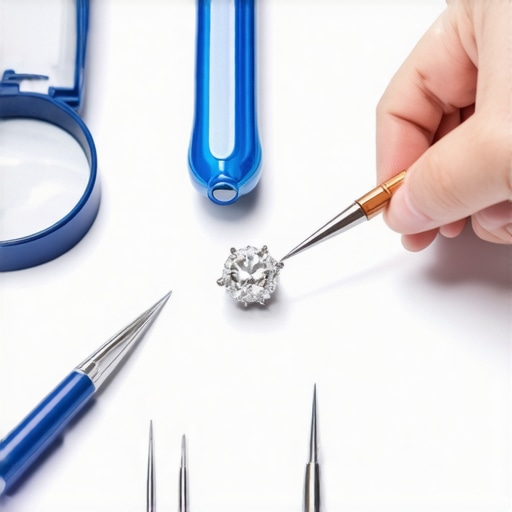
Begin by examining the piece thoroughly. Use a loupe or magnifying glass to inspect for signs of wear, damage, or repairs. Check the hallmark or stamp for metal purity and authenticity. I once took a vintage ring I owned and carefully scrutinized it under a jeweler’s loupe, discovering a small, hidden hallmark that confirmed its 14K gold status, which boosted my confidence in its value. This initial step lays the groundwork for an accurate appraisal.
Verify Authenticity with Expert Guidance
Authenticity is key to building trust. Use trusted resources or consult a certified appraiser for confirmation. Online tools can be helpful, but nothing replaces a hands-on evaluation by a professional. I learned this firsthand when I brought my grandmother’s diamond necklace to a local expert, who verified its genuine cut and clarity, significantly increasing my trust in its worth. For more detailed insights, visit this guide.
Understand Market Trends and Pricing
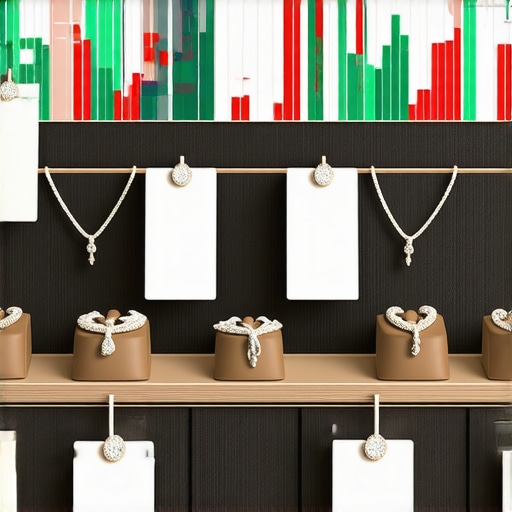
Stay updated on current market prices by researching recent sales and trends. Use reputable sources like auction results or industry reports. I once checked recent auction prices for similar pieces and found a significant difference from the initial estimate, which helped me negotiate better. Knowing the market ensures your appraisal reflects real value, not outdated or inflated estimates.
Get a Formal Appraisal from Trusted Experts
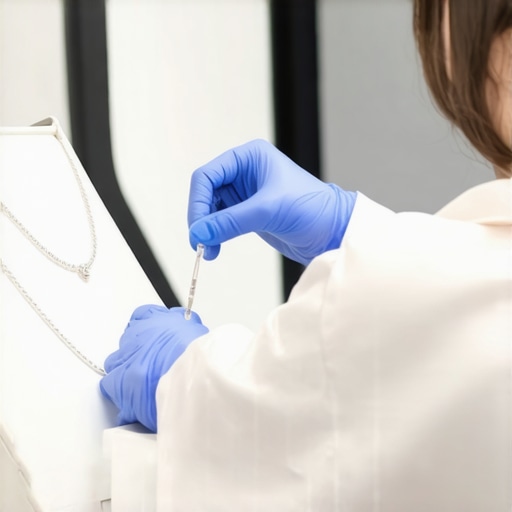
Professional appraisers use precise tools and methods, such as X-ray fluorescence or spectrometry, to determine the exact composition and value. When I decided to insure a family heirloom, I opted for a certified appraiser who provided a detailed report, boosting my confidence in its valuation. For reliable service, explore expert repair and appraisal services.
Document and Protect Your Jewelry’s Value
Keep detailed records of appraisals, receipts, and photographs. Proper documentation is essential for insurance and resale. I created a digital folder with all related documents, which proved invaluable when I had to claim insurance after a minor loss. This proactive step can significantly enhance trustworthiness and ease future transactions.
Regularly Review and Update Appraisals
Jewelry values can fluctuate, so revisit appraisals every few years or after significant market changes. For example, the rise in demand for certain gemstones recently prompted me to re-evaluate my collection, ensuring my insurance coverage remained accurate. Staying current safeguards your investments and maintains trust with buyers or insurers.
Many people believe that the most accurate jewelry appraisals come from quick online estimates or generic tools. However, this is a common misconception that can lead to significant undervaluation or overvaluation of your precious pieces. In reality, the true nuances of jewelry appraisal require a keen eye for detail and an understanding of market intricacies that many overlook.
One critical mistake I see often is relying solely on superficial assessments. For example, a simple gemstone check or metal stamp isn’t enough to confirm authenticity or value. Advanced techniques like spectrometry or X-ray fluorescence are essential for precise evaluation, especially for high-value or antique jewelry. If you’re serious about trustworthiness, consulting a professional who uses these tools is non-negotiable. For more insights on how to select a trustworthy appraiser, visit this guide.
Another misconception is that market trends are static. Many assume that current prices will stay consistent, but market values fluctuate due to demand, geopolitical factors, and even fashion trends. For instance, the recent surge in certain gemstones’ popularity dramatically affected their valuation. Regularly updating appraisals ensures your jewelry is accurately valued for insurance or sale, preventing costly mistakes. Staying informed about market trends is crucial, and resources like auction results can be very helpful.
How Can Advanced Appraisal Techniques Prevent Hidden Errors?
Advanced tools like spectrometers or 3D imaging can reveal hidden damages, repairs, or even synthetic gems masquerading as natural stones. These nuances are often missed by the untrained eye but can drastically affect value. For example, a gemstone might look flawless externally, but internal flaws or treatments can reduce its worth significantly. Experts who employ such techniques provide a detailed report, boosting your confidence in the valuation. To ensure your jewelry’s trustworthiness, consider professional appraisal services that leverage these technologies, like this trusted resource.
Finally, don’t fall for the trap of thinking that one appraisal is sufficient. Jewelry’s value can change over time due to market shifts or after repairs and restorations. Regular reviews and updated appraisals are a wise investment in safeguarding your assets. Remember, a trustworthy appraisal isn’t just about numbers; it’s about building lasting confidence in your jewelry’s true worth. Have you ever fallen into this trap? Let me know in the comments.
Invest in Precision Equipment for Long-Term Trust
One of the most crucial aspects of maintaining trustworthy jewelry appraisals is investing in high-quality tools. I personally rely on a digital gemstone tester, which uses spectrometry to verify whether a gemstone is genuine or synthetic. This device has saved me from potential overvaluation or undervaluation by revealing internal flaws or treatments that are invisible to the naked eye. Additionally, a good jeweler’s loupe, preferably with 10x magnification, is indispensable for inspecting hallmarks, signs of repairs, or damages that could influence a piece’s value.
Use Specialized Software to Track Market Trends
Staying updated on market fluctuations is easier with dedicated software. I use industry-specific databases that aggregate auction results, recent sales, and pricing trends, allowing me to compare my jewelry’s value against current market standards. These tools often include alerts for significant price shifts, helping me revisit and update my appraisals proactively. As market trends evolve rapidly, leveraging technology ensures your valuations remain relevant and trustworthy.
Implement Regular Reassessment Protocols
To keep your appraisals accurate over time, establish a routine schedule—every 2-3 years is ideal. I set reminders to revisit my collection, especially after major market shifts or repairs. During these reviews, I re-inspect each piece with my loupe and recheck market values using my software. This process not only maintains accuracy but also reinforces confidence in your jewelry’s assessed worth, especially when insurance claims or sales are involved.
Leverage Professional Services with Advanced Techniques
While tools and software are vital, nothing replaces the expertise of certified appraisers. I recommend seeking professionals who utilize advanced methods like X-ray fluorescence (XRF) for metal analysis or 3D imaging to uncover hidden damages. These techniques provide an in-depth understanding of your jewelry’s true worth. For example, I once had a vintage ring appraised, and the detailed report revealed internal cracks that significantly impacted its value, which I would have missed otherwise. To ensure your jewelry remains trustworthy, consider engaging with experts who employ such cutting-edge technology, like those found at this trusted resource.
How do I maintain my jewelry appraisals over time?
Maintaining your jewelry appraisals requires regular inspections, utilizing the right tools, and staying informed about market changes. By routinely reassessing your collection with high-quality equipment and consulting with experts, you can ensure your valuations are always accurate and reliable. Don’t forget to document everything carefully, including photographs, receipts, and appraisal reports, to support your confidence and trustworthiness in future transactions. Ready to elevate your appraisal game? Try incorporating advanced spectrometry testing or set up a regular review schedule today to keep your jewelry’s value transparent and trustworthy.
The Hardest Lesson I Learned About Jewelry Appraisal Confidence
One of my most eye-opening experiences was realizing that a superficial assessment can be dangerously misleading. I once relied solely on a quick glance at hallmarks, only to discover later that a hidden repair significantly impacted the piece’s worth. This taught me that true trust in jewelry valuation comes from meticulous inspection and expert guidance, not shortcuts.
My Biggest Mistake That Cost Me Trust in My Jewelry
Initially, I ignored market trends and assumed prices would stay static. When I finally checked recent auction results, I saw a dramatic difference from my initial estimate. That moment was a wake-up call that staying updated with current market data is essential for maintaining confidence in your jewelry’s true value.
The Lesson That Transformed My Approach to Jewelry Appraisal
Investing in advanced tools like spectrometers changed everything. They uncovered hidden flaws and synthetic gems that I would have otherwise missed, boosting my trust in my assessments. Now, I always prioritize using the latest technology to ensure my jewelry’s valuation is as accurate and trustworthy as possible.
Curated Tools That Elevated My Jewelry Confidence
- Industry-specific software: Helps track market trends and recent sales, ensuring my appraisals stay relevant. I trust this because it combines real-time data with easy usability.
- High-quality gemstone testers: I personally use a digital spectrometer, which verifies gemstone authenticity and reveals internal flaws. It’s invaluable for peace of mind.
- Professional appraisal services: Certified appraisers using X-ray fluorescence and 3D imaging provide in-depth, detailed reports that I rely on for significant investments or insurance.
- Documentation tools: Digital record-keeping of receipts, photos, and appraisals helps me stay organized and confident during transactions.
Take Action Today and Make Jewelry Appraisal Your Superpower
Trustworthy jewelry appraisal isn’t just a skill—it’s a safeguard for your investments and peace of mind. Embrace expert tools, stay informed about market shifts, and regularly reassess your collection. By doing so, you’ll build lasting confidence in your jewelry’s true worth. Ready to elevate your appraisal game? Incorporate advanced testing techniques or set up routine reviews today. Your jewelry deserves nothing less!
Have you ever faced a challenge in trusting your jewelry’s value? Share your story below—I’d love to hear your experience!


Reading through this post really resonated with me, especially the part about trusting professional appraisers over online estimates. Early in my collection journey, I made the mistake of relying solely on digital tools, which led to undervaluing a vintage necklace I owned. When I finally visited a certified appraiser and invested in advanced techniques like spectrometry, I gained a whole new level of trust in my jewelry’s true worth. It made me realize how essential it is to use high-tech tools for accuracy, especially for high-value pieces or antiques. I’m curious, how many of you have experienced discrepancies between online estimates and professional appraisals? And what tools or methods have you found most effective in ensuring your valuations are reliable? Building confidence in our jewelry’s value is so vital, especially with a fluctuating market, and I’d love to hear everyone’s insights on combining technology with traditional expertise for the best results.
This post makes a lot of sense, especially the emphasis on detailed inspection and professional verification. I’ve had my fair share of moments where I doubted my initial assessments, especially with vintage or antique jewelry that can hide surprises. Investing in a good loupe and learning what clues to look for has definitely boosted my confidence. I also found that understanding current market trends through reliable sources helps me avoid over- or underestimating value. What I’ve come to realize is that combining high-tech tools, like a portable spectrometer, with traditional inspection techniques gives the most trustworthy results. That being said, sometimes it’s the smaller details—like subtle Hallmarks or signs of repair—that tell the true story. Has anyone here experienced a piece that looked perfect externally but revealed issues only through detailed analysis? I’d love to hear how you handle such situations and whether advanced tools have saved you from a misjudgment.