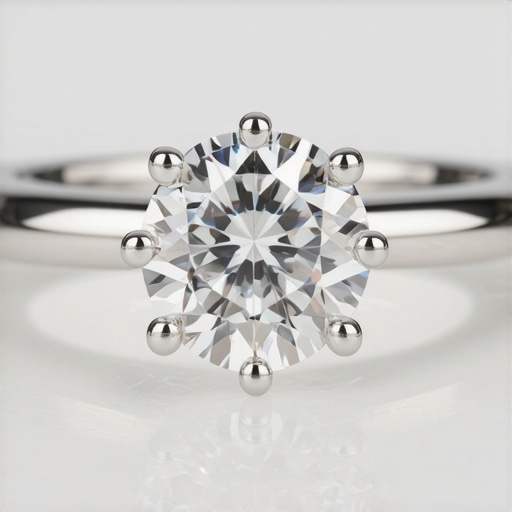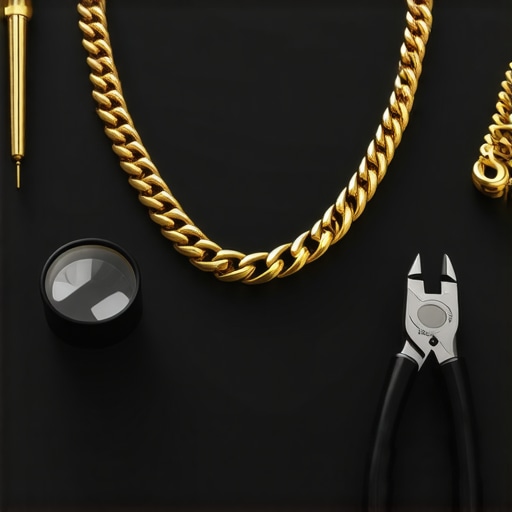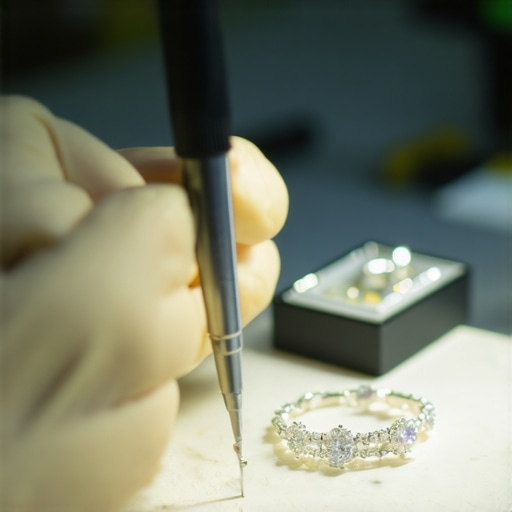
Ever had that sinking feeling when you realize your favorite necklace has a loose clasp or your ring is slightly crooked? I’ve been there too. One day, I found myself staring at a cherished heirloom ring, nervous about whether I could trust it to stay beautiful or if I should just toss it and buy new. That lightbulb moment made me realize something crucial: the secret to truly enjoying our jewelry isn’t just in owning it but in knowing it’s been expertly repaired or restrung to last. If you’ve ever felt that nagging doubt about your jewelry’s durability or value, stick around. Today, I’m going to share how expert repair and restringing can turn your jewelry into a confident statement of trust and lasting beauty.
Why Trust in Jewelry Repair Matters More Than Ever
In a world where fast fashion and quick fixes dominate, it’s easy to overlook the importance of quality repairs. But let me tell you—trustworthy repair isn’t just about aesthetics. It’s about safety, value, and the memories embedded in your jewelry. When I first tried to fix a broken bracelet myself, I made a costly mistake. I used glue—yes, glue—thinking I could save a few bucks. The result? A sticky mess and a ruined piece. That mistake taught me that expert techniques, like those shared in expert jewelry repair, are essential for lasting results. Properly repaired jewelry not only looks better but also boosts your confidence in wearing it daily. If you’ve faced similar doubts or mishaps, know that professional services can restore your pieces to their former glory—and beyond.
Is Restringing Jewelry Really Worth the Investment?
It’s a common question I hear—“Should I really invest in restringing?” Well, consider this: a well-done restringing can make your jewelry look brand new, prevent breakage, and significantly increase its lifespan. I once ignored a necklace that kept catching on things, only to find the string was fraying. After a professional restringing, it looked like I had a brand new piece—more secure and vibrant. The truth is, restringing isn’t just about aesthetics; it’s about preserving the integrity of your jewelry. And trust me, it’s an investment that pays off in confidence and peace of mind. If you’ve ever hesitated because of doubts about quality or cost, I encourage you to explore expert options—your jewelry deserves it.
Now that we’ve set the scene about why trust in repair and restringing is vital, let’s dive into some practical tips that will help you choose the right professionals and ensure your jewelry is in safe hands. Remember, your jewelry isn’t just adornment—it’s a reflection of your style and stories. Let’s make sure it’s always shining with confidence.
,
Assessing the Damage or Need for Repair
Start by thoroughly inspecting your jewelry. Look for loose stones, broken clasps, frayed strings, or bent prongs. Use a gentle magnifying glass if needed. When I noticed my once-pristine pearl necklace had a slightly frayed thread, I knew it was time for professional restringing. Don’t attempt quick fixes like glue or tape; instead, document the damage with photos. This helps in communicating clearly with your jeweler and ensures you receive the right service. Remember, a professional assessment is the first step toward reliable repair or restringing. For detailed strategies, explore jewelry repair and restringing tips.
Choosing the Right Expert for Your Jewelry
Look for certifications, reviews, and specialization. A jeweler with a proven track record in repairing similar pieces is essential. For example, I once visited a shop that specialized in antique jewelry and immediately felt confident. Ask about their techniques—do they use ultrasonic cleaning, soldering, or hand-setting? A trustworthy professional will be transparent about their process. Think of it like choosing a skilled mechanic: you want someone who treats your car (or jewelry) with care. To learn how to identify trustworthy experts, check trustworthy jewelry appraisal and repair tips.
Understanding the Repair or Restringing Process
Once you select a professional, understand what they will do. For example, repairing a broken clasp might involve soldering, which requires precision. Restringing involves removing the old string, cleaning the beads, and threading a new, durable material—much like replacing the wire in a musical instrument. I once watched a master restring my grandmother’s vintage necklace; their meticulous work made it look like a new piece. Clarify the materials used—silk, nylon, or wire—as different materials affect durability and appearance. For comprehensive guidance, review repair and restringing strategies.
Ensuring Quality and Lasting Results
Before finalizing, ask for a detailed quote and turnaround time. Ensure the jeweler provides a guarantee or warranty. When I had my ring resized, I requested a written guarantee—this gave me peace of mind. After the repair, inspect the piece carefully—check the stability of stones, the smoothness of the clasp, and the tightness of the string. Test the durability gently by wearing or handling it. A reputable professional will also advise on ongoing maintenance to prevent future issues. To see detailed tips on building lasting trust through repairs, visit tips for lasting jewelry trust.
Maintaining Your Jewelry for Long-Term Confidence
Proper storage, regular cleaning, and periodic inspections extend the life of your jewelry. Store pieces separately to avoid scratches, and clean them with appropriate solutions. When I learned to gently clean my jewelry with a soft cloth, I maintained its shine and integrity. Schedule annual inspections with your jeweler to catch potential issues early. Remember, investing in professional repair and restringing isn’t just about aesthetics; it’s about preserving memories and building confidence in your jewelry. For more expert insights, explore expert repair and confidence strategies.
Many people believe that DIY fixes or quick solutions are sufficient for maintaining their jewelry, but in reality, this mindset can lead to costly mistakes. One common myth is that glue or tape can temporarily hold a loose stone or broken clasp. While it might seem like a quick fix, these methods often cause more damage and complicate professional repairs later. Expert repair techniques, such as precision soldering and hand-setting, are essential for ensuring lasting durability. For advanced jewelry owners, understanding the nuances of these methods is crucial. For example, professional repair employs specialized tools and knowledge that amateurs lack, preventing future issues and preserving value.
Another misconception is that restringing is only necessary when a necklace completely breaks. In truth, fraying threads and signs of wear are early warnings that restringing should be considered. If ignored, these can lead to sudden breakage, risking loss of gemstones and damage. Regular inspections and professional restringing can extend the lifespan of your jewelry significantly. Advanced owners know that choosing the right materials—like silk or nylon—based on the piece’s use and aesthetic is vital for long-term trust and confidence.
What are the risks of ignoring subtle damage in jewelry?
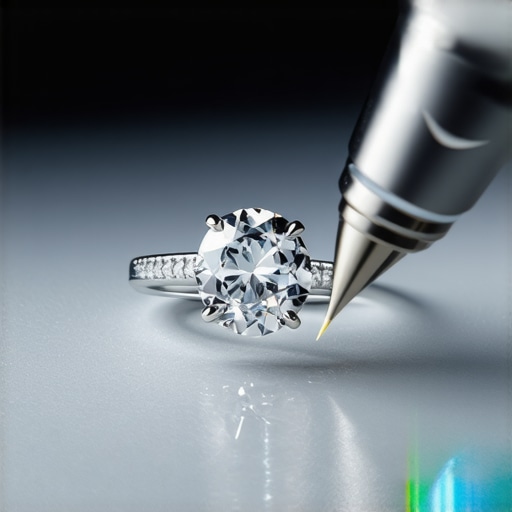
Ignoring early signs of wear can be a costly mistake. For example, a small bent prong might seem insignificant but can jeopardize the security of a gemstone. Over time, this can lead to loss or further damage, requiring more extensive repairs. Experts recommend regular inspections and understanding the subtle cues that indicate repair is needed. According to a trusted industry source, proactive maintenance avoids larger expenses and ensures your jewelry retains its value and beauty. So, don’t wait until a minor issue becomes a major problem. Instead, leverage professional advice and services to keep your jewelry in optimal condition. Have you ever fallen into this trap? Let me know in the comments.
Keeping your jewelry functioning flawlessly over time requires more than just expert repairs; it demands the right tools and consistent maintenance. As someone deeply involved in jewelry care, I can tell you that investing in quality equipment and mastering specific techniques can dramatically extend the lifespan of your cherished pieces. Today, I’ll share the tools I personally rely on and the methods I recommend for ensuring your jewelry remains stunning and secure for years to come.
Precision Soldering Equipment
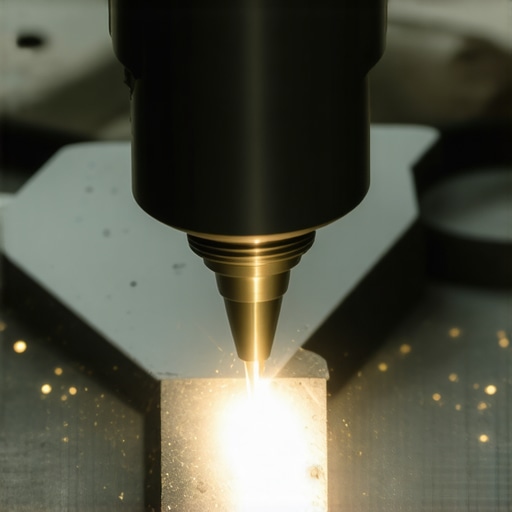
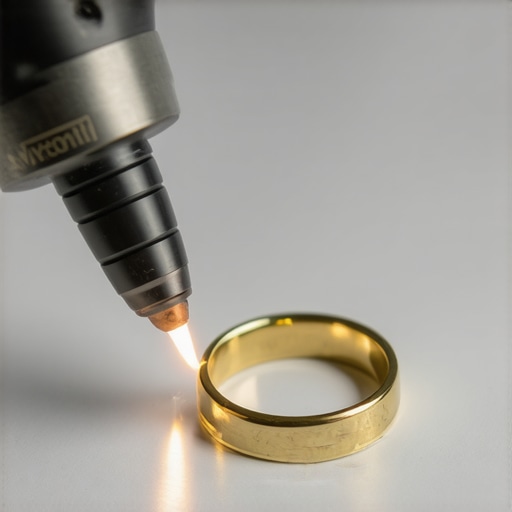
One of the most vital tools in my toolkit is a high-quality soldering iron designed specifically for jewelry. I use a micro-torch with adjustable heat control, which allows for precise application without risking damage to delicate settings or gemstones. The key is to select a torch that provides even heat distribution and fine control, enabling me to perform tiny, clean solder joints that are virtually invisible. This level of precision is crucial for maintaining the integrity of fine jewelry and ensures that repairs hold up long-term. Regularly cleaning the torch tip and using proper flux are essential steps to avoid oxidation and ensure smooth soldering results. For detailed guidance, check expert repair techniques.
Magnification and Inspection Tools
To keep jewelry in top condition, I always use a high-quality jeweler’s loupe, typically 10x magnification, combined with a good light source. This allows me to spot early signs of wear, such as tiny cracks or loose stones, before they become serious issues. I also rely on a digital microscope for more detailed inspections when needed. Regularly examining your jewelry with these tools enables proactive maintenance, saving you money and preserving value. An investment in good magnification equipment is well worth it, especially if you own vintage or high-value pieces. For more insights, explore inspection techniques.
Ultrasonic Cleaners
Keeping jewelry clean is fundamental to long-term durability. I recommend an ultrasonic cleaner because it reaches into tiny crevices that hand cleaning often misses. I personally use a professional-grade ultrasonic device that gently removes dirt, oils, and grime without risking damage. Before use, I always check the manufacturer’s recommendations for each material, as some gemstones or delicate metals may require special cleaning methods. Regular ultrasonic cleaning, combined with gentle polishing, keeps jewelry looking its best and helps spot potential issues early. For cleaning tips, see professional cleaning advice.
Future of Jewelry Maintenance
Looking ahead, I believe advancements in microelectronics and AI will bring smarter tools for jewelry care. Imagine devices that can assess wear patterns or detect micro-fractures in real-time, alerting owners to necessary repairs before problems escalate. Incorporating IoT (Internet of Things) technology into jewelry maintenance could revolutionize how we care for our pieces, making long-term upkeep more accessible and reliable. Embracing these innovations will empower jewelry owners to maintain confidence in their collections, knowing that their investments are protected by cutting-edge technology.
How do I Maintain Jewelry Over Time?
The key to lasting jewelry confidence is routine inspection and professional upkeep. Schedule regular check-ups with a trusted jeweler, especially after heavy wear or cleaning. Use proper storage solutions like individual pouches or jewelry boxes to prevent scratches and tangling. Gently clean your pieces at home using soft cloths and appropriate solutions, avoiding harsh chemicals. Remember, early detection of issues can prevent costly repairs. By combining the right tools with consistent care, you ensure your jewelry continues to sparkle and trust remains high. Ready to take your jewelry maintenance to the next level? Try incorporating a professional ultrasonic cleaner into your routine today and see immediate benefits in both appearance and longevity.
The Hardest Lesson I Learned About Jewelry Repair
One of the most eye-opening lessons I encountered was realizing that DIY fixes often do more harm than good. I once tried to repair a beloved necklace with glue, only to make the damage worse. That mistake taught me the importance of trusting professionals who use precise techniques like soldering and hand-setting to ensure durability and beauty. Now, I understand that expert repair isn’t just about fixing a piece—it’s about preserving its story and value for generations.
Why a Small Damage Can Cost You Big
I learned that ignoring tiny issues, such as a slightly bent prong or frayed string, can lead to substantial loss later. Regular inspections and professional restringing or repair can prevent these small problems from escalating. This proactive approach has saved me hundreds and kept my jewelry looking and feeling trustworthy. If you want to protect your collection, consider this your gentle reminder to seek expert advice early.
Investing in Quality Tools for Long-Term Confidence
Using the right tools like a high-quality soldering torch or a jeweler’s loupe makes a significant difference. These tools help me catch early signs of wear and perform repairs with precision, ensuring my jewelry remains both beautiful and secure. For anyone serious about caring for their pieces, I recommend building a toolkit that includes ultrasonic cleaners and magnification devices, which are game-changers for maintaining trust and longevity.
Curated Gems for Jewelry Confidence
Here are my top resources that have transformed my approach to jewelry care:
- Expert Repair Techniques: For detailed insights into soldering and setting, this guide is invaluable.
- Recommending Restringing: To learn about materials and methods, explore my favorite restringing tips.
- Jewelry Inspection: Regular check-ups are crucial. Find out how to do them effectively at this resource.
Believe in Your Jewelry Again
Trusting your jewelry’s durability and beauty starts with understanding how expert repair and restringing can make all the difference. Every piece has a story—don’t let small issues undermine their future. Take action today by scheduling a professional inspection or repair, and watch your confidence in your jewelry blossom. Ready to give your collection the care it deserves? Your confidence is just a repair away.
Have you ever hesitated to get a repair or restringing because of uncertainty? Share your experience below—I’d love to hear your journey to jewelry confidence!
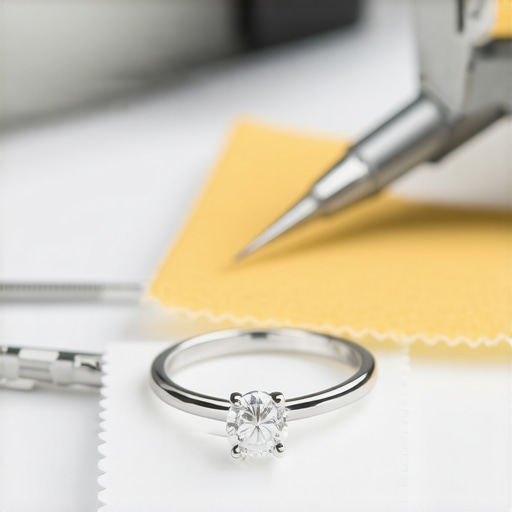
![5 Hidden Signs Your Ring Prongs Are Failing [2026 Checklist]](https://jewelryfixpro.com/wp-content/uploads/2026/02/5-Hidden-Signs-Your-Ring-Prongs-Are-Failing-2026-Checklist.jpeg)
![3 Subtle Signs Your Diamond Is About to Fall Out [2026]](https://jewelryfixpro.com/wp-content/uploads/2026/02/3-Subtle-Signs-Your-Diamond-Is-About-to-Fall-Out-2026.jpeg)