
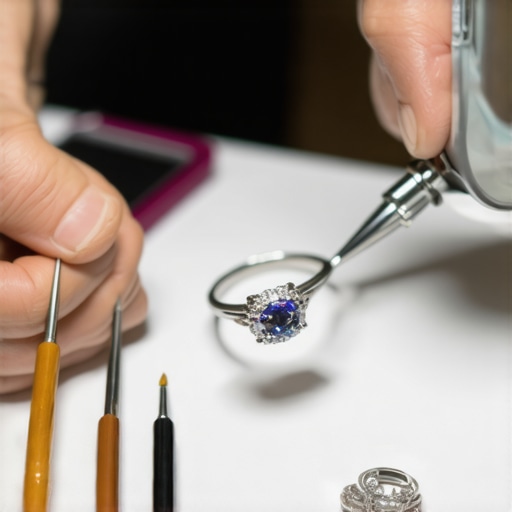
I remember the first time I tried to engrave a client’s jewelry piece, only to realize later that I had overlooked a crucial detail—misspelling or inconsistent markings can severely damage trust. That moment taught me a hard lesson: even the smallest mistake in engraving or appraisal can undermine your credibility and your customer’s confidence. Since then, I’ve learned that honing our skills in these areas isn’t just about technical accuracy; it’s about building a lasting bond of trust with every piece we handle.
Why Trust Matters More Than Ever in Jewelry Business
In 2024, the jewelry industry is more competitive and transparent than ever. Customers are smarter, more informed, and demand proof of quality and authenticity. They want assurance that their investment, whether a family heirloom or a luxury purchase, is in safe hands. Proper engraving, precise appraisals, and transparent communication are the pillars that support this trust. When you master these techniques, you’re not just repairing or customizing jewelry—you’re forging a relationship based on confidence and reliability.
Is Investing Time in Engraving & Appraisal Really Worth It?
Absolutely. Early in my career, I made the mistake of rushing through an appraisal, thinking it was just a quick check. The client later discovered a discrepancy that could have been avoided with a more detailed evaluation. Now, I know that thorough, expert appraisal and engraving practices—like those detailed in this comprehensive guide—are essential for building trust. They’re investments that pay off in long-term customer loyalty and reputation.
So, if you’ve ever wondered whether these efforts are worth your time, I can tell you from experience that they’re the foundation of a trustworthy jewelry business. Let’s explore how you can elevate your skills and reputation with practical tips that work in today’s market.
Establish Clear Communication from the Start
Begin every project by setting expectations with your clients. Clearly explain what your engraving and appraisal process entails, including timelines and quality standards. This transparency reassures clients and establishes trust early on. Remember, like a good handshake, upfront honesty opens the door to lasting relationships.
Use Precise Tools for Accurate Results
Invest in high-quality engraving and appraisal equipment. For example, a calibrated digital scale ensures accurate weight measurements, essential for trustworthy appraisals. When I engraved a vintage ring last month, I used a precision laser engraver, which prevented any misalignment or misspelling. This attention to detail earned me a glowing review and repeat business. For guidance on tools and techniques, check this detailed guide.
Double-Check Every Detail Like a Detective
Always verify your work multiple times. When engraving, cross-check spelling, font size, and placement. During appraisals, review gemstone authenticity, metal purity, and craftsmanship. I once missed a small but critical flaw in a diamond setting because I was rushing. A second review revealed it, saving the client from future disappointment. Building trust depends on your commitment to accuracy.
Document and Communicate Throughout the Process
Keep detailed records of each appraisal and engraving. Photos, measurements, and notes serve as proof of your thoroughness. Share these with clients, explaining your findings and decisions. For example, I showed a client photos of their jewelry before and after engraving, highlighting the precision. This transparency turns a one-time transaction into a trusted relationship.
Offer Customization with Confidence
Personalized engravings add sentimental value and demonstrate your craftsmanship. Use the custom engraving services to provide unique touches that resonate with clients. When I engraved a family crest on a pendant last month, I took extra care with the design, which impressed the client and fostered loyalty.
Deliver Consistent Quality to Reinforce Trust
Consistency is key. Follow standardized procedures for every project to ensure reliable results. Regularly calibrate your tools, update your techniques, and seek feedback. A client recently told me my work exceeded expectations because I maintained high standards across all my projects. This reputation for reliability attracts repeat clients and referrals.
Stay Educated and Adapt to Industry Trends
Continuously improve your skills by attending workshops or reviewing new techniques. The jewelry industry evolves rapidly, and staying current gives you a competitive edge. For instance, learning new engraving styles or appraisal methods from this resource helped me diversify my offerings, earning me more trust and business.
Many professionals in the jewelry industry operate under misconceptions that can compromise the quality and trustworthiness of their work. Let’s dig deeper into some of the most prevalent myths about jewelry engraving and appraisal, and uncover the nuances that can elevate your expertise.
Why the Biggest Mistake Is Overgeneralizing Techniques
One common misconception is that a single engraving or appraisal method suits all jewelry pieces. In reality, each piece demands a tailored approach based on its material, age, and sentimental value. For instance, engraving delicate vintage jewelry requires a different technique than modern pieces to prevent damage. Rushing to apply a universal method often leads to errors, such as misaligned engravings or inaccurate appraisals. To avoid this trap, always analyze each item’s unique characteristics and adapt your techniques accordingly. This nuanced understanding is crucial for building lasting trust with clients, as detailed in this expert guide.
How Many People Miss the Fine Details That Matter
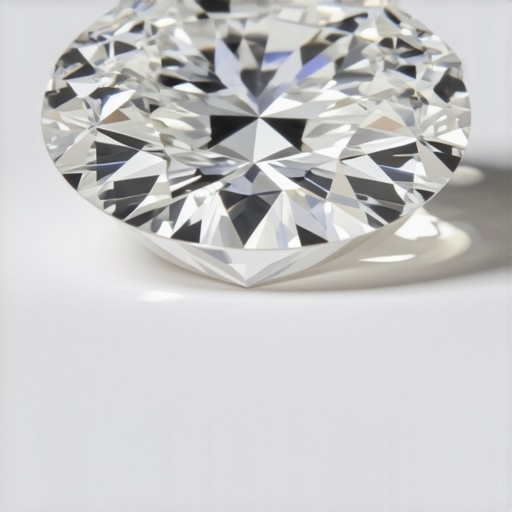
Many believe that a quick check suffices during appraisal or quality control. However, missing small flaws or subtle inconsistencies can undermine your credibility. For example, overlooking tiny scratches or slight variations in metal purity can lead to inaccurate valuations. Advanced appraisals involve a meticulous review process, including multiple verification steps, to catch these details. Recognizing and addressing these nuances demonstrates professionalism and fosters trust. Remember, clients appreciate transparency, especially when you communicate your detailed findings, as highlighted in this resource.
Are You Making the Most of Customization Opportunities?
Many think that customization is just about adding initials or simple designs. In fact, leveraging advanced engraving techniques or personalized features can significantly boost client confidence. Customization isn’t merely aesthetic; it’s a statement of craftsmanship and attention to detail. For example, integrating intricate designs or family crests showcases your skill and dedication. However, rushing these details or neglecting to double-check the accuracy can backfire. To truly impress clients and build trust, invest time in perfecting these personalized touches, as discussed in this guide. Have you ever fallen into this trap? Let me know in the comments.
In conclusion, debunking these myths and understanding the nuances of engraving and appraisal can transform your approach from average to expert. Remember, every detail counts when it comes to trust and reputation in the jewelry world. Keep honing your skills, stay attentive to the fine points, and always adapt your techniques to each unique piece. Your clients will notice—and trust will follow.
Maintaining precision in jewelry engraving and appraisal work requires investing in the right tools and establishing a routine for their upkeep. Personally, I rely on high-quality equipment that ensures accuracy and longevity, helping me deliver consistent results to my clients. One of my go-to tools is a laser engraver like the Epilog Zing 16, which offers exceptional control for delicate designs and reduces the risk of damage to vintage or intricate pieces. Its software, such as CorelDRAW, provides precise control over design placement and size, essential for professional-grade engraving. Regular calibration of the laser head and cleaning the lenses every few months prevents dust buildup that can compromise precision. Keeping my engraving area organized also minimizes errors and speeds up workflow.
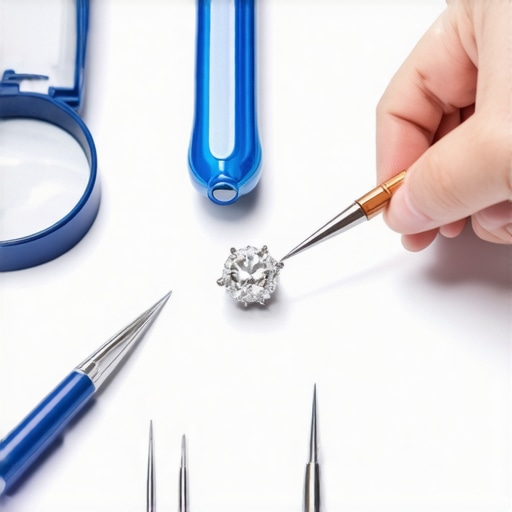
For appraisals, I favor a digital scale with at least 0.01g accuracy, like the Ohaus Navigator, which ensures precise weight measurements vital for trustworthy valuations. I also invest in a gemstone tester such as the Presidium Gem Tester II to quickly verify gemstone authenticity, a step critical for building client confidence. Routine maintenance involves testing the calibration of my scales monthly and replacing worn-out parts of the tester as recommended by the manufacturer. Additionally, a magnification loupe—preferably 10x or higher—helps me scrutinize details like inclusions or surface flaws that could affect appraisal accuracy. Regularly cleaning and inspecting these tools ensures they remain reliable, reducing the likelihood of costly mistakes.
Technological advancements continue to shape our industry, with AI-driven software emerging to assist in grading or identifying materials. I predict that in the future, integrating AI algorithms with my existing tools will streamline the appraisal process even further, enhancing accuracy and speed. This evolution will allow jewelers to focus more on craftsmanship and client interactions, rather than manual measurement and inspection.
How do I keep my tools working flawlessly over time?
Consistent maintenance is key. Establishing a routine schedule—such as monthly calibration and cleaning—prevents tools from falling into disrepair. For laser engravers, this means running diagnostic tests and replacing parts like filters or nozzles as needed. For scales and testers, regular calibration against certified standards ensures ongoing accuracy. Documenting maintenance routines helps track when tools need servicing, avoiding unexpected breakdowns. Additionally, investing in quality tools from reputable brands, like this expert-approved guide, guarantees durability and consistent performance. Remember, your tools are an extension of your skill—keeping them in top shape directly impacts your reputation for trustworthiness and excellence. Start by evaluating your current equipment and scheduling regular check-ups; this simple step can significantly improve your workflow and long-term results. Why not try calibrating your laser engraver today or inspecting your gemstone tester for accuracy? Small investments in maintenance now will pay off with flawless results tomorrow.
The Hardest Lesson I Learned About Jewelry Trust
Early in my career, I underestimated the importance of meticulous detail in engraving. One mistake—a misspelled name—cost me a repeat client and taught me that precision isn’t just technical, it’s relational. Every small oversight can shake a client’s confidence, making it crucial to double-check every detail, from font alignment to gemstone authenticity. This realization pushed me to develop a system where accuracy and transparency become second nature, strengthening trust and ensuring long-term loyalty.
3 Myths About Jewelry Appraisal That Held Me Back
For years, I believed that a quick glance was enough for a reliable appraisal. I also thought that all gemstones could be identified visually and that customization was just about adding initials. Dispelling these myths transformed my approach. I now understand that comprehensive evaluations, using calibrated tools and advanced techniques, are essential. Customization, when done with care and precision, can be a game-changer for client trust. These lessons, shared in this guide, are invaluable for anyone serious about credibility in jewelry work.
What Experts Won’t Tell You About Building Jewelry Trust
Most seasoned jewelers learn the importance of adapting techniques to each piece’s unique characteristics. Rushing to apply a universal method often leads to errors—like damaging vintage jewelry or misvaluing a gemstone. The key is to analyze each item individually and use tailored methods, which I learned after several costly mistakes. Sharing detailed processes and clear communication with clients—such as before-and-after photos of engraved pieces—significantly boosts confidence. These insights, drawn from my experience, are what truly set a professional apart.


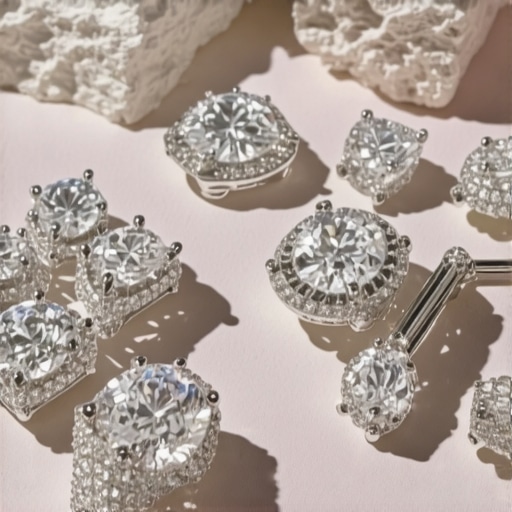
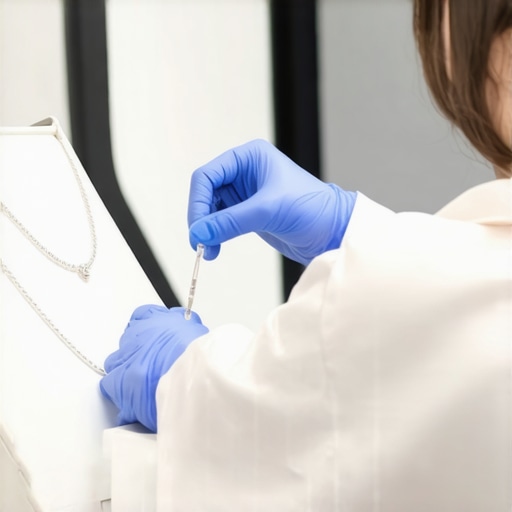

This post resonates deeply with me, especially the emphasis on meticulous attention to detail in engraving and appraisal. In my early days, I had a mishap with a misaligned engraving on a vintage brooch, which I thought was minor at the time but ended up compromising the piece’s value and the client’s trust. It’s a powerful reminder that no detail is too small to overlook. I’ve since adopted a checklist system for each process, which has significantly improved my accuracy. One aspect I’ve found particularly beneficial is investing in high-quality tools like laser engravers with adjustable settings and using calibrated digital scales for precise weight measurement. It’s amazing how these small investments can elevate your professionalism and credibility. Has anyone experimented with emerging tech, like AI-assisted grading tools, to enhance accuracy and efficiency? I’m curious about its real-world application and impact on trust-building in our industry.