
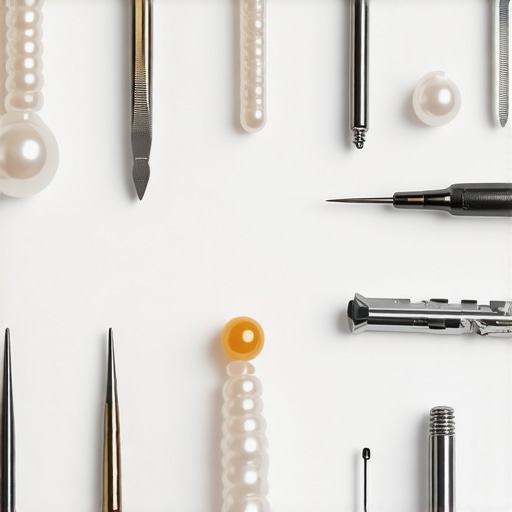
Ever had that sinking feeling when a client hesitates to trust your work? I remember the first time a customer questioned the authenticity of a piece I repaired. My stomach sank. That moment taught me a vital lesson: in jewelry, trust is everything. Small details like expert engraving and meticulous restringing can make or break your reputation. If you’ve faced similar doubts or just want to elevate your craft, you’re in the right place. Today, I’ll share proven tips to harness engraving and restringing techniques that truly boost trust and ensure your clients keep coming back.
Why Precision and Personalization Matter in Jewelry Care
The truth is, jewelry isn’t just about looks; it’s about stories, memories, and trust. When I started, I made a costly mistake—rushing through a restringing job without double-checking the tension or quality of the string. The piece broke within weeks. That’s a lesson many overlook: the quality of restringing directly impacts the confidence your customer feels. Expert engraving, on the other hand, offers that personal touch that turns a simple repair into a piece of art. It’s these details that foster long-term trust and loyalty. If you want to learn how to master these skills, check out this guide on engraving and repair strategies.
Is Overdoing It Worth the Risk?
Early on, I believed more was better. I thought adding extra engravings or overly tight restringing would impress clients. Nope. It often backfired, making pieces look cluttered or fragile. The key is subtlety and precision—knowing when to add a personal touch and when to let the craftsmanship speak for itself. A mistake I made early on was assuming that a thicker string meant better durability—turns out, quality over quantity is crucial. For insights that can help you avoid these pitfalls, consider reading this article about expert restringing for lasting confidence.
By understanding how expert engraving and restringing can transform your service, you’ll discover how small, well-executed details can dramatically increase trust. Ready to dive into actionable tips that will elevate your craft? Let’s get started with the essentials of perfect engraving and durable restringing techniques that clients will love.
Sharpen Your Engraving Skills for a Lasting Impression
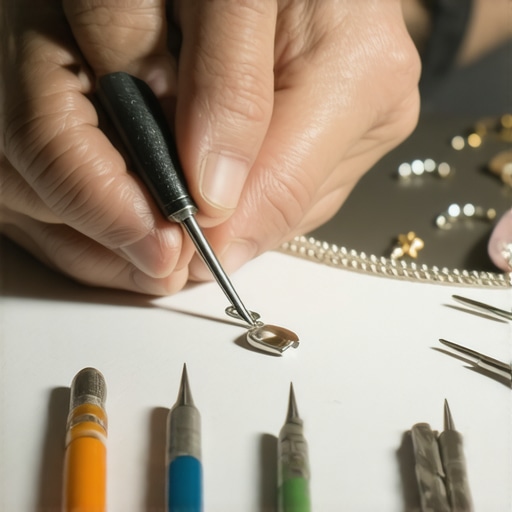
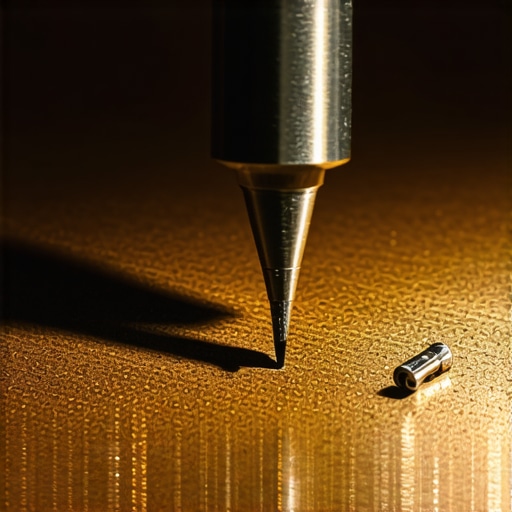
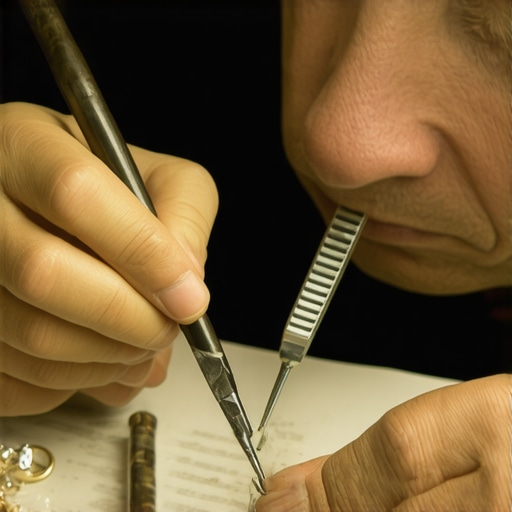
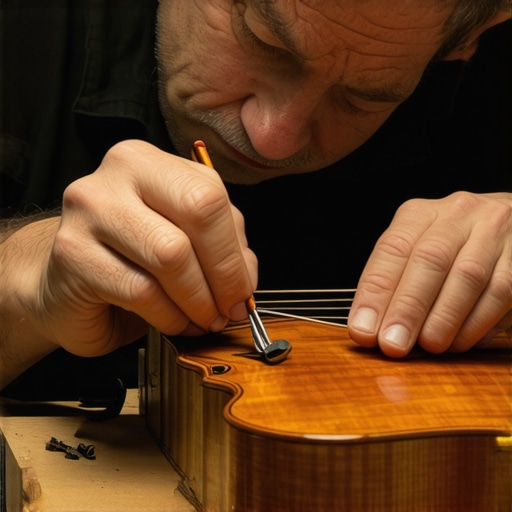
Start with a steady hand, like guiding a paintbrush. I remember one time, I was working on a delicate pendant, and I hesitated for a second—my line wobbled. Instead of starting over, I slowly adjusted my grip and executed a precise, clean line. That moment taught me the importance of controlled movements. Use a fine, sharp engraving tool and practice on scrap pieces before tackling the real job. Keep the tool at a consistent angle and apply gentle, even pressure to achieve smooth, professional lines. To elevate your craftsmanship, explore this guide on expert engraving techniques.
Implement Restringing Techniques That Instill Confidence
Restringing is more than just replacing a string; it’s about restoring trust. I once replaced a strand of pearls for a client, but I was cautious—testing the tension multiple times. I tied the knot securely, used high-quality silk thread, and double-checked the tension with a gentle pull. Remember, the key is consistency and quality. Use a professional knotting technique, like the improved surgeon’s knot, and ensure the tension is uniform throughout the strand. When finished, I always double-check the durability by gently tugging. For trusted tips on restringing, visit this resource.
Balance Subtle Personalization with Craftsmanship
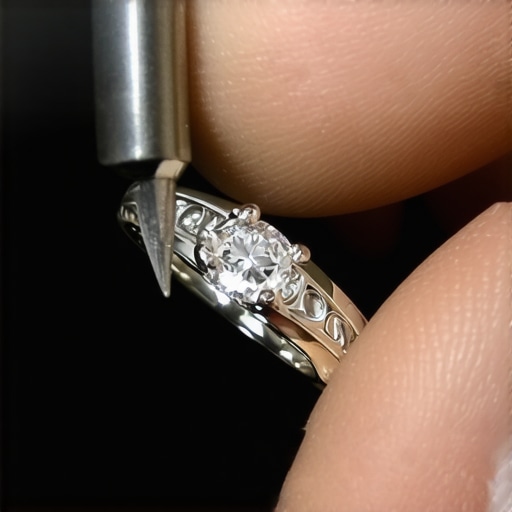
Adding personal engravings can build trust—just don’t overdo it. I once engraved a heartfelt message on a wedding band. I used a fine burr, kept my strokes light, and avoided cluttering the design. The result was elegant and meaningful. Remember, subtlety is powerful. Use a magnifying glass to ensure precision, and always communicate with your client about their preferences. This personalized touch transforms a simple repair into a treasured keepsake. For detailed techniques, check this guide.
Know When Less is More in Your Repairs
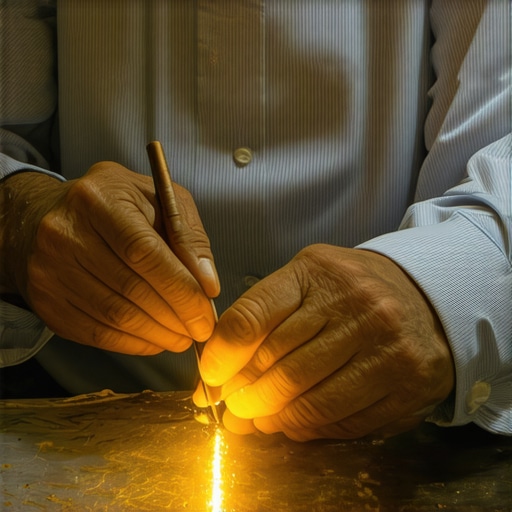
Early mistakes often involve over-engineering. I once tried to reinforce a fragile chain with extra solder, but it looked bulky and unnatural. Instead, I learned to assess each piece’s needs carefully and apply only the necessary amount of solder or reinforcement. Use minimal heat and solder, focusing on seamless integration. Overdoing it can weaken the piece or diminish its aesthetic. Remember, subtle enhancements often speak louder than obvious fixes. For more insights, read this article.
Perfect Your Technique for Durable Restringing
In my experience, the durability of a restringing job hinges on tension and knot security. I once finished restringing a vintage necklace and thought I was done—until I tested the clasp. The tension was uneven, and the knots slipped slightly. I learned to evenly distribute tension along the strand and use a beading needle for tight, uniform knots. I also double-knot at each end and apply a tiny drop of jewelry cement for extra security. These small steps make a big difference in client confidence. For detailed restringing strategies, visit this guide.
Many professionals in the jewelry industry fall into traps by believing oversimplified truths about appraisal, engraving, repair, and restringing. Let’s dig deeper into these misconceptions and uncover the nuanced realities that can make or break your credibility. If you’ve ever fallen into this trap, let me know in the comments.
Why Most People Misunderstand Jewelry Appraisals
The common myth is that appraisals are just about assigning a monetary value. While this is part of it, true appraisal involves understanding the piece’s history, craftsmanship, and market fluctuations. Relying solely on price guides or outdated comparables can lead to undervaluation or overvaluation, damaging your reputation. Experts like those at this resource emphasize the importance of comprehensive appraisals that include condition, provenance, and current market trends. Overlooking these details is a trap many fall into, which can erode customer trust over time.
Engraving: More Than Just Aesthetic
Many believe engraving is purely decorative, but the real nuance lies in precision and personalization. A common mistake is rushing the process, which results in uneven, sloppy lines that diminish the piece’s value. Advanced engravers know that subtle, well-executed engravings can elevate a piece’s sentimental value and trustworthiness. However, overdoing it—such as excessive text or intricate designs on small surfaces—can clutter the jewelry and undermine its elegance. For sophisticated insights, explore this guide on expert engraving techniques.
Common Mistakes in Jewelry Repair
One of the most overlooked errors is underestimating the importance of matching the original craftsmanship. For example, mismatched solder or inconsistent finishing can immediately signal a repair, eroding trust. Many professionals focus on fixing the visible damage but neglect the subtle details like tension, polish, and alignment. The myth that a quick fix is sufficient is dangerous; lasting repairs demand skillful attention to these nuances. To prevent this, consult this comprehensive resource for restoring jewelry with confidence.
Restringing and Its Hidden Pitfalls
Restringing is often perceived as a simple task—just replace the string. But the advanced mistake is neglecting tension consistency and knot security. A common trap is using inferior thread or skipping double knots, which can lead to early failure and loss of trust. Skilled restringers understand that uniform tension and high-quality materials are critical. Additionally, subtle reinforcement techniques, like enhanced surgeon’s knots, significantly extend the lifespan of the piece. For expert tips, visit this guide.
Final Thoughts
In the world of jewelry, superficial fixes and outdated practices are common traps that erode client trust over time. The real secret lies in mastering the nuances—precision engraving, comprehensive appraisal, subtle repairs, and tension-controlled restringing. These hidden details elevate your service from ordinary to exceptional. Remember, sophisticated clients appreciate craftsmanship that respects the piece’s history and integrity. If you want to stay ahead, dive into resources like this guide on building trust through expert techniques.
Keeping your jewelry repair, engraving, and restringing tools in top shape is crucial for delivering consistent, high-quality results that foster trust and long-term client relationships. Investing in the right equipment and understanding how to maintain it can significantly extend the lifespan of your tools and improve your craftsmanship. Today, I’ll share my personal recommendations and maintenance routines that have helped me stay efficient and accurate in my work.
Prioritize Quality Hand Tools for Precision
For engraving work, I rely heavily on a set of high-quality micro-motor engravers with variable speed controls. I personally prefer the Foredom Flex Shaft System because of its durability and fine control, which allows me to execute delicate lines and intricate designs without wobbling. The key is to select tools with a comfortable grip and precise torque, enabling extended hours of work without fatigue. When it comes to restringing, I use professional beading needles and silk threads from reputable suppliers, ensuring consistent tension and knot security. Investing in quality tools upfront reduces frustration and results in more trustworthy finishes.
Stay on Top with Routine Maintenance
Regular cleaning is vital. I clean my engraving tips and burrs with a fine wire brush after each session to prevent buildup that can dull edges. For my flex shaft, I use a small amount of lubricant—specifically, Foredom’s proprietary lubricant—to keep the moving parts smooth and prevent overheating. This simple step ensures my tools run quietly and efficiently, avoiding unexpected breakdowns that could delay projects.
How do I maintain tools over time?
Beyond daily cleaning, I schedule bi-annual professional servicing for my power tools and engravers. This includes inspecting wiring, replacing worn-out parts, and calibrating the equipment for accuracy. For restringing, I always double-check the tension and knots after every few inches of work, adjusting as needed, and I store my threads in a cool, dry place to prevent deterioration. These habits help me catch issues early, saving time and money while ensuring my work remains trustworthy.
Predicting the Future of Jewelry Maintenance
As technology advances, I believe we’ll see more digital calibration devices and AI-assisted maintenance diagnostics becoming accessible to jewelers. These innovations will help ensure tools are always performing at peak precision, further boosting client confidence. Meanwhile, mastering manual techniques and routine upkeep remains essential—think of it as your foundation for adopting future innovations seamlessly.
If you want to elevate your craftsmanship, I recommend trying my favorite tip: regularly lubricate your engraving and flex shaft tools with high-quality, manufacturer-approved lubricants. This small step can dramatically improve performance and longevity, making your work more reliable and your reputation stronger. Remember, consistent maintenance and investing in the right tools are your best allies in building lasting trust with clients.
Few Lessons Changed My Approach More Than This
One of the hardest lessons I learned was the importance of subtlety in engraving. Early in my career, I tried to add elaborate designs on every piece, thinking it would impress clients. But I realized that understated, precise engravings earned more trust and appreciation. It taught me to focus on quality over quantity, ensuring each line is deliberate and clean. Additionally, I learned that rushing restringing jobs often leads to failure. Taking my time to test tension and knots consistently made all the difference. Lastly, I discovered that genuine craftsmanship, rather than quick fixes, builds long-term trust. These insights transformed how I approach every repair and customization, emphasizing the value of patience and precision.
![3 Best Spots for a 2026 Fingerprint Engraving [Ring Guide]](https://jewelryfixpro.com/wp-content/uploads/2026/02/3-Best-Spots-for-a-2026-Fingerprint-Engraving-Ring-Guide.jpeg)

I completely agree with the emphasis on subtlety and precision in engraving and restringing. In my own experience, investing time in perfecting the tension when restringing has really paid off in client trust. I’ve seen too many jewelers rushing the process, leading to early failures that damage credibility. The tip about double-knotting and using quality silk thread really resonated with me. Also, the focus on gentle, controlled engraving movements is a game-changer—I used to struggle with wobbling lines, but practicing on scrap and maintaining a steady hand made a huge difference. I’m curious, how do you balance adding personal touches like engravings without overwhelming the design? Are there specific markers or techniques you use to keep it elegant and tasteful while still meaningful? Overall, mastering these small details has helped me elevate my craft and retain loyal customers.
Reading through the post, I couldn’t agree more about the importance of subtlety and precision, especially when it comes to engraving and restringing. I’ve experienced firsthand how a small detail—like a carefully executed engraving or a well-tied knot—can truly elevate a jewelry piece and build long-term trust. I remember a project where I initially tried to add elaborate engravings, but I realized that minimal, tasteful markings had a much stronger impact. It’s all about balancing personal touches with elegant craftsmanship. Regarding the tension during restringing, I’ve found that using micro-adjustable tension tools really helps me achieve consistent results. How do others here ensure their personal engravings don’t become too busy or cluttered? Do you have a preferred size or style that tends to resonate most with clients? Overall, paying attention to these nuances has greatly boosted my credibility and client satisfaction.