I still remember the sinking feeling I had when a customer handed me a beautiful pendant, hoping I could add a personalized touch. My first attempt at engraving was a mess—uneven lines, smudges, and a feeling that I had just devalued a piece of jewelry I was supposed to cherish. That moment was a wake-up call. It made me realize how crucial expert engraving services are not just for adding beauty but for building lasting trust with clients. If you’ve ever faced similar frustrations—whether it’s a scratchy engraving or a piece that just doesn’t look right—then you know how important it is to get it right the first time.
Today, I want to share how professional engraving can elevate your jewelry business, strengthen trust, and add real value. We’ll explore why expert craftsmanship makes all the difference and how it can transform your pieces into cherished keepsakes. Trust me, this isn’t just about aesthetics; it’s about making your customers feel confident in their investment and your expertise.
Why Expert Engraving Matters More Than Ever
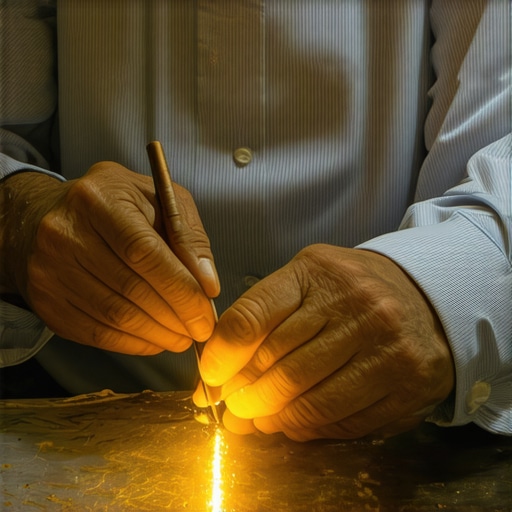
In a crowded market, where jewelry pieces can look similar, personalized engravings stand out. They add a unique touch that speaks directly to your customer’s story or sentiment. But here’s the catch—poorly executed engraving can do more harm than good. It might seem like a small detail, but it’s often the first thing people notice. When done by a professional, engraving becomes a mark of quality and trustworthiness. It shows you care about every detail, and that commitment resonates with customers looking for reliability and craftsmanship. Expert engraving techniques are proven to boost perceived value and trust, turning simple jewelry into treasured heirlooms.
Have You Faced This Problem?
If you’ve ever worried about your engraving looking amateurish or inconsistent, you’re not alone. Many jewelers and repair shops struggle with delivering flawless results, especially when they start out. That’s why partnering with skilled professionals can make all the difference. When I finally invested in expert engraving services, the results were night and day. My clients appreciated the precision and care, and my reputation grew because I could confidently offer high-quality, personalized pieces. If you’re ready to elevate your craft and make your customers trust your work even more, then understanding the value of expert engraving is the first step.
Remember, even small details like engraving can significantly impact how your jewelry is perceived and valued. Want to learn how to do it right? We’ll dive into practical tips and strategies that can help you get professional results every time. But first, let’s address some common doubts about the process and what really makes expert engraving worth investing in.
Choose Your Tools Wisely
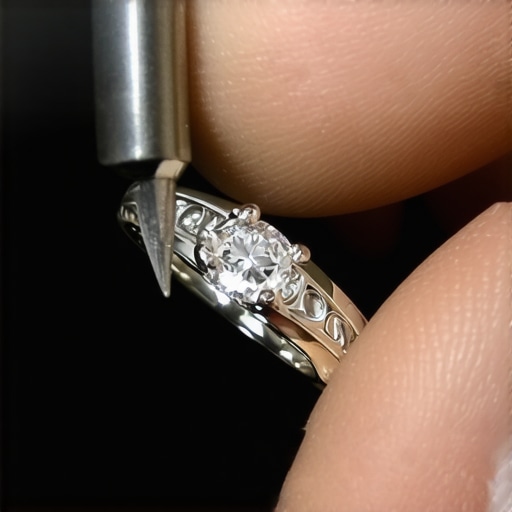
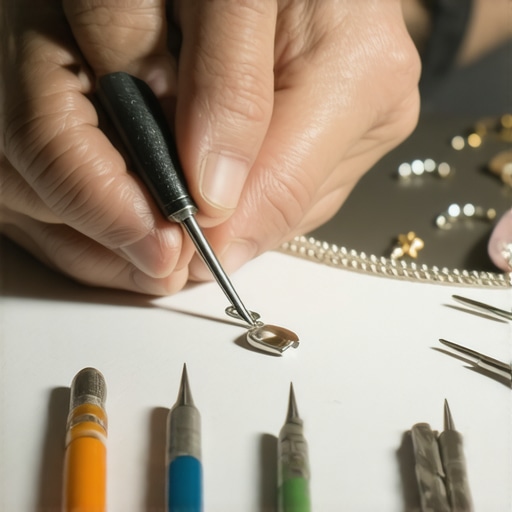
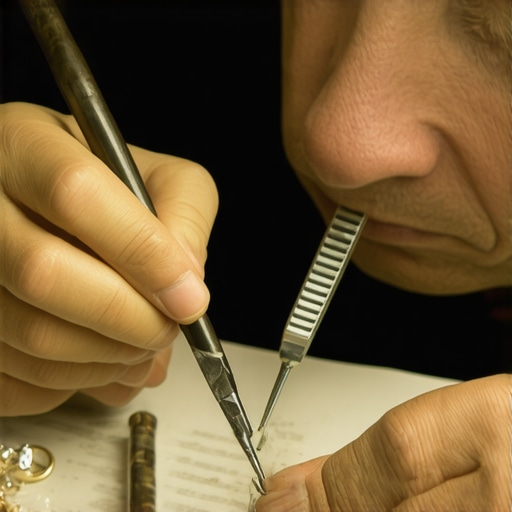
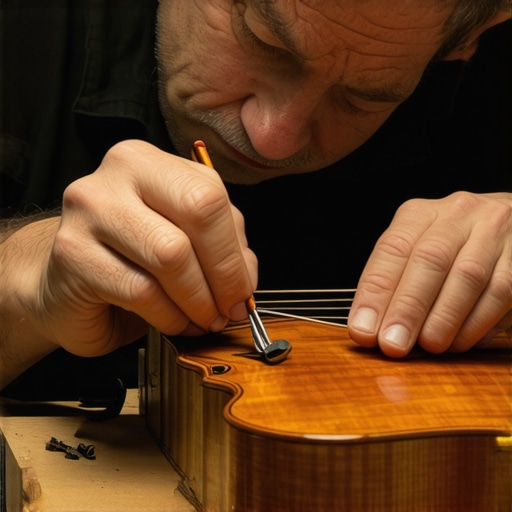
Start with the right engraving equipment. A professional-grade rotary tool or a laser engraver can make a significant difference. I remember the first time I used a handheld rotary engraver; it was messy, and the lines wobbled. But after practicing, I learned to control the pressure and speed, resulting in cleaner, more precise lines. For beginners, investing in a quality tool and practicing on scrap jewelry helps build confidence. Expert engraving techniques can transform your results from amateur to professional, boosting customer trust and perceived value.
Many jewelers and enthusiasts believe they know the essentials of appraisal, engraving, and repair, but beneath the surface lie misconceptions that can impact trust and quality. For example, a widespread myth is that all engraving tools produce similar results. In reality, expert engraving techniques emphasize the importance of high-quality tools and precise control to achieve consistent, flawless results. Using inexpensive equipment often leads to uneven lines and damage, which can erode customer confidence.
Another misconception is that jewelry appraisal is purely about assigning a monetary value. However, advanced appraisals involve a detailed analysis of craftsmanship, materials, and history—factors that influence trust and perceived value. According to industry experts, trust-building appraisals require meticulous attention to detail, not just a quick valuation.
Many assume that repair and restringing are straightforward tasks, but these processes carry hidden complexities. For instance, improper restringing can weaken the stringing material or damage the gemstone, reducing the piece’s longevity. To avoid this trap, consider expert restringing services that ensure lasting confidence and durability.
Have you ever fallen into this trap? Let me know in the comments.
Now, let’s address an advanced question: Why does understanding the nuances of material authenticity matter in high-end jewelry appraisal? Authenticity directly impacts valuation and trustworthiness. Recognizing subtle differences in metals or gemstones—like distinguishing between natural versus treated stones—can significantly alter the appraisal outcome. Studies show that expert evaluators who understand these nuances can boost client confidence and perceived value, making the process more transparent and trustworthy. For more insights, check out expert appraisal tips.
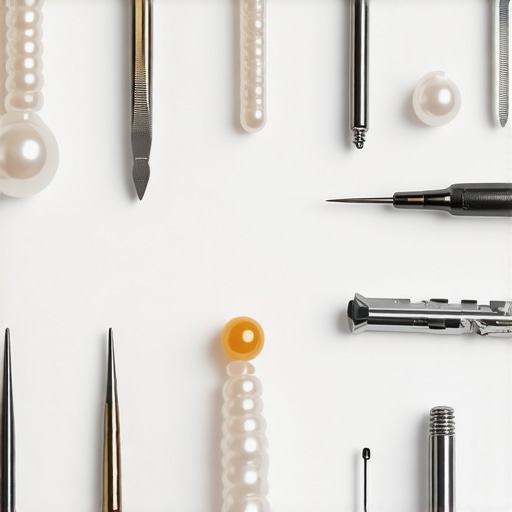
Keeping your jewelry tools in top shape is crucial for delivering consistent, professional results. Over time, even the best equipment can wear out or become less precise, impacting the quality of your work and your clients’ trust. I recommend investing in high-quality, durable tools and establishing a regular maintenance routine. For engraving, a Dremel 290 series rotary tool has been my go-to because of its versatility and control. Its variable speed settings allow for precise engraving and detail work, which is vital for producing flawless results. Additionally, a professional laser engraver can dramatically increase efficiency and precision, especially for intricate designs. I personally prefer the Epilog Zing 16 laser because of its reliability and fine detail capacity, essential for high-end custom pieces.
Beyond the tools themselves, maintaining your equipment is just as important. Regularly cleaning your rotary bits and laser lenses prevents dust and debris buildup, which can cause scratches or inconsistent engraving lines. Applying a light coat of lubricant to moving parts extends their lifespan and ensures smooth operation. For laser engravers, I follow the manufacturer’s recommended cleaning schedule and use specialized lens cleaning solutions to avoid damage. These small but vital steps help maintain the accuracy of your work and prevent costly repairs down the line.
Investing in quality tools and diligent maintenance also future-proofs your business. As technology advances, newer, more efficient equipment will emerge, but the foundation remains the same: well-maintained tools produce better results. I see a trend toward digital integration, where software upgrades enhance machine capabilities. Staying current with these updates, like using the latest versions of engraving software, can help you unlock new design possibilities and improve workflow efficiency.
How do I maintain my engraving equipment over time?
Establish a routine cleaning schedule after every use. Use soft brushes and appropriate cleaning solutions to remove dust from laser lenses and rotary bits, preventing scratches and ensuring clarity. Lubricate moving parts with manufacturer-approved oils to reduce wear and tear. Regular calibration checks are essential; a misaligned laser or rotary bit can lead to uneven engraving or damage. Lastly, keep your equipment covered and stored in a dry, dust-free environment to prolong its life and maintain precision. For more detailed tips on sustaining your tools, check out this comprehensive guide.
By investing in high-quality equipment and adhering to a diligent maintenance routine, you ensure that your craftsmanship remains impeccable. This not only boosts your confidence but also reassures your clients that you are committed to quality and longevity. Try implementing a scheduled cleaning and calibration system today and see how it transforms your workflow and results. Remember, well-maintained tools are the backbone of expert jewelry repair and engraving—make them a priority!
The Hardest Lesson I Learned About Jewelry Craftsmanship
One of the most eye-opening moments in my journey was realizing that perfecting jewelry engraving is an ongoing mastery, not a one-time skill. I once believed that acquiring a good engraver was enough, but I soon discovered that consistent practice, attention to detail, and understanding the nuances of different materials are what truly elevate your craftsmanship. This lesson taught me that investing in learning and refining your skills can dramatically impact your reputation and customer trust.
Why Cutting Corners on Tools Can Cost You Trust
Early in my career, I thought I could save money by using inexpensive engraving tools. The results were uneven lines and accidental scratches that damaged the pieces—and my credibility. I learned that high-quality tools like a professional laser engraver or a precision rotary tool are essential for flawless work. Proper tools, combined with diligent maintenance, ensure every engraved piece reflects your true craftsmanship and builds lasting trust.
Never Underestimate the Power of Material Knowledge
One of my lightbulb moments was understanding that knowing your materials deeply can make or break your results. Differentiating between natural and treated gemstones or between various metals influences how you approach engraving and appraisal. Enhancing your expertise in material authenticity not only boosts the quality of your work but also reassures clients that their jewelry is handled with utmost care. To deepen this knowledge, I recommend exploring appraisal and material analysis guides.
Prioritize Equipment Longevity for Consistent Results
The secret to maintaining high standards is regular upkeep of your tools. I learned that scheduling routine cleaning, calibration, and proper storage can extend the lifespan of your engraving equipment. For instance, cleaning the lenses of my laser engraver with a lens cleaning solution and lubricating rotary bits prevented many issues. When your tools perform optimally, your craft’s quality remains impeccable, and your clients’ trust grows stronger.
Invest in Continuous Learning and Innovation
The jewelry industry evolves rapidly, and so should your skills. I found that staying updated with new techniques, software upgrades, and innovative tools like the latest engraving technologies keeps my work fresh and competitive. Attending workshops and engaging with online communities accelerates growth and inspires creative ideas that can set your work apart.
Curated Gems for Your Crafting Arsenal
For those serious about elevating their jewelry craftsmanship, I recommend these essential resources:
1. Epilog Zing 16 Laser Engraver: Reliable and precise, perfect for detailed designs.
2. Dremel 290 Series Rotary Tool: Versatile for engraving and polishing.
3. “The Art of Engraving” by Peter Capstick: An inspiring book that deepens your understanding of engraving techniques.
These tools and books have personally transformed my approach, ensuring top-tier results and boosting customer confidence.
Take Action and Elevate Your Jewelry Craft
Remember, mastery in jewelry engraving and craftsmanship is a journey, not a destination. Every detail you refine adds to your reputation and creates a legacy of trust and quality. Don’t shy away from investing in good tools, continuous learning, and deep material knowledge—your clients will notice the difference. Now, it’s your turn: what’s one area in your jewelry craft you’re eager to improve? Share your thoughts below and start your journey toward expert craftsmanship today!
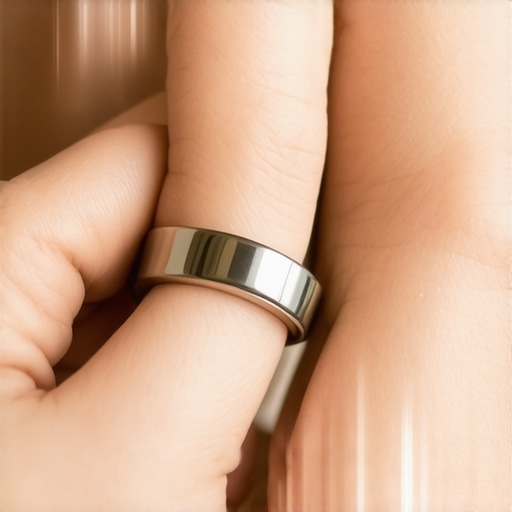
![3 Best Spots for a 2026 Fingerprint Engraving [Ring Guide]](https://jewelryfixpro.com/wp-content/uploads/2026/02/3-Best-Spots-for-a-2026-Fingerprint-Engraving-Ring-Guide.jpeg)