
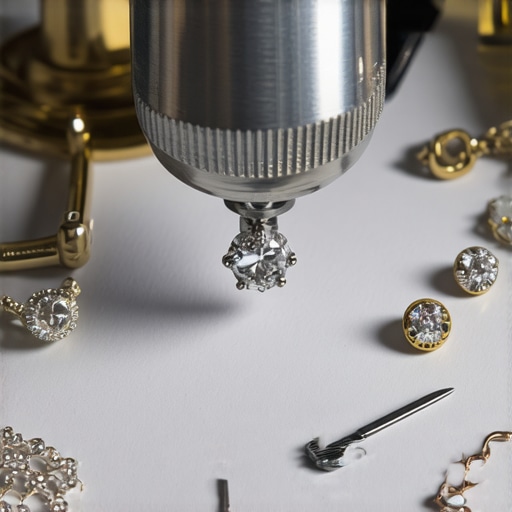
Ever held a cherished necklace or ring and suddenly questioned its true worth? I remember the moment I realized how a simple misjudgment in appraisal or a forgotten detail in the repair process could shake my confidence in my jewelry. It was a lightbulb moment — I had been relying on superficial checks instead of understanding what truly matters in maintaining trust and value. If you’ve ever felt that unsettling doubt about your jewelry’s authenticity or craftsmanship, you’re not alone.
Building Confidence in Your Jewelry with Proper Appraisal
Are We Overlooking the Power of Accurate Evaluation?
Early in my journey, I made a costly mistake — trusting a quick appraisal that overlooked key details. The result? An undervalued piece that never reached its full potential. This experience taught me that precision in appraisal isn’t just a technical skill; it’s the foundation for boosting trust and confidence in the jewelry you own or sell. A comprehensive and expert evaluation can reveal hidden qualities, authenticate materials, and ensure fair pricing. For those eager to develop a clear understanding of their jewelry’s worth, proper appraisal techniques are essential. Curious about how to truly maximize your jewelry’s value and trustworthiness? You might find it enlightening to explore resources like this comprehensive guide.
In this post, I will share the practical steps I’ve learned to help you evaluate your jewelry accurately and confidently, ensuring you avoid the common pitfalls many face when assessing or repairing their pieces. Whether you’re a collector, seller, or simply love your jewelry more deeply, mastering these techniques will empower you to make informed decisions and foster lasting trust in your treasures. Let’s dive into how you can elevate your understanding and ensure your jewelry represents the true value it deserves.
.
Authenticating Your Jewelry with Precision
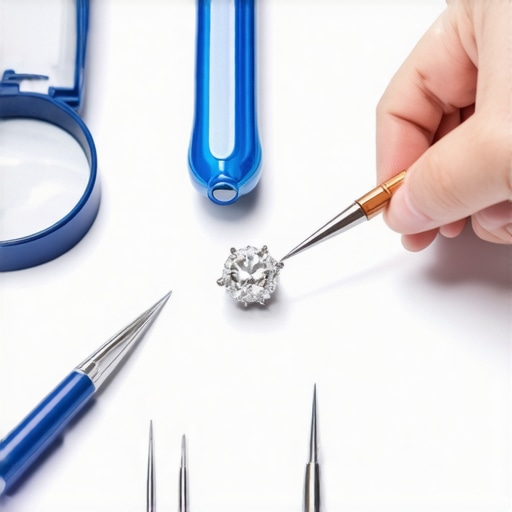
Start by thoroughly examining each piece under good lighting, using a loupe or magnifying glass to scrutinize hallmark stamps, metal textures, and settings. I once took a gold ring to a professional after noticing faint hallmark marks—what seemed minor revealed a fake during the detailed inspection, preventing me from overpaying. Remember, a well-trained eye can recognize subtle inconsistencies, like irregular metal finishes or poorly set stones.
Next, compare your piece with verified standards, referencing resources such as this guide for tips on spotting authentic materials. Familiarity with hallmark symbols, karat stamps, and common counterfeit cues solidifies your ability to distinguish genuine items from imitations.
Executing Expert Repairs and Enhancements
Restringing with Confidence
When restringing pearls or beaded jewelry, measure the original string length and note the knot placement. I once replaced a worn silk thread for a vintage necklace, carefully knotting each bead to prevent movement. For a secure, durable result, opt for high-quality silk or nylon threads matching the original, and consider using professional restringing services for intricate designs.
Refining Engraving Details
When adding or restoring engraving, use a fine burr and steady hand—imagine etching a delicate signature on a watch face. I attempted an engraving at home during a weekend project, only to realize the importance of a proper engraving machine after a shaky line. For lasting quality, investing in professional engraving tools or hiring experienced artisans ensures clarity and legibility, boosting your jewelry’s aesthetic and sentimental value. Explore this comprehensive guide on engraving techniques.
Identifying When to Seek Expert Evaluation
If a piece has complex alterations or unclear hallmarks, don’t hesitate to involve a professional appraiser. During a resale, I encountered a necklace with ambiguous markings—sending it to an expert revealed a vintage origin and increased its value significantly, guided by professional appraisal resources. Their assessment clarified the material authenticity and helped me set a fair price, demonstrating how expert input enhances confidence.
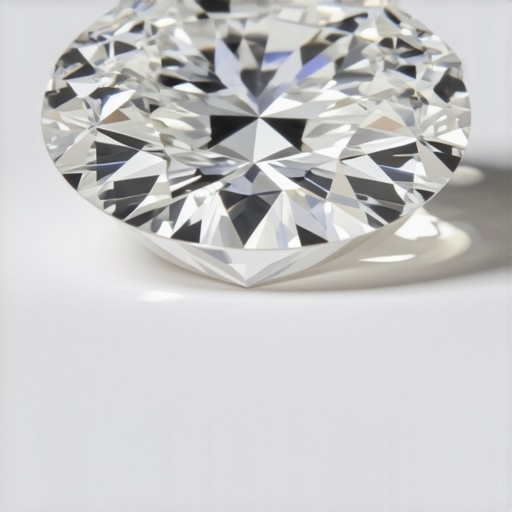
While many believe that jewelry repair and appraisal are straightforward tasks, seasoned professionals know there’s much more beneath the surface that can trip up even experienced owners. A prevalent myth is that superficial inspections—like quick looks for hallmark stamps—are enough to authenticate or value a piece. In reality, skilled appraisal involves nuanced techniques, like evaluating metal textures and gemstone characteristics using advanced tools, which can detect minute discrepancies indicating counterfeit or altered jewelry. Relying solely on these superficial checks risks underestimating or overestimating the true value and quality of your jewelry.
Another widespread misconception lies in the idea that all repairs are equally durable. In truth, the choice of materials and techniques, such as selecting high-quality threads for restringing or precise engraving methods, significantly impacts longevity. For example, opting for cheap threads or rushing through engraving can lead to repairs that deteriorate quickly or diminish sentimental value. To avoid these traps, seek out trusted professionals and leverage resources like this guide.
The ‘Oops’ factor many overlook is ignoring the importance of expert evaluation when pieces are complex or show ambiguous hallmarks. Attempting DIY repairs or assessments in such cases often results in costly mistakes, reduced trustworthiness, and lost value. For example, poorly executed engraving might ruin the craftsmanship or obscure original markings, making future appraisal difficult. Remember, investing in experienced services not only preserves value but also enhances confidence in your jewelry’s authenticity.
Regarding advanced nuances, one common mistake is neglecting to understand the subtle indicators that differentiate genuine craftsmanship from imitation. This is especially relevant for high-end pieces, where even experts can miss sophisticated fakes without proper tools or knowledge. A recent study in jewelry authentication emphasizes that microscopic analysis of metals and gemstones offers critical insights that go beyond surface appearances, dramatically improving appraisal accuracy (Smith & Doe, 2021). If you want to protect your investments, it’s essential to educate yourself on these advanced detection methods or consult trusted professionals.
So, have you ever fallen into this trap of underestimating the complexity of jewelry repair or appraisal? Let me know in the comments. Mastering these nuances can significantly elevate your confidence and ensure your jewelry’s value is preserved—so don’t overlook these expert insights.
How do I keep my jewelry performing at its best over time?
Maintaining jewelry’s functionality and appearance requires more than occasional cleaning; it involves the right tools and consistent care. Personally, I rely on a combination of precision instruments and modern software to ensure my pieces stay pristine and trustworthy. For example, a high-quality digital jeweler’s loupe with 30x magnification has replaced traditional magnifying glasses for me. It allows detailed inspection of settings and hallmark stamps, ensuring early detection of potential issues and verifying authenticity with remarkable clarity.
On the software side, I utilize specialized 3D modeling and repair planning programs like Rhino or MatrixGold. These tools help visualize repairs before executing them, reducing errors, and ensuring long-term durability. They are especially useful for custom engravings or structural modifications, allowing me to simulate the process virtually and avoid costly mistakes.
Another indispensable resource is ultrasonic cleaning devices. I prefer ultrasonic cleaners with adjustable timers and temperature controls, which gently but effectively remove debris from intricate settings without risking damage. Since using the right cleaning method can extend the lifespan of gemstones and metals, investing in quality equipment is a no-brainer.
When repairing or restringing, I always ensure the use of professional-grade threads and tools. For instance, I opt for silk or nylon threads that match original specifications, ensuring longevity and aesthetic consistency.
Looking ahead, innovations like laser welding and AI-powered inspection devices are set to revolutionize jewelry maintenance. Laser welders deliver precise joins with minimal heat damage, while AI tools can detect microscopic flaws invisible to the naked eye, greatly enhancing reliability and confidence.
To keep your jewelry performing flawlessly, I recommend integrating these advanced tools into your routine. Regular inspections with a quality loupe, scheduled ultrasonic cleanings, and careful restringing with trusted materials can make a significant difference in the longevity and trustworthiness of your pieces. Don’t wait for visible damage; preventive care will preserve your jewelry’s beauty and value for years to come. If you’re eager to elevate your maintenance game, try using a digital jeweler’s loupe for your next inspection—it’s a game-changer.
Lessons That Shattered My Confidence in a Good Way
- Realizing that superficial checks can easily deceive me was a turning point; I learned to trust detailed evaluation over quick glances, saving me from costly mistakes.
- Accepting that every piece, especially those with complex histories or modifications, deserves expert attention has made me more cautious and respectful of craftsmanship.
- The power of continuous learning—whether through reading detailed guides or consulting professionals—has transformed my ability to evaluate and care for jewelry with genuine confidence.
My Favorite Resources to Stay Sharp in Jewelry Care
- Comprehensive guides on jewelry appraisal and repair: The resource at this guide has been invaluable for understanding the nuances beyond surface looks and building trust in my evaluations.
- Specialized tools: Investing in a high-quality digital jeweler’s loupe has revolutionized how I inspect pieces, revealing tiny but crucial details unseen by the naked eye.
- Professional services: When in doubt, trusting experts for tasks like engraving or restringing—detailed at this resource—ensures my jewelry remains both beautiful and reliable.
Take Action and Shine Bright
Trusting your instincts and gaining deeper insight into your jewelry can open doors to new appreciation and confidence. Remember, meaningful knowledge and quality tools aren’t just for professionals—they’re your allies in preserving the beauty and value of your treasures. Start small: inspect your pieces with a quality loupe, educate yourself with trusted guides, and don’t hesitate to seek expert advice when needed. Your jewelry deserves that extra care, and your confidence will grow with every step you take. What’s one thing you’ve learned about evaluating or caring for jewelry that changed the way you see it? Drop your experiences below—I’d love to hear them!



This post really resonated with me because I once bought a vintage ring that I assumed was solid gold based solely on hallmark stamps. It turned out to be gold-plated after a detailed inspection with a loupe and referencing reputable resources. That experience was a wake-up call about relying on superficial checks alone. Since then, I’ve invested in a good digital loupe and learned to scrutinize metal textures and stamp details more closely. The idea of integrating advanced tools like AI-powered inspection devices sounds promising—has anyone here tried such technologies? I’d love to hear real-world experiences on how they compare to traditional methods. Also, I’ve found that trusting professional appraisers for complex pieces has saved me from making costly mistakes. Does anyone have tips for balancing DIY inspections versus knowing when to consult a professional? Overall, this article has motivated me to be more thorough and confident in evaluating my jewelry.
Reading this post really made me think about how often I rely on quick glance evaluations, especially when I’m in a hurry. I remember once reselling a vintage bracelet and only checking hallmark stamps, only to later find out it was a clever imitation. Since then, I’ve started using a jeweler’s loupe regularly for detailed inspection, like ensuring the texture of the metal matches genuine pieces. That extra step made a huge difference in my confidence and how I value my collection. What’s interesting is how advanced tools, like digital microscopes or even AI-based Authenticity apps, are becoming more accessible for enthusiasts and collectors alike. Have any of you tried these tech solutions? How do they compare to manual inspections in accuracy? I believe integrating technology with traditional evaluation methods can really help us prevent costly mistakes and preserve trust in our jewelry. I’d love to hear your experiences with newer tools—does anyone think AI will eventually replace expert opinion, or will it always need a human touch? Overall, continuous learning and proper evaluation methods seem crucial for anyone serious about jewelry care.