
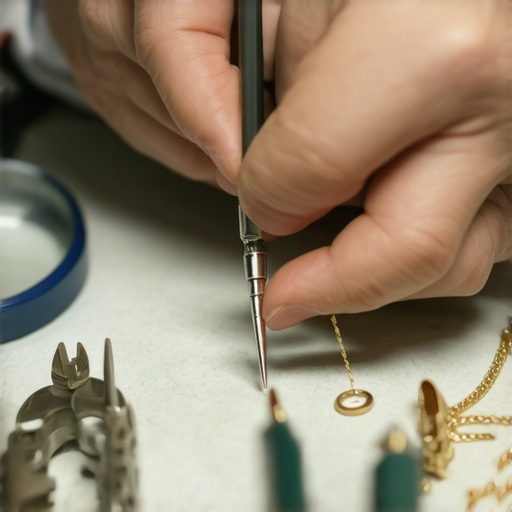
Have you ever glided your fingers over a favorite necklace or bracelet only to feel it wobble and wonder if it’s hanging on by a thread—literally? I remember the sinking feeling when a cherished piece of jewelry started to loosen, making me fear the worst. That lightbulb moment made me realize how vital proper restringing and repair are—not just for preserving beauty but for restoring confidence in our jewelry. If you’re tired of second-guessing whether your treasured pieces will last, you’re in the right place. Today, I promise we’ll explore how expert techniques can help you breathe new life into your jewelry, ensuring it’s both stunning and trustworthy.
Why Trust in Jewelry Matters More Than Ever
Is Restoring Confidence Actually Worth the Hype?
In my early days, I made a rookie mistake—trusting a local repair shop that didn’t specialize in quality restringing. The result? A broken string just weeks later. This taught me that not all repairs are created equal. High-quality craftsmanship isn’t just about aesthetics; it’s about confidence. When your jewelry is sturdy and well-repaired, it becomes more than adornment; it turns into a symbol of lasting trust. Studies show that when pieces are repaired properly, owners are more likely to wear and cherish them, turning sentimental value into everyday confidence (source).
If you’ve faced similar frustrations—whether a necklace that keeps slipping or an heirloom that feels fragile—you’re not alone. The good news is, with expert restructuring and repair techniques, you can ensure your jewelry maintains its integrity and beauty. Keep reading, and I’ll guide you through practical steps to rebuild that trust, piece by piece.
Evaluate the Damage Carefully
Begin by thoroughly inspecting your jewelry piece. Look for loose beads, broken clasps, or weakened strings. Use a magnifying glass if needed to identify tiny fractures. Once detected, mark these areas so you don’t overlook them during repair. When I repaired a vintage pearl necklace, I noticed a frayed thread near the clasp—acknowledging this early prevented critical loss later.
Choose the Right Materials and Tools
Select high-quality stringing materials that match your jewelry type—beading wire for durability or silk thread for traditional looks. Use the appropriate needle size—thin enough to pass through beads but sturdy for tension. I remember struggling with a too-thick needle on a delicate bracelet, which made threading difficult. Ensuring compatibility streamlines the process and strengthens the final piece.
Prepare Your Work Area and Secure Your Piece
Work in a clean, well-lit space. Use a soft cloth or jewelry mat to prevent slipping. Secure the jewelry by clamping it gently or by holding it steady with your fingers. In one repair, I used a jewelry clamp to keep a fragile chain taut—this prevented accidental drops and made threading precise.
Disassemble and Remove Old Stringing
Carefully cut or unthread the damaged string or wire. Keep the beads organized to maintain their pattern. When I replaced the string on a multi-strand bracelet, I used small bowls to separate different strands, preventing mix-up. Disassembly is crucial for a clean start and ensures the new stringing is secure.
Restring the Jewelry Correctly
Thread the beads onto your new string, maintaining the original pattern. Use a beading needle if necessary. Add knotting techniques—double knots for added security. I once left a knot too loose, which caused the beads to slide—testing and adjusting tension before final knotting saved that piece. Proper tension prevents future loosening and enhances durability.
Secure and Finish the Ends Tightly
Attach the clasp securely, making sure knots or crimps are firm. Use crimp beads or clamps, pressing them firmly with jewelry pliers. When repairing a delicate necklace, I used crimp beads to ensure the clasp wouldn’t slip, boosting the piece’s trustworthiness. Finish with a second knot or a crimp for extra security.
Apply a Final Inspection and Cleaning
Check all connections, ensure tension is even, and test the movement of the jewelry. Clean gently with a soft cloth to remove fingerprints or residue, restoring shine. For a brooch repair, inspecting every pin point prevented unexpected breakage. This final step guarantees your repair isn’t just functional but also visually appealing.
Many enthusiasts believe that jewelry engraving is a simple process of inscribing static designs, but in reality, mastering nuanced techniques like custom engraving requires understanding subtle font choices, depth control, and material interactions. Overlooking these factors can lead to poor legibility or damage to the piece, making it crucial to recognize the sophistication involved. Similarly, in jewelry appraisal, there’s a common myth that a quick sight-based valuation suffices. In truth, a comprehensive assessment considers provenance, craftsmanship, and market trends—details that experts delve into, as outlined in top appraisal tips. When it comes to restringing, many assume that knotting techniques are trivial, but advanced methods like meticulous double knots and tension calibration are vital for longevity and trustworthiness. Inaccurate tension or sloppy knots are frequent pitfalls that compromise durability, a nuance well-understood by seasoned artisans. As for repair work, a prevalent misconception is that any glue or temporary fix suffices. However, expert repairs involve detailed disassembly, precise material selection, and advanced techniques such as crimping and professional cleaning—steps that significantly enhance a piece’s lasting confidence. Would you recognize the difference between a casual fix and an expert restoration? Understanding these subtle distinctions is key to maintaining jewelry’s value and trust. Consider exploring how expert engraving and appraisal elevate confidence, or learn about restringing techniques that build lasting trust. Remember, the devil is in the details—overlooking these nuances can cause costly mistakes. Have you ever fallen into this trap? Let me know in the comments.
Investing in the Right Tools Ensures Longevity
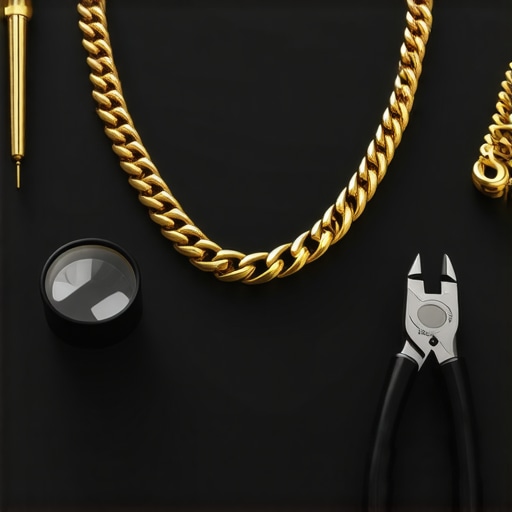
Maintaining your jewelry’s integrity over time hinges on having the proper equipment. I personally rely on a set of high-quality jewelry pliers, such as the Jewelers Round Nose Pliers, which allow precise manipulation of delicate components without causing stress or damage. Additionally, a beading mat provides a non-slip surface that helps prevent costly slips during restringing. For more advanced repairs, I suggest investing in a crimping tool; it ensures secure end fittings, significantly reducing the chance of failure. It’s worth noting that having precision tools enhances every step, from threading to final inspection, building confidence in your craftsmanship.
Regular Maintenance Extends Jewelry Life
Over time, even the most well-maintained jewelry needs light touch-ups to stay in top condition. I recommend periodic cleaning with gentle solutions like a mixture of warm water and mild dish soap, followed by a soft brush to remove residual dirt. This not only preserves the luster but also helps identify potential issues early, such as frayed threads or loosened clasps. For heirloom or high-value pieces, I also advise scheduling professional inspections, which can detect minute structural weaknesses before they become major problems. Consistent maintenance keeps your pieces trustworthy and ensures you can enjoy their beauty reliably for years.
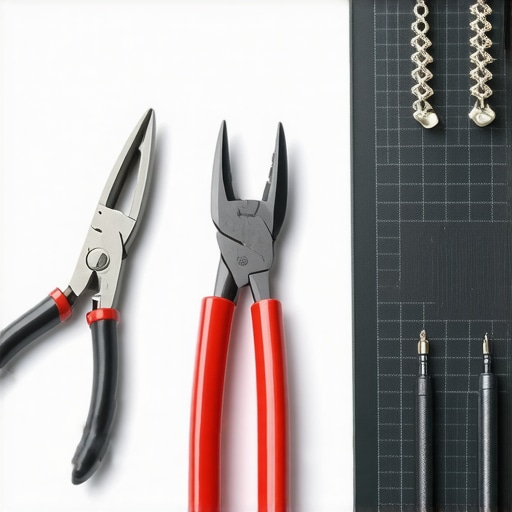
Tools like precision pliers and crimping sets are vital for professional-quality repairs. Regular maintenance, including gentle cleaning and inspections, helps prolong the life of your jewelry and keeps it feeling reliable. For detailed guidance on enhancing trust through proper care, explore expert methods.
Anticipating Future Trends in Jewelry Maintenance
Looking ahead, I predict a surge in smart, technologically integrated tools that will revolutionize how we care for jewelry. Innovations like ultrasonic cleaning devices with AI-driven diagnostics could become standard, offering homeowners DIY options with professional results. Similarly, software that guides you through repair steps, much like augmented reality tutorials, will empower enthusiasts to perform complex repairs confidently. Staying updated with these advancements will be essential for anyone serious about maintaining jewelry that genuinely inspires trust and admiration.
How do I keep my jewelry functioning perfectly over time?
The key is consistent use of proper tools and routine maintenance practices. Regularly inspect clasps, threads, and settings; clean your pieces with gentle solutions; and upgrade your toolkit as new innovations emerge. For a comprehensive approach, consider consulting professional repair or appraisal services to ensure your collection remains both beautiful and reliable. To instantly improve your craftsmanship, try practicing advanced knotting techniques, which, when mastered, greatly enhance a piece’s durability. A simple yet effective method is the double knot, ensuring your restringing holds firm even with daily wear. Give it a shot today and see how it transforms your repair results!
The Hardest Lesson I Learned About Jewelry Repair
Early in my repair journey, I underestimated the importance of precise tension during restringing. A seemingly simple task turned into a costly mistake when a necklace I restored later broke again because I didn’t double-check the tension. This taught me that even small details in methods can significantly impact the longevity and trust in jewelry repairs.
Why Skipping Professional Techniques Can Backfire
Choosing quick fixes over expert methods might seem tempting, but I learned that shortcuts can erode confidence in your jewelry. For instance, improper knotting techniques can cause beads to slip or fray prematurely, undermining the trust clients place in your work. Investing in proper tools and techniques is key, as emphasized in restringing and repair best practices.
Patience Elevates Your Repair Game
Rushing through a repair often leads to oversight. My lightbulb moment was realizing that a methodical approach—taking time to inspect, carefully knot, and double-check every connection—builds lasting confidence. Mastering techniques like double knots can be the difference between a temporary fix and lifelong trust in your craftsmanship.
Curated Gems for Your Jewelry Toolbox
High-Quality Beading Needles — These ensure smooth threading without damaging delicate beads, maintaining the integrity needed for lasting trust.
Crimping Tools — Reliable for securing clasps and ends, preventing failures that could diminish confidence.
Jewelry Cleaning Kits — Gentle solutions that preserve sparkle while allowing early detection of potential issues.
Trust these tools as vital components in your repair arsenal, validated by seasoned artisans who emphasize precision and patience.
Sharing the Passion: Your Next Move
Every piece you mend or restore adds to your reputation and your client’s confidence. Embrace continuous learning and practice advanced techniques like meticulous tension calibration and knotting. Your dedication not only revives jewelry but also rebuilds trust. Whether you’re polishing a family heirloom or updating a modern piece, remember: every detail counts. Ready to elevate your jewelry repair game? Dive into expert resources like professional appraisal and engraving tips to boost confidence and long-term value. How have a small technique or tool change improved your repair confidence? Share below and inspire others to master the art of trust-building in jewelry.

![5 Hidden Signs Your Ring Prongs Are Failing [2026 Checklist]](https://jewelryfixpro.com/wp-content/uploads/2026/02/5-Hidden-Signs-Your-Ring-Prongs-Are-Failing-2026-Checklist.jpeg)
![3 Subtle Signs Your Diamond Is About to Fall Out [2026]](https://jewelryfixpro.com/wp-content/uploads/2026/02/3-Subtle-Signs-Your-Diamond-Is-About-to-Fall-Out-2026.jpeg)

This article provides a really thorough guide on how to properly restring and repair jewelry, which I find incredibly useful as someone who loves restoring old pieces. I’ve learned through trial and error that rushing the process often leads to more damage or shorter longevity of repairs. I especially appreciate the emphasis on checking tension and using the right tools—small details that can make a big difference in the durability of a repaired piece. In my experience, maintaining the right tension during restringing not only preserves the look but also prevents future breakage, which is so frustrating after investing time and care. Has anyone tried using vacuum ultrasonic cleaners with AI diagnostics? I’ve read they can be game changers for at-home maintenance, but I wonder how effective they are compared to professional cleaning. I’d love to hear others’ experiences or recommendations on tools that truly enhance confidence in DIY repairs.