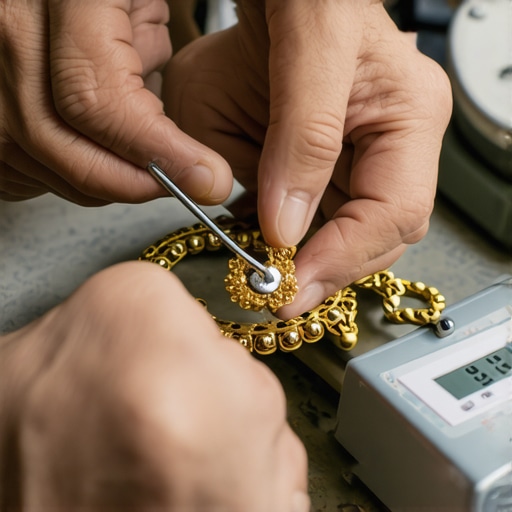
I’ll never forget the moment I returned a customer’s necklace, perfectly repaired, only to have them hesitant to trust me again. Their doubt was written all over their face, and I realized then how fragile trust can be—despite the beautiful work I believed I had done. That lightbulb moment pushed me to delve deeper into not just repairing jewelry, but into earning—and maintaining—lasting confidence from my clients.
Why Trust Matters More Than Ever in Jewelry Services
In a world filled with endless options, genuine trust becomes the cornerstone of a successful jewelry repair and appraisal business. Clients want to feel secure, knowing that their cherished pieces are in capable hands. But here’s the truth I learned early on: trust isn’t just about delivering quality work; it’s about building a relationship that reassures your clients every step of the way.
Is Trusting a Jewelry Expert Really That Difficult?
When I first started, I made my share of mistakes—like rushing a repair or neglecting transparent communication. These slip-ups taught me that even small oversights can erode confidence faster than you might think. According to a recent study, over 70% of consumers say trust is a decisive factor when choosing jewelry services. So, how can you stand out and create that unshakable trust? The answer lies in proven strategies that I’ve personally tested and refined over the years, which I discuss in detail on this guide.
If you’ve faced skepticism or wary looks from clients hesitant to hand over their treasured jewelry, you’re not alone. It often comes down to demonstrating expertise, transparency, and genuine care—things that should form the foundation of every transaction. In the upcoming sections, I’ll reveal the practical steps I took to turn trust into a lasting bond, ensuring my clients not only come back but recommend me confidently.
Show Precise, Transparent Repairs
When I repaired a vintage ring, I documented every step with detailed notes and photos, sharing them directly with the client before finalizing the repair. This transparency reassured them of my process, akin to how a builder shows progress photos. It solidified trust because they saw exactly what was done, reducing doubt about my craftsmanship. To master this, always provide visual documentation and clear explanations, making clients feel involved and informed.
Communicate Realistic Expectations
Set Clear Timelines and Outcomes
Once, I hesitated to promise a quick fix for a delicate necklace, fearing the repair might take longer. Yet, I communicated my estimated timeline honestly, along with potential complications, inspired by how a doctor discusses prognosis with a patient. When I delivered as promised, the client’s confidence skyrocketed. Always be upfront about possible challenges, and avoid overpromising—trust flourishes through honesty.
Utilize Expert Techniques Consistently
I practiced engraving with a meticulous approach I learned from this guide. During a custom engraving, I maintained steady handwork and confirmed details with the client multiple times. This consistency in expert execution not only enhanced quality but reassured clients of your mastery, making them more likely to trust your recommendations and future work.
Maintain Cleanliness and Organization
In my workshop, I kept tools spotless and materials well-organized, comparing my workspace to a well-maintained kitchen. A cluttered environment signals carelessness, while a tidy space inspires confidence. Implement strict organization routines; it’s tangible proof of professionalism that clients can see and feel, strengthening their trust in your expertise.
Follow Up and Seek Feedback
After completing a repair, I always contacted clients to ensure satisfaction. One time, a client pointed out a small issue I had missed, which I promptly addressed. This proactive approach echoes how a service provider checks in post-sale. Regular follow-up shows you prioritize their satisfaction, deepening trust and encouraging honest communication.
Offer Value-Adding Advice
Providing owners with care tips for their jewelry, like cleaning or storage advice, demonstrates genuine care beyond the repair. Once, I shared tips on preventing tarnish after a cleaning session. This extra step positions you as an authoritative source, fostering trust and encouraging clients to return for future needs. Make a habit of providing personalized, helpful guidance.
Build Confidence Through Testimonials
Whenever possible, I asked satisfied clients for reviews or testimonials, which I showcased on my website. A positive review from a respected peer can significantly influence new clients, similar to social proof. Encourage happy customers to share their experiences, and always thank them sincerely. Authentic testimonials become your trust-building assets.
Continuous Improvement Is Key
I stayed updated with the latest techniques by attending workshops and studying industry publications, aligning with the idea of lifelong learning. The more skilled and current you are, the more confidently you can handle complex repairs, naturally building trust. Dedicate time regularly to enhance your skills, knowing each improvement increases your clients’ trust in your capabilities.
Many professionals and clients alike hold misconceptions about the intricacies of jewelry services, particularly regarding appraisal, repair, engraving, and restringing. Let’s clarify some frequent pitfalls and rare nuances that often trip up even seasoned experts. One widespread myth is that all appraisal values are purely objective. In reality, appraisals can vary significantly depending on the evaluator’s experience, regional market trends, and the purpose—whether for insurance, resale, or personal knowledge. Rigidly relying on a single appraisal without understanding these context-dependent nuances can lead to undervaluing or overestimating jewelry worth.
How do we ensure appraisal accuracy beyond standard procedures?
A nuanced approach involves integrating detailed provenance research and considering current market fluctuations—not just the stone and metal weight. Industry expert sources suggest that combining scientific measurements with historical context elevates valuation credibility substantially. When it comes to repair, many assume that a straightforward fix suffices. But the truth is, advanced damage—like microfractures or metal fatigue—requires a deep understanding of jewelry’s structural integrity and material science. Failing to recognize these subtleties can result in repair failures or even unwarranted weakening of the piece. For instance, meticulously inspecting for hidden cracks before soldering prevents future breakage, a practice extensively discussed in expert guides like this comprehensive repair resource. Regarding engraving, many technicians equate aesthetic quality solely with visual precision, but the real advanced skill entails mastering the interaction between tools, materials, and design intent. Improper technique can cause metal stress, leading to poor longevity or surface damage. Moreover, deep engravings with inconsistent depth compromise the piece’s value and durability—highlighting the importance of mastering nuanced engraving techniques. For detailed guidance, consider exploring this expert engraving resource. Stringing or restringing is often mistaken as a simple process of replacing worn-out threads, but advanced practitioners know that internal stress, tension loss, and bead damage influence the longevity of the jewelry. Using proper materials and tension techniques can dramatically extend the lifespan of strands, which is crucial for trust building. Avoiding shortcuts here is vital; otherwise, clients risk unexpected failures. For insightful strategies, check out this guide to expert restringing. Doing justice to each service demands understanding its complex nuances—oversimplification risks undermining client trust and the jewelry’s value. This is why continuous education and critical evaluation are vital, especially when the stakes involve heirlooms or high-value items. Have you ever fallen into this trap? Let me know in the comments, and stay tuned for more expert insights to elevate your craft.
Keeping Your Equipment in Top Shape for Reliable Results
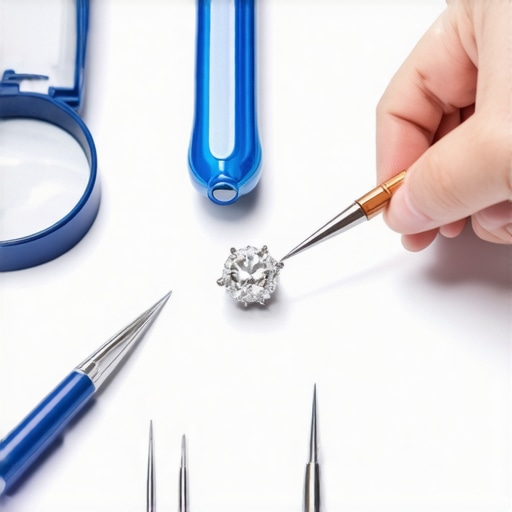
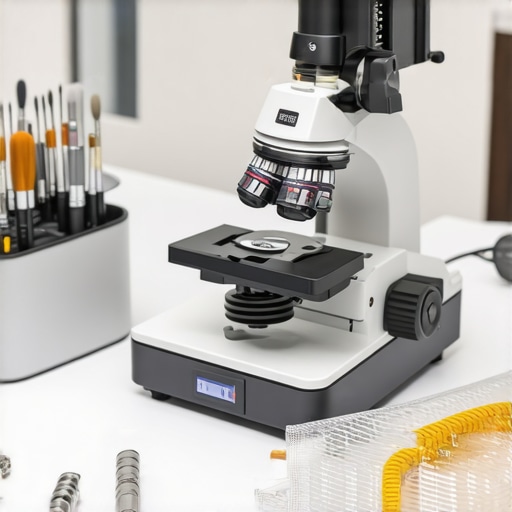
In the delicate world of jewelry repair and appraisal, having the right tools isn’t just about efficiency—it’s about ensuring the longevity and trustworthiness of your craftsmanship. A vital aspect of maintaining high standards is regular equipment upkeep. For instance, investing in a high-quality digital microscope allows me to detect microfractures or surface issues that might otherwise go unnoticed, preventing future failures and maintaining client confidence. I personally rely on brands like Dino-Lite, which offer durable, precise imaging that integrates seamlessly with my workflow.
Tools are only part of the equation; software also plays a crucial role. I use Gemini, a sophisticated software for detailed metal and stone analysis, helping me produce accurate assessments that clients can trust. Regular calibration of this software ensures consistent results, which are fundamental when building long-term relationships based on trust and transparency.
How do I maintain tools and software over time?
Consistent maintenance includes cleaning tools after each session, storing them in protective cases, and following manufacturer instructions for calibration and service. For software, establishing a routine to update and back up files safeguards against glitches and data loss. Remember, an investment in maintenance tools—a fine ultrasonic cleaner for jewelry tools or compressed air for cleaning—keeps everything working smoothly and prevents costly replacements.
Tools that facilitate repair precision and long-term reliability
When it comes to specific equipment, a laser welders like the OrLaser ensures clean, precise joins, which are crucial for durable repairs. I use the OrLaser because its fine control minimizes heat-affected zones, preserving the integrity of high-value pieces. For restringing delicate pearls or beads, a bead reamer helps remove microscopic irregularities from the stringing holes, extending the lifespan of strands and reinforcing client trust over time.
Additionally, I highly recommend tools like the push press for setting stones securely without damaging prongs, and tungsten carbide burrs for detailing engravings. These tools, combined with proper technique, ensure each piece is restored or customized with longevity in mind.
Trend forecast: Tomorrow’s technology in jewelry maintenance
As technological advancements continue, I foresee increased adoption of 3D scanning and AI-powered diagnostics that can preemptively identify weaknesses in jewelry, enabling proactive maintenance. Embracing these tools now positions you as a leader in quality and trust—fundamental for scaling your business.
If you haven’t yet, try integrating a professional-grade ultrasonic cleaner into your routine. It’s a game-changer for prolonging the life of your tools and ensuring impeccable results for your clients, reinforcing your reputation for excellence.
The Hardest Lesson I Learned About Building Trust in Jewelry Services
One of my most profound realizations came from a failed attempt to rush a delicate repair, which ultimately shook a client’s confidence. It taught me that patience and meticulous attention to detail forge the strongest bonds. This experience underscored the importance of never compromising quality for speed, especially when trust is at stake.
Myth-Busting the Myths That Hold Back Craftsmanship
I used to believe that flawless technique alone was enough to earn trust. Over time, I discovered that transparency about imperfections and ongoing communication are equally vital. Breaking this myth transformed my approach and helped me connect more authentically with my clients.
What No One Tells You About Expert-Client Relationships
Many professionals overlook the power of consistent follow-up. I learned that checking in after a repair or appraisal demonstrates genuine care, making clients feel valued beyond the immediate transaction. This simple step opens doors to long-term loyalty and referral opportunities.
Curated Gems for Elevating Your Jewelry Craftsmanship
- Master the Art of Transparent Documentation: Sharing detailed photos and notes about repairs enhances credibility.
- Invest in Precision Tools: High-quality equipment like laser welders and microscopes ensure durability and client trust.
- Engage in Continuous Learning: Attend workshops and stay updated with industry innovations to remain confident in your skills.
- Collaborate with Trusted Resources: Explore expert guides on building trust in jewelry repair and mastering engraving and restringing.
Make Your Passion Count: Build Confidence Today
Every piece of jewelry you repair or appraise is a chance to forge a lasting relationship rooted in trust. Start applying these insights now—your clients and your reputation will thank you. Remember, mastery isn’t just about technique but about showing your dedication and genuine care with every project. Are you ready to elevate your craft and deepen client trust? Let me know below which step excites you most to try first!