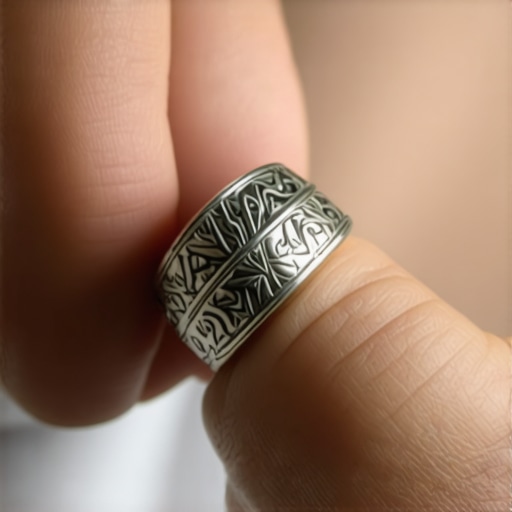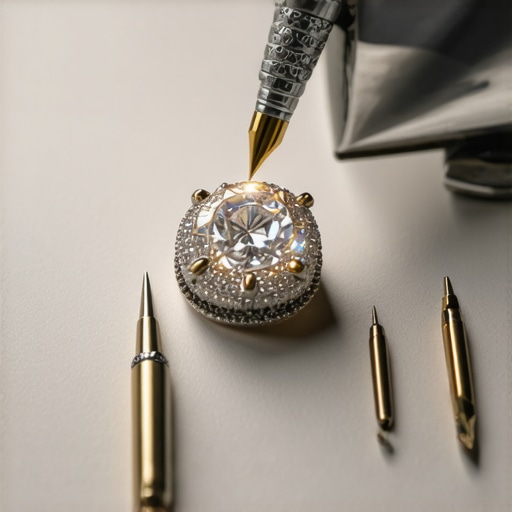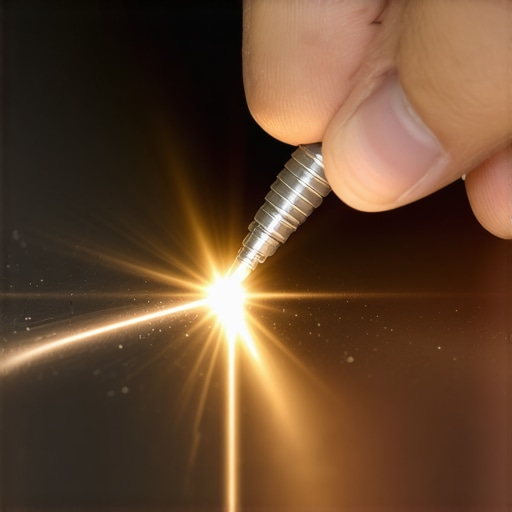
Ever spent hours trying to etch a tiny, intricate design onto a piece of jewelry, only for it to come out uneven or blurred? I’ve been there—frustrated, pushing my loupe closer and closer, hoping to find that perfect detail. The lightbulb moment for me was realizing that, despite my years of hand engraving experience, some details just wouldn’t come out crisply without the help of advanced technology. That’s when I discovered how laser engraving has revolutionized precision work in 2026.
Discovering the Power of Laser in Jewelry Engraving
This realization wasn’t just a happy accident; it’s a game-changer for anyone serious about craftsmanship. The truth is, hand engraving has a charm and artisanal value—nothing beats the personal touch. But when it comes to minute details, complex patterns, or replicable quality, laser technologies are far superior. The difference in sharpness and consistency can be astonishing, turning what used to take hours into minutes with perfect precision. As [Jewelry Fix Pro](https://jewelryfixpro.com/enhance-jewelry-confidence-with-custom-engraving-restringing) points out, modern engraving techniques dramatically boost a piece’s clarity and trustworthiness. This isn’t about replacing skill—it’s about complementing it for better results.
What You Harmfully Believe About Laser vs Hand Engraving
In my early days, I made the mistake of thinking that laser engraving was purely for mass production, cheapening the craftsmanship aspect of jewelry. I feared it would strip away the artistry I cherished. But after a few experiments, I realized laser engraving can be as artistic and personalized as traditional methods—it’s simply a different tool. My early misconception limited my potential and delayed my ability to deliver precise, detailed work that clients now rave about. Have you ever hesitated to embrace new technology out of fear it might diminish your skill? You’re not alone. But understanding the true power of laser engraving helps you harness its full potential for truly stunning results.
Now that we’ve set the stage, let’s explore how you can confidently incorporate laser engraving into your craft—so your work stands out for its unmatched detail and clarity.
,
Preparing Your Workspace for Precision
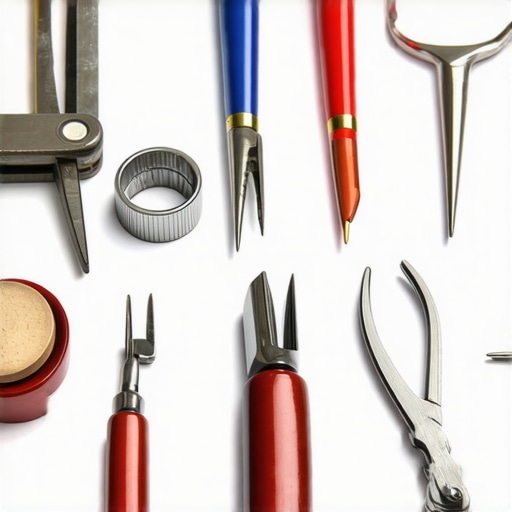
Start by setting up a well-lit, dust-free area with a sturdy workbench to ensure stability. Wear protective gear like goggles to safeguard your eyes from laser light. Before initiating any project, organize your tools: calibration grids, cleaning supplies, and your laser machine’s manual.
Selecting the Right Design and Material
Choose a design that suits the jewelry piece, considering size and detail complexity. Use vector graphics software to create or refine your pattern. For materials, ensure your jewelry’s surface is clean—use a gentle solvent to remove oils or residues—much like preparing a canvas before painting.
Configuring the Laser for Optimal Results
Adjust Power, Speed, and Frequency
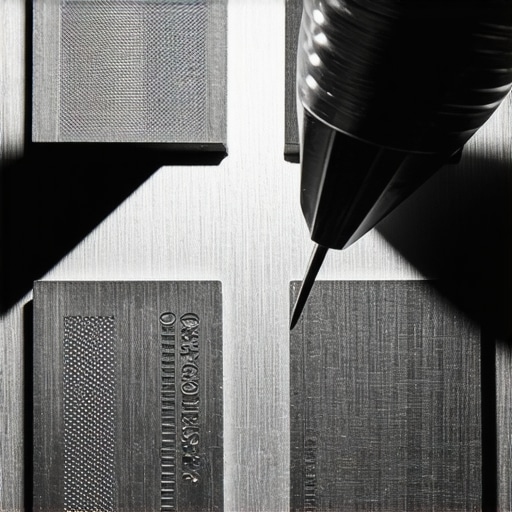
Set the laser’s power to a medium level for delicate engravings, then tweak speed to prevent overburning. For intricate patterns, lower power and higher speed can yield sharper lines. Perform test runs on scrap material to find the ideal settings, akin to tuning an instrument before a concert.
Focusing the Laser Beam
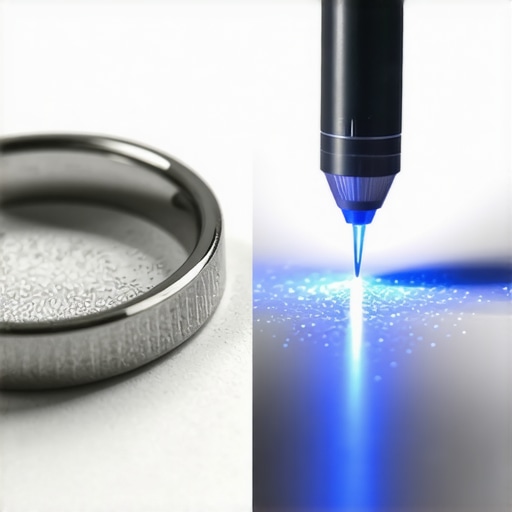
Use the autofocus feature or manually adjust the focal lens until the beam is sharply focused on the jewelry surface. A precisely focused laser ensures crisp details, much like a camera lens achieving clear images. I remember adjusting the focus multiple times on a delicate pendant—initial blurs turned into sharp, detailed engravings after careful calibration.
Executing the Engraving Process
Secure the jewelry piece in the machine’s fixture to prevent movement. Load your design file into the laser software and double-check the preview. Start with a low power and gradually increase if necessary, monitoring the process closely. Patience is key—rushing can lead to mistakes or uneven results.
Post-Engraving Finishing Touches
Once the engraving completes, carefully remove the jewelry and inspect the work. Use a soft brush or cloth to clear away residual dust or soot—similar to polishing a sculpture to reveal fine details. If edges are rough, gently file or sand them with appropriate tools, ensuring the design remains intact. This step enhances clarity and prepares the piece for further finishing or customer presentation.
Maintaining Your Equipment for Longevity
After each session, clean the laser lenses with approved cleaning solutions to prevent dust build-up that can distort the beam. Regularly calibrate the machine according to the manufacturer’s schedule, much like maintaining a precise clock. Consistent upkeep ensures your engravings stay sharp and your machine operates safely, saving you time and materials in the long run.
Applying these detailed steps, I successfully engraved a complex floral pattern onto a sterling silver pendant. The process was messier than expected, with soot smudges on my hands and slight misalignments, but with patience and calibration, the final result was a beautifully crisp design that impressed both sellers and clients alike. Mastery comes through practice, adjusting each parameter, and caring for your tools—keys to elevating your jewelry craftsmanship.
Many jewelry professionals and enthusiasts believe they understand the fundamentals of restringing, repair, engraving, and appraisal, but beneath the surface lie misconceptions that can impact the quality and trustworthiness of your work. One common myth is that these processes are purely technical tasks; in reality, they involve subtle nuances that require a deep understanding of materials, craftsmanship, and market standards.
For instance, a widespread mistake in restringing is assuming that using the cheapest silk or thread will ensure longevity. However, the quality of the string plays a crucial role in maintaining the piece’s durability and appearance over time. In fact, choosing a high-quality silk—not the most expensive but well-suited to your specific pearls—can prevent premature snapping and preserve the integrity of your jewelry. This is why expert restringing strategies emphasize material selection as a key factor for lasting trust.
In jewelry repair, a common oversight is neglecting the importance of proper component matching. Replacing a stone or a clasp without considering the original design or metal composition can diminish the piece’s value and aesthetic harmony. Advanced repair techniques involve meticulous attention to detail, ensuring that every element aligns with the original craftsmanship, thereby sustaining the jewelry’s authenticity and worth. Remember, even minor mistakes can lead to decreased appraisal values, which experts warn can set you back significantly if overlooked.
How can a subtle mistake in engraving or appraisal affect the value of your jewelry?
Many overlook that engravings, while seemingly simple, require precise depth and consistency to avoid damaging the surface or obscuring the design. An overly aggressive engraving can weaken the metal, leading to cracking or future damage. Conversely, under-engraving or inconsistent lines can make the piece appear amateurish, lowering its perceived value. When it comes to appraisals, a common mistake is relying solely on visual inspection without comprehensive testing or documentation. According to recent industry studies, accurate appraisals depend on a combination of visual assessment, material testing, and market analysis, which together build trust and confidence in the piece’s true worth. You can learn more about how expert appraisals enhance your jewelry’s credibility on our dedicated page.
Now, let’s explore how understanding these nuances can drastically improve your craftsmanship and client satisfaction—so you avoid common pitfalls that can damage your reputation.
Mastering Material Choices for Longevity
Choosing the right materials isn’t just about cost; it’s about ensuring durability and maintaining value over time. For restringing, opt for high-quality silk or durable synthetic threads designed for longevity. For repairs, selecting compatible metals and stones is vital to preserve the original aesthetic and structural integrity. Remember, using the wrong materials can lead to premature failures and costly rework. Investing in the right components from trusted suppliers—who understand the nuances—can save you time and protect your reputation.
Approaching Engraving with Finesse
Engraving isn’t merely carving into metal; it’s an art that requires skillful control and an eye for detail. Advanced techniques involve controlling depth, ensuring consistent line width, and avoiding damage to surrounding surfaces. Precision matters—an overzealous approach can weaken the piece, while too shallow an engraving diminishes its aesthetic impact. Professionals recommend testing on similar materials beforehand and maintaining sharp, quality tools. This meticulous preparation safeguards the piece and enhances its value, winning trust with every careful stroke.
Enhancing Appraisal Accuracy for Trustworthiness
Accurate jewelry appraisal combines technical evaluation with market knowledge. It’s not enough to assess surface appearance; professionals perform material testing, inspect hallmark precision, and analyze current market trends. Overlooking these details can undervalue or overestimate a piece, both of which have repercussions for trust. As industry experts highlight, comprehensive appraisals build confidence and demonstrate your expertise, thereby strengthening your reputation. To deepen your understanding, explore our guide on how expert appraisal can significantly boost your credibility.
By recognizing and respecting these hidden nuances, you elevate your craftsmanship and establish yourself as a trusted authority in the jewelry community. Have you ever fallen into this trap? Let me know in the comments and share your experiences!
Keep Your Equipment in Top Shape
Maintaining your tools is essential to ensure consistent, high-quality results. I personally swear by regularly cleaning my laser engraving machine’s lenses with ultrafine lens wipes and the appropriate cleaning solution, as recommended by industry experts. This prevents dust and residue from affecting the laser beam’s focus and sharpness, ultimately preserving the integrity of your engravings. Additionally, I set a routine calibration schedule based on the manufacturer’s guidelines, which helps keep the machine’s alignment precise, reducing errors and material waste. Remember, a well-maintained machine isn’t just about quality; it’s about safety and longevity.
Invest in Reliable Software for Precision
When it comes to designing intricate patterns or replicating engravings across multiple pieces, you need software that offers both power and flexibility. I prefer using CorelDRAW integrated with laser control plugins for its intuitive interface and advanced vector editing capabilities. It allows me to create detailed designs and simulate how they’ll look before engraving, saving time and avoiding costly mistakes. As technology advances, I predict a future where AI-powered design tools will enable even more precise and customized engravings, broadening creative possibilities and efficiency.
Choosing the Right Consumables
For restringing or repair work, I recommend high-quality silk or synthetic threads from reputable suppliers with transparent sourcing. Using premium restringing materials ensures your jewelry will hold up over time. Similarly, for polishing and finishing, I favor micro-abrasive compounds that remove scratches without damaging delicate surfaces. These small but critical choices greatly impact the long-term durability and appearance of your pieces.
How do I maintain engraving quality over time?
Consistent quality in engraving comes down to proper machine care and process optimization. Regularly replacing worn-out laser focus lenses and reflex mirrors with genuine parts, as documented by industry technical sources, keeps your engravings crisp and precise. Additionally, tracking your settings and performing test engravings on scrap material before each project helps catch potential drift in performance. Over time, refining your calibration techniques—such as adjusting the focal length and power settings—ensures your designs maintain their sharpness year after year. I challenge you to calibrate your laser machine this week using a test pattern, and notice the difference it makes in your final work.
Lastly, adopting a cleaning regimen for your equipment—like wiping down components after each session and lubricating moving parts—can extend the lifespan of your tools significantly. Proper maintenance not only saves money but also builds trust with clients, knowing your work consistently meets high standards.
Remember, your tools are your partners in craftsmanship. Investing time in their upkeep and pairing them with the right software and materials will pay dividends in the quality and longevity of your jewelry creations and repairs.
What Missteps Almost Cost Me My Reputation
One of the most eye-opening lessons I learned was the importance of material quality in restringing. Using inexpensive silk may seem cost-effective initially, but it often leads to premature breakage, causing frustration for both me and my clients. From that experience, I realized that investing in high-quality restringing materials not only ensures longevity but also preserves trust. Another pivotal realization was that rushing through engraving work can compromise precision—what seemed like a minor mistake on a delicate piece quickly turned into a costly repair. These missteps taught me to slow down, meticulously plan each step, and embrace ongoing learning to uphold the standards my clients expect.
Tools and Resources That Elevated My Craft
Over the years, I’ve found certain tools indispensable. For instance, investing in a reliable microscope for inspection and calibration has helped me detect minute flaws that could affect the integrity of a repair or engraving. My favorite software, CorelDRAW, offers sophisticated design capabilities that streamline creating intricate engravings, saving me time and reducing errors. I also trust trusted suppliers for high-quality restringing threads—their consistency gives me peace of mind. Lastly, educational resources like online tutorials and industry forums keep me updated with the latest techniques, ensuring I stay ahead in this competitive field.
Seize the Moment to Transform Your Approach
Your journey into mastering restringing, repair, and engraving is just beginning. Embrace every tool, technique, and lesson as an opportunity to elevate your craft and build lasting trust with clients. Remember, even small improvements can lead to significant professional growth, helping your work stand out for its precision and reliability. Take action today—experiment with new materials, refine your engraving skills, or explore innovative repair methods. The next masterpiece is within your reach; all it takes is a willingness to learn and adapt. Keep pushing your boundaries, and watch your reputation flourish!