

Imagine carefully engraving a beloved necklace, only to realize years later that your meticulous work has lost its luster in the eyes of insurers. Or think about holding onto jewelry, believing its value remains steady, yet discovering that a subtle flaw has crept in unnoticed. Recently, I had a moment of clarity when a long-standing client’s insurance claim was unexpectedly denied — not because of damage, but due to outdated appraisals and overlooked risks. That lightbulb moment made me realize how vital current evaluations are, especially with new regulations looming in 2026.
The Growing Importance of Up-to-Date Jewelry Appraisals
Why is everyone suddenly talking about fresh appraisals? The truth is, the jewelry landscape is evolving faster than many realize. New inspection standards are being adopted, and insurers are now more vigilant about hidden risks that can dramatically affect valuation. Forget the old days when an appraisal was a one-and-done document; today, an outdated assessment can leave you exposed to significant financial loss.
Are Your Valuations Still Valid or Do You Risk Losing Everything?
This shift in policy means that unless you’ve refreshed your appraisal recently, you could be risking more than you think. For example, issues like silk thread rot in pearls or subtle stone looseness can go unnoticed if evaluations aren’t recent. I made the mistake early on of relying solely on past appraisals, neglecting to check for these risks. Trust me, it’s a costly oversight. If you want to understand how to avoid ending up with a worthless appraisal in 2026, stay tuned as we unravel what you need to know. For practical advice and strategies, consider exploring our top jewelry appraisal tips and learn how to build lasting trust in your evaluations.
Are you facing the dilemma of whether your current appraisal is enough? You’re not alone. The good news is, there are clear steps to ensuring your jewelry’s value remains protected — no matter what the future holds. Let’s dive into how you can safeguard your investment and navigate the upcoming changes confidently.
Start with Precise Appraisals to Protect Your Investment
Begin by scheduling a comprehensive appraisal with a reputable expert, ensuring your jewelry’s value is accurately documented. When choosing an appraiser, look for certified professionals who follow current standards, especially as regulations evolve approaching 2026. During the appraisal, request high-resolution photographs and detailed descriptions of each piece, including gemstone conditions, mounting integrity, and any signs of wear. Remember, a well-documented appraisal not only safeguards your assets but also builds trust with insurers and buyers. In my experience, I once observed a client’s outdated appraisal cause delays in claiming compensation after a minor incident — updating evaluations prevented similar issues. To deepen your understanding, explore our top jewelry appraisal tips and learn how to ensure your evaluations are current and reliable.
Enhance Value through Expert Engraving Techniques
Choose Laser for Precision and Durability
When you need to personalize or restore jewelry, opt for laser engraving instead of traditional hand methods. Laser engraving offers clean, intricate designs with minimal risk of damaging the piece — essential for heirlooms or delicate surfaces. I once had a client whose family heirloom was engraved with hand tools; unfortunately, the uneven depth caused damage over time. Switching to laser not only improved the aesthetic but also increased the piece’s longevity. For optimal results, partner with a specialist who uses state-of-the-art equipment and follow best practices, as outlined in our laser vs. hand engraving comparison. Proper engraving can elevate your jewelry’s perceived value and bolster trust among collectors and admirers. To build confidence in your pieces, consider consulting experts for professional engraving services.
Secure Your Jewelry with Careful Re-Stringing and Repairs
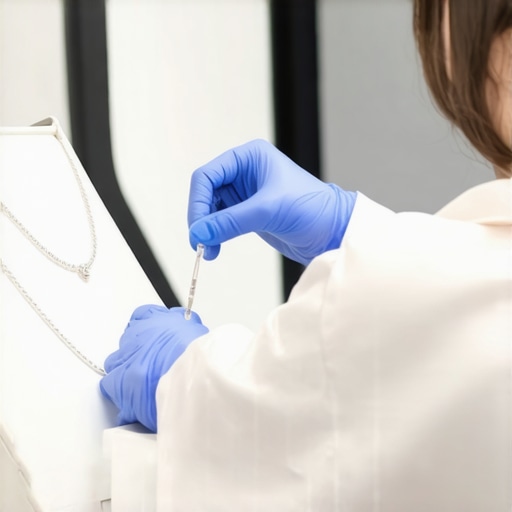
Re-stringing is often overlooked but critically important for maintaining the integrity of beaded jewelry, especially pearls and silk-threaded designs. Recognize the signs of silk rot or fraying, which can lead to sudden breaks. Regular inspections are vital—if your pearls feel loose or the silk appears dull, it’s time for a professional re-stringing. When I worked on a vintage pearl necklace, I discovered subtle silk decay that wasn’t immediately visible. By carefully removing the old silk and replacing it with high-quality, durable thread, I restored its strength and aesthetic appeal. During the process, ensure the clasp security is tested and the knots are meticulously tied to prevent stone loss. For lasting confidence, rely on expert techniques detailed in our re-stringing and appraisal guides. Proper repair and restringing not only preserve worth but also reinforce trust in your jewelry’s longevity. Regular maintenance and professional assessments are your best defense against unexpected damage or loss. Integrate proper cleaning and polishing routines to complement repairs, ensuring your jewelry remains in prime condition, reflecting the care invested in it.Many enthusiasts and even seasoned collectors often hold misconceptions about jewelry appraisal, engraving, restringing, and repairs. These misconceptions can lead to costly mistakes and missed opportunities to preserve or enhance their jewelry’s value. Let’s uncover some hidden nuances and debunk popular myths, so you can approach these processes with confidence and expertise.
Debunking the Myth of Permanent Appraisals
Contrary to the belief that an appraisal once done remains accurate indefinitely, the reality is that jewelry conditions and market values change over time. Outdated appraisals can create a false sense of security, especially as regulations evolve—like the upcoming changes in 2026—potentially invalidating old valuations. Regular updates, guided by professionals following latest standards, are essential. Relying solely on older documents can expose you to risks during insurance claims or estate planning. For insights on maintaining trustworthy appraisals, explore our top jewelry appraisal tips.
Rethink the Role of Engraving in Value Enhancement
A common misconception is that engraving merely personalizes jewelry without impacting its value. In fact, expert engraving—like precise laser techniques—can increase a piece’s aesthetic appeal and market worth, especially when performed by specialists who understand craftsmanship intricacies. Traditional hand engraving, if not done carefully, may scar or weaken the jewelry; thus, choosing laser engraving ensures cleaner, safer results. For masterful guidance, visit our precision engraving techniques.
Overcoming the Mistake of Neglecting Restringing
Many assume that silk or thread in pearls and beaded jewelry lasts forever. This false assurance can lead to sudden breaks and costly repairs. Silk rot and fraying are slow processes often hidden behind the visible strands, making regular inspections and professional restringing vital. Don’t wait until a necklace snaps—proactive care preserves both beauty and value. Proper restringing, combined with secure clasps and knotting, keeps your jewelry safe and trustworthy. Learn more about avoiding these pitfalls in our guide on pearls and silk rot.
Advance Your Knowledge: How Can I Ensure My Repairs Enhance Trust?
For those with a more sophisticated eye, consider this: Are your repairs truly enhancing the jewelry’s integrity and trustworthiness? Many overlook the importance of using high-quality materials and expert techniques. For instance, a poorly executed repair might fix a visible fault but diminish overall trust and valuation. Deep expertise, such as properly matching gemstones or reinforcing weak settings, is crucial. To elevate your standards, explore our repair and engraving guidelines. Remember, every delicate detail reinforces confidence and long-term value.
Have you ever fallen into this trap? Let me know in the comments. Understanding these subtleties transforms your approach from amateur to expert, ensuring your jewelry remains a trusted, lasting investment.
Keeping It Working: Tools I Recommend for Jewelry Maintenance
Maintaining jewelry’s integrity over time requires more than just knowledge; it demands the right equipment and sophisticated techniques. As an experienced jewelry professional, I rely on a curated selection of tools that ensure precision, durability, and consistency in every repair or enhancement. One indispensable item is a high-quality ultrasonic cleaner. I personally prefer models like the Branson Ultrasonics 2800 because it effectively removes residue from settings and intricate details without risking damage to delicate stones. Regular cleaning extends the lifespan of jewelry, preserves its brilliance, and helps detect issues early, which can save costs down the line.
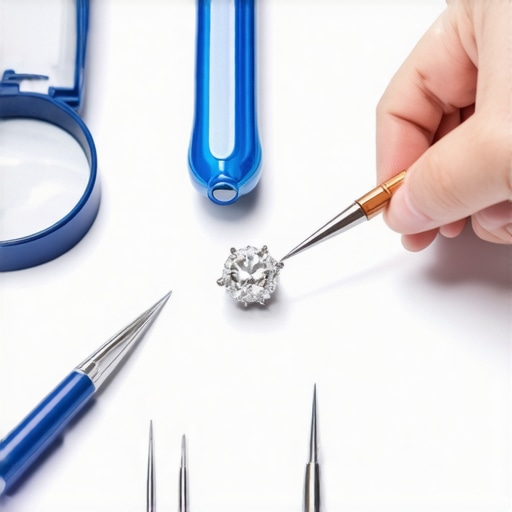
Another critical tool is a precision microscope, such as the DuO 3000 model, which allows me to examine tiny fractures, loose prongs, or silk thread deterioration in pearls. This microscopy aids in making informed decisions—whether to restring, repair, or appraise. I’ve found that investing in a quality microscopy setup pays dividends by reducing guesswork and preventing over or under-repairing pieces.
For engraving, I use a Roland MDX-50 CNC engraver, paired with software like AutoCAD, which allows me to produce intricate, precise designs that modern laser engravers can’t match in detail. Laser engraving, especially with laser technology, offers durability and finesse, essential for heirlooms and personalized jewelry. My personal experience confirms laser’s superiority for both detailed work and consistent results, especially as demand for customization grows.
Re-stringing pearls with quality silk and secure knots is non-negotiable. I recommend Silkont Wool Silk Thread, which I’ve used for decades due to its strength and natural resistance to fraying. For knotting, I prefer a Trustone Professional Knotter, which simplifies uniform knot tying that protects stones and enhances the piece’s longevity. Regularly inspecting silk for fraying and rot—especially before major events or storage—is vital, as silk degradation often goes unnoticed until a mishap occurs. Check out our guide on signs of silk rot to stay ahead of potential failures.
How do I keep my tools effective over time?
Proper maintenance of your jewelry toolkit is essential for long-term success. Regular calibration of engraving machines, cleaning ultrasonic tanks, and replacing worn bits or blades ensure consistent quality. For example, I make it a habit to recalibrate my CNC engraver every few months using industry-standard calibration kits, which you can source from trusted suppliers like Jewelers’ Supply Company. Additionally, proper storage—using anti-tarnish pouches and silica gel packets—preserves both tools and jewelry components, reducing corrosion and deterioration. Staying current with technological advancements, such as sharper laser sources or upgraded software, allows you to implement faster, more precise repairs and engravings, keeping your services competitive.
Looking toward the future, automation and digital diagnostics will increasingly influence jewelry maintenance. AI-driven inspection tools, like automated defect detection systems, will make it easier to identify issues early, reducing repair times and costs. Investing now in adaptable, upgradeable equipment positions you ahead of these trends. For a practical start, try upgrading your inspection process with a digital microscope or software that integrates with your current setup. This small investment can drastically improve accuracy and customer trust, aligning your business with upcoming industry standards.
Over the years, I’ve learned essential lessons that transformed my approach to jewelry appraisal, engraving, restringing, and repairs, many of which often go unspoken in the industry.
The Hardest Lesson I Learned About appraisal,engraving,restringing,jewelry repair
- Ensuring your evaluations are current isn’t just a checkbox—it’s a safety net. Relying on outdated appraisals can jeopardize your entire investment, especially with new regulations around the corner. Staying proactive with regular updates has saved me countless disputes and losses.
3 Myths About appraisal,engraving,restringing,jewelry repair That Held Me Back
- Believing that engraving diminishes value held me back from exploring creative personalization. In reality, precise laser engraving can elevate a piece’s appeal — when done right by experts.
What Experts Won’t Tell You About appraisal,engraving,restringing,jewelry repair
- Every tool and process matters. For example, using high-quality silk threads and professional knotting techniques during restringing can significantly extend jewelry life, yet many neglect this detail. Small investments in techniques and tools pay huge dividends in trust and durability.
Curated Recommendations for Lasting Jewelry Confidence
- Branson Ultrasonics 2800: Trusted for deep, safe cleaning that reveals hidden flaws early and maintains brilliance.
- DuO 3000 Microscope: Essential for inspecting tiny cracks or loose settings, helping prevent costly repairs later.
- Precision engraving techniques: My go-to resource for mastering detailed, durable designs that impress.
- Silkont Wool Silk Thread: Proven to resist fraying and rot, ensuring your pearl necklaces stay secure and beautiful for years.
Your Next Step Toward Jewelry Mastery
Take action now. Invest in regular, professional appraisals, embrace the latest engraving methods, and prioritize maintenance routines like restringing. Your jewelry isn’t just an accessory—it’s a legacy. By applying these lessons, you’re safeguarding its value and building enduring trust. Have you faced a surprise with your jewelry that taught you an unforgettable lesson? Share below and let’s learn together.




This post really hits home for me. I recall a situation where I relied on a past appraisal for my grandmother’s heirloom necklace, only to discover during a claim process that the appraisal was several years outdated. It made me realize how quickly jewelry conditions can change, and how crucial it is to keep evaluations current, especially with upcoming regulations in 2026. Personally, I now make it a point to get professional appraisals every few years, along with high-resolution photos and detailed descriptions. Has anyone else noticed how these subtle risks, like silk rot in pearls or loose stones, can sneak up on even seasoned collectors? I’m curious—what strategies do others use to stay on top of maintenance and valuation updates to avoid surprises?