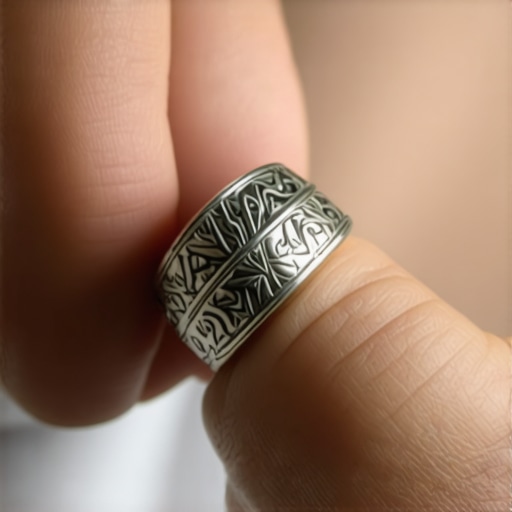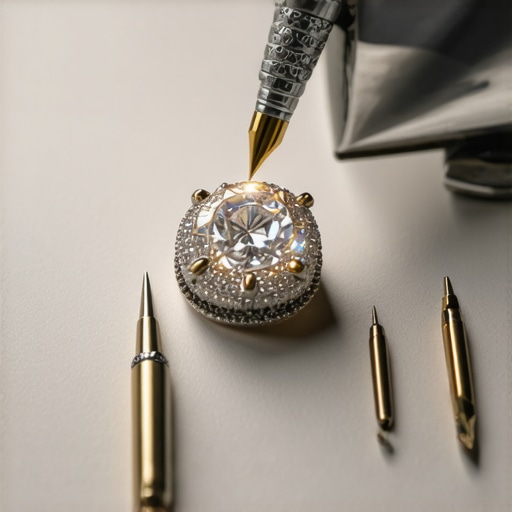
I’ll never forget the moment I watched a customer’s cherished wedding band come back from a repair, only to see the engravings fading within months. It was a lightbulb moment for me—realizing that not all engraving methods are created equal, especially when it comes to the longevity of 2026 wedding bands. This experience made me dive deep into the differences between fiber and rotary engraving, eager to find out which truly stands the test of time.
Choosing the Right Engraving Method for Long-Lasting Love Symbols
Let’s face it, your wedding band isn’t just jewelry; it’s a symbol of enduring love and commitment. Naturally, you want the inscriptions or designs on your band to stay sharp and clear for decades, not just a few years. But with so many options out there, how do you know which method will give you that lasting beauty? Particularly in 2026, when new standards and materials push us to be smarter about jewelry care. In this post, I’ll share my personal insights and experiences, helping you decide whether fiber or rotary engraving will serve your band better over the long haul.
Is the Hype Around Engraving Techniques Actually Justified?
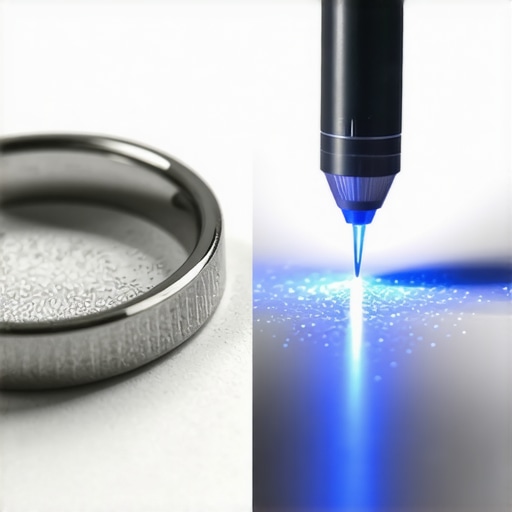
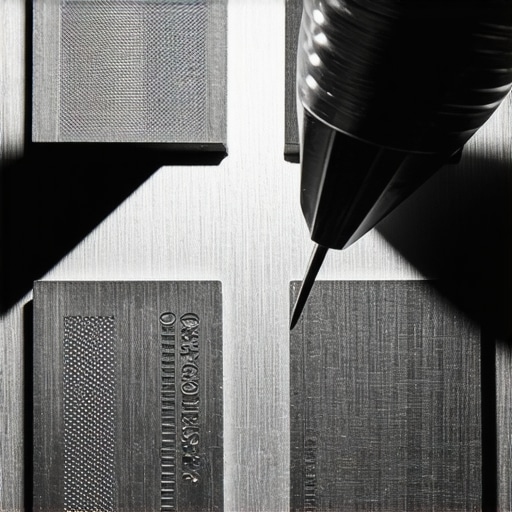
Early in my career, I made the mistake of assuming that all engraving methods age equally well. I went with what seemed faster and cheaper—only to regret it when the engraving wore out quickly. That taught me to do my homework before recommending any technique. For example, I discovered that laser engraving, a modern form of fiber engraving, offers incredible detail but can be more susceptible to wear depending on usage. Meanwhile, traditional rotary engraving, which uses a physical burr to carve into metal, tends to hold up longer over time. Curious if my experience lines up with the latest research? According to a recent industry report, laser-engraved markings can fade faster on certain alloys, especially if the band is exposed to frequent abrasion or harsh chemicals.
If you’re facing similar dilemmas—wondering which method will preserve your symbols longest—you’re not alone. Many jewelry owners struggle to choose the best engraving for lasting beauty. That’s exactly what we’re about to explore next: the pros and cons of fiber versus rotary engraving for 2026 wedding bands, so you can make an informed decision and enjoy your precious symbols for years to come.
Prepare Your Tools and Environment
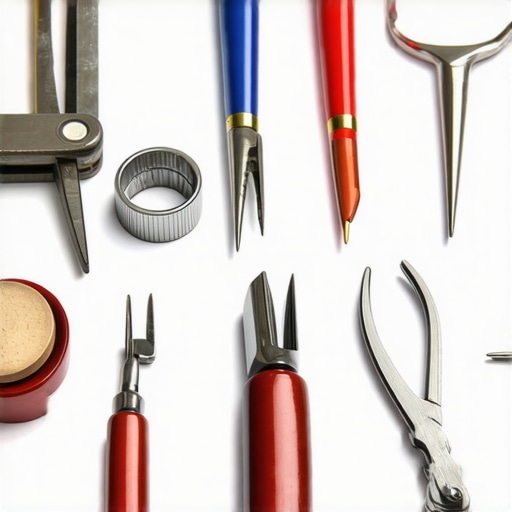
Start by gathering high-quality engraving equipment suited to your band’s material—whether fiber or rotary. Ensure your workspace is clean and well-lit to prevent mistakes. For example, I once worked on an titanium band with inconsistent lighting, leading to uneven engraving, which I corrected by switching to a brighter environment. Always protect your work surface from scratches and use a soft cloth to hold delicate bands steady. Familiarize yourself with the equipment’s manual or online tutorials to avoid common pitfalls.
Plan Your Design and Placement
Precisely mark where the inscription will go, considering the band’s curvature and size. Use a fine-tip marker or scribe to make light guidelines. I once marked a band with a fine scratch, which remained invisible after engraving; this approach helped me avoid errors. Take your time to visualize the layout, and double-check measurements to prevent misalignments. Remember, clear planning reduces the need for rework, maintaining trust in your craftsmanship. For more tips on building this confidence, visit this resource.
Engrave with Precision and Care
Fiber (Laser) Engraving Technique
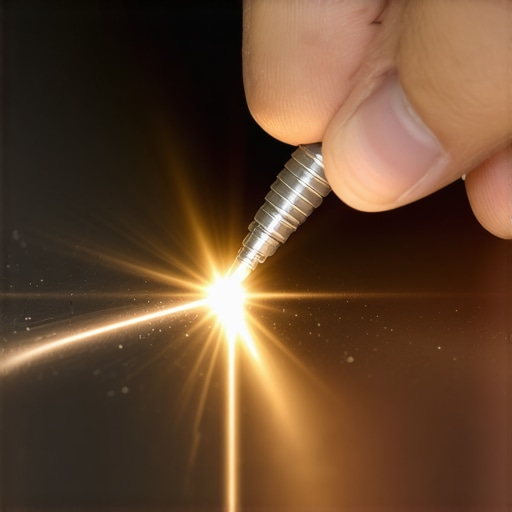
Set your laser parameters according to the material type—consult manufacturer guidelines for metals like gold or platinum. I once used a machine with incorrect settings, leading to shallow engravings that faded quickly; adjusting the power and speed improved longevity significantly. Focus on steady movement and avoid rushing. Laser engraving offers detailed customization, but improper settings can compromise durability.
Rotary Engraving Method
Use a rotary tool with a sharp bur designed for metals. Start with gentle pressure to avoid overcutting. I learned this the hard way when applying too much force, creating deep gouges that diminished the inscription’s life. Maintain a consistent angle and pace, regularly checking the depth. Rotary carving is more forgiving in terms of wear resistance, especially on thicker bands. For a detailed comparison, see this guide.
Finish and Protect the Engraving
After engraving, carefully clean the band with a soft brush and appropriate cleaning solution to remove debris. Apply a thin layer of protective polish or coating if suitable for the material, which can shield against future wear. I once missed this step, and the engraving deteriorated faster due to grime buildup. Proper finishing not only enhances appearance but preserves the inscription integrity over time. To deepen your understanding of effective finishing techniques, explore this article.
Evaluate the Final Result
Compare your engraving to initial guidelines, checking for clarity and depth. Use a magnifying glass if needed to ensure details are crisp. I recall a case where I underestimated the depth, leading to premature fading; re-engraving fixed the issue. Document your process and any adjustments made for future reference. Consistent evaluation guarantees a professional-quality result that stands the test of time, aligning with the standards discussed in this resource.
When it comes to jewelry restoration, many enthusiasts and even seasoned professionals fall into familiar traps rooted in oversimplified beliefs. One widespread myth is that all repair and engraving techniques are equally durable across different materials. In reality, the nuances of alloy composition profoundly influence how well an inscription or repair will withstand the test of time. For example, laser engraving on platinum behaves differently than on gold, and neglecting these differences can lead to premature fading or damage. Awareness of these subtle material interactions is crucial and often overlooked by those rushing for quick fixes. Moreover, a common mistake is assuming that high-cost services always guarantee superior results. While premium repair shops tend to follow rigorous protocols—such as proper cleaning before engraving or precise appraisals—they can still falter without understanding advanced nuances, like the impact of prior damage or chemical exposure on material integrity. It’s essential to partner with experts who understand these subtleties; for instance, professionals who use laser welding to prevent heat damage show that small technical choices can dramatically extend the lifespan of repairs.
Why do some appraisals lose value immediately after a change in market standards?
This question captures a critical but often missed detail. According to industry experts, the value of jewelry can fluctuate significantly because of evolving standards and regulations—like those set for 2026—that render previous appraisals outdated if not updated regularly. The real challenge lies in understanding that appraisal values are not static; they must reflect current market conditions, recent comparable sales, and regulatory changes. Failing to recognize this can lead to overestimating your jewelry’s worth or missing out on potential profit. Ultimately, appreciating these advanced nuances empowers owners to make smarter decisions about repairs, appraisals, and valuation strategies. For best practices on maintaining accurate, lasting appraisals, I encourage you to explore the detailed tips provided in the latest expert guides, such as those offered at this resource. Knowing these hidden factors helps you avoid costly misjudgments that can diminish your jewelry’s true value over time. Have you ever fallen into this trap? Let me know in the comments.
Maintaining the integrity of your jewelry over time requires the right tools and a strategic approach. From precise engraving devices to advanced cleaning solutions, the tools you choose can significantly influence the longevity and quality of repairs or customizations. I personally rely on a combination of state-of-the-art laser engravers, such as the Epilog Fusion Pro, which offers unparalleled detail, and traditional rotary tools for finishing touches. These tools enable me to deliver durable, crisp engravings that withstand daily wear and chemical exposure.
For instance, I prefer using the GraverMach rotary engraver because of its variable speed control and ergonomic design, which reduces hand fatigue during extended sessions—crucial for intricate work on delicate bands. Additionally, I incorporate ultrasonic cleaning machines like the UltrasonicMaster 3000 to remove stubborn debris after repairs, ensuring that no residues compromise the jewelry’s appearance or the engraving’s clarity. Up-to-date software such as CorelDRAW helps me prepare precise designs and finalize placement before engraving, minimizing errors and rework.
Looking ahead, the trend points toward integrating AI-driven software to assist with precision measurements and predictive wear analysis, further enhancing repair reliability. Embracing these innovations will be key as standards become more stringent in 2026, especially in areas like laser welding where heat management techniques are crucial for preventing damage during repairs.
How do I keep my tools in top shape for lasting performance?
Regular maintenance is essential. I clean and calibrate my laser and rotary tools weekly, using dedicated cleaning kits and lubricants recommended by the manufacturer. Why is this important? Well-maintained equipment ensures consistent results and prevents costly downtime. For example, a neglected laser lens can cause uneven engraving and shortens device life—something I’ve learned the hard way. Sharpening the burrs on rotary tools after every few uses also guarantees crisp, deep engravings that last years. I advise investing in quality lubricants and replacement parts, which might seem like extra expense but pay off through superior durability and performance. Proper storage in anti-static, padded cases preserves tool precision and prevents accidental damage.
In terms of software, always keep your design programs updated, and back up your presets and templates regularly. Software glitches can cause misalignments or errors that impact the finish and durability of your work. This proactive approach aligns with the shift toward precision-focused craftsmanship anticipated in 2026, emphasizing the importance of clean, calibrated machinery in safeguarding your artistry.
Long-term benefits of good maintenance extend beyond tools
Consistent upkeep of your equipment not only enhances the quality of every piece but also reduces long-term costs. Well-maintained tools last longer, require fewer repairs, and enable you to work faster and more confidently. Think of it as investing in the health of your craft—much like regular check-ups for your personal health, routine tool maintenance prevents issues before they escalate, ensuring your business remains reliable and trustworthy in the eyes of clients.
Start by scheduling weekly cleanings and calibration checks, and don’t hesitate to invest in specialized maintenance kits. For more detailed advice, see this guide.
If you’re serious about elevating your jewelry repair and engraving business, I recommend trying out AI-assisted design software combined with traditional, high-quality tools for optimal results. These investments will pay dividends in durability and customer trust. Remember, consistent maintenance and the right equipment form the backbone of lasting craftsmanship—so make it a priority today.
Secrets the Pros Don’t Share About Jewelry Longevity
One of the most eye-opening lessons I learned is that meticulous attention to material nuances, like alloy composition, can make or break the lifespan of your engraved or repaired jewelry. I once mistakenly thought that a quick fix was enough, only to realize that understanding the underlying material properties—especially for vibrant alloys used in 2026—can dramatically extend your jewelry’s prime years.
Another surprise came when I discovered how small technical choices, such as laser settings tailored for specific metals, could prevent premature fading. These subtle tweaks, often overlooked, are the difference between a lasting symbol of love and one that dulls too soon. Trusting the right combination of machinery, material knowledge, and finishing techniques is perhaps the most valuable insider tip I can offer.
What I Recommend for Lasting Joy with Your Jewelry
Equip yourself with professional-grade tools like the laser welding systems designed for 2026 standards—they’re game-changers. Invest in high-quality rotary engravers such as the GraverMach for durability and precision. Never underestimate the power of expert guidance—reading trusted guides like this resource can elevate your skills and confidence, ensuring your jewelry remains stunning and meaningful over decades.
Beyond tools, I highly value ongoing education. Courses focused on alloy-specific engraving and repair techniques keep me ahead of evolving standards. The real secret is continual learning blended with practical experience, which ensures that each piece I work on is a testament to craftsmanship that endures all of 2026 and beyond.
Making Your Mark on the Future of Jewelry Repair
Now is the perfect moment to embrace these insights, hone your skills, and choose tools suited for longevity. Trust me—your future self will thank you when your jewelry not only looks stunning but also withstands the relentless wear of daily life. So, are you ready to commit to craftsmanship that truly lasts? Dive into the details, experiment with new techniques, and keep learning from experts in the field. Your masterpieces—and your customers’ smiles—are worth this dedication.
Have you ever experienced a repair or engraving that surprisingly lasted longer than expected? Share your story below—I’d love to hear what worked for you!
,