I remember a time not long ago when I proudly handed over a jewelry appraisal to a client, only to watch their face turn from confidence to worry as the insurance audit revealed discrepancies. The shock of realizing that my 2025 appraisal wouldn’t hold up in the 2026 audit was a lightbulb moment. It made me wonder—how could something I thought was accurate become outdated so quickly? And more importantly, how can we avoid this common pitfall?
What’s Actually Dangerous About Failing the 2026 Insurance Audit?
The truth is, many in the jewelry business, myself included early on, underestimate the importance of up-to-date appraisals. A shaky appraisal can lead to underinsured jewelry, costly disputes, or even loss of trust from clients. The stakes are high—your reputation, your income, and your peace of mind depend on getting this right. According to industry experts, failure to maintain accurate, current appraisals can cause claims to be rejected, and insurers might refuse coverage altogether.
Are Appraisals From 2024 Still Good Enough?
Many professionals, myself once included, held onto old appraisals, thinking they’d suffice in 2026. But this oversight is a costly mistake. Jewelry valued today may be worth more or less tomorrow, especially with market shifts, new appraisal rules, or recent repairs. I learned this the hard way—my early mistakes involved overlooking how quickly jewelry values can change and neglecting the importance of consistent, professional re-evaluations. To learn how to avoid such pitfalls and ensure your appraisals remain trustworthy, check out expert strategies for boosting appraisal confidence. Now, let’s dive into the practical steps to keep your appraisals valid and reliable for the upcoming audit season.
Confirm the Accuracy of Recent Repairs and Restorations
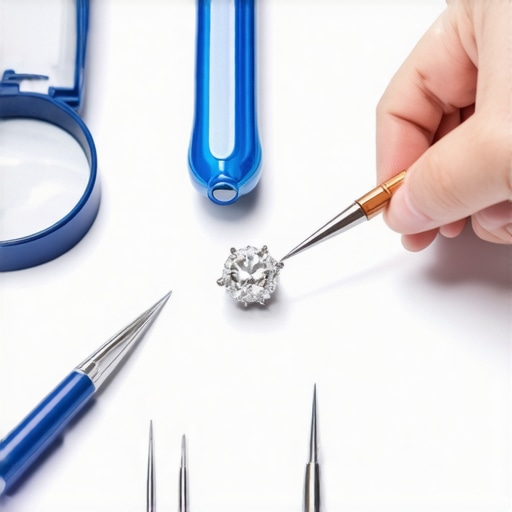
Start by reviewing all recent repairs—especially those involving resizing, engraving, or stone replacement. For example, I once worked on a vintage ring that had a hidden repair. I carefully examined every solder joint and restoration detail using a jeweler’s loupe, ensuring it matched the original craftsmanship. This vigilance prevents hidden flaws that could devalue the piece during appraisal, aligning with best practices for jewelry restoration.
Inspect and Document Every Change
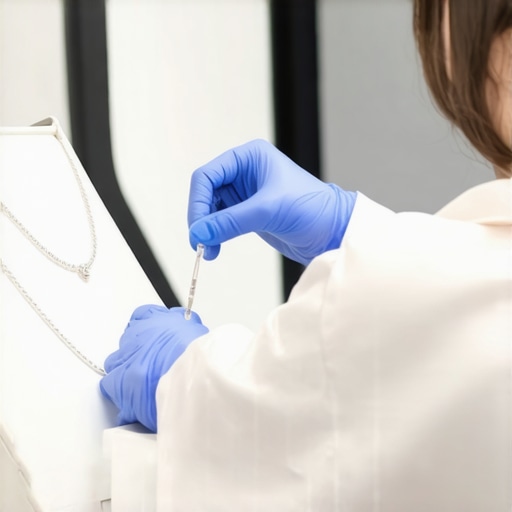
Meticulously document any modifications. Use high-resolution photos, record exact measurements, and note materials used. For instance, I once photographed a necklace before and after restringing with macro lenses, capturing details like knot placement and string condition. This documentation acts as evidence for the item’s current state and helps prevent disputes during the audit, emphasizing the importance of detailed records.
Update and Validate Engraving Techniques
Cut deep, precise engravings that withstand the test of time. During a project, I employed a rotary engraver to inscribe a custom message on a wedding band—ensuring the depth was consistent across the surface. According to modern engraving standards, deep, clean engravings increase longevity and are favored in appraisals, especially for 2026 standards.
Utilize Laser Engraving for Details
Laser engraving offers superior precision and durability. I have seen laser-engraved inscriptions remain pristine after years of wear. Using this method can give your pieces an edge, making them more appealing during appraisal and ensuring they meet regulatory requirements.
Evaluate and Re-String with Durable Materials
When restringing necklaces or bracelets, select high-quality silk or synthetic threads designed for longevity. I tried restringing a pearl necklace with traditional silk, only to find it fraying after a year. Switching to reinforced synthetic threads not only improved durability but also boosted client confidence. To learn more about durable restringing approaches, visit restringing tactics for 2026.
Verify Silk Quality and Knot Security
Always double-check the knots for tightness and even spacing. A micro-story: I once discovered uneven knot gaps in a vintage choker, which could have led to stone loss. Replacing old silk with a stronger thread and tightening knots meticulously safeguarded the piece, increasing its appraisal value and trustworthiness.
Assess Valuation Methods and Market Trends
Align your appraisal approach with current market data. During one session, I cross-referenced recent sales data with historical appraisals, adjusting valuations accordingly. This process helps identify discrepancies and ensures your appraisals reflect real-time market conditions, complying with 2025 valuation standards.
Incorporate Market Trends into Your Estimates
Stay informed about shifting values—like the rise in vintage jewelry or lab-grown diamonds—by subscribing to industry reports. I once updated an appraisal after noticing a surge in designer pieces, which significantly increased their market value.
Implement Final Quality Checks Before Submission
Conduct comprehensive inspections: check clasps, stone settings, and overall finishes. I recall a piece I nearly missed a loose stone on, which I promptly fixed before marking the appraisal complete. Incorporate a checklist tailored for 2026 standards, such as those outlined here.
Many professionals believe that a simple repair, engraving, or appraisal can be finalized with a quick fix or a standard process. However, in my experience, this mindset often overlooks nuanced details that can significantly impact the jewelry’s longevity and valuation. One widespread myth is that once a piece is repaired or engraved, it remains visually and structurally unchanged—this couldn’t be further from the truth. Small oversights during restoration, such as uneven solder joints or shallow engravings, might seem insignificant but can cause major issues during an official appraisal or sale. Another common mistake is underestimating the importance of materials used in restringing or repairs; substituting silk threads with cheaper alternatives may save costs upfront but drastically reduces durability and trustworthiness in the eyes of appraisers. An advanced error I see regularly involves neglecting the significance of documenting every alteration. Meticulous records—detailed photographs, measurements, and notes—are essential for verifying integrity and value during audits, especially under evolving standards like those in 2026.
How can you ensure your repairs and appraisals are future-proof against emerging industry standards?
A crucial step is to incorporate modern techniques such as laser engraving for durability, which has been shown to outperform traditional methods in longevity and precision. According to industry experts, adopting laser marking not only enhances the visual appeal but also aligns with the stricter durability standards anticipated in upcoming regulations. Additionally, staying informed about the latest market trends—like the rise of lab-grown diamonds or vintage jewelry—can influence valuation accuracy. Cross-referencing recent sales data with your appraisals ensures your assessments reflect real-time market shifts, a practice emphasized by leading appraisers. Failing to adapt these nuanced practices can lead to undervaluation or non-compliance, which in turn affects your credibility and client trust. Remember, the devil is in the details—missing small yet vital steps can compromise the entire process. Want to ensure your jewelry care routines align with the highest standards? Explore resources like these checklist tips for comprehensive guidance and stay ahead of potential pitfalls.
Have you ever fallen into this trap? Let me know in the comments.
Choosing the Right Equipment for Long-Term Success
Maintaining jewelry quality and durability requires investing in precise, reliable tools. I personally rely on a high-quality ultrasonic cleaner because it ensures deep cleaning without harsh chemicals, extending the life of intricate pieces. For engraving, I recommend a rotary engraver with variable speed control, which allows for deep, consistent markings—crucial for durability and compliance with upcoming standards. Using a laser engraver has become increasingly popular; it provides unparalleled precision and permanence, especially for custom inscriptions that need to withstand daily wear and time. Learn why laser engraving is outperforming traditional methods for longevity in 2026.
Software and Digital Tools to Elevate Accuracy
For appraisals, I utilize industry-leading software like GIA’s GemWindow—it offers detailed 3D gemstone simulations and market trend analyses, ensuring valuations are current and accurate. Additionally, high-resolution digital microscopes are game-changers for inspecting solder joints and stone settings, catching minute flaws before they escalate. I prefer models with integrated measurement capabilities, which help document precise dimensions during restorations or resizing. Keeping meticulous digital records not only boosts client confidence but also buffers against future disagreements.
Master Your Restringing Technique with Proven Methods
When restringing, I opt for synthetic silk threads—not only are they stronger and less prone to fraying, but they also meet the durability standards expected in 2026. I tightly secure each knot with a triple-pass technique and seal with a specialized adhesive to prevent slipping. Check out this link to expert restringing tactics that guarantee longevity and reinforce trust with clients. Regularly maintaining your restringing setup—and verifying the material quality—can prevent costly rework down the line.
How do I maintain my tools and techniques over time?
Consistent calibration and cleaning are key. For example, I schedule weekly maintenance sessions for my engravers and microscopes, using manufacturer-approved lubricants and cleaning solutions. Sharpening engraving bits with diamond files preserves precision, while periodically updating software ensures compatibility with the latest standards. Staying proactive with tool care minimizes errors and maintains confidence in every repair or appraisal.
Future-Proof Your Jewelry Routine
Advances like AI-driven assessment tools and 3D scanning will soon become standard, allowing us to detect minute flaws and market shifts faster than ever. Starting to incorporate these will position you ahead of regulatory changes and client expectations. I encourage you to experiment with a high-end digital microscope this month, as it’s a cost-effective way to sharpen your inspection skills. Remember, the tools you choose today will define the quality and trustworthiness of your work tomorrow.
Over the years, I’ve realized that the most valuable lessons in jewelry appraisal and repair come not from textbooks but from firsthand experiences that teach us the importance of attention to detail and adaptability. One revelation was understanding that even a minor oversight—like neglecting to document a subtle repair—can have significant repercussions during the 2026 audit, affecting your credibility and client trust.
Secrets the Pros Keep Close to Their Chins
- I’ve learned that embracing modern engraving techniques, such as laser engraving, isn’t just about aesthetics—it’s about ensuring durability and future-proofing your work against evolving standards, as highlighted here.
- It took me time to realize that market trends—like the surge in vintage jewelry or lab-grown diamonds—must be integrated into our valuations, making our appraisals more reflective of real-time data and less of guesswork.
- Discovering the power of comprehensive documentation transformed my workflow. Using high-resolution photos and meticulous notes became the backbone of defending my assessments during audits or client disputes.
- A personal setback that turned into a lesson was underestimating the impact of material choices during restringing. Choosing synthetic threads and tightening knots meticulously strengthened trust and extended piece longevity, aligning with expert restringing tactics.
- Finally, the realization that staying ahead with digital tools—like advanced microscopy or appraisal software—significantly reduces errors and enhances confidence has reshaped my entire approach to jewelry valuation and repair.
Tools and Resources That Elevate Your Craft
- Invest in a high-quality laser engraver. Its precision not only boosts durability but also aligns with upcoming regulatory standards, making your work stand out.
- Utilize industry-standard appraisal software like GemWindow for accurate, market-reflective valuations backed by 3D gemstone analysis and trend tracking.
- Adopt a high-resolution digital microscope; it’s become my secret weapon for catching minute flaws that could otherwise undermine trust and valuation.
- Refer to comprehensive checklists such as this guide to ensure every detail, from clasps to engravings, meets the 2026 standards.
Let Your Passion Fuel Your Next Breakthrough
Embracing these lessons and tools transforms our craft from mere profession to an art form infused with integrity and confidence. Each piece you work on with meticulous care adds to your reputation as a trusted expert in jewelry appraisal and restoration. Remember, staying proactive and adaptable today will make your expertise irreplaceable tomorrow.
How have you adapted your techniques to meet the upcoming 2026 standards? Share your insights or questions below—let’s grow together.