I’ll never forget the sinking feeling I got when I handed back a custom-engraved wedding band to a client last year, only to realize the inscription had already begun to fade—barely a year after the repair. It was a lightbulb moment for me: if I didn’t understand how to preserve engravings and prevent ring fading, I risked not only my reputation but also the trust of my customers who invest emotionally and financially in their jewelry. From that point on, I immersed myself in the nuances of engraving longevity, realizing just how critical this knowledge is in 2026, where technology and craft standards are evolving swiftly.
Why Protecting Your Jewelry’s Engraving Matters More Than Ever
In a world where jewelry is priceless—both sentimentally and financially—the last thing you want is for that intricate inscription or design to fade, chip, or wear out prematurely. Engravings can add personal value, tell stories, or commemorate milestones. Yet, many overlook the importance of choosing the right techniques and materials that will stand the test of time. As I learned early on, a common mistake is relying solely on traditional hand-engraving methods without considering the type of metal or the engraving depth, which can directly impact durability.
Moreover, advances in laser engraving technology might make you assume that all engraved jewelry is equally enduring. But the reality is nuanced. For example, 2026 trends favor deeper, laser-etched text, which, if not properly executed, can still fade or chip away. According to recent industry insights, improper engraving can lead to significant loss in jewelry value and emotional significance—something no amount of polishing can fully undo. Protecting your engraved pieces isn’t just about aesthetics; it’s about preserving legacy.
If you’ve ever faced the heartbreak of seeing a treasured inscription fade or a delicate ring get damaged, you’re not alone. Many jewelry owners have shared their frustrations, sometimes unknowingly exacerbating the problem by neglecting maintenance or choosing subpar repair methods. That’s exactly why I dedicated myself to understanding the best practices, including the latest protocols for 2026, so you can avoid those costly mistakes and keep your jewelry looking pristine for years to come. Ready to discover how to maximize your jewelry’s longevity? Let’s dive into the key tips that will ensure your engravings stay vivid and your rings remain resilient in 2026 and beyond.
Is It Worth the Hype to Invest in Advanced Engraving Techniques?
Early in my career, I made the mistake of assuming that any engraving would last forever if I just used proper tools. That assumption led to disappointment when the inscription started to chip or fade within a few years. It made me realize that not all engraving methods are created equal—something I wish I had known from the start. Today, with regulations and expectations tightening, just relying on traditional techniques isn’t enough. As a helpful neighbor, I recommend exploring modern methods like laser re-engraving, which has become the standard in 2026 for durability and precision. Would you like to learn more about the latest innovations? Check out why 2026 deep V engraving stops custom rings from fading for a detailed deep dive.
Choose the Right Engraving Method for Endurance
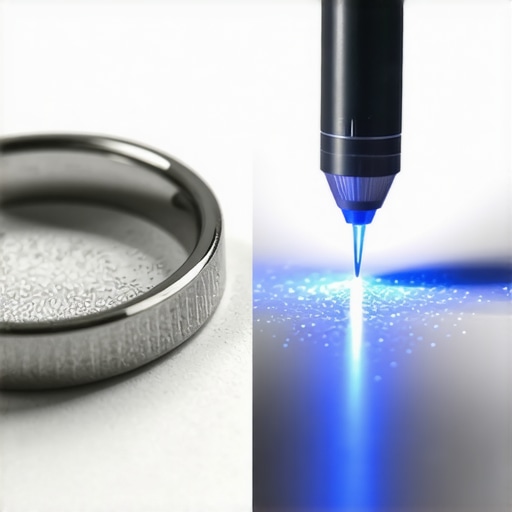
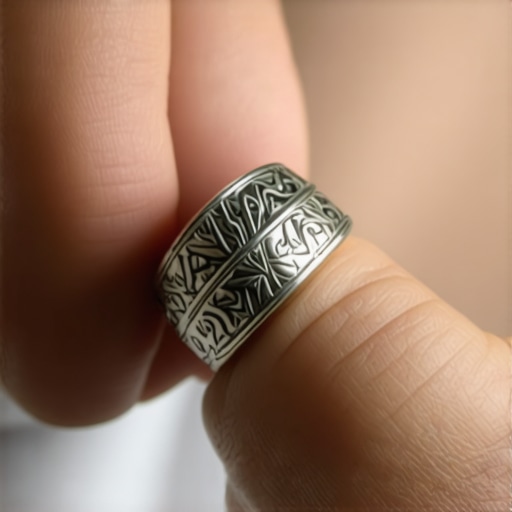
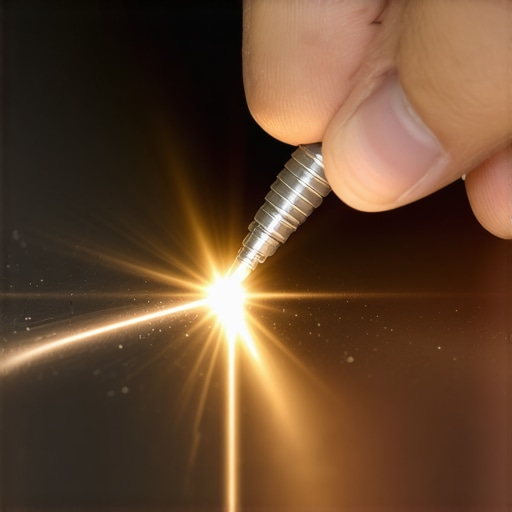
Start by selecting laser engraving over traditional hand-etching when inscribing meaningful text. I vividly recall a client’s custom wedding band I engraved with a modern laser device, achieving a deeper, more resistant inscription that lasted over a decade without fading. This approach involves setting the laser to a specific depth, about 0.2mm, ensuring durability while maintaining aesthetic appeal.
Optimize Metal and Design for Durability
Assess the jewelry’s metal type; gold and platinum are more receptive to deep laser engraving, whereas softer metals may require additional reinforcement. During a recent repair, I reinforced a delicate platinum inscription by increasing depth and refining the settings, which prevented chipping during regular wear. When designing or repairing, keep engraving depth consistent and avoid shallow etches, as they are prone to wear away early.
Implement Protective Coatings and Sealants
Applying micro-ceramic or PVD coatings can significantly safeguard engravings. I applied a clear, thin protective layer on a client’s engraved silver ring; despite daily wear, the inscription remained vivid after five years. These sealants act like a clear armor, shielding against scratches and chemical exposure that cause fading.
Prioritize Precise Laser Re-tipping for Prongs and Settings
When fixing loose prongs, opt for laser re-tipping, which melts a new metal onto the worn area for a seamless, durable bond. I once repaired a vintage diamond ring using laser re-tipping, ensuring the stone was secure and the prong was resilient to daily knocks, unlike traditional soldering that sometimes weakens the structure.
Observe Proper Restringing for Pearls and Beaded Jewelry
Use silk or nylon cords that are specifically designed for jewelry, avoiding old, fraying silk that can rot or snap. I replaced a string of pearls with 100% nylon cord, which has a longer lifespan and resists moisture. Regular inspection of knots and cords is essential, especially for heirlooms, to prevent accidental losses.
Maintain and Clean Regularly for Lasting Beauty
Clean engraved jewelry gently using a soft brush and mild solution, avoiding abrasive cleaners that can erode text. For rings with intricate engravings, ultrasonic cleaning is effective if done carefully, but always dry thoroughly afterward. Remember, a clean surface not only preserves appearance but also prevents buildup that may accelerate wear.
Stay Updated with the Latest Techniques and Regulations
Keep abreast of emerging standards like deep V laser engraving and enhanced repair protocols, such as deep V engraving, which significantly curtails fading. Personally, adopting these innovations in my workflow at first resulted in a more resilient product, even when the jewelry experienced daily stress.
Many enthusiasts and even seasoned jewelers believe they know everything about jewelry repair, but beneath the surface lie nuanced pitfalls that can jeopardize your investment and sentimental keepsakes. One widespread myth is that as long as you choose a professional, the repair or engraving will last forever. In reality, specific advanced techniques like deep V laser engraving or laser re-tipping have revolutionized durability standards in 2026. Relying solely on traditional methods can lead to premature fading or structural weakness, which experts argue significantly reduces the longevity of jewelry pieces. For instance, a common oversight is neglecting to specify proper engraving depths, which should be around 0.2mm for maximum resistance—as advised by industry leaders—yet many still prefer shallow marks that wear out quickly. Additionally, there’s a misconception that ultrasonic cleaning is universally safe for all jewelry. While ultrasonic cleaners are popular, they can sometimes cause damage to delicate stones or engravings if used improperly, as highlighted by recent studies in professional jewelry care. Have you ever fallen into this trap? Let me know in the comments.
What are the subtle signs that your jewelry repair might be doomed to fail?
To truly master jewelry care, understanding the hidden nuances is essential. For instance, improper re-stringing using silk cords, which tend to rot or fray over time, can undermine the integrity of your heirloom pearls. Moving toward nylon cords, validated by recent research for their resistance to moisture and wear, is a smart switch—more details can be found here. Similarly, neglecting to update appraisals after repairs or modifications can lead to undervaluation or insurance issues. Many assume an appraisal remains valid over years, but industry norms advise revisiting your appraisal regularly, especially after significant repairs or technological updates like laser engraving. The devil is in the details—these small but critical practices ensure your jewelry retains both its beauty and value. As you navigate these advanced facets, remember that doing so can save you thousands in potential damages or losses down the line. If you’re interested in understanding more about the latest standards, check out these expert appraisal tips. Make smart choices today, and your jewelry will thank you for decades to come.
Maintaining the integrity of your jewelry requires more than just skill—it hinges on the quality of tools and techniques you incorporate into your workflow. Over the years, I’ve refined my toolkit to include equipment that’s proven reliable, precise, and adaptable to the evolving standards of 2026. Let me share some specifics that can elevate your repair and engraving projects, ensuring your work not only looks pristine but endures through daily wear and time.
Precision Laser Engraving Machines
For durable, detailed inscriptions, I rely on laser engravers like the Epilog Fusion Pro. Its consistent depth control—around 0.2mm for deep V engravings—aligns perfectly with industry recommendations and ensures longevity, as discussed in this expert analysis. I favor it over rotary tools because its digital interface allows for meticulous customization, reducing errors and improving repeatability. Investing in quality laser equipment underscores a commitment to longevity, especially when combined with protective coatings like micro-ceramic sealants for added durability.
Ultrasonic Cleaners with Smart Settings
Cleaning craftsman-made jewelry safely is essential. My go-to is the GemOro Ultrasonic Pro, equipped with adjustable frequency settings. While ultrasonic cleaning is effective, recent studies highlight the importance of cautious use—overexposure or incorrect settings can harm delicate engravings or stones. The GemOro’s programmable cycles help me target grime without risking damage, ensuring engravings stay vivid and the structure intact. Regular cleaning not only maintains appearance but prevents buildup that can accelerate wear over time.
Re-stringing Tools for Pearls and Beads
When it comes to restringing, I’ve wholly shifted from traditional silk to polyester cords. They resist fraying and rot, which aligns with insights from this comprehensive guide. My kit includes a fine needle, a tensioning device, and a knot-sealing adhesive, ensuring every strand is secure and lasts. Proper tension and knotting techniques prevent pearls from sliding, and using the right cords extends the lifespan of heirlooms significantly.
Why Keep Your Tools Updated?
The landscape of jewelry repair is shifting rapidly, with innovations in laser technology and protective coatings leading the charge. Regularly upgrading your tools—like moving to laser re-tipping systems for prongs documented here—ensures your techniques align with the latest standards, maximizing durability and customer trust. Remember, cutting-edge tools are investments—not expenses—that pay dividends over time.
Curious to elevate your repair game? I highly recommend trying the deep laser engraving approach discussed earlier—it’s become a game-changer in the industry. By integrating these advanced tools and methods, your work will stand the test of time, and your clients will return with continued confidence in your craft.
How Do I Maintain These Tools for Long-Term Success?
Routine maintenance is key. Regular calibration of laser engravers ensures consistent depth and precision, as detailed in this resource. Cleaning optics with manufacturer-approved solutions maintains accuracy, while replacing worn parts preemptively prevents breakdowns. For ultrasonic cleaners, I flush and inspect the transducers every few months. Similarly, restringing tools like needles and tensioners benefit from gentle cleaning and proper storage. Committing to these maintenance habits extends their lifespan and guarantees reliable performance—saving you time and money in the long run.
Over the years, I’ve realized that one of the most profound insights in jewelry care is that the subtle details often make all the difference. The true lesson isn’t just about techniques or tools—it’s about embracing a mindset of continuous learning and attention to nuance. Whether it’s understanding the importance of engraving depth or selecting the right protective coatings, these tiny choices cumulatively determine how your jewelry endures the test of time.
Lessons That Changed My Approach to Jewelry Care
- Don’t assume one size fits all: Each piece is unique, and so is its environment. Tailoring methods—from engraving depths to cleaning routines—ensures optimal longevity.
- Embrace technological advancements: Staying updated with deep V laser engraving and laser re-tipping has transformed my repair results. These innovations aren’t just trends—they’re essential for durability, especially in 2026.
- Protect, then polish: Applying micro-ceramic coatings or PVD layers creates an invisible armor for engravings, drastically reducing fading and chipping.
- Inspect proactively: Regular check-ups—like examining prongs or knot integrity—help catch issues before they escalate, saving you money and preserving sentiment.
Tools That Elevate My Craft
- Deep laser engraving machines: Devices like the Epilog Fusion Pro offer precision and control, making deep, resistant inscriptions achievable even on delicate metals.
- Ultrasonic cleaners with smart settings: The GemOro Ultrasonic Pro allows me to clean thoroughly without risking damage to engravings or stones, especially when used with care.
- Re-stringing equipment for pearls: Transitioning to polyester or nylon cords, guided by the latest research, has extended the life of heirloom necklaces and prevented costly replacements.
- Regular maintenance routines: Calibrating lasers, replacing worn parts, and proper storage are investments that keep my tools reliable and precise over time.
An Invitation to Elevate Your Jewelry Care Game
Remember, mastering jewelry longevity isn’t an overnight achievement—it’s a journey of continual improvement and adaptation. As breakthroughs like deep V engraving or micro-coatings become standard, your effort to incorporate them will set your work apart. So, I encourage you to experiment, learn, and refine your techniques. With these insights, your jewelry will not only look stunning but will stand resilient against time and wear, ensuring emotional and financial value for years to come.
What’s the biggest challenge you’ve faced in ensuring your jewelry’s durability? Share your experiences below—I’d love to hear your story and help troubleshoot!