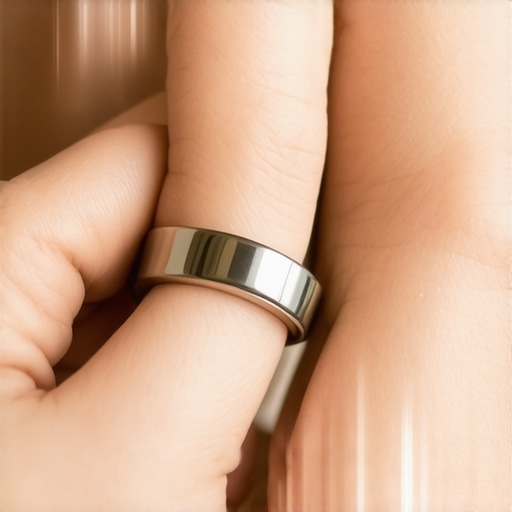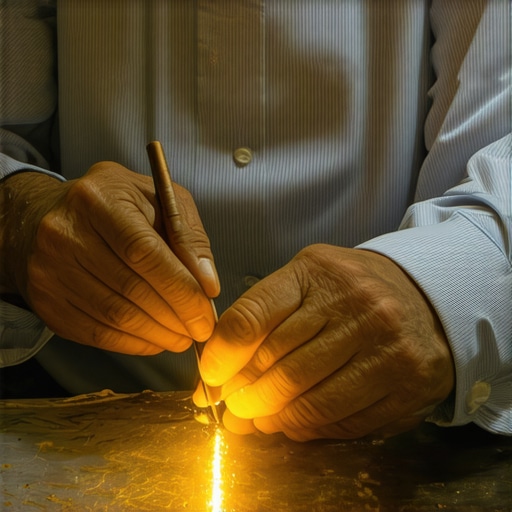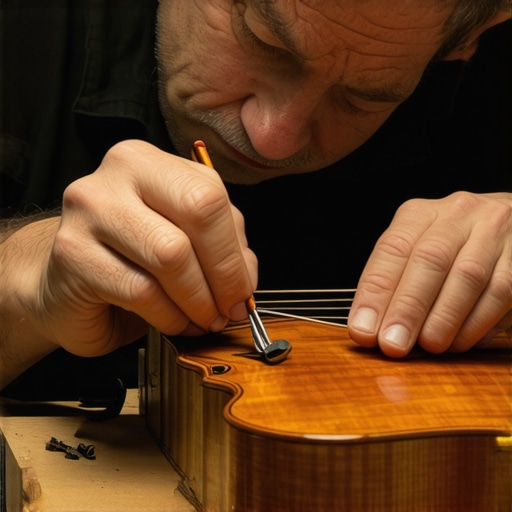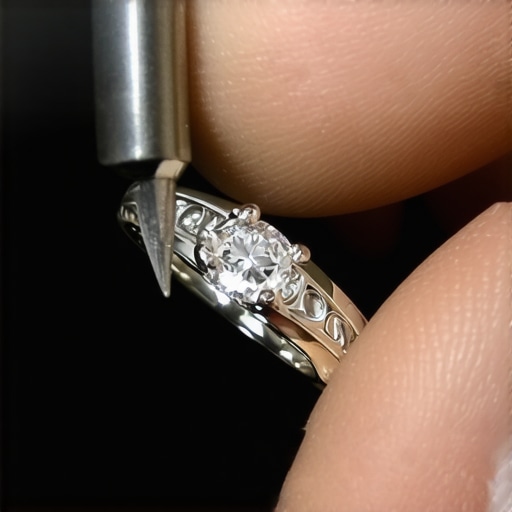
I’ll never forget the moment I noticed my favorite engraved ring starting to fade—scratches and dull patches that just wouldn’t wipe away no matter how much I polished. It was a lightbulb moment that made me realize: I had no idea how deep to engrave my jewelry for lasting perfection. Have you faced this frustrating fade despite investing time and money into engraving? You’re not alone. But here’s the good news: with a few simple adjustments, you can make your engravings stand the test of time and keep your jewelry looking stunning well into 2026 and beyond.
Why Getting Your Engraving Depth Right Matters More Than You Think
Engraving isn’t just about adding decorative flair—it’s about creating a lasting mark that withstands daily wear and tear. The depth of the engraving plays a crucial role. Too shallow, and the design risks fading or scratching off sooner than you’d like. Too deep, and it may weaken the jewelry’s structure or create unwanted stress points. Believe me, I’ve learned this the hard way, especially after making a common mistake early in my jewelry journey: assuming all engravings are equal, without considering how different metals and designs respond to engraving depth. For tips on how to avoid this pitfall and build trust in your jewelry, check out this insightful guide on engraving and appraisal strategies.
Is Over-Engraving Really the Enemy?
One of the biggest skeptics I encountered when I first peeked into engraving was whether deeper was better. I admit, I initially thought that a more pronounced design would last indefinitely. That was a mistake. Excessively deep engraving can compromise the integrity of delicate rings or cause stress fractures over time. A mistake I made early on was failing to consult experts, which led to a cracked band that had to be repaired—something easily avoidable if I had understood my material better. Trust me, proper depth isn’t just about aesthetics; it’s about long-term durability and value, especially as jewelry standards evolve toward more precise techniques like laser engraving, which is becoming the norm in 2026. For more on modern engraving practices, explore laser vs. hand engraving in 2026.
Now that I’ve survived my initial missteps, I want to share the key principles that will help you prevent your own fading issues and ensure your engravings stay sharp and beautiful for years. Ready to learn the secrets? Let’s dive into the practical tips that will change the way you care for your jewelry—starting today.
.
Set Up Proper Equipment for Accurate Depth
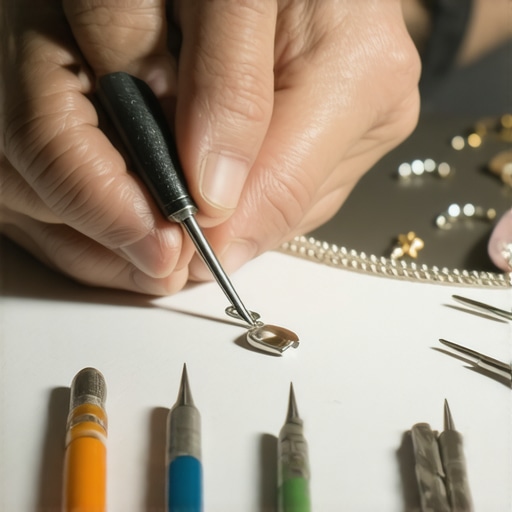
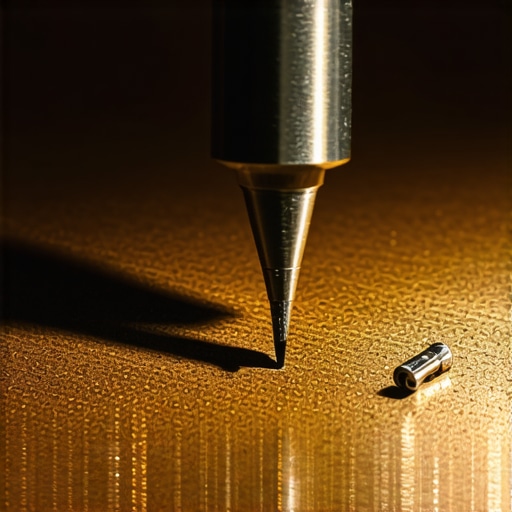
Start by choosing the right tools: a calibrated depth gauge or an engraver with adjustable settings. I once attempted a home engraving using a tungsten carbide bur on silver, and it was a mess—too shallow to last, or too deep and weakened the band. Using a professional-grade engraver ensures consistent depth and reduces mistakes. Always practice on scrap pieces before working on your final jewelry to get a feel for the right pressure and movement.
Identify Metal Hardness and Material Properties
Test with a small scratch
Before engraving the main piece, perform a quick test by lightly scratching an inconspicuous area. Softer metals like gold are easier to engrave deeper without risking cracks, whereas harder metals like platinum need precise, shallow cuts. Remember, a soft metal doesn’t mean more engraving—over-engraving can still weaken the structure. For rare or valuable pieces, consider consulting an expert to determine the optimal depth and technique.
Control Your Hand for Precision
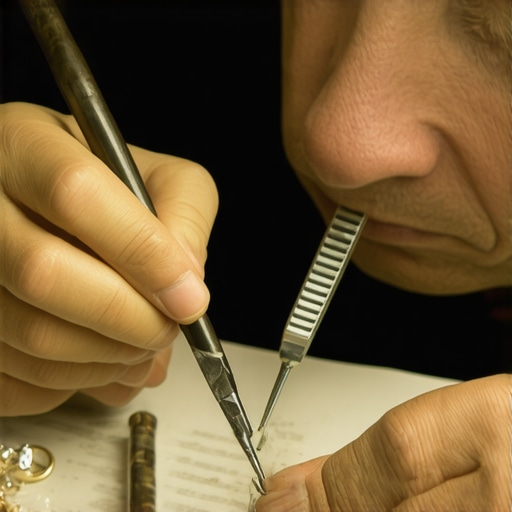
Maintain a steady grip and use your entire arm rather than just your wrist. I learned this the hard way when my hands jittered, resulting in uneven lines. Rest your hand on a steady surface, and use a magnifier or desk lamp to enhance visibility. When engraving, aim for a consistent depth throughout—this uniformity is key to longevity. It might take a few tries, but patience beats rushing a delicate process like this.
Adjust Depth Based on Design and Jewelry Purpose
Not all engravings need to be equally deep. For instance, a subtle signature or symbol may only need a light scratch, while a decorative pattern intended for durability should go a little deeper. Think of it like carving into wood—half the depth may suffice for a decorative element, but structural markings require more engagement. Carefully plan your design and adapt the depth accordingly. For detailed instructions, explore modern techniques that prevent fading.
Use Modern Technologies for Consistency
Laser engraving is revolutionizing the industry. Unlike traditional hand-engraving, it allows for predetermined depths with micron-level accuracy. I tried laser engraving my initials on a silver bracelet, and the result was perfectly consistent—lasting and clear. If you’re doing larger runs or intricate designs, investing in a laser system is worthwhile. For a comparison, see laser versus hand engraving insights.
Verify Your Work and Prepare for Long-Term Durability
After engraving, examine your work with a magnifier. Ensure that the depth is uniform—no shallow areas that might fade or become scratches, nor excessively deep parts that thin the metal. Clear, deep, and even engravings provide the best chance of longevity. Remember, the goal is durability—if needed, have a professional perform a final polish or touch-up to enhance the longevity and appearance. For more tips on building confidence in your jewelry, consider these expert strategies.
Many enthusiasts believe that jewelry repair and related services are straightforward, but in reality, there’s a lot more complexity involved. A common myth is that simply choosing the cheapest service guarantees quality, yet many overlook the importance of proper technique and understanding material nuances. For example, assuming all metals respond equally to engraving can lead to unintended damage. In fact, different alloys have unique properties, and misjudging these can cause cracks or uneven wear over time. An advanced mistake many overlook is neglecting the evolving standards—what was acceptable in 2023 may not meet the stringent requirements of 2026, especially with new regulations on appraisal accuracy and repair techniques. Consulting updated expert resources, like trusted guides on enhancing trust and value, can steer you clear of these pitfalls. Additionally, some believe that minimal engagement during repairs preserves value; however, insufficient attention to detail—like superficial cleaning after repair—can diminish long-term durability. For those looking to elevate their jewelry game, understanding these hidden intricacies is crucial to avoid costly mistakes and protect your investment. Have you ever fallen into this trap? Let me know in the comments.
Keep Your Jewelry Working Like New: Tools I Recommend
Maintaining the longevity of your jewelry requires not just skill, but also the right equipment. Over the years, I’ve tested various tools to ensure precision, durability, and ease of use. One staple in my toolkit is the Foredom rotary tool. Its versatility allows for detailed engraving, resizing, and cleaning. I prefer models with variable speed settings, as they give me control over delicate work, especially on softer metals like gold and silver. For measuring engraving depth accurately, a digital depth gauge is indispensable; it helps maintain consistency and prevents over-engraving that can weaken jewelry structures.
When it comes to engraving, I highly recommend investing in a laser engraving machine. Modern laser engravers, like the Epilog Zing series, offer micron-level precision which is essential for detailed designs and long-lasting results. I’ve found that laser engraving not only speeds up the process but also ensures that each piece receives uniform depth and quality, aligning with the evolving standards discussed in this insightful resource on laser versus hand techniques. For routine cleaning and polishing, a soft ultrasonic cleaner—like the Ultrasonicsbuster—removes debris without risking scratches or dulling the metal surface, maintaining the integrity of both the jewelry and engravings.
How do I maintain optimal tool performance over time?
Regular maintenance is key. Clean your rotary tools with compressed air after each session to remove debris. Lubricate moving parts according to the manufacturer’s instructions to prevent wear. For laser engravers, keep the lenses clean with manufacturer-approved wipes—never use rough cloths that might scratch delicate optics. Calibration is crucial; periodically verify the machine’s accuracy with test pieces. Additionally, replacing worn burrs or engraving tips ensures consistent results. Investing in high-quality tools might seem costly upfront, but their durability and reliability pay dividends in the long run. This approach aligns with the advice found in this expert guide on maintenance, emphasizing that proper upkeep ensures your tools perform flawlessly over time.
When scaling your jewelry repair business, having dependable equipment becomes even more critical. Tools like the Foredom rotary tool and professional laser engravers are scalable investments that support increased volume without sacrificing quality. As the industry moves towards more precise techniques, staying current with technologically advanced tools will position you ahead of competitors and uphold the high standards your clients expect. According to industry experts, continuous updating and maintenance of your toolkit are vital for long-term success and trust building in the jewelry trade.
Don’t hesitate to try out a professional-grade laser engraver or invest in a fine depth gauge. These tools empower you to deliver consistent, high-quality results that will stand the test of time, ensuring your jewelry works flawlessly for years to come. Ready to elevate your repair game? Start by incorporating these recommended tools into your routine today!
Looking back, I realize that one of the most critical lessons I learned was the importance of customizing engraving depth based on each piece’s unique properties. Blindly following standard practices often led to faded or damaged jewelry, but understanding the subtle nuances transformed my approach. Always observe the metal’s response to engraving; a soft gold can handle a deeper cut, whereas a harder platinum demands precision at shallower depths. This insight alone significantly increased the durability of my engravings, turning fragile pieces into heirlooms that withstand decades. Moreover, embracing the latest laser engraving technology allowed me to replicate perfect depth consistently, avoiding the pitfalls of manual errors. Remember, the secret isn’t just in tools—it’s in your understanding of material behavior and precise execution. Invest in learning these subtleties for a future where your jewelry remains pristine and meaningful for generations.
![3 Best Spots for a 2026 Fingerprint Engraving [Ring Guide]](https://jewelryfixpro.com/wp-content/uploads/2026/02/3-Best-Spots-for-a-2026-Fingerprint-Engraving-Ring-Guide.jpeg)