
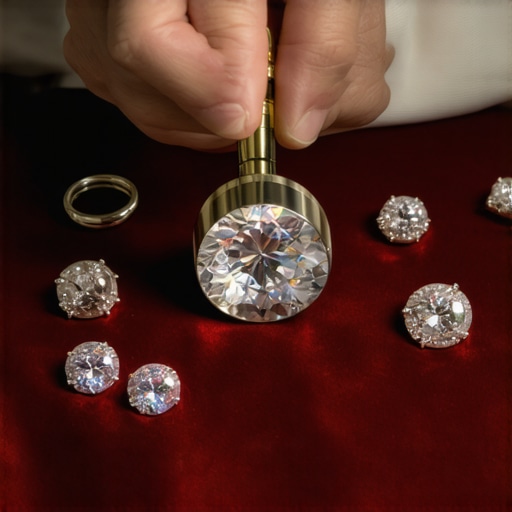
Have you ever handed over a beloved piece of jewelry for a repair or appraisal, only to feel that gnawing doubt about whether you’re truly getting the right value? I remember my first time walking into a jewelry shop, clutching a family heirloom, and leaving with more questions than answers. That lightbulb moment hit me hard—trust in jewelry appraisal isn’t just about the numbers; it’s about confidence, transparency, and knowing your jewelry’s worth inside out.
Why Trust Matters More Than Ever in Jewelry Appraisal
In a world where jewelry is often bought, sold, or passed down as an investment, understanding its real value can make or break your peace of mind. A trustworthy appraisal isn’t just a label; it’s a reflection of expertise, honesty, and accuracy. But many people, including myself initially, underestimate how critical it is to choose the right professional and ask the right questions. Making a mistake early on—like trusting an appraiser who lacked certification—cost me time and money. That’s why I want to share what I’ve learned about building trust and ensuring your jewelry’s true value is recognized.
Is Jewelry Appraisal Really Worth the Effort?
You might be skeptical—after all, what’s the big deal about a piece of paper or a quick assessment? I get it. But here’s the truth: a poorly done appraisal can leave you undervaluing your jewelry, risking financial loss or even trust in your own instincts. I once rushed into a quick appraisal without doing my homework, only to find out later that my jewelry was worth much more than I’d been told. That early mistake taught me the importance of working with certified experts, like those who offer detailed jewelry appraisal services.
Trust isn’t built overnight, but with the right knowledge and guidance, you can confidently navigate the process. Whether it’s understanding how to spot a reputable appraiser or knowing what questions to ask, I’ll guide you through the essentials. Ready to transform your approach and protect your jewelry’s value? Let’s dive into what it takes to make every appraisal count.
Verify Credentials and Choose Wisely
Start by researching professional appraisers with proper certifications like GIA or ASA. When I took my grandmother’s vintage ring for appraisal, I checked their credentials online and asked for references. This initial step is crucial; a certified expert will provide accurate assessments rather than guesswork. Don’t hesitate to ask for proof of certification, much like checking a mechanic’s license before trusting them with your car.
Ask Specific Questions to Understand the Process
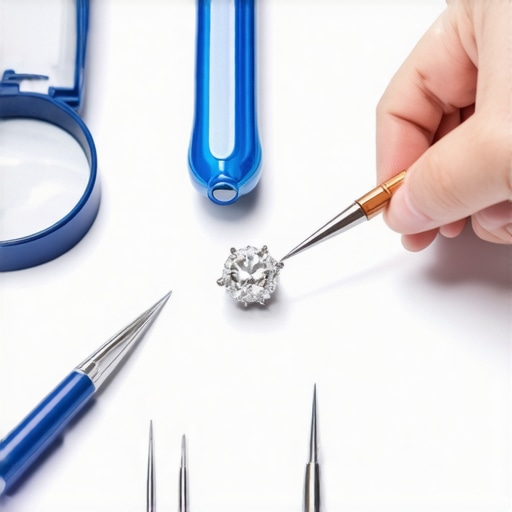
During your consultation, inquire about the methods used to determine value. For example, ask how they assess the quality of gemstones or the purity of metals. I once visited a jeweler who only looked at the piece superficially, but the trusted appraiser I later chose explained how they examine the cut, clarity, and carat weight—core factors affecting value. This knowledge helps you gauge their expertise and transparency.
Request a Detailed Report
A reputable appraisal isn’t just a number; it’s a comprehensive document. When I received my appraisal, it included photos, detailed descriptions, and the valuation basis—similar to a detailed car report. This transparency builds trust and helps you understand what contributes to your jewelry’s worth. Review the report carefully, and if anything’s unclear, ask for clarification.
Inspect and Evaluate Repair and Engraving Work
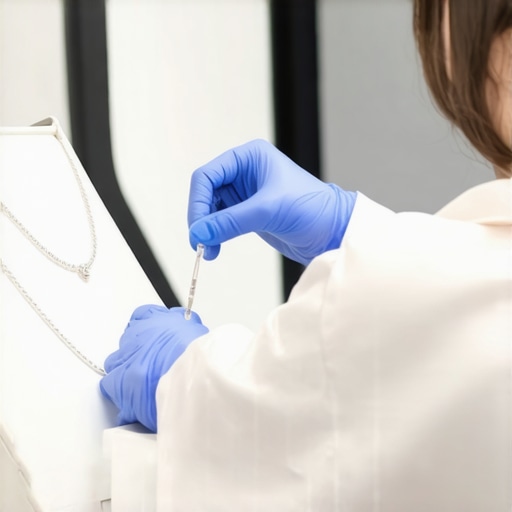
When dealing with repairs or engravings, look for quality craftsmanship. Think of it like restoring a vintage watch—precision matters. I once sent a necklace for restringing, and the technicians used high-quality materials and secure knots, which I verified by gently tugging afterward. For engravings, ensure they’re clean, well-centered, and match the style of the piece. Use trusted guides like expert engraving tips to assess quality.
Trust Your Gut and Confirm the Work
After repairs or engravings, inspect the finished piece closely. Do the details look professional? Is the setting secure? If there’s any doubt, don’t hesitate to get a second opinion. I once had a ring resized and engraved; the first jeweler’s work looked rushed, but a second opinion confirmed it was well done. This step ensures your jewelry retains its value and trustworthiness.
Maintain Documentation for Future Confidence
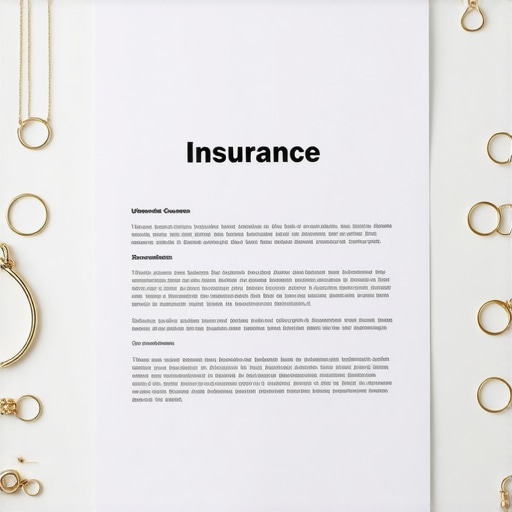
Keep all appraisals, receipts, and repair records organized. These documents serve as proof of authenticity and quality for future sales or inheritance. I store mine digitally and physically, so I always have access to details that support my jewelry’s value. Think of this as your jewelry’s health record—essential for long-term trust.
Many enthusiasts believe that getting a jewelry appraisal or repair is a straightforward task, but in reality, there are crucial nuances that often go unnoticed. For example, a prevalent myth is that all appraisals are equally reliable, which isn’t true. The truth is, not all appraisers have the same level of expertise or certification. Choosing a certified professional, such as those with GIA or ASA credentials, can significantly impact the accuracy of your valuation. I learned this the hard way when I trusted an unqualified appraiser, only to discover my jewelry was undervalued by thousands. To avoid such pitfalls, always verify credentials and ask about their experience in specific jewelry types, especially vintage or unique pieces. For advanced collectors, understanding the subtle differences in gemstone grading or metal purity assessments can make a big difference. Read more about how expert appraisals enhance trust and value.
Another common misconception is that engravings and repairs are simple upgrades. Many don’t realize that improper engraving or repair techniques can diminish a jewelry piece’s value or even cause damage. For instance, rushing through a repair without proper tools or craftsmanship can weaken settings or cause metal fatigue. Similarly, poorly executed engravings may look amateurish and reduce authenticity. When considering repairs or engravings, it’s wise to consult professionals who follow best practices, like those outlined in expert engraving tips. This attention to detail is especially important for heirlooms and investment pieces.
What Advanced Collectors Should Know About Authenticating Repairs and Engravings
For the seasoned collector or investor, the key is discerning quality craftsmanship from subpar work. Advanced techniques, like laser engraving or micro-welding, require specialized skills and equipment. Recognizing these nuances helps prevent devaluation. Studies, such as those by the Gemological Institute of America, highlight how subtle differences in craftsmanship can impact long-term value. Always request detailed documentation for repairs and engravings, including before-and-after photos and materials used. This transparency is vital for maintaining trust and ensuring your jewelry retains its true worth. Remember, a well-done repair or engraving can enhance a piece’s story and appeal, but only if executed properly.
Have you ever fallen into this trap? Let me know in the comments. Being aware of these hidden nuances can save you money and preserve the integrity of your jewelry for generations to come.
Keeping your jewelry in top condition requires more than just occasional cleaning; it involves using the right tools, consistent maintenance, and understanding how to troubleshoot issues as they arise. I’ve personally found that investing in specialized equipment and adopting precise methods can significantly extend the life of your pieces and preserve their value over time.
Choose Quality Tools for Re-stringing and Repairs
When I perform restringing jewelry, I rely on a high-quality beading needle and professional-grade silk or nylon cords. Cheap tools tend to fray or break easily, which can compromise the integrity of your work. For example, I prefer using a Beadalon beading needle, which has a smooth eye for easy threading and minimizes damage to delicate threads. Additionally, a jeweler’s loupe, preferably 10x magnification, helps me inspect knot security and clasp integrity during repairs or restringing.
Implement Precise Cleaning and Inspection Routines
Regular maintenance is key. I recommend a gentle ultrasonic cleaner for gold and platinum pieces, but always check if your jewelry contains fragile stones like emeralds or pearls that might be damaged by ultrasonic waves. After cleaning, I inspect each piece under a magnifier for loose settings, worn prongs, or any signs of metal fatigue. This proactive approach prevents minor issues from escalating, saving you money and ensuring your jewelry remains trustworthy.
Utilize Specialized Software to Track Maintenance
Modern technology can assist in managing your jewelry’s health. I use a simple spreadsheet to log each repair, cleaning date, and any upcoming maintenance needs. For more advanced tracking, jewelry management software like Gemware or Jewelers’ Helper offers detailed records and reminders. This systematic approach ensures you don’t overlook essential upkeep, especially for high-value or heirloom pieces.
Where Do I Maintain Jewelry Over Time
Consistency is the secret. Schedule regular inspections every six months, especially if you wear your jewelry daily. When I notice a loose stone or a bent clasp, I visit my trusted jeweler promptly before the issue worsens. Remember, even sturdy jewelry benefits from professional check-ups to catch subtle signs of wear.
Looking ahead, I predict that advancements in micro-welding and laser repair tech will make in-home maintenance easier and more effective. Staying informed about these innovations could empower you to handle minor repairs yourself, further building trust in your jewelry. For now, I encourage you to try out a professional-grade jeweler’s loupe and schedule a routine inspection—small investments like these can make a big difference in the longevity and trustworthiness of your jewelry collection.
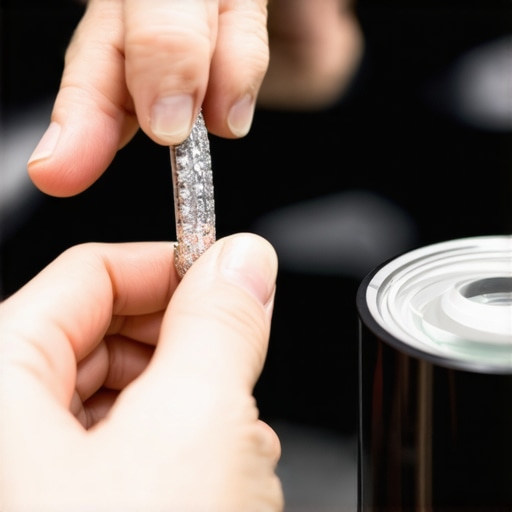
Lessons I Wish I Learned the Hard Way About Jewelry Trust
- Always verify credentials—trust me, a certification from GIA or ASA isn’t just a formality; it’s your safeguard against undervaluation and shoddy work. I once trusted a non-certified appraiser and ended up with a valuation that didn’t reflect my jewelry’s true worth.
- Don’t skim on detailed reports—these documents are your proof of authenticity and quality. When I received a comprehensive report including photos and descriptions, it became my go-to reference for future sales and repairs.
- Quality craftsmanship in repairs and engravings matters more than you think. Amateurish work can diminish your jewelry’s value, so always choose professionals who follow strict standards, like those outlined in expert engraving tips.
- Keep all records organized—appraisals, receipts, repair logs. This habit has saved me time and money when I needed to prove my jewelry’s value or authenticity.
- Trust your instincts—if something feels off during an appraisal or repair, don’t hesitate to ask questions or seek a second opinion. My experience with rushed repairs taught me that patience and thoroughness pay off.
Tools and Resources That Elevated My Jewelry Trust Game
- Certified appraisers, especially those with GIA or ASA credentials, are non-negotiable. Their expertise ensures accurate valuations and trustworthy assessments.
- High-quality tools like a jeweler’s loupe and ultrasonic cleaner have helped me maintain my jewelry’s integrity and spot issues early. For detailed records, I rely on jewelry management software like Gemware for systematic tracking.
- Reading materials such as “Expert Jewelry Appraisal Tips” and “Engraving Techniques to Build Trust” have expanded my understanding of craftsmanship standards and helped me communicate more effectively with professionals.
- Never underestimate the power of a good reference—recommendations from trusted sources or fellow collectors often lead to the best service providers.
Your Next Step Toward Jewelry Confidence
Building trust in your jewelry’s appraisal and repair process isn’t just about avoiding mistakes; it’s about empowering yourself to make informed decisions that preserve your treasures for generations. Start small—verify credentials, ask questions, and keep detailed records—and watch your confidence grow. Remember, every piece of jewelry has a story, and ensuring its trustworthiness allows that story to shine even brighter.
What’s the biggest challenge you’ve faced when trying to trust a jewelry appraisal or repair? Let me know below—I’d love to hear your experiences and tips!



I really appreciate how detailed this post is—trustworthiness really is the cornerstone when it comes to jewelry appraisal and repair. When I first inherited a vintage brooch, I didn’t realize how crucial verifying credentials was; I ended up trusting an appraiser with no certification, and the valuation turned out to be much lower than I expected. Since then, I make it a point to seek out certified professionals, especially those with GIA or ASA credentials, for all my jewelry dealings. One thing I’ve found helpful is maintaining a digital folder of all appraisals, repair receipts, and photos. It’s saved me when I needed to prove authenticity or value for insurance purposes. Do others have tips on how to organize such documentation effectively, especially for high-value or heirloom pieces? It’s such a simple step that can really bolster your confidence in your jewelry’s worth and history.