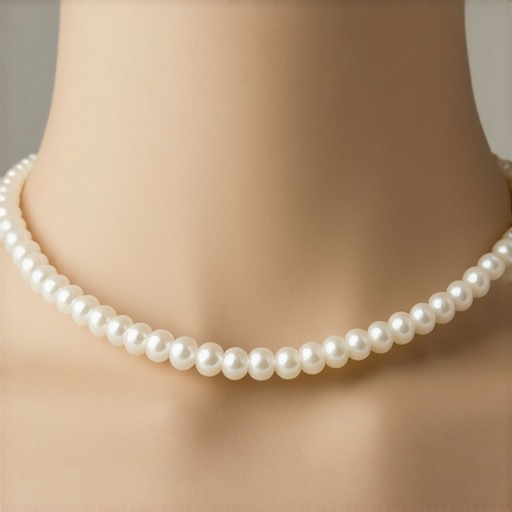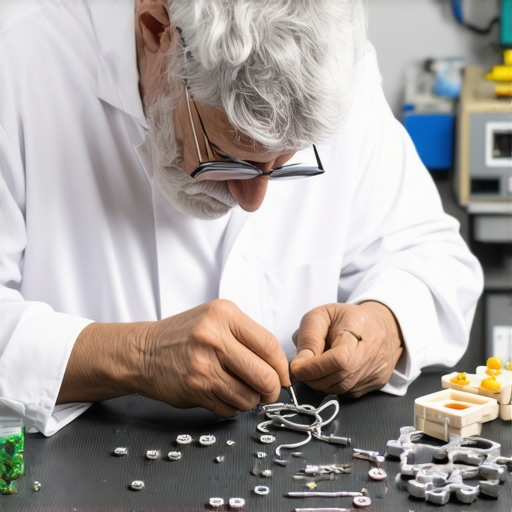
Ever had that sinking feeling when your favorite necklace suddenly breaks or your cherished bracelet becomes loose? I’ve been there too. One moment, you’re admiring your jewelry, and the next, you’re frantically trying to fix it before it falls apart completely. It’s a frustrating experience that can shake your confidence in your jewelry’s value and durability.
Why Trust in Restringing and Repair Matters More Than Ever
Jewelry isn’t just about looks; it’s about sentiment, trust, and lasting value. When your jewelry starts to show signs of wear, it’s tempting to dismiss it or hope it’ll last a little longer. But that’s usually a mistake. Proper restringing and repair can restore not only the piece’s appearance but also its integrity and your confidence in it. In fact, a well-executed repair can even increase your jewelry’s value, especially when done by a trusted professional. Did you know that improper repair techniques can cause irreparable damage? I once tried to restring a delicate pearl necklace myself—big mistake. I ended up weakening the strand, making me realize early on that DIY isn’t always the way to go. That’s why learning the right methods or trusting an expert is crucial. If you’ve ever faced this dilemma, you’re not alone. And I promise, the right approach can make all the difference.
Is Restringing and Repair Really Worth the Investment?
Absolutely. Many people underestimate how much value a proper repair adds to their jewelry. It’s not just about fixing a broken string; it’s about preserving memories, safeguarding investments, and maintaining confidence in what you wear. When done correctly, restringing and repair can turn a worn-out piece into something that feels brand new. Want to see how trusted professionals approach this? Check out this insightful guide on expert techniques that reinforce your jewelry’s value and trustworthiness. Ready to learn the secrets to lasting jewelry confidence? Stay tuned, because I’ll walk you through practical tips to ensure your jewelry stays stunning and secure for years to come.
Assess the Damage Carefully
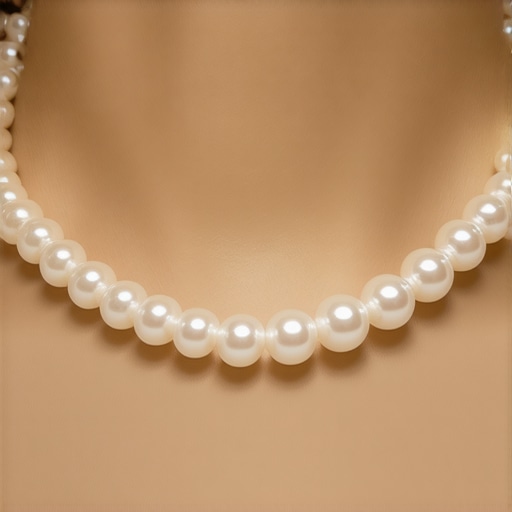
Begin by examining your jewelry piece thoroughly. Check for frayed threads, loose clasps, or broken links. For example, I once noticed a clasp on my pearl necklace was loose after wearing it for years. Instead of rushing into a repair, I took the time to inspect every component, which revealed that the thread was worn out, and the clasp was slightly corroded. This initial step is crucial because it guides the subsequent actions and prevents further damage. If unsure, consider consulting an expert for a professional jewelry appraisal to understand the full extent of the damage.
Choose the Right Materials and Tools
Using high-quality materials ensures durability and trustworthiness. For restringing, opt for silk or nylon threads designed specifically for jewelry. For metal repairs, use sterling silver or gold-filled findings. When I restring my own pieces, I always keep a variety of appropriate threads and clasps on hand. A common mistake is to use cheap or incompatible materials, which can compromise the piece’s integrity. Invest in professional tools like beading needles, pliers, and crimping tools, as these are essential for precise work. Proper tools not only make the process easier but also help maintain the jewelry’s value. For detailed techniques and trusted tool recommendations, visit this guide.
Disassemble with Care
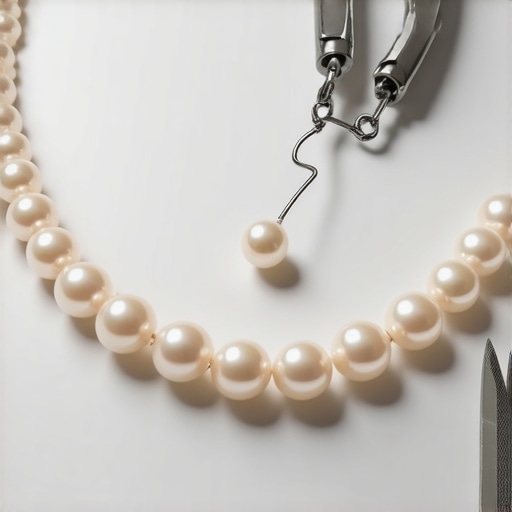
Carefully remove the damaged thread or broken components, keeping the rest of the jewelry intact. For example, I once had to disassemble a beaded bracelet; I used gentle pliers to open jump rings without distorting them. This step requires patience to avoid damaging delicate beads or metalwork. Document the process if needed, taking photos to ensure correct reassembly. Remember, a hasty disassembly can lead to more repairs later, so proceed slowly and methodically.
Restring with Precision
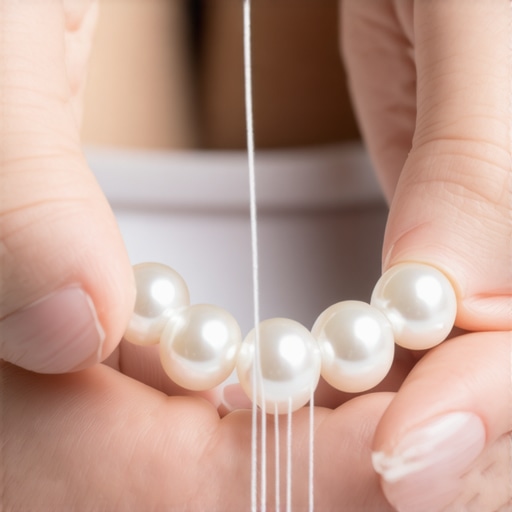
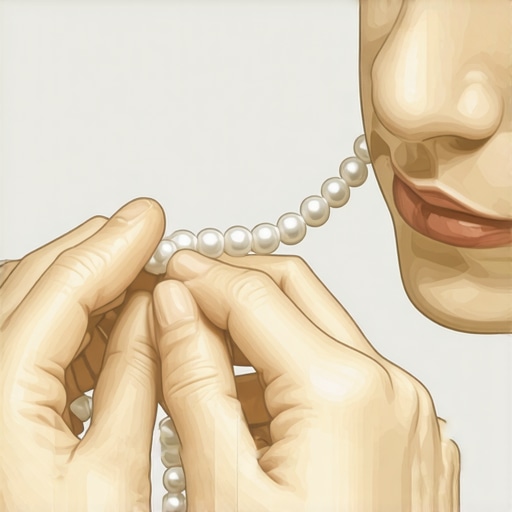
Cut a length of new thread about three times the length of the original, giving enough slack for tying knots and adjustments. Thread your needle, then carefully string the beads or components in the original order. I recommend adding a drop of jewelry glue at knot points for extra security. When I restring my jewelry, I pay close attention to tension, ensuring the thread isn’t too tight or too loose, which can affect the durability and look. Use trusted restringing tips to reinforce your confidence in the process.
Secure and Finish Properly
Finish by tying secure knots, often using surgeon’s knots for extra hold. Trim excess thread carefully and hide knots inside beads or clasps. Apply a small amount of jewelry glue to knots for added security. For metal repairs like replacing clasps or links, soldering or crimping might be necessary—these should be done by professionals if you’re inexperienced. Always double-check the security by gently tugging on the jewelry. This last step is vital in building trust in your repair skills and ensuring the piece’s longevity.
Get a Professional Opinion When Needed
If the damage is extensive or involves valuable or delicate jewelry, consult a trusted professional. An expert can perform intricate repairs, such as delicate stringing with silk or re-soldering metal parts, maintaining the jewelry’s original integrity. For the most reliable results, consider a professional repair and appraisal that guarantees quality and trustworthiness. Remember, investing in expert repair isn’t just about fixing the piece; it’s about preserving its value and your confidence in wearing it.
Many jewelry enthusiasts and even seasoned collectors fall prey to misconceptions that can hinder their ability to care for their pieces properly. Let’s dig deeper into some of these myths and uncover the truths that can save you time, money, and precious pieces.
Why DIY Repair Often Backfires, and What You Might Not Know
One of the most widespread misconceptions is that repairing jewelry is easy enough for a quick DIY fix. While minor repairs like tightening a clasp or replacing a bead might seem straightforward, the reality is far more nuanced. For instance, attempting to restring a delicate pearl necklace without proper tools and techniques can weaken the strand or cause irreparable damage. Many assume that using cheap materials will save money, but in fact, inferior threads and findings can compromise the entire piece’s integrity. In my experience, trusting a professional ensures that repairs adhere to the original craftsmanship, maintaining both value and appearance. To learn more about the importance of using quality materials and professional techniques, visit this guide.
Common Mistakes When Assessing Damage and How to Avoid Them
A critical step often overlooked is an honest assessment of the damage. Some people jump straight into repairs after noticing a loose clasp or broken link. But without a thorough inspection, you might miss underlying issues like worn threads, corroded metal, or hidden cracks. This oversight can lead to repeated failures or even loss of the jewelry. I recommend taking the time for a detailed examination or consulting an expert for a professional appraisal before proceeding. Recognizing the full scope of damage ensures that repairs are appropriate and durable, preventing future mishaps.
What Advanced Repair Techniques Are Often Overlooked?
Many assume that basic knotting or crimping techniques are sufficient for all repairs. However, advanced methods like soldering or ultrasonic welding are often necessary for high-value or delicate jewelry. For example, re-soldering a broken gold link requires precision and specialized equipment. Skipping these techniques or attempting to DIY soldering can lead to further damage or weaken the piece. Professional repair experts employ these advanced techniques to restore jewelry to its original strength and appearance. If you own valuable items, investing in professional repair and appraisal is well worth it. Remember, the goal isn’t just to fix but to preserve the integrity and value of your jewelry.
Have you ever fallen into this trap? Let me know in the comments. Staying informed about what truly works in jewelry repair helps you make smarter choices and keeps your pieces beautiful for years to come!
How do I keep my jewelry repairs functioning smoothly over time?
Maintaining the longevity of your jewelry repairs requires more than just initial fixing; it involves consistent care and the right tools. One of my favorite investments is a high-quality set of jewelry pliers, such as the Kuhn Rikon Expert Pliers. These are designed with precision tips that prevent damage to delicate metals and beads, ensuring every repair or adjustment remains trustworthy. I personally prefer these because they offer excellent grip and control, which is crucial when tightening or crimping tiny components. Trustworthy tools like these help me keep repairs consistent and secure, preventing future mishaps.
Additionally, a reliable beading needle is indispensable for restringing fine jewelry. I recommend the John Bead Steel Beading Needles because their thin yet sturdy design allows me to thread through tiny beads multiple times without bending or breaking. Regularly inspecting and replacing your needles ensures your work remains precise and stress-free. Having a dedicated workspace with organized containers for different threads, findings, and tools also saves time and reduces errors during repairs.
What advanced techniques are worth mastering?
One technique I’ve found invaluable is ultrasonic cleaning. After repairs, dirt and oils can accumulate in tiny crevices, undermining the integrity of your work. Using an ultrasonic cleaner like the Neiko Ultrasonic Jewelry Cleaner can remove residues thoroughly, restoring the piece’s original luster and preventing corrosion. This step is especially crucial for vintage or delicate jewelry, where dirt can cause deterioration over time. Incorporating regular ultrasonic cleaning into your maintenance routine boosts durability and keeps your jewelry looking its best.
Another advanced skill is professional soldering. For high-value or complex repairs, a soldering kit such as the Tabiger Soldering Kit allows you to re-join broken metal components seamlessly. I recommend practicing with scrap pieces first, following expert tutorials, and considering professional guidance to ensure safety and precision. Mastering soldering extends your repair capabilities, especially for custom or heirloom jewelry.
Future trends in jewelry maintenance and repair
Looking ahead, I believe the integration of digital tools such as augmented reality (AR) apps for virtual repairs and 3D printing for custom components will revolutionize jewelry care. These innovations promise faster, more accurate repairs, reducing the need for multiple visits to repair shops. For now, investing in quality hand tools and learning advanced techniques like ultrasonic cleaning and soldering will significantly extend the life of your jewelry. I encourage you to try one of these methods today—perhaps starting with ultrasonic cleaning—to experience immediate benefits and build your confidence in DIY maintenance. Proper care and expert tools are your best allies in keeping your jewelry working beautifully for years to come.
Lessons from Tough Breaks and Repair Wins
- One of the hardest lessons I learned was how easily DIY repairs can go wrong when you underestimate the importance of proper materials. Using cheap threads or inappropriate tools might seem like a quick fix but often leads to more damage. Trusting an expert and learning from their techniques saved my favorite necklace from total ruin.
- Another insight was realizing that assessing damage thoroughly is crucial. I used to jump straight into fixing loose clasps without inspecting for underlying wear. Now, I always take the time to examine every component, which helps me avoid repeated repairs and keeps my jewelry looking flawless longer.
- Finally, mastering advanced techniques like soldering or ultrasonic cleaning has transformed the way I maintain jewelry. These methods aren’t just for professionals—they’re accessible and can dramatically extend the life of your pieces when learned and applied correctly.
Tools and Resources That Elevate Your Jewelry Care
- Trustworthy tools like the Kuhn Rikon Expert Pliers have become my go-to for precise repairs. Their quality prevents damage and makes every fix feel professional.
- For restringing, I swear by trusted restringing tips. They help me reinforce my confidence and ensure the durability of my jewelry.
- Regular ultrasonic cleaning with a Neiko Ultrasonic Jewelry Cleaner keeps my vintage pieces pristine and prevents deterioration, making maintenance easier and more effective.
- For in-depth learning, I recommend exploring this comprehensive guide on professional repair techniques that preserve value and trust.
Your Next Step to Jewelry Confidence
Taking care of your jewelry with the right techniques, tools, and expert help isn’t just about fixing pieces; it’s about building lasting trust in your collection. Every repair is a chance to learn, improve, and protect your investment. Don’t wait for a break—start applying these insights today and see your jewelry shine with renewed confidence. Remember, the key is consistent care and knowing when to consult the pros. Your jewelry’s beauty and trustworthiness depend on it!
Have you ever faced a repair challenge that taught you a valuable lesson? Share your story below—I’d love to hear how you keep your jewelry lasting and trustworthy!

![Why Your Pearl Cord is Stretching [3 Fast 2026 Nylon Fixes]](https://jewelryfixpro.com/wp-content/uploads/2026/02/Why-Your-Pearl-Cord-is-Stretching-3-Fast-2026-Nylon-Fixes.jpeg)