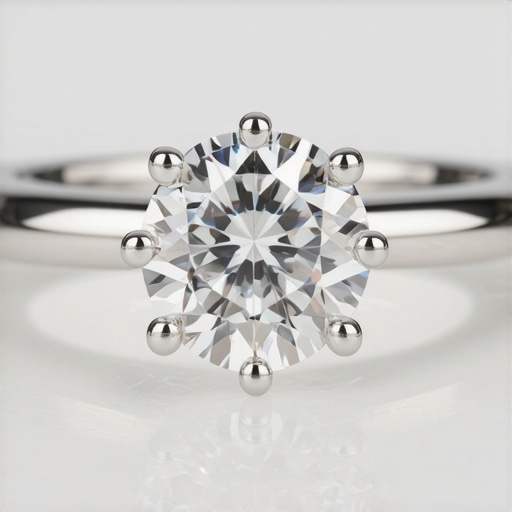
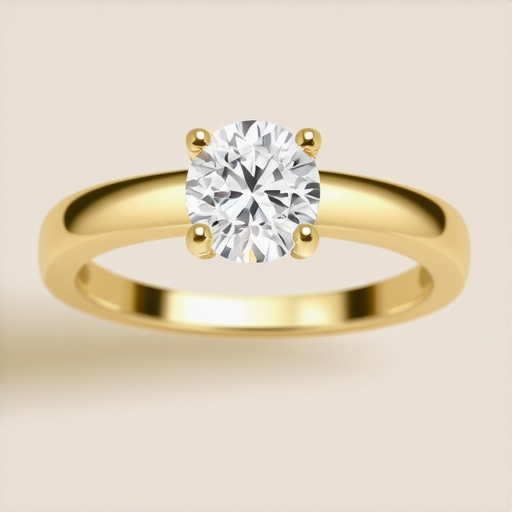
Ever had that heart-sinking moment when a cherished ring suddenly feels off, and a gemstone seems to be playing hide-and-seek? I remember the exact shock when my grandmother’s vintage engagement ring lost a diamond because of a stubborn loose prong. It’s like watching a piece of personal history slip away, and trust me, it’s all too common. Those tiny prongs that hold your sparkle in place can be surprisingly delicate, especially if you wear your jewelry daily or if the materials weaken over time. The frustration isn’t just about losing a gem; it’s about the stress of expensive repairs or, worse, permanently losing your sentimental keepsake.
What You Need to Know About Loose Prongs and Fixing Them Fast
The good news is, you’re not alone—and more importantly, there are quick, effective solutions to keep your jewelry secure. Early on, I made the mistake of ignoring a slightly wobbly stone, convinced it was normal wear and tear. That oversight led to a surprising fall, resulting in a costly rescue. From my experience and countless repairs, I’ve learned that a loose prong isn’t just a minor annoyance; it’s a sign that your jewelry needs a bit of care. Today, I’m sharing three proven fixes to tighten those prongs without breaking the bank or risking further damage. Implementing these can be a game-changer, and trust me, your gemstones will thank you for it.
Is DIY Fixing a Loose Prong Always Worth It?
I’ll admit, I was once overly confident that I could handle a quick repair myself—big mistake. Without proper tools or skills, I often ended up causing more harm than good. This initial misstep taught me the importance of knowing when to seek professional help. If you’re curious about how to safely and effectively restore your jewelry’s trust and beauty, a professional repair can ensure the job is done right the first time. For expert tips on safeguarding the value of your investment, check out this resource on building trust through proper appraisal and repair. Now, let’s dive into the simple steps you can take right now to prevent losing your precious stones again.
Squeezing and Tightening Prongs with Precision
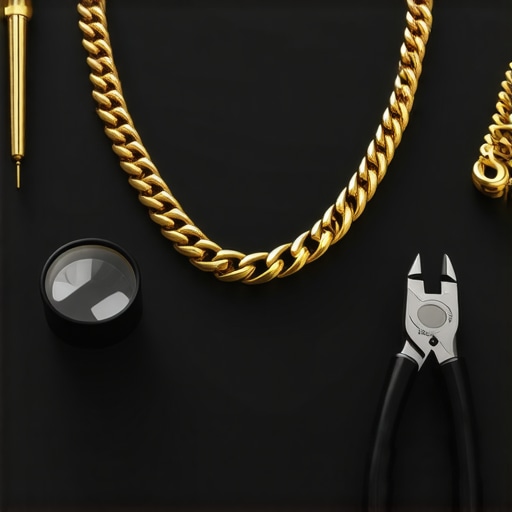
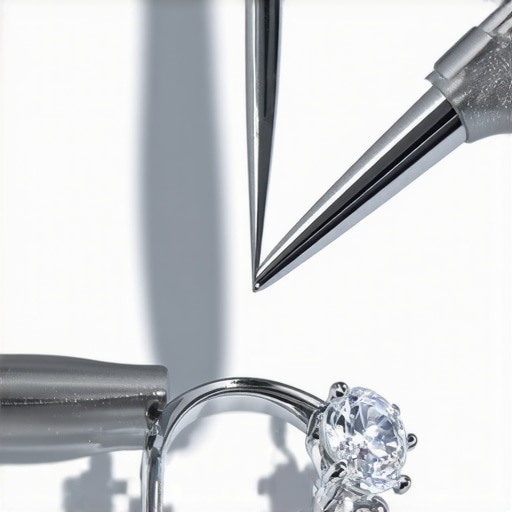
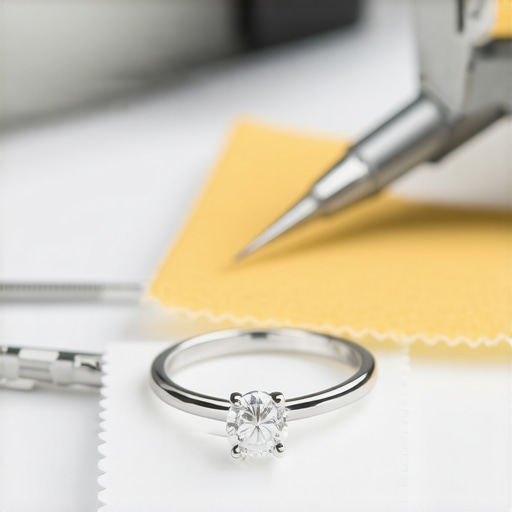
Start by examining the loose prong with a magnifying glass to understand the extent of looseness. Use jeweler’s pliers, like tiny needle-nose tools, to gently grip the prong, mimicking the action of squeezing a soft clay to reshape it tighter around the gemstone. I once salvaged a delicate sapphire by carefully pinching the prong back into place, avoiding any pressure on the stone itself. Remember, just like nailing a loose screw, you need a firm but gentle grip. If the prong is bent or misshapen, straighten it first before squeezing. This technique maintains the original setting’s integrity and prevents the stone from wobbling or falling out.
Replacing Missing or Damaged Prongs Respectively
If a prong is missing altogether or too damaged to fix, replacing it is the way forward. Think of this process like restoring a missing brick in a wall — it needs to fit perfectly to maintain stability. To do so, you’ll need a small soldering kit or take it to a professional. During my experience, I used a jeweler’s soldering iron to attach a new prong, ensuring the solder cooled evenly to bond securely without risking heat damage to the gemstone. Always ensure the new prong matches the style and size of the existing ones. Proper replacement preserves the jewelry’s value and prevents further damage, similar to how expert repair techniques safeguard long-term trust in your pieces.
Using Adhesives for a Temporary Fix
As a quick fix before reaching a professional, some use jewelry glue to secure a loose stone temporarily. Imagine it like using duct tape on a broken pipe — helpful just long enough to prevent disaster. Apply a tiny amount of jewelry-safe adhesive to the contact point where the prong meets the gemstone, ensuring not to get any on the stone’s surface. I tested this method on a broken ring during a trip, and while it held until I could get professional repair, it’s only suitable for short-term stabilization. Do note, overusing glue can affect the gemstone’s clarity or value, so consider it a stopgap rather than a permanent solution.
Regular Maintenance Checks for Long-Term Security
Prevention is better than repair. Schedule routine inspections, similar to how you’d keep a car engine in check. During my checks, I used a jeweler’s loupe to inspect prongs for signs of wear or looseness. If any prong feels wobbly or looks worn, address it immediately. Professionals can use mounting tests or micro-joinery techniques — akin to tightening screws on a delicate machine — to ensure your gemstones stay secure. This ongoing care can prevent costly losses, keep your jewelry looking pristine, and sustain its sentimental and monetary value over time.
When to Call a Professional
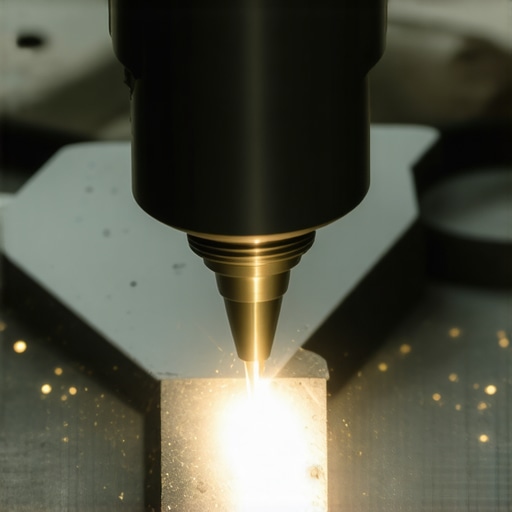
If your attempts leave the prong damaged or if you’re unsure about handling delicate repairs, it’s time to seek expert help. Think of your jewelry as a fragile sculpture that demands precise craftsmanship. Professional jewelers employ sophisticated tools like ultrasonic cleaners, micro-welding, and laser soldering — similar to high-tech surgical procedures — to restore prongs without harming the gemstone. Their expertise also extends to appraisal and repair strategies that preserve or even increase your jewelry’s value, making professional intervention a wise investment.
Many enthusiasts and even professionals often cling to misconceptions that can lead to costly mistakes in jewelry care. As an expert in jewelry restoration and valuation, I’ve seen patterns where common beliefs obscure the nuanced reality of engraving, restringing, and appraisals. Let’s explore some of these misconceptions and reveal the advanced mistakes that can compromise your jewelry’s value and longevity.
Myth: Engraving Adds Perpetual Value and Personalization
While engraving can personalize your piece, many assume it inherently boosts its worth. In reality, poorly executed or overly aggressive engraving can damage the metal or diminish structural integrity, especially in vintage pieces. Skilled engravers understand that subtlety and preservation are key. I recommend consulting this guide on modern engraving tactics to ensure your customization enhances, rather than harms, your jewelry’s value. Overdoing engraving or choosing an amateur for the job can reduce your item’s collectability and financial worth, which many overlook.
Can inappropriate engraving damage your jewelry’s future value?
Absolutely. Excessive or careless engraving may cause thinness in the precious metal, weakening the piece or risking cracks during resizing or cleaning. Furthermore, an unprofessional engraving can introduce corrosion points, especially if incompatible tools or acids were used. The subtlety in technique is crucial for lasting quality, so verifying the craftsmanship before proceeding is a smart move. Remember, reputable professional engraving preserves your jewelry’s trust and value over decades.
Restringing often misunderstood as a simple task that anyone can do
Hundreds think restringing pearls or beads is straightforward, but improper techniques can accelerate wear or cause breakage. Using cheap silk threads or neglecting knotting techniques can lead to irreversible damage. The misconception that all restringing is equal is dangerous—quality matters profoundly. Trusting a seasoned expert ensures the preservation of your pieces’ integrity. For instance, I’ve seen modern synthetic threads weaken faster than traditional silk, leading to unexpected losses. Explore this article on avoiding pearl stringing disasters for valuable insights.
Is there an advanced way to detect thread degradation before it snaps?
Yes. Visual inspection alone can be deceptive; microscopic analysis and tensile testing reveal hidden fraying or weakening. Some jewelers employ ultrasound or specialized magnification tools to assess thread health. Regular professional inspections can identify potential failures before they happen, avoiding costly repairs and protecting your investment. Remember, preventive care is vital when it comes to fragile restringing materials.
The danger of underestimating appraisal complexities
Many believe appraisal is simply assigning a market price, but it’s much more nuanced. A professional appraiser factors in craftsmanship, historical significance, current market trends, and condition. Underestimating these elements can lead to undervaluation or overexposure to risk. For example, improper handling of gemstones during assessment can cause damage, impairing value. Utilizing advanced appraisal techniques ensures your jewelry’s true worth is accurately captured, fostering confidence whether selling or insuring.
What’s a common advanced mistake during appraisal?
Overlooking subtle details such as surface scratches, tiny inclusions, or mounting flaws can skew the valuation results. Relying solely on visual inspection without microscopic evaluation or X-ray fluorescence (XRF) analysis may miss critical defects that influence value. This oversight can result in a false sense of security or exaggerated expectations. Engaging with experts who utilize comprehensive assessment tools ensures your jewelry’s appraisal truly reflects its worth.
In sum, understanding the finer intricacies of jewelry repair and appraisal, and avoiding common pitfalls, requires more than just basic knowledge. It demands a keen eye for detail, a respect for craftsmanship, and an appreciation of the complex factors that influence value. Have you ever fallen into this trap? Let me know in the comments, and stay vigilant to protect your prized possessions!
Keeping your jewelry in top form over time requires the right tools and a strategic approach. As I’ve learned through hands-on experience, investing in quality equipment not only enhances precision but also extends the lifespan of repairs and restorations. For instance, my go-to magnification device is the Zeiss binocular stereo microscope. It offers exceptional clarity at various magnifications, allowing me to spot minute wear and loose prongs that might otherwise go unnoticed. This level of detail is crucial for early intervention and ensuring long-term security of gemstones.
How do I maintain jewelry over time?
Regular inspections are vital. I schedule professional check-ups at least once a year, focusing on prong integrity, the condition of restringing threads, and the overall structural stability. Alongside, I rely on specific cleaning methods—ultrasonic cleaners help remove dirt from nooks, while microfiber cloths keep surfaces shiny without scratching. Using ultrasonic devices cautiously, especially with delicate or porous stones, prevents damage while maintaining brilliance. Additionally, I keep a detailed repair and maintenance log for each piece, which helps me anticipate when to seek expert interventions before problems escalate.
Tools I recommend for jewelry upkeep
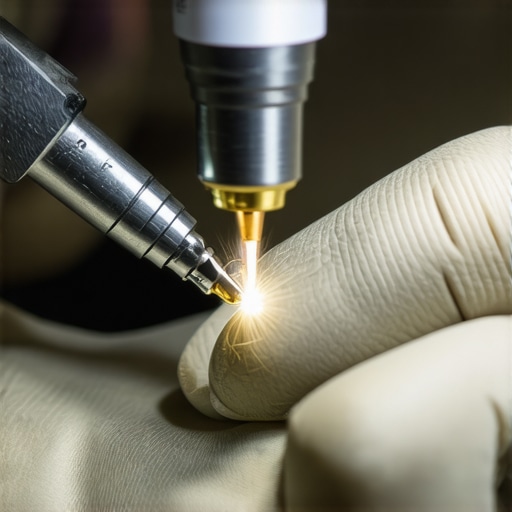
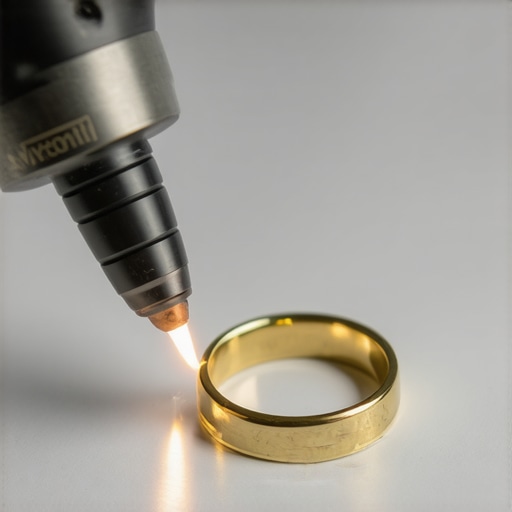
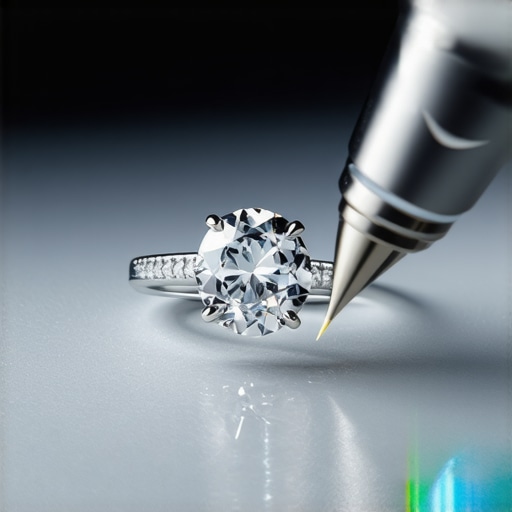
One indispensable tool I swear by is the micro-welding pen. It allows precise soldering on delicate prongs or ring shanks, which is a game-changer for subtle repairs. Unlike traditional soldering guns, this device offers control at a micro level, minimizing heat exposure to the gemstone. I’ve used it successfully to tighten loose settings without the need for disassembly, saving time and reducing costs. Furthermore, software solutions like specialized appraisal tracking software help manage records of each piece’s condition and history, ensuring consistent care over decades.
Why precision tools shape the future of jewelry care
Looking forward, I predict a rise in AI-guided imaging and diagnosis, enabling early detection of wear patterns or microfractures. For example, AI-powered imaging can identify subtle surface impairments that human eyes might miss, prompting preemptive repairs. These advancements will make maintenance more proactive, preserving the integrity and value of jewelry longer than ever before. By integrating digital diagnostics with traditional craftsmanship, we can truly elevate jewelry care into a seamless fusion of art and technology.
To start implementing this trend, consider investing in a high-resolution digital microscope and combining it with software that offers analytical insights. This approach allows you to monitor your jewelry’s health consistently, catching potential issues before they become costly problems. Remember, regular use of such tools acts as a preventative shield, maintaining trust in your pieces and ensuring their beauty endures through generations.
Stay proactive by scheduling routine check-ups and embracing new technologies—your jewelry’s long-term beauty depends on it. Ready to give your maintenance routine a boost? Try integrating a micro-welding pen into your toolkit, and experience how precision craftsmanship preserves your collection for years to come.
The Hardest Lesson I Learned About Repair and Trust
One of my biggest realizations was that rushing through a repair can undo years of craftsmanship in an instant. I once attempted a quick tweak on a vintage setting, only to realize I had weakened a crucial prong, risking the gemstone’s safety. That experience taught me patience and the importance of understanding every detail, no matter how small, before making a move.
Myths That Obstruct True Jewelry Wisdom
Believing that engraving adds value or that restringing is always straightforward are misconceptions I’ve encountered. Overconfidence and assumptions led me to overlook subtle signs of wear or flaws, which could have been caught early with better knowledge. Embracing continuous learning has been key to offering better advice and more reliable repairs.
The Entrepreneurs’ Secret to Lasting Trust
What truly builds confidence isn’t just precision equipment but the mindset of prioritizing your customer’s trust over quick fixes. I learned that transparent communication about what’s possible—and what isn’t—goes a long way in establishing lasting relationships. Trust, once broken, is hard to rebuild, so honesty and integrity are your best tools.
Curated Resources that Transformed My Approach
My essential toolkit now includes a Zeiss binocular stereo microscope, which provides incredible clarity for inspecting tiny prongs and settings, and a micro-welding pen for delicate soldering. For professional insights, this resource on building trust through proper appraisal and repair has been invaluable. Also, investing time in courses about modern engraving techniques from reputable sources elevated my craftsmanship beyond basic expectations.
Your Next Step to Jewelry Confidence
Remember, the magic of jewelry isn’t just in its sparkle but in the care and expertise behind it. Whether you’re fixing loose prongs or evaluating an appraisal, each step strengthens your connection to your treasures. Don’t hesitate to embrace new tools, expand your knowledge, and prioritize trust—and your jewelry will thank you for decades to come.
![5 Hidden Signs Your Ring Prongs Are Failing [2026 Checklist]](https://jewelryfixpro.com/wp-content/uploads/2026/02/5-Hidden-Signs-Your-Ring-Prongs-Are-Failing-2026-Checklist.jpeg)
![3 Subtle Signs Your Diamond Is About to Fall Out [2026]](https://jewelryfixpro.com/wp-content/uploads/2026/02/3-Subtle-Signs-Your-Diamond-Is-About-to-Fall-Out-2026.jpeg)