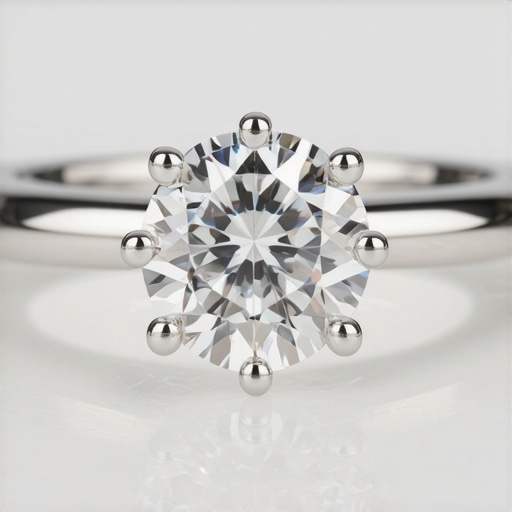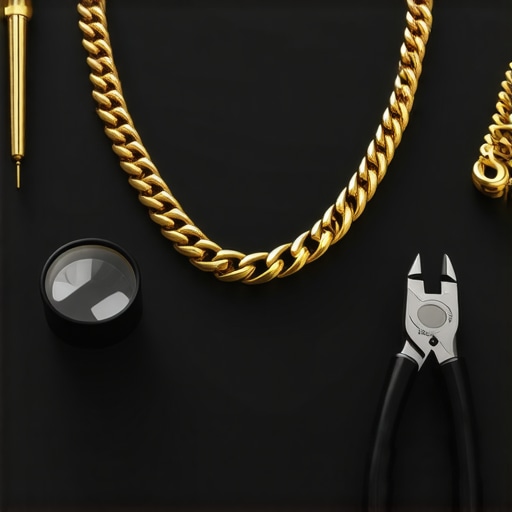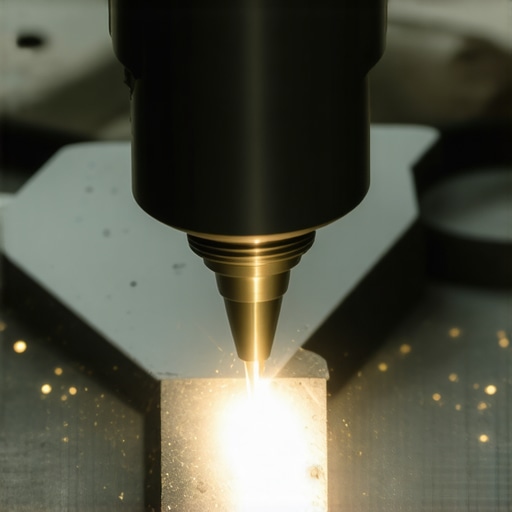
Picture this: I once spent hours painstakingly trying to repair a delicate ring, only to watch the gemstone slip loose moments later. It was a frustrating scene that left me pondering—how could I guarantee my repairs would last, especially for such fine jewelry? That lightbulb moment hit me hard: the future of jewelry repair is leaning heavily toward laser welding, especially with the advancements expected by 2026. If you’re in the jewelry business or just love keeping your heirlooms in pristine condition, understanding why laser welding is becoming the safe, reliable choice can truly change your approach.
The Promise of a Stronger, Safer Repair Method
Today, I’ll walk you through what makes laser welding the go-to technology for jewelry repairs, and why it’s set to dominate the field by 2026. Whether you’re a seasoned jeweler or a DIY enthusiast, understanding this shift will help you make smarter decisions—saving time, money, and stress. But before we dive into the technical details, I want to ask: have you ever experienced a repair that failed prematurely, leaving you feeling disappointed or even embarrassed? If so, you’re not alone. Many professionals made early mistakes, like underestimating the importance of precise techniques, which can compromise even the most skilled efforts. I certainly did—until I realized that adopting the right technology, like laser welding, is key to building lasting confidence and trust in your repairs.
Is All the Hype About 2026 Laser Welding Justified?
Initially, I was skeptical about transitioning from traditional soldering methods to laser welding. It seemed too cutting-edge, perhaps costly, and I wondered if it would truly make a difference. My early mistakes included neglecting training and rushing into repairs without mastering the equipment, which led to rework and customer dissatisfaction. But as I explored the benefits—like cleaner joints, minimal heat exposure, and increased precision—I saw the potential for a game-changing upgrade. According to industry experts, advancements in laser technology by 2026 will offer unprecedented control, reducing damage to nearby gemstones and delicate settings. This not only improves durability but also elevates your reputation for quality work. Curious about how to adapt your skills and stay ahead? Keep reading. I’ll share practical insights and resources to help you incorporate laser technology seamlessly into your workflow, ensuring your jewelry repairs are both beautiful and lasting.
Preparing Your Workspace and Tools
Start by organizing a clean, well-lit workspace dedicated solely to laser welding. Ensure your laser welder is calibrated correctly, following the manufacturer’s instructions meticulously. Before diving into repairs, practice on scrap jewelry pieces to familiarize yourself with the machine’s settings and behaviors. Remember, a steady hand and patient approach are vital—think of it like fine-tuning a precision instrument for optimal performance.
Selecting the Right Materials and Settings
Choose compatible metals and ensure the workspace environment is free of moisture and contaminants. Adjust laser parameters such as power, pulse duration, and frequency based on the metal type and thickness—consult your equipment manual or training resources for guidance. For example, thinner gold settings differ significantly from those for platinum; a small miscalibration can lead to weak joints or damage. Don’t hesitate to record successful settings for future reference, streamlining your workflow.
Executing the Repair with Precision
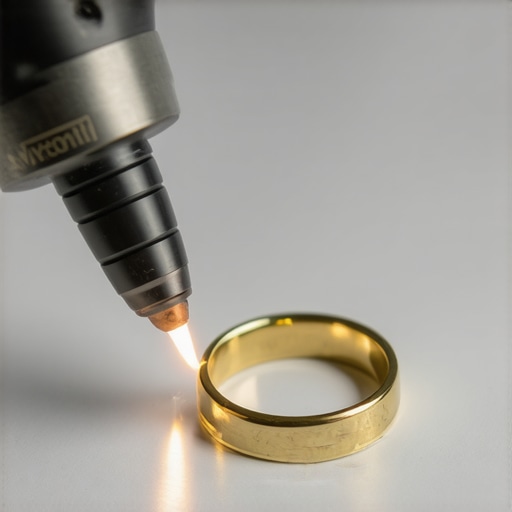
Secure the jewelry securely in a clamp, ensuring it is stable and accessible. Begin by making small, controlled laser pulses, approaching the joint incrementally—think of it as icing a cake softly rather than slathering chunky layers. As I did during a recent repair of a delicate pearl ring, I started with low power to preheat the area, then increased gradually to fuse the metals without cracking nearby stones. If mishaps occur, such as excess melting or misaligned welds, don’t panic—retract, adjust your settings, and try again. Consistent practice and patience are your best allies.
Post-Repair Refinement and Inspection
Once the weld is complete, examine the joint under magnification. Use a fine polishing tip or abrasive pad to smooth any rough edges, ensuring the repair blends seamlessly with the original design. This step is akin to polishing a newly cast sculpture—details matter. For critical repairs, consider performing a stress test or applying ultrasonic cleaning to verify the bond’s durability. Sharing these detailed steps can boost your confidence, similar to how detailed engraving techniques help artisans gain client trust.
Many enthusiasts believe that mastering basic techniques suffices in jewelry repair and engraving, but the real world reveals more intricate truths. A prevalent myth is that any skilled craftsman can produce flawless results without understanding the material nuances; however, different metals respond uniquely to processes like laser welding or engraving, requiring specialized knowledge. Rushing into repairs without recognizing these subtleties can lead to weak joints, damaged stones, or uneven engravings, which diminishes jewelry value and trust. For instance, gold alloys vary in ductility, impacting how they respond to high-precision laser work, and neglecting this can have costly consequences. A common trap is over-reliance on tools rather than technical finesse, leading to subpar outcomes. Advanced techniques often involve balancing heat distribution meticulously; without this, the risk of cracking or warping increases significantly. As an industry expert notes, understanding the microscopic structure of metals is crucial to achieve durable repairs—aptly highlighted in recent studies on metallurgical behavior during laser applications. So, how can you avoid falling into these pitfalls? Invest in training that covers material science, and always perform tests on scrap pieces before working on valuable jewelry. This approach ensures your skills are fine-tuned for each project, boosting confidence and trust with clients. Want to elevate your craft? Explore dedicated resources like our guide on expert engraving techniques to deepen your understanding. Remember, superficial knowledge can be tempting but is no substitute for mastering the nuanced science behind every successful repair or engraving. Have you ever fallen into this trap? Let me know in the comments.
Keep Your Equipment Running Smoothly
To ensure consistent, high-quality repairs, investing in reliable tools and maintaining them properly is essential. I personally swear by the Sather ultrasonic cleaner. Its precision cleaning capabilities remove residues that can interfere with the integrity of repairs, especially when working with intricate settings or fresh solder joints. Regularly cleaning your polishing and engraving tools prevents buildup that can compromise finish quality, and for laser welders, calibration is paramount—using manufacturer-approved calibration kits guarantees precision, reducing rework caused by misaligned welds.
Having dedicated spaces for different tasks helps avoid cross-contamination of materials. I recommend creating a dedicated UV sterilization station, especially if you repair multiple pieces for different clients—it maintains hygiene and ensures that no unexpected contaminants compromise your work. Consistent tool checks following maintenance schedules, along with timely replacements, extend equipment lifespan and prevent unexpected breakdowns. Predictive maintenance is becoming increasingly common, with software sensors flagging when parts like laser fiber optics need replacement—adapting this tech can enhance your workflow longevity.
Optimize Your Workflow with Smart Software
Using professional repair management software streamlines your operations, from scheduling to detailed documentation of each repair. I prefer the Jewelry Pro Manager, which allows custom notes on material types and settings, ensuring consistency in repairs. This digitization minimizes errors, especially when working with delicate settings or complex engravings. As technology advances, AI-driven diagnostics are emerging; they can analyze photos or scans of damaged jewelry to suggest optimal repair methods, drastically reducing trial-and-error during the repair process.
How do I maintain my tools and software over time?
Consistency is key. Regularly scheduled maintenance tasks, such as cleaning, calibration, and software updates, prevent performance degradation. Keep spare parts on hand—like laser fibers and polishing pads—to minimize downtime. Documenting every maintenance activity helps track your tools’ performance history, allowing you to anticipate replacements before failures occur. As the industry evolves towards more sophisticated technology, staying informed through expert resources, such as accurate repair cost management, ensures your equipment investment remains worthwhile. Check your tools’ manuals regularly and set reminders for calibration and cleaning sessions to keep everything in top shape. To start, try implementing a weekly inspection routine with detailed logs—you’ll notice fewer repair rework cases and happier clients, reinforcing your reputation for lasting craftsmanship.
Lessons the Pros Don’t Talk About
One of the hardest lessons I learned was that rushing any repair, especially with delicate jewelry, is a the quickest way to disappointment. The temptation to skip meticulous prep or skip practice can seem tempting but ultimately undermines trust. I realized that truly mastering laser welding isn’t just about equipment—it’s about patience, understanding each metal’s unique response, and being willing to learn from every mistake. Another insight was the importance of a personalized approach; each piece has its own story and material nuances that demand tailored settings and careful handling. Recognizing these subtleties transformed my craftsmanship from average to exceptional, cementing trust with clients and ensuring each repair stands the test of time.
Tools and knowledge that elevated my work
Investing in top-tier equipment like the laser welder has been transformative. However, the real game-changer was pairing it with continuous education. Courses on material science and precision techniques, such as those found in industry-specific training programs, helped me understand the microscopic world of metals, boosting my confidence enormously. Reading expert guides and staying updated on technological advances provide ongoing insights that keep my repairs durable and my reputation strong. Remember, mastery isn’t achieved overnight; continual learning and investing in quality tools are essential for lasting success.
Empowering your craft with mindful steps
Finally, cultivating a routine of diligent workspace setup, detailed record-keeping, and regular equipment maintenance is essential. Consistency in calibration, cleanliness, and environment ensure each laser pulse hits its mark, minimizing rework and maximizing trust. Sharing this mindset with fellow jewelers or DIY enthusiasts can elevate the whole craft, preserving precious heirlooms and earning trust with every sparkle. The journey of jewelry repair with laser welding is ongoing, filled with opportunities for growth and mastery. Embrace each repair as a chance to refine your skills and build your reputation for craftsmanship that truly lasts.
What I Wish I Knew from the Start
- Patience over speed: Taking time to understand each material’s response prevents costly mistakes.
- Never underestimate prep: A meticulously cleaned and stabilized piece makes all the difference in weld quality.
- Practice on scrap: Testing settings and techniques on discarded jewelry cultivates confidence and skill.
- Invest in education: Continuous learning through courses and guides keeps your skills sharp in this fast-evolving field.
- Quality tools matter: Reliable, calibrated equipment reduces rework and enhances repair durability.
My Toolbox for Jewelry Success
Beyond the laser welder, I rely on tools like the ultrasonic cleaner for impeccable polishing and residue removal. For materials, high-quality solder and compatible alloys ensure seamless joints. Reading resources such as industry guides deepen my understanding of material behaviors, enabling me to choose settings that guarantee longevity. Lastly, maintaining a clean, organized workspace and updating calibration routines cement my commitment to craftsmanship that clients can trust.
Take Your Jewelry Repairs to the Next Level
Remember, every repair is a chance to boost your confidence and reputation—especially when utilizing advanced tools like laser welding. I encourage you to embrace continuous learning, meticulous practices, and reliable equipment to create jewelry that not only looks beautiful but lasts generations. Step into the future of jewelry repair—your clients will thank you for it. How will you incorporate laser technology into your next project? Let me know below.

![5 Hidden Signs Your Ring Prongs Are Failing [2026 Checklist]](https://jewelryfixpro.com/wp-content/uploads/2026/02/5-Hidden-Signs-Your-Ring-Prongs-Are-Failing-2026-Checklist.jpeg)
![3 Subtle Signs Your Diamond Is About to Fall Out [2026]](https://jewelryfixpro.com/wp-content/uploads/2026/02/3-Subtle-Signs-Your-Diamond-Is-About-to-Fall-Out-2026.jpeg)