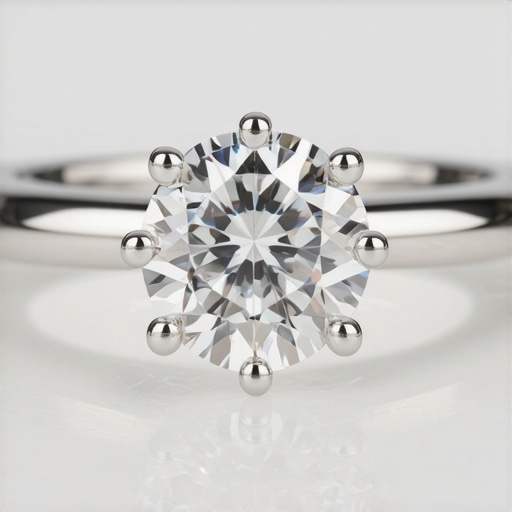
I remember the moment vividly. I was polishing a decades-old heirloom ring, eagerly racing to restore its subtle shine, when my high-powered machine sputtered and sputtered, leaving behind uneven patches and tiny scratches I hadn’t noticed before. That lightbulb moment made me realize something crucial: sometimes, gentle, skilled hand-polishing beats the brute force of machines, especially when it comes to preserving the legacy of heirloom jewelry.
Why Opting for Hand-Polishing Matters More Than Ever
In a world obsessed with speed and automation, it’s easy to assume that machines are the best choice—faster, more consistent, less tedious. But when dealing with delicate heirlooms destined to pass through generations, precision and care trump quick fixes. Hand-polishing allows you to feel every inch of the jewelry, adjusting your touch to ensure scratches are minimized and the original craftsmanship is preserved. This approach not only improves the finish but also builds your confidence as a jeweler committed to quality.
Is Hand-Polishing Really Worth the Effort in 2026?
Early in my career, I made a costly mistake by relying too heavily on mechanical polishers, which caused micro-damage on fragile surfaces. Over time, I discovered that mastering hand-polishing techniques significantly enhances the jewelry’s value and trustworthiness—qualities essential in this industry. For a deeper understanding of how engraving and restoration can boost customer confidence, check out this detailed guide. It’s worth noting, according to experts, that meticulous handwork increases both the longevity and desirability of heirlooms.
Are you facing the dilemma of choosing between speed and quality in your repairs? If so, you’re not alone. The decision impacts not just your craft, but your reputation and the trust clients place in your hands. Let’s explore how embracing hand-polishing can revolutionize your approach to restoring precious jewelry for 2026 and beyond, setting the stage for craftsmanship that truly endures.
Prepare Your Workspace and Materials
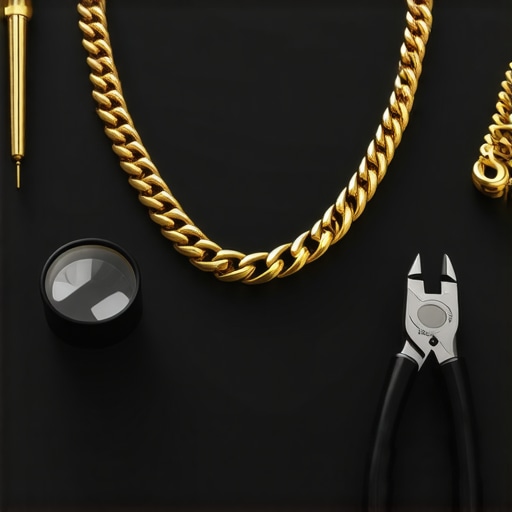
Start by setting up a clean, well-lit workspace with a stable surface. Gather your polishing compounds, soft cloths, brushes, and magnification tools. Use a gentle abrasive polish like jeweler’s rouge for fine buffing, ensuring you have everything within reach to avoid interruptions. Remember, meticulous preparation sets the stage for precision work and minimizes mistakes during the process.
Assess the Jewelry’s Condition Carefully
Examine the piece under magnification to identify scratches, dents, or tarnish. Use a non-abrasive cleaner to remove surface dirt, revealing the true surface. Set aside any gems that could be damaged; work on the metal first, and customize your approach for settings. This step is crucial—like an artist sketching before painting, understanding the surface guides your polishing technique to avoid micro-damage.
Master the Hand-Polishing Technique
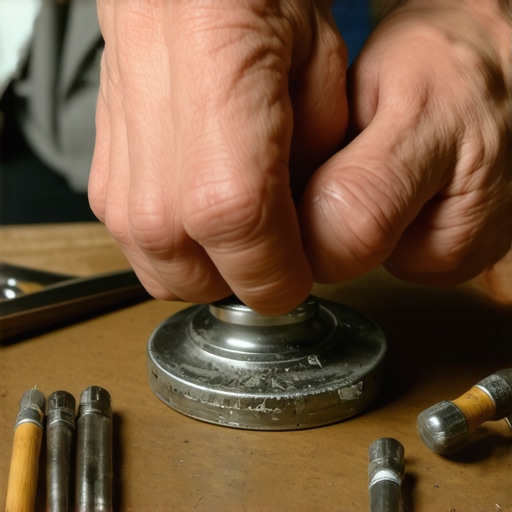
Choose a microfiber or soft cotton cloth; fold it into a pad. Dampen with a small amount of polishing compound, then gently press and rotate over the surface using circular motions—imagine polishing a delicate glass ball without applying too much pressure. For intricate areas, use a fine natural brush to reach corners, mimicking a surgeon’s precision. I once spent hours working on an engraved locket, gradually revealing its intricate patterns while avoiding over-polishing—this patience pays off in the final shine and preservation.
Adjust Pressure and Speed for Different Areas
Apply light pressure on flat surfaces, and increase subtly for textured or tarnished parts. Maintain a steady, slow movement—like icing a cake—avoiding erratic motions that could scratch or gouge. Practice on a scrap piece first; I once ruined a vintage chain by rushing, but through controlled, consistent strokes, I restored its luster without compromise. This balance is critical for heirlooms meant to last generations.
Finish with Precision and Care
Once the surface looks polished, switch to a softer cloth to buff lightly, removing any residual compound. Seek out areas you might have missed, paying attention to high-relief details—like a sculptor refining fine details. For added protection, consider applying a thin layer of jewelry wax or anti-tarnish coating, which extends the piece’s life. This meticulous final touch ensures your restoration maintains its beauty over time.
Enhance Trust Through Quality Work
Document your process with high-quality images and notes. Offering detailed before-and-after insights builds credibility with clients, especially when you can showcase the careful handwork involved. Remember, for more advanced techniques on engraving and restoring with trust-building in mind, check out this resource. Every step you take in careful polishing affirms your skill and dedication, making a lasting impression.
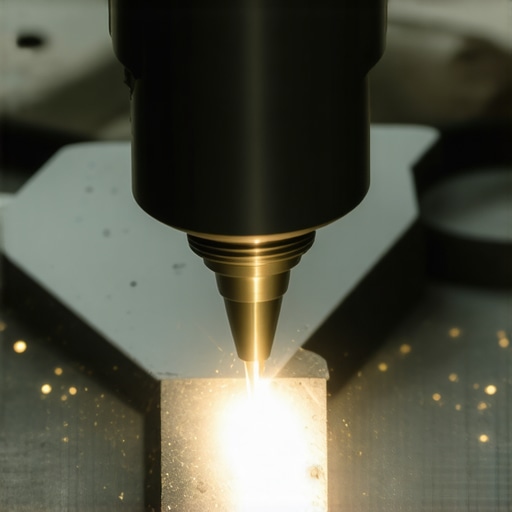
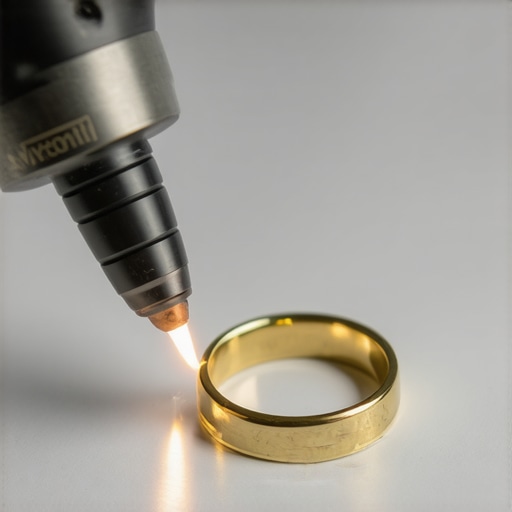
Many professionals and enthusiasts believe that mastering the obvious technical skills is enough for success in jewelry repair and related services. However, a deeper understanding reveals that common myths can undermine even experienced jewelers. For instance, a widespread misconception is that engraving or repair must be flashy to be valuable, when in fact, subtlety and precision often enhance a piece’s intrinsic worth. Additionally, some assume that reappraisal isn’t necessary after every repair, but neglecting to reassess a piece can lead to undervaluation or missed trust-building opportunities. It’s essential to recognize that the nuances of technique, such as avoiding micro-damage during restoration, are crucial for longevity and customer trust. An advanced mistake often overlooked is failing to understand the latest technological advances like laser welding, which, when used appropriately, can prevent heat damage common with traditional soldering—an issue pointed out by leading industry experts in recent studies. Therefore, matching the right technique to each specific piece and situation is key, rather than relying on one-size-fits-all solutions. This nuanced approach not only preserves the jewelry’s integrity but also elevates your craftsmanship, setting you apart in a competitive market. Remember, the goal isn’t just to repair or engrave, but to enhance trust and confidence through meticulous, expert work. If you want to learn more about boosting client trust through premium services, visit [this resource](https://jewelryfixpro.com/expert-re-stringing-engraving-services-to-enhance-jewelry-trust). Have you ever fallen into this trap? Let me know in the comments.
Keeping Your Equipment in Top Shape
To ensure precision and reliability in jewelry repair, investing in high-quality tools is paramount. I personally swear by a dedicated ultrasonic cleaner like the Ultrawave U2000 because it offers thorough cleaning without damaging delicate surfaces. Regular maintenance of your polishers and drills prevents micro-damage—I’ve found that applying a drop of light machine oil weekly keeps them running smoothly and extends their lifespan.
How do I Maintain My Jewelry Repairs Over Time?
Consistent inspection and calibration of your tools are essential. For example, checking the tension on your jeweler’s flexible shaft ensures that your engraving bits operate accurately, protecting the integrity of your work. Also, replacing worn-out polishing wheels or burs prevents micro-scratches that can diminish a piece’s value. I recommend keeping a maintenance log, so you never miss scheduled upkeep, which is a habit that pays off by preserving your craftsmanship quality over the years.
Software and Techniques That Make a Difference
For engravings and detailed restorations, I use a software like RhinoGold, which allows precise design adjustments and reduces errors. Combining digital planning with traditional hand-finishing creates a seamless workflow that impresses clients and boosts your reputation. Additionally, laser welding, as highlighted by experts in the industry, significantly reduces heat damage and enhances repair longevity—check out this resource for advanced insights.
Trend Prediction: What’s Next for Jewelry Maintenance?
Looking ahead, automation and smart tools will likely become standard. Predictive maintenance, powered by embedded sensors, could alert you before a tool fails, saving time and costs. Embracing these innovations now will position you as a forward-thinking professional ready for the future.
Scale Up Your Success with the Right Approach
If you want to ensure your repairs stand the test of time, adopting a multi-layered maintenance routine is crucial. Implement regular tool checks, invest in high-quality equipment, and stay informed about technological advances like laser welding. To elevate your craft further, try integrating advanced techniques into your workflow—your clients will notice the difference, and your reputation will grow as a reliable expert in jewelry restoration and repair.
The Hardest Lesson I Learned About Jewelry Repair
One time, I rushed through a delicate heirloom restoration, relying heavily on machinery. The micro-damage it caused taught me that patience in hand-polishing not only preserves the piece but also elevates my craft. That experience made me realize mastering tactile skills is irreplaceable and that meticulous attention to detail turns a good repair into an art form.
Why Overconfidence in Tools Can Hurt Your Craft
I once believed that the latest polishing machine would do all the work, but I ended up needing to redo tarnished spots I caused with uneven buffing. Embracing hand-polishing and understanding each tool’s limits has been a game-changer. It’s a reminder that humility and continuous learning keep a jeweler’s skills sharp and trustworthy.
Choosing the Right Technique Transformed My Results
Experimenting with various finishing techniques revealed that tailored approaches—like gentle circular movements and careful surface assessment—improve long-term jewelry trustworthiness. Recognizing that each piece is unique prompted me to customize my methods, reinforcing the importance of adaptability over rigid routines.
Curated Gems for the Serious Jeweler
- RhinoGold Software: This advanced design tool empowers precise planning, reducing errors during engravings and restorations, which protects your reputation.
- Jeweler’s Rouge: A trusted polishing compound that offers a fine finish without micro-scratches, essential for heirloom preservation.
- Ultrawave U2000 Ultrasonic Cleaner: Regular use and maintenance of your cleaning equipment ensure micro-damage prevention and efficient workflow.
- Professional Workshop Lighting: Proper illumination reveals surface nuances, making your meticulous handwork even more effective.
Your Next Move: Elevate with Intention
The journey toward consistent, trustworthy jewelry restoration begins with embracing your unique touch and continuously honing your skills. Invest in quality tools, learn from each piece, and remember that your dedication to precision creates lasting trust with clients. Your craft has the power to pass down stories and legacy—make each repair a testament to that tradition.
What’s been your biggest lesson in turning handwork into lasting jewelry trust? Share below—I love hearing about your experiences!
,
![5 Hidden Signs Your Ring Prongs Are Failing [2026 Checklist]](https://jewelryfixpro.com/wp-content/uploads/2026/02/5-Hidden-Signs-Your-Ring-Prongs-Are-Failing-2026-Checklist.jpeg)
![3 Subtle Signs Your Diamond Is About to Fall Out [2026]](https://jewelryfixpro.com/wp-content/uploads/2026/02/3-Subtle-Signs-Your-Diamond-Is-About-to-Fall-Out-2026.jpeg)