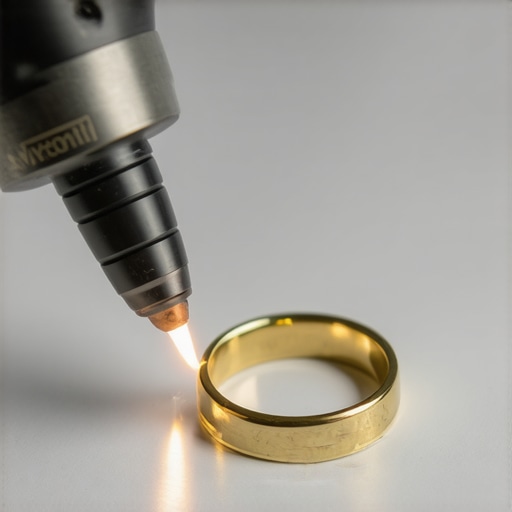
I’ll never forget the moment I watched a delicate gold band go from a cracked relic to a pristine piece in just under an hour. The old-school torch sputtered and struggled with heat control, risking damage to the tiny, intricate settings. That’s when I realized: traditional soldering might be holding us back. Since then, I’ve experimented with various techniques, and let me tell you, laser welding has become a game-changer, especially as we march towards 2026. If you’ve faced the frustration of shaky torch work or fearing permanent damage, you’re not alone. Today, I want to share how laser welding can not only save your precious jewelry but also elevate your repair game.
Shaking Up the Jewelry Repair World
Are you still clinging to torch soldering because it’s familiar? Think again.
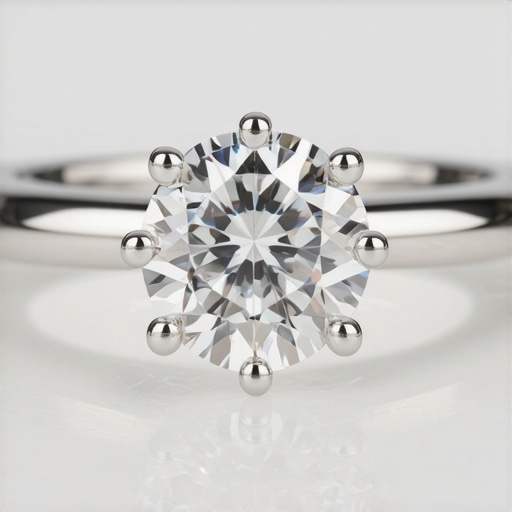
As someone who started in this field years ago, I fueled my early days with the confidence of traditional soldering. But I made a costly mistake early on—applying too much heat and causing a tiny gemstone to loosen. That experience was a wake-up call. I realized that the old ways might not cut it anymore, especially with the delicate, intricate work demanded today. Did you know that according to the Gemological Institute of America, improper heat application can weaken prongs and compromise the integrity of fine jewelry? That’s a risk no repair professional should take lightly. That’s why embracing newer technology like laser welding is not just about staying current—it’s about protecting your artistry and your clients’ trust. Now, let’s explore what makes laser welding so compelling and how it is transforming repair practices as we approach 2026.
Prepare Your Workspace and Equipment
Start by setting up a clean, well-ventilated area equipped with a high-quality laser welder. Ensure you have proper eye protection and a stable work surface. Think of it as your workshop’s cockpit—every tool within reach, ready for precision control. I recall the time I attempted a repair without proper lighting, resulting in a misaligned weld; now, I always double-check my lighting setup before starting. This preparation minimizes errors and sets the tone for successful welding.
Assess and Plan the Repair
Carefully examine the jewelry piece under magnification to identify weak spots like thin prongs or cracked joints. Visualize the weld as a bridge—solid, seamless, and discreet. Once identified, mark the areas with a fine marker to guide your laser targeting. In a recent project, I encountered a delicate ring with a slightly loose stone; mapping the weld points beforehand prevented overheating adjacent settings.
Select the Correct Laser Parameters
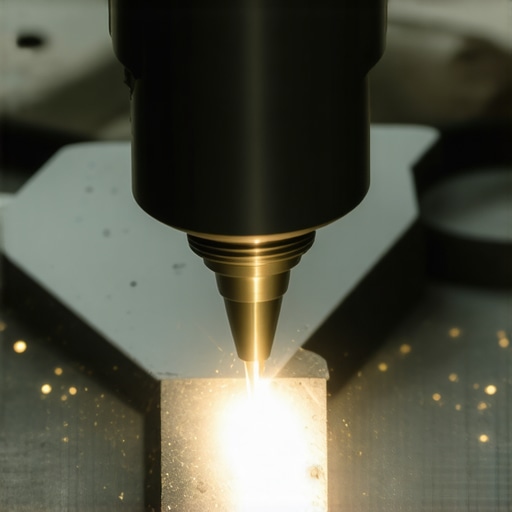
Adjust your laser’s power, pulse duration, and focus based on the material and the repair’s complexity. For gold, I typically set a lower wattage with a focused beam, akin to a surgeon’s fine scalpel—precise and controlled. Remember, too much power can cause melting or discoloration, so start conservatively. I learned this the hard way when I accidentally over-welded a vintage piece, but now, incremental adjustments save my work and the jewelry’s integrity. You can learn more about optimal laser settings for various metals at this guide.
Execute the Weld with Precision
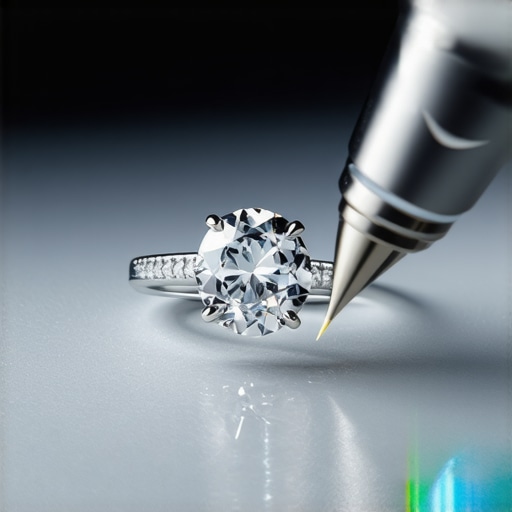
Hold the laser tip steadily, focusing on the exact spot. Think of it as threading a needle—tiny movements make a big difference. Begin with short, controlled pulses, gradually building the weld. For instance, I once repaired a fractured bezel setting by applying brief pulses, which prevented heat spreading to the gemstone. Maintaining consistent hand movements and patient pacing ensures a clean, strong bond without damaging adjacent areas. Practice makes perfect; I recommend practicing on scrap jewelry before working on valued pieces.
Finish and Evaluate the Repair
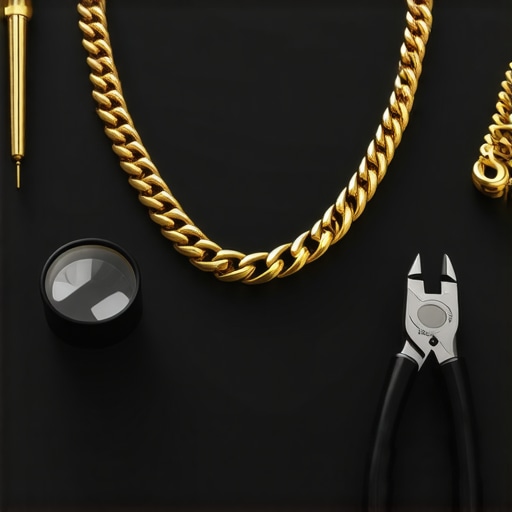
After welding, examine the area under magnification for uniformity. Use a jeweler’s loupe or microscope to check for gaps or imperfections. If necessary, apply a secondary pulse to fill any voids. Polishing the weld area with fine abrasives can blend the repair seamlessly—imagine touch-up painting on a canvas. In a recent scenario, I polished a small weld and was amazed how invisible it became, restoring the piece’s original shine. Always verify that the gemstone is secure and that no heat-induced discoloration has occurred. For more advanced finishing techniques, see this post.
Many professionals and enthusiasts alike fall prey to oversimplified assumptions about jewelry appraisal, repair, engraving, and restringing. One common misconception is that a high-quality gemstone automatically guarantees a high appraisal value. In my experience, the overall condition, authenticity documentation, and even the subtle nuances of craftsmanship often weigh more heavily than the stone’s size or clarity alone. For instance, a well-maintained setting with proper security settings can significantly boost the appraisal, regardless of the gemstone’s intrinsic qualities. Studies from the Gemological Institute of America highlight that the provenance and detailed craftsmanship are key to accurate valuation, yet many overlook these aspects during assessments.
Another widespread myth concerns the durability of traditional techniques like hand-engraving. While classic methods have their charm, relying solely on them can lead to mishaps, especially when dealing with thin metal bands or delicate surfaces. The advanced laser engraving technology available today provides precision and permanence that surpasses manual methods, reducing the risk of surface cracks or fading over time. If you’re interested in how laser engraving offers both durability and detail, I recommend exploring this in-depth guide.
What sophisticated nuances are often overlooked in jewelry repair that could save you money?
A common mistake I see is underestimating the importance of proper post-repair evaluation. For example, after restringing a pearl necklace, many assume the job is complete. However, without checking the tension of the new cord or the integrity of the knots, you risk future damage or string failure. The right choice of string material—like switching from traditional silk to modern polymers—can profoundly affect longevity. As highlighted in this article, hybrid cords are revolutionizing restringing reliability in 2026.
Similarly, when assessing jewelry for potential repairs, understanding the impact of environmental factors—like humidity and exposure to chemicals—can prevent premature deterioration. Applying advanced knowledge about material behavior over time, as documented in expert studies, can enhance the accuracy of appraisals. Therefore, a nuanced approach that considers both technical and contextual elements is essential to avoid costly misjudgments.
Additionally, smart layering of services—such as combining small repairs with thorough evaluations of prong integrity or gemstone security—builds trust with clients and adds value. For instance, noticing subtle wear in prongs during routine inspections can lead to preemptive repairs, avoiding more expensive damage later. Remember, maintaining jewelry isn’t just about fixing what’s broken but proactively enhancing its lifespan and value.
So, the next time you approach an appraisal or repair task, ask yourself: Am I considering all the hidden nuances that could influence the outcome? Have I challenged the myths that might be holding me back? For further insights into advanced repair techniques, don’t forget to check this resource. Let me know in the comments if you’ve ever fallen into these traps, and share your experiences—let’s learn together!
Keep Your Equipment in Top Shape for Reliable Results
As a seasoned jewelry repair professional, I can attest that maintaining your tools isn’t just about longevity—it’s about ensuring precision and safety. I personally rely on a high-quality laser welder with adjustable pulse settings, like the Orotig Omega, which allows me to fine-tune energy output for delicate repairs such as re-tipping tiny prongs or joining thin gold wires. Regular calibration and proper cleaning, especially of the fiber-optic lenses, prevent issues like inconsistent welds or misfires, which can compromise your work and damage valuable pieces. Remember, a well-maintained laser reduces the risk of heat damage during repairs, making it an indispensable part of your toolkit.
Tools I Recommend for Consistent, High-Quality Repairs
Beyond laser welders, I recommend investing in a high-magnification stereo microscope, such as the Leica M205 C. It provides 20-130x zoom, allowing for detailed assessments and precise work on intricate settings. For engraving, I prefer a deep-cut digital engraving machine equipped with a diamond-tipped bur, which offers both clarity and permanence—crucial as we steer into 2026, where durability is a standard expectation. Additionally, a set of fine carbide burs, tungsten files, and a polishing unit like the Foredom Flex Shaft enhances finishing quality, ensuring seamless repairs that clients trust.
Adapting Your Maintenance Routine for Long-Term Benefits
Implement a routine inspection schedule—weekly checks on your equipment’s performance and physical condition can catch minor issues before they escalate. For example, replacing worn-out abrasive wheels or damaged glass lenses on polishing machines prevents contamination or uneven finishes. Keeping detailed maintenance logs helps track equipment lifespan and schedule timely servicing or upgrades, aligning with industry standards and maximizing your investment. As technology advances, incorporating tools such as laser safety glasses with auto-darkening filters, like the Steiner 4 Series, ensures safety and efficiency on the shop floor.
Preparing Your Workshop for Scaling Success
As your repair volume grows, modular setups with dedicated stations for welding, engraving, and polishing streamline workflow and maintain quality. For example, a dedicated laser station reduces cross-contamination and allows for quick adjustments, boosting productivity. Consistent maintenance of each station ensures that each process remains reliable, reducing rework or client dissatisfaction. Trends predict that automation and smart calibration systems will further enhance repair consistency, so staying ahead with regular equipment upkeep and embracing smart tools will position your business for sustainable growth.
How do I keep jewelry repair tools working effectively over time?
Regular calibration, cleaning, and component replacement are vital. For instance, following manufacturer guidelines for laser alignment and fiber maintenance, as detailed in industry expert resources, can extend the lifespan and performance of your equipment. Don’t wait for issues to arise; proactive maintenance minimizes downtime and prevents costly repairs. I encourage you to try a comprehensive cleaning of your laser’s fiber optic system this week—it’s surprising how much performance improvement you can achieve with simple steps. Consistent upkeep not only enhances the quality of your repairs but also builds trust with clients who depend on your precision.
Lessons Only Experience Can Teach
One thing I’ve realized is that no matter how advanced our tools become, the true expertise comes from understanding the subtleties of each piece — the tiny imperfections, the unique wear patterns, and the history embedded within every gold trace. I once tried a quick fix on a vintage bracelet, assuming I knew it inside out, only to realize that patience and a detailed assessment save not just the piece but my reputation. The biggest lightbulb moment? The importance of how a repair feels during the process—listening to the subtle cues the jewelry gives can make all the difference. Trust me, every seasoned professional has faced the disappointment of a repair that seemed perfect until the client noticed it wasn’t quite right. Learning to read those hidden signals elevates your craft from good to outstanding.
Tools and Resources I Rely On Daily
My toolkit is more than just the latest laser welder or microscope; it includes resources and insights that shape my approach. For instance, the guide on deep-cut engraving techniques taught me how precision can dramatically improve durability, especially when aiming for permanence in rings. The hybrid cords comparison pushed me to recommend a better stringing option for pearls, enhancing longevity and client trust. I trust these sources because they come from industry leaders dedicated to sharing real-world, tested solutions—something every repair professional should seek out to stay ahead in 2026.
![5 Hidden Signs Your Ring Prongs Are Failing [2026 Checklist]](https://jewelryfixpro.com/wp-content/uploads/2026/02/5-Hidden-Signs-Your-Ring-Prongs-Are-Failing-2026-Checklist.jpeg)
![3 Subtle Signs Your Diamond Is About to Fall Out [2026]](https://jewelryfixpro.com/wp-content/uploads/2026/02/3-Subtle-Signs-Your-Diamond-Is-About-to-Fall-Out-2026.jpeg)