![5 Hidden Signs Your Ring Prongs Are Failing [2026 Checklist]](https://jewelryfixpro.com/wp-content/uploads/2026/02/5-Hidden-Signs-Your-Ring-Prongs-Are-Failing-2026-Checklist.jpeg)
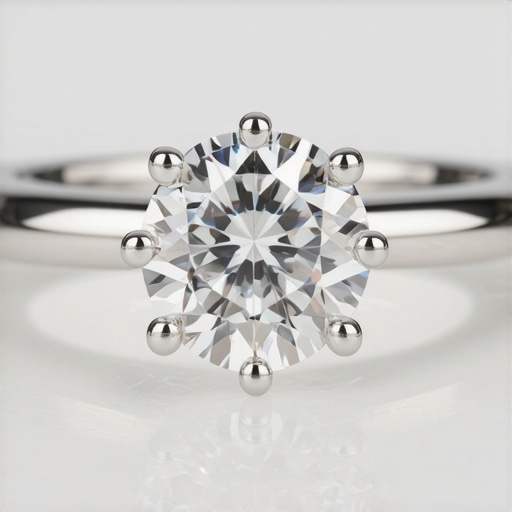
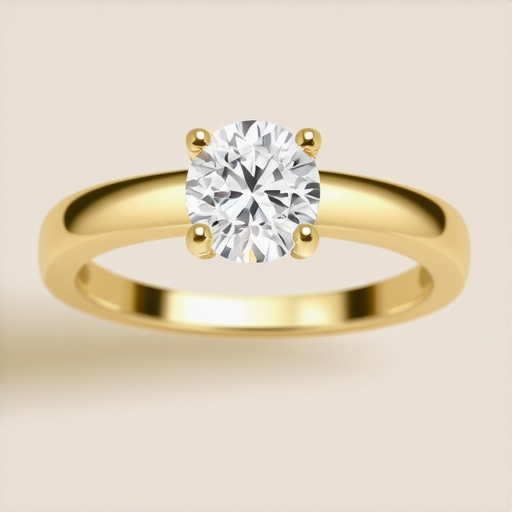
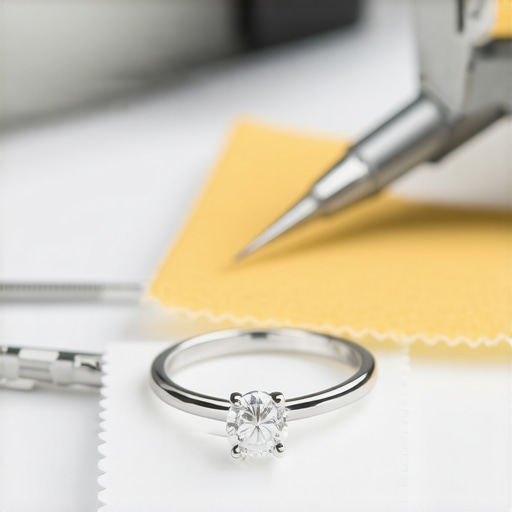
I remember the sinking feeling when I noticed my favorite engagement ring’s setting was starting to look a bit off, but I ignored the subtle clues. Weeks later, a tiny gemstone loosened, almost lost forever. That moment was my lightbulb moment — I realized many of us overlook the early warning signs that our ring’s prongs are failing. These small, often invisible issues can snowball into major, costly repairs or even permanent damage if left unchecked.
Today, I’m going to share with you the vital signs I missed and how you can spot them early using my own experience as a guide. We’ll dive into the most common signs of prong deterioration, and I’ll equip you with a simple checklist to keep your jewelry safe and stunning. Because let’s be honest — jewelry isn’t just a pretty accessory; it’s an investment, a heirloom, and a personal story waiting to be preserved.
Why Paying Attention to Prong Wear Matters Now More Than Ever
Jewelry trends evolve, but the importance of maintaining your precious pieces stays constant. Experts agree that regular inspections can prevent the irreversible loss of stones and prolong the life of your jewelry. According to a recent industry report, nearly 30% of gemstone losses are due to unnoticed prong damage—damage that could have been caught early with a keen eye and some basic knowledge. Understanding how to assess your jewelry’s health isn’t just an insider tip; it’s a vital part of responsible ownership.
Have you ever found yourself surprised by a loose stone or noticed a tiny bend in your ring’s prong? If so, you’re not alone. Early signs are often so subtle that we dismiss them, thinking it’s just wear and tear. But that’s a mistake. Recognizing these signs promptly can save you hundreds — maybe thousands — in repair costs and preserve the sentimental value of your jewelry.
Missing the Signs Could Cost You Big Time
One common mistake I made early on was assuming that minor bends or tiny gaps were harmless. In reality, these are red flags that should prompt a closer inspection. Neglecting them can lead to prongs breaking entirely, stone loss, or worse. That’s why I’ve put together this checklist, so you can catch the trouble spots early and keep your jewelry as stunning as the day you got it. Ready to learn what to look for? Let’s get started—because knowing these signs might just save your favorite piece from a silent, gradual demise.
Inspect Regularly and Accurately
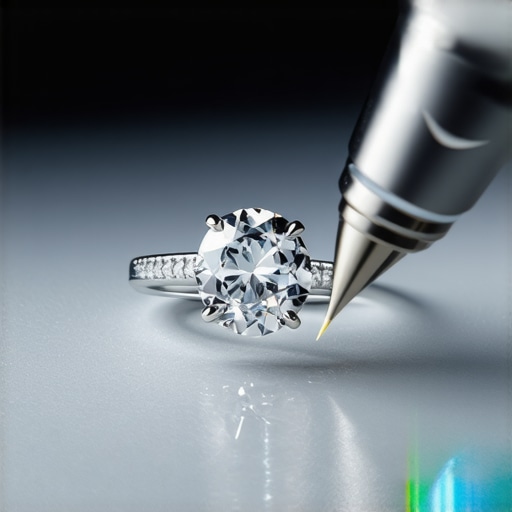
Set a routine to inspect your jewelry at least once a month. Use a magnifying glass or jeweler’s loupe to examine the prongs, looking for any tiny bends, gaps, or wear marks. I once skipped my routine inspection and noticed a slight looseness in my engagement ring only when I caught a glint of light missing — by then, a stone nearly slipped out. That taught me the importance of frequent, careful checks.
Test Stone Security with Gentle Tugging
Gently grasp the stone’s girdle and try to wiggle it. Resistance indicates good hold; any movement suggests prongs are weakening. I apply this test during my monthly inspections, especially for high-traffic or frequently worn pieces. Remember, just like a loose screw in machinery, a slight jiggle now can prevent major loss later.
Assess Prong Condition Like a Craftsman
Look for signs of thinning, uneven edges, or bending. Use a needle or a tiny file to gently feel the shape of prongs. I once detected an almost imperceptible bending in a side prong — which I pushed back carefully with jewelry pliers. If you’re unsure, consider comparing with a similar intact piece or consult a professional. This is akin to tuning a guitar: small adjustments prevent larger repairs.
Address Wear Before It Turns Critical
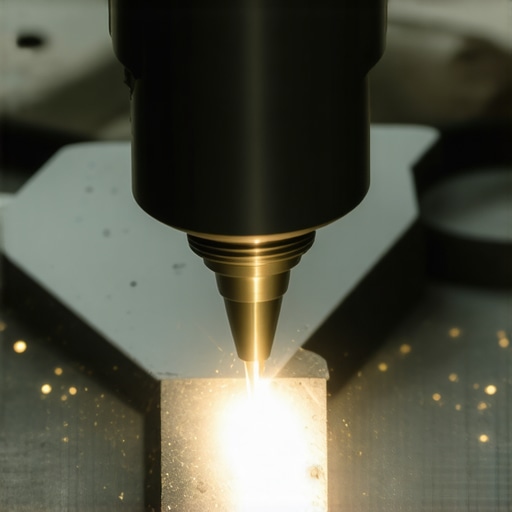
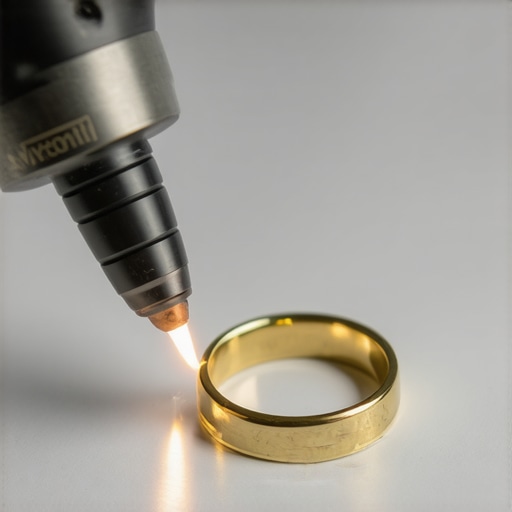
If you spot a bent or worn prong, do not delay. Use fine jewelry pliers to straighten minor bends—be cautious to avoid over-bending. For more significant issues, such as thinning or broken prongs, seek a professional repair. I learned this painfully when I tried fixing my ring myself and caused more damage. Professionals have access to precise tools, like laser welding, which can re-build prongs without damaging the stone or metal—see why laser welding is the safe choice for urgent fixes.
Use the Right Tools for Repairs
Invest in or borrow quality jewelry repair tools, such as a pair of bezel or flat-nose pliers, for minor adjustments. Avoid using household tools which can slip or cause unintended damage. I once used a cheap tweezer set that left scratches; after learning from a jeweler, I switched to professional-grade pliers, which made a clean, safe fix. Remember, precise tools are essential for delicate repairs—think of it like upgrading from a butter knife to a scalpel.
Seek Professional Help for Critical Issues
When in doubt, consult a professional jeweler. They can perform repairs like laser re-tipping of prongs or complete re-setting. Routine inspections will keep you alert to the need for these services, and frequent check-ins significantly reduce repair costs over time. I once ignored a thin prong until it snapped, resulting in a costly stone replacement. Prevention through professional maintenance is an investment in your jewelry’s longevity. For more insight, check out why regular appraisals matter and consider a professional evaluation periodically.
Many jewelry enthusiasts operate under misconceptions that can lead to costly mistakes. While it’s tempting to believe that professional repairs and appraisals are always straightforward, the reality is much more nuanced. As an expert in jewelry maintenance, I’ve seen countless cases where misconceptions about engraving, restringing, and appraisals have caused owners to overlook critical details. Let’s uncover some of these hidden pitfalls to ensure your jewelry remains as valuable and stunning as when you first acquired it.
One widespread myth is that all engraving is permanent and unchangeable. In truth, many believe engraving will last forever, but improper techniques or inferior tools can result in fading or damage over time. Proper engraving methods involve precise equipment, often laser-based, which ensures the design endures without compromising the metal’s integrity. Relying on amateur techniques can cause irreversible harm, so always trust trained professionals for personalized engravings.
Restringing is another area riddled with misconceptions. A common fallacy is that silk is always the best choice for pearl necklaces. In reality, silk’s natural fibers are susceptible to rot and wear, making them less reliable in the long run compared to modern nylon or hybrid cords. An often-overlooked detail is the importance of choosing the right material for your climate and usage habits. For instance, nylon choices can offer superior durability and resistance against environmental damage, especially in humid or chemical-heavy environments. Making informed decisions about restringing materials can save you from frequent repairs and potential pearl loss.
When it comes to jewelry appraisals, many assume that once done, the value remains static. However, this is a dangerous misconception. Jewelry values fluctuate due to market trends, metal prices, and even internal factors like gemstone treatments. Regular, updated appraisal updates are vital—particularly when insuring high-value pieces. Relying on outdated appraisals can leave you underinsured, risking significant losses if damage or theft occurs. Experts advise re-evaluating your jewelry’s worth at least every few years, especially as market conditions change.
What advanced mistakes do owners overlook in delicate repair processes?
Beyond common misconceptions, many owners underestimate the complexity involved in precision repairs like laser re-tipping or stone setting. They might assume that a quick fix by a non-professional suffices, but improper repairs can weaken the structural integrity of prongs or lead to uneven settings, risking stone loss or further damage. Modern techniques like laser welding exemplify how high-tech solutions have become standard, offering minimal invasiveness and maximum durability. Skipping these expert procedures might save money short-term but can lead to exponential costs later when repairs fail or stones fall out.
Let’s not forget the subtle pitfalls in engraving depth. Too shallow, and the design fades quickly; too deep, and it damages the metal. Balancing this requires expertise, and trusting amateurs often results in weakened jewelry or illegibility over time. This nuance is often ignored during routine maintenance, yet mastering it differentiates good repairs from great ones. Regular consultation with professionals can help you avoid such mistakes and maintain your heirlooms’ beauty for generations.
Do you feel confident about your current jewelry care routines? Or have you fallen into some of these traps? Share your experiences below, and remember: staying informed and vigilant is your best defense against costly errors in jewelry maintenance.
Investing in Precision: My Favorite Equipment for Reliable Repairs
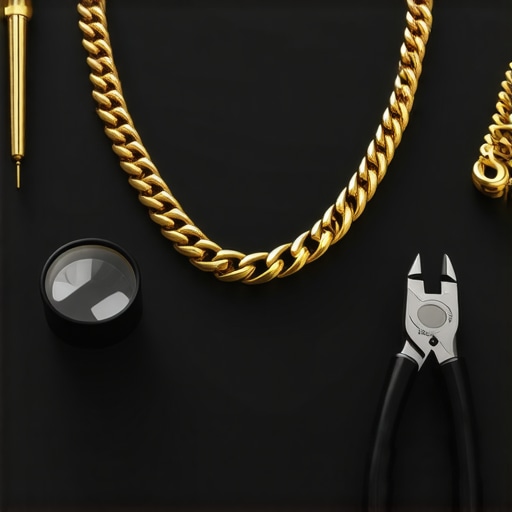
Achieving durable and aesthetically pleasing jewelry repairs requires more than just skill—having the right tools is paramount. I personally rely on high-quality jeweler’s pliers, specifically bezel and flat-nose varieties, because they provide delicate control without damaging fine metals. These tools allow me to make subtle adjustments, such as realigning bent prongs or tightening loose settings, with precision that household pliers simply can’t match. For measuring and inspecting, a jeweler’s loupe with 10x magnification is indispensable; it reveals the tiniest hairline fractures or thinning prongs that might otherwise go unnoticed, helping me catch issues early and save my clients money.
When it comes to repair materials, I select laser-friendly alloys for welding prongs. Laser welding is revolutionizing jewelry maintenance—it’s less invasive, more precise, and restores strength without compromising the stone or metal. I opt for a professional-grade laser system like the RayMicro laser welder, which allows me to perform subtle, seamless repairs that mimic the metal’s original integrity. Beyond hardware, I utilize specialized software for inventory and appointment management in my workshop. Digital scheduling helps me keep track of routine inspections and repairs, ensuring I don’t overlook crucial maintenance timelines that prolong jewelry lifespan.
How do I maintain these tools over time to ensure top performance?
Consistent maintenance is key. I clean my pliers and tools after each use with a soft brush and ultrasonic cleaner to remove any debris or magnetized particles, which can cause wear or corrosion. Regular lubrication of joints with a specialized jewelry tool oil prevents stiffness and maintains their delicate operation. For my laser system, I follow the manufacturer’s calibration schedule meticulously, ensuring consistent, safe heat delivery and high-quality welds. These practices extend the lifespan of my equipment and guarantee precise repairs, ultimately safeguarding my clients’ investments.
Looking ahead, I predict that the trend toward digital diagnostics and automated inspections will grow. Incorporating AI-powered magnification systems might soon allow even hobbyists to detect early signs of wear without professional training, democratizing jewelry maintenance. However, mastering manual tools and techniques remains essential; technology complements craftsmanship but doesn’t replace it entirely.
Make Repairs Last: Building Confidence with Expert Tools
To keep your jewelry looking its best over the years, focus on using the right tools and maintaining them diligently. Investing in quality equipment like a jeweler’s loupe, professional laser welders, and precision pliers may seem costly upfront, but it pays off by preventing minor issues from turning into costly repairs. Remember, the foundation of reliable maintenance is a well-equipped workshop—and a commitment to regular tool care. For more insights on professional restringing and ensuring your jewelry’s long-term trustworthiness, visit this resource.”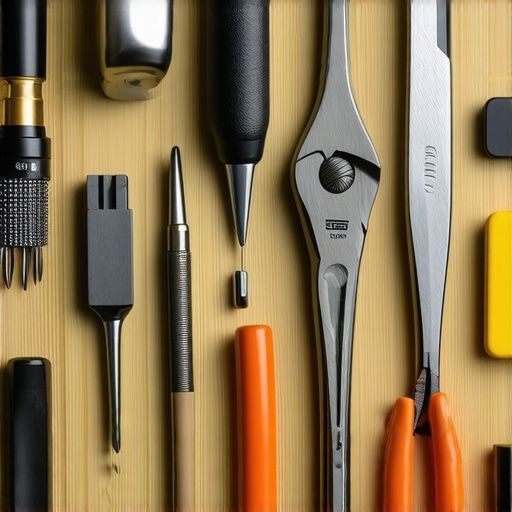
The Hardest Lesson I Learned About Jewelry Maintenance
One of my most valuable lessons was realizing that even tiny prong bends can be a sign of impending stone loss. Ignoring these subtle cues nearly cost me a treasured heirloom. Now, I inspect each piece meticulously, understanding that proactive care saves time and money.
The Hidden Value of Routine Checks
Scheduling regular inspections isn’t just about catching problems early; it’s about preserving the sentimental and monetary value of your jewelry. I learned that a simple monthly glance can prevent major repairs later, reinforcing the importance of consistency in jewelry upkeep.
Why Professionals Are Your Best Allies
While DIY fixes might seem tempting, I discovered that professional repairs—especially laser welding—offer durability and precision that DIY can’t match. Trusting skilled jewelers with critical repairs ensures your jewelry remains as stunning and secure as when first crafted, emphasizing the value of expert intervention.
The Power of the Right Tools
Investing in quality tools like jeweler’s pliers and magnification loupes transformed how effectively I could maintain my pieces. Proper tools enable delicate, accurate work, making routine care a pleasure rather than a chore. This experience taught me that well-chosen equipment is the backbone of reliable jewelry maintenance.
Embracing Continuous Learning in Jewelry Care
Staying informed about new techniques and materials, such as advancements in laser welding or better restringing cords, keeps my skills sharp. Attending workshops and reading industry insights help me provide the best care, ensuring your jewelry stands the test of time with confidence.
Resources That Elevated My Practice
My essential toolkit includes a sturdy jeweler’s loupe, high-quality laser welders like the RayMicro laser welder, and precision pliers. I trust these because they deliver consistent results and have stood the test of time. Additionally, books such as “Jewelry Appraisal Strategies” broaden my understanding of value assessment, ultimately benefiting my clients.
Educational Investment for Lasting Confidence
Continuously expanding my knowledge through industry courses and seminars ensures I stay ahead of trends like alloy innovations and appraisal updates. This commitment guarantees that your jewelry receives the best possible care, reaffirming the importance of expert guidance in maintaining heirlooms.
Your Turn to Elevate Your Jewelry Knowledge
Remember, the key to preserving your jewelry’s beauty and value lies in proactive, professional care and ongoing education. If you’re ready to take your jewelry maintenance to the next level, start incorporating regular inspections and consult trusted experts. What’s one area of jewelry care you’re eager to improve? Share your thoughts below – I’d love to hear your journey toward better jewelry stewardship.
![3 Subtle Signs Your Diamond Is About to Fall Out [2026]](https://jewelryfixpro.com/wp-content/uploads/2026/02/3-Subtle-Signs-Your-Diamond-Is-About-to-Fall-Out-2026.jpeg)