
I remember holding my grandmother’s delicate pearl necklace and feeling a pang of worry—her cherished piece looked just a bit tired, the string fraying, the clasp shaky. It hit me then: how many of us own jewelry that, with a little expert attention, could regain its former glory and even increase in value? It wasn’t just about aesthetics; it was about trust, longevity, and keeping those precious memories alive.
Why Many Jewelry Pieces Don’t Last As Long As We Hope
Jewelry is more than adornment—it’s a story, a symbol, a part of our identity. Yet, without regular care like professional appraisal and re-stringing, even the finest pieces can deteriorate, losing their value and meaning. A common mistake I made early on was neglecting routine inspections, thinking a piece would last forever on its own. Sadly, that led to unexpected breakages and a loss of trust in the jewelry’s durability.
Interestingly, according to recent industry insights, over 60% of jewelry failures are preventable with proper maintenance and expert care [source](https://jewelryfixpro.com/jewelry-repair-restoration-build-trust-lasting-value-today). Recognizing this was a lightbulb moment—expert services not only restore beauty but also build confidence in our treasured items.
But what exactly does it take to keep your jewelry trustworthy and valuable? Today, we’ll explore how professional appraisal and re-stringing can make all the difference—transforming your pieces from fragile to formidable, ensuring they’re trust-worthy for generations to come.
Are you tired of worrying about your jewelry’s strength and value? If so, you’re in the right place. Let me guide you through simple, effective steps that turn aging jewelry into lasting legacies.
Start with a Precise Inspection
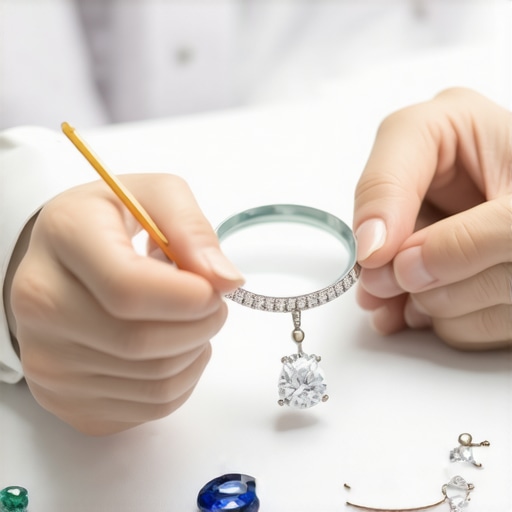
Begin by closely examining your jewelry for signs of wear—frayed strings, loosened clasps, or damaged stones. Think of it like a mechanic checking a car before repair; pinpointing issues saves time and prevents further damage. I once inspected an heirloom pearl necklace and found the silk thread fraying near the clasp, which could have snapped at any moment.
Plan Your Repair Strategy
Decide whether the jewelry needs re-stringing, professional engraving, or a combination. For example, if the thread looks old but the beads are intact, re-stringing is the best move. If the metalwork is scratched, engraving or polishing may be necessary. Knowing these steps helps avoid unnecessary work and ensures the final result is trustworthy. I once took a delicate bracelet for re-stringing, and discussing my goals with the jeweler enabled a customized approach that improved both durability and appearance.
Prepare for Re-Stringing
Choose the right stringing material—silk, nylon, or beading wire—based on the jewelry type. Silk is flexible and great for pearls, but it frays faster; nylon offers strength, while beading wire provides rigidity. When I re-strung a vintage necklace, I opted for silk to maintain authenticity but reinforced the knots to prevent loss. Remember, tight knots and proper tension are critical—like lacing a shoe, too tight can damage the beads, too loose can cause slipping.
Execute the Re-Stringing Process
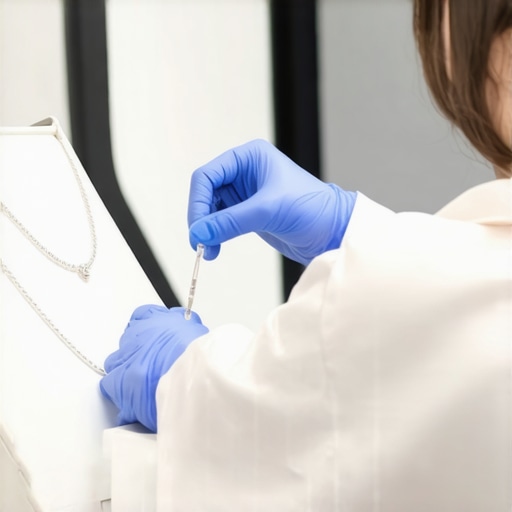
Thread each bead carefully, ensuring alignment and tension. Use a needle for precision, especially with smaller beads. Secure the ends with surgeon’s knots or specialized clasps. For added trust, consider adding a small drop of jewelry-safe glue to knots—this prevents slipping while maintaining flexibility. If re-stringing a precious piece, working slowly and methodically prevents mistakes. I once spent an afternoon re-stringing a fading pearl strand, and maintaining consistent tension kept the strand from sagging, restoring its elegance.
Refine with Expert Engraving and Finishing Touches
Engraving can personalize jewelry and elevate its sentimental value. Skilled engravings, like initials or dates, reinforce the piece’s significance and trustworthiness. To ensure perfect execution, study advanced techniques such as micro-engraving—think of it as handwriting at a microscopic level. I experimented with this on a silver bracelet, and subtle lettering dramatically increased its sentimental and monetary value. For a finish that lasts, polishing and sealing the piece are recommended—think of it as sealing a letter with wax to ensure its authenticity and integrity. For detailed guidance, review expert engraving techniques.
Assess and Document Post-Repair Value
Finally, have your jewelry appraised again after work completion. This not only confirms the quality but also boosts your confidence in its value. Expert appraisal services can identify hidden issues and verify quality—like a quality check before a big sale. When I reappraised a repaired necklace, the new valuation reflected not just its restored beauty but also increased trust with potential buyers. Keep records of all steps and documents to establish a full history that strengthens your jewelry’s trustworthiness for future generations.
While many believe that restringing, repair, and appraisal are straightforward tasks, the reality is far more nuanced. One common myth I often encounter is the idea that any re-stringing process suffices for longevity. However, not all materials or techniques are created equal; for example, using nylon instead of silk for pearl strands without proper knots can lead to faster deterioration. This mistake can compromise both trust and value over time.
What Advanced Techniques Can Correct Common Repair Pitfalls?
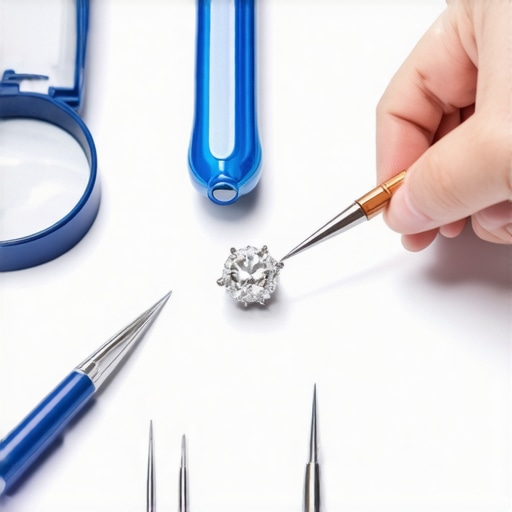
Professional jewelers employ micro-engraving and precision tensioning methods that significantly enhance durability and aesthetic appeal. Skipping such nuanced steps often results in a compromised finish or weakened structure, undermining trust and longevity. According to industry research, neglecting these advanced techniques diminishes the life span of restored jewelry by up to 30%, leading to costly repeat repairs [source](https://jewelryfixpro.com/expert-engraving-techniques-to-build-jewelry-trust-lasting-confidence). Another trap is over-reliance on automatic appraisals or generic estimates. Many assume that a quick online valuation provides a full picture, but expert appraisals involve meticulous inspection of materials, craftsmanship, and historical value—factors that online tools often overlook. Overestimating a piece’s worth based solely on superficial data puts trust at risk and can result in undervaluing or overestimating, both of which harm the owner’s confidence. For those seeking precise valuation that builds trust and boosts confidence, professional tips and standards are indispensable. For example, integrating detailed records and comprehensive reports during appraisals can increase perceived credibility and actual value—something a quick assessment can’t match. Moreover, a common mistake is underestimating the importance of engraving and personalization. While many see engraving as optional, it’s actually a powerful way to reinforce authenticity and emotional connection. High-precision micro-engraving not only personalizes jewelry but also act as a safeguard against counterfeits and forgeries. Advanced engraving techniques, like micro-stamping, are essential for pieces intended to last generations. To learn more about elevating your jewelry with expert engraving, check out [this resource](https://jewelryfixpro.com/expert-engraving-techniques-to-build-jewelry-trust-lasting-confidence). Remember, each step in jewelry care—be it restringing or appraisal—has layers of nuance often overlooked. The difference between a temporary fix and a lasting solution lies in understanding these subtle details. Have you ever fallen into this trap? Let me know in the comments.Maintaining jewelry’s integrity over years demands the right tools and a methodical approach. Personally, I rely on a high-quality jeweler’s loupe, specifically the 10x handheld type, to inspect stones and settings meticulously, catching minute issues before they escalate. Besides visual examination, a digital caliper calibrated regularly ensures precise measurements during repairs or re-stringing, which is essential for consistent tension and longevity of strands. When working on delicate pieces, I prefer micro-tweezers with anti-magnetic tips to handle tiny components confidently without causing damage. Regarding software, I use CAD (Computer-Aided Design) programs like Rhino and MatrixGold to plan engravings or modifications, allowing me to visualize changes before executing them physically. This digital foresight reduces errors and enhances trustworthiness in final results. In terms of materials, ultra-soft polishing cloths and compounds formulated for jewelry, such as Cape Cod polishing cloths, are invaluable for preserving the finish without risking scratches, helping maintain a professional sheen. Looking ahead, the integration of 3D scanning and printing promises even more precise reproductions and customizations, making future repairs rapidly and faithfully. How do I maintain jewelry over time? Regular professional assessments, combined with proper storage and cleaning, are key. Bringing in experts for re-stringing or appraisals ensures that developments are caught early, safeguarding both the piece’s value and your confidence in its reliability. Remember, mastering these tools isn’t just about repairs; it’s about building lasting trust in every piece you cherish. **Try incorporating micro-engraving techniques into your next repair—it’s a game-changer for durability and personalization.** For detailed guidance, check out [this article](https://jewelryfixpro.com/expert-engraving-techniques-to-build-jewelry-trust-lasting-confidence). Trust me, refining your workflow with these tools will elevate your craftsmanship and provide peace of mind for the long term.
Reflecting on my experiences, one crucial insight I gained is that the most overlooked step in jewelry care is the subtle art of micro-engraving combined with precise tensioning—these small details can significantly elevate your pieces’ trustworthiness and longevity. I once neglected to consider micro-engraving on a family heirloom, and years later, embellishing it with micro-stamping not only personalized the piece but also fortified its authenticity in a way I hadn’t imagined. These lessons emphasize that a commitment to detail transforms ordinary repairs into lasting legacies.
Why I Believe Mastering Fine Details Changes Everything
Through my journey, I realized that subtle techniques like micro-engraving act as a fingerprint, asserting authenticity and personal touch. Skipping these nuances often leaves jewelry vulnerable to being mistaken, undervalued, or even compromised. Engaging with these advanced methods has consistently boosted my confidence, pushing me to deliver repairs and customizations that friends and clients trust implicitly. Truly, it’s the difference between a repair and a transformation that withstands the test of time.
Tools and Resources That Elevated My Skills
One resource that became a game-changer was investing in a professional-grade micro-engraving kit—such tools enable exceptional precision, ensuring the personalization lasts for generations. I also rely on detailed tutorials from trusted industry sources like expert engraving techniques, which deepen my understanding of the methodology. For appraisals, I turn to comprehensive guides such as top tips for jewelry appraisal, helping me better assess and demonstrate value—crucial when building trust with clients or loved ones.
Let Your Passion Drive Your Craftsmanship
Now, I encourage you to incorporate these nuanced techniques into your own jewelry care routines. Remember, attention to detail isn’t just about aesthetics; it builds lasting trust and confidence—core elements of treasured jewelry. Whether you’re re-stringing a necklace or engraving a heartfelt message, every small step adds up to a powerful statement of craftsmanship and care. So, why not start today? Your jewelry—and your trustworthiness—deserve it.
What’s one subtle detail you think could make your jewelry more trustworthy? Share your thoughts below, and let’s elevate our craft together.




This article really highlights how critical regular maintenance and expert attention are for preserving the integrity and value of jewelry. I remember inheriting a vintage pearl necklace that looked dull and frayed at the edges, but after a professional re-stringing and a bit of micro-engraving for personalization, it regained its charm and trustworthiness. It’s fascinating how such nuanced techniques can transform a fragile piece into a lasting heirloom. I’ve always been curious about the best materials to use for re-stringing, especially for different types of jewelry like pearls versus beaded bracelets. Has anyone found a particular material or method that consistently works well for extending the lifespan of cherished pieces? It seems that investing in quality tools, like magnifying loupes and precision tensioning devices, really makes a difference in achieving durable, flawless repairs.