It happened during a quiet Tuesday morning when a customer handed me a delicate, vintage pearl necklace. As I carefully unknotted the fragile strands, I realized how much trust hinges on even the smallest detail in jewelry repair. A single mistake could mean losing a client—and their confidence. I remember pondering, “Am I doing enough to reassure my clients that their heirlooms are safe in my hands?” This lightbulb moment set me on a path to refine my skills and approach.
The Secret Sauce to Customer Trust in Jewelry Repair
In my early days, I made the mistake of rushing through a restringing job, thinking speed was more important than quality. That slip cost me a repeat customer—and a lot of sleep. Since then, I’ve learned that building lasting trust isn’t about quick fixes; it’s about demonstrating expertise, transparency, and genuine care. Today, I want to share proven tips that have helped me boost confidence in my services, from restringing jewelry to engraving and appraisals. If you’re tired of losing clients over small mistakes, stay tuned—these insights could transform your approach.
Is Trust in Jewelry Repair Overhyped?
One common skepticism I’ve heard is, “Can focusing on trust really make a difference, or is it just marketing fluff?” Honestly, I used to think the same until I realized that trust directly correlates with repeat business and referrals. Early on, I underestimated the importance of clear communication about what I could and couldn’t do, which led to misunderstandings and disappointed clients. By being upfront about my process and showcasing my skills—like detailed explanations and before-and-after photos—I started seeing loyal customers come back. Remember, trust isn’t built overnight, but small, consistent actions can make a world of difference.
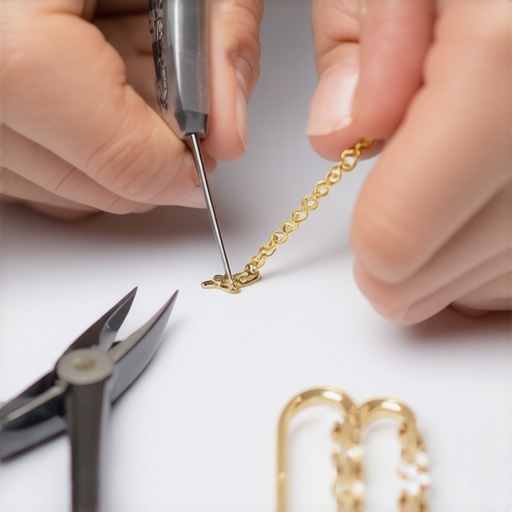
Have you faced situations where a lack of trust affected your work’s reputation? If so, you’re not alone. Many artisans stumble early on by overlooking the importance of transparency and professionalism. For more on how to establish this foundation, you might find this [build trust with your customers](https://jewelryfixpro.com/restringing-jewelry-repair-build-trust-lasting-confidence) helpful. Next, I’ll walk you through specific strategies that can elevate your craftsmanship and customer relationships, ensuring you’re not just fixing jewelry but also strengthening bonds that last.To truly excel at jewelry repair and strengthen customer trust, focus on mastering your craft through concrete, step-by-step actions. Start by **preparing your workspace meticulously**, ensuring all tools are clean and organized. Like a chef prepping ingredients, having everything at hand prevents delays and shows professionalism. When restringing delicate pearls, for example, use a fine, beading needle and high-quality silk thread, matching the original thickness to preserve the jewelry’s integrity. I once used a thicker thread on a vintage necklace, which caused undue tension; the result was a snapped strand. That taught me to always respect the original specifications.
Focus on Precise and Careful Techniques
Choose the Right Tools and Materials
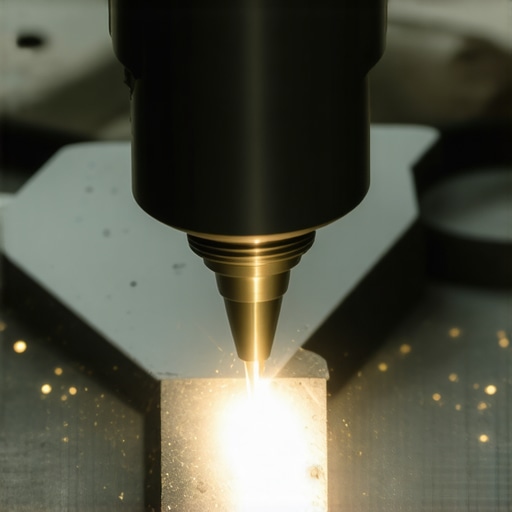
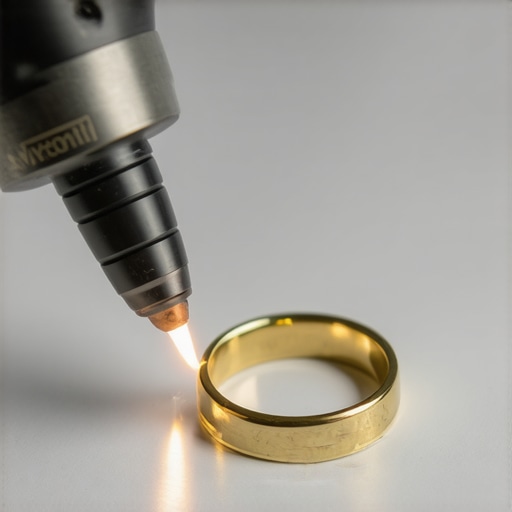
Clear facing and matching materials are crucial. For engravings, use a high-resolution graver or laser engraver depending on the design’s detail. During one custom engraving, I initially tried manual hand engraving for a client’s initials, but lacked precision. Switching to a laser engraver improved accuracy and speed, boosting my credibility. Similarly, when restringing, select a durable, corrosion-resistant thread like nylon or silk, depending on the jewelry’s vintage or usage. Reliable tools and quality materials reduce rework and build trust.
Follow a Systematic Process
Establish a routine—disassemble, clean, repair, reassemble, and inspect. When I repaired a vintage bracelet, I carefully documented each step with photos for transparency. This documentation not only helped me keep track but allowed me to show the client my process, reinforcing confidence. Always check your work for flaws before delivering it; even a tiny, invisible nick can undermine trust.
Implement Quality Control Checks
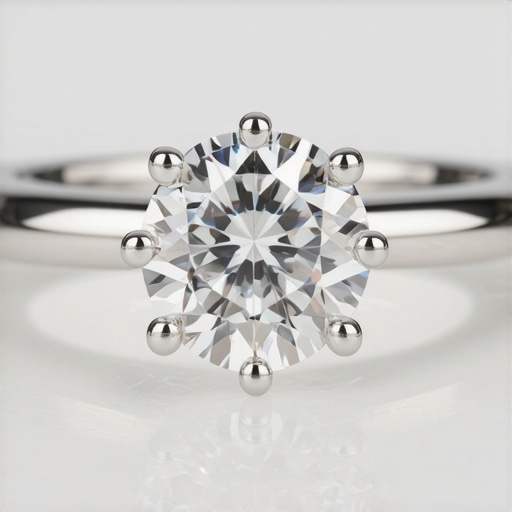
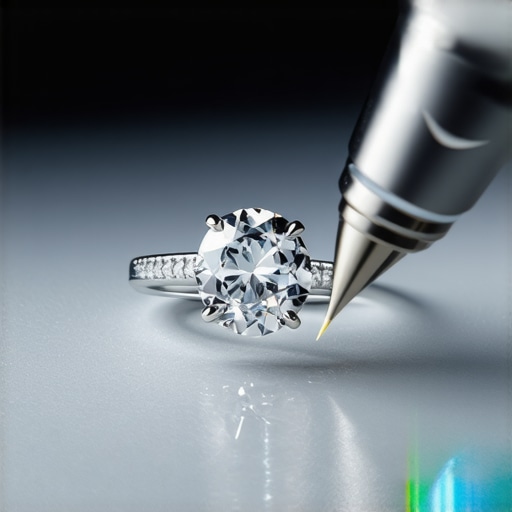
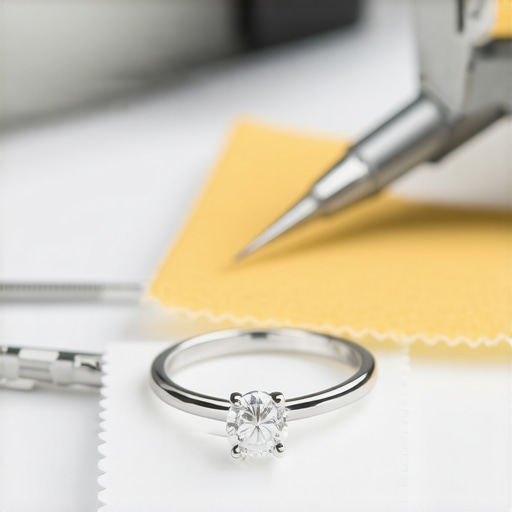
Before sealing a repair, inspect the finished piece under magnification. When I replaced missing stones in a ring, I used a loupe to verify the setting’s security. Handing over a repaired piece that has been checked thoroughly signals professionalism and care. For each task—from appraisals to engravings—develop a checklist that guarantees consistency.
Embed Transparency into Your Workflow
Share detailed explanations of your process, perhaps through photos or a short video. I once explained to a client how I restored a damaged vintage pendant, showing each step. This transparency reassures clients that no shortcuts are taken, which is vital for building lasting trust. Additionally, incorporate feedback loops: ask clients to review progress or approve steps, making them part of the process.
Integrate insights from guides like [restringing jewelry repair build trust lasting confidence](https://jewelryfixpro.com/restringing-jewelry-repair-build-trust-lasting-confidence) and [expert-engraving-services-to-transform-jewelry](https://jewelryfixpro.com/expert-engraving-services-to-transform-jewelry-build-trusting-confidence) to refine your techniques. Applying these concrete steps consistently turns craftsmanship into art, fostering trust and encouraging referrals.Many professionals believe that mastering the basics is enough for success in jewelry repair, engraving, or appraisals. However, in my experience, there’s a hidden nuance that many overlook—focusing solely on technique without understanding the underlying complexities can lead to costly mistakes. For instance, some assume that using the same tools across all types of jewelry is sufficient, but different materials demand specialized equipment to prevent damage and ensure longevity. This oversight can cause irreversible harm, especially when working with vintage or delicate pieces.
Why Do Even Experts Miss These Subtle Details
Studies show that a significant factor in failed repairs or unsatisfactory results stems from a lack of nuanced knowledge about materials and processes. For example, applying the same adhesive or cleaning method universally ignores the differences between porous and non-porous stones, leading to glue residue or surface damage. In my practice, I’ve seen skilled technicians ruin intricate engravings simply by neglecting material compatibility. To avoid falling into this trap, delve into detailed guides like [expert-re-stringing-jewelry-repair-for-lasting-confidence-in-2024](https://jewelryfixpro.com/expert-re-stringing-jewelry-repair-for-lasting-confidence-in-2024), which emphasize understanding material-specific techniques. Remember, every piece carries a story and a unique composition that demands respect and tailored solutions. To truly excel, invest in continuous learning and develop a keen eye for the subtleties involved. Think about your own work—have you ever fallen into this trap? Let me know in the comments. Understanding the science behind materials can significantly elevate the quality of your service, fostering trust and long-term client relationships. For example, precise engagement with different metals and stones prevents issues like tarnishing or surface deterioration, which are common pitfalls among untrained technicians. Jumping into advanced techniques without this foundational knowledge is where many go wrong. One actionable step is to study authoritative resources—guides like [expert-jewelry-repair-restringing-tips-to-ensure-lasting-trust-2](https://jewelryfixpro.com/expert-jewelry-repair-restringing-tips-to-ensure-lasting-trust-2) offer in-depth insights into material-specific repair strategies. Mastery of these nuances is what separates good technicians from the truly exceptional. Remember, the devil is in the details—neglecting them risks damaging your reputation and the jewelry you work on. So, approach each project with a mindset of precision, curiosity, and respect for the craft. Ultimately, your commitment to understanding these intricacies not only boosts your skillset but also fortifies customer trust—turning a simple repair into a lasting relationship.
Mastering Your Equipment for Long-Term Success
Investing in quality tools is the backbone of consistent, reliable jewelry work. Personally, I rely on a high-quality flex shaft machine because of its versatility—allowing me to perform precise drilling, polishing, and engraving without switching devices. The key is choosing a model with variable speed control, like the Foredom SR series, which offers the delicate handling needed for vintage pieces and intricate engravings. Remember, cheap tools often lead to inconsistent results and frustration, so it’s worth investing in trusted brands for longevity and precision.
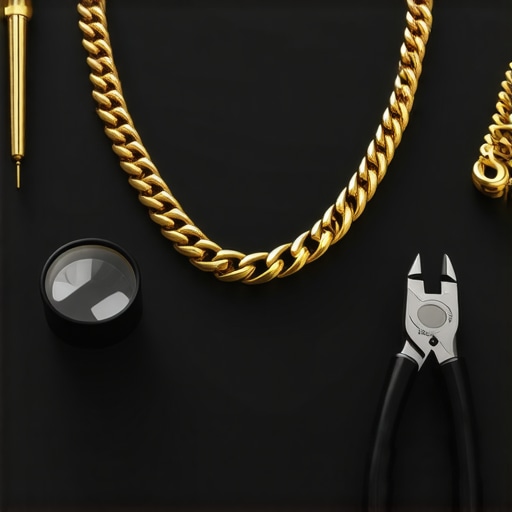
Beyond machinery, having a comprehensive set of hand tools is vital. Fine-tip tweezers, bezel and prong pushers, and precision pliers should be a part of your daily toolkit. For example, I prefer flush-cutters with smooth jaws—they prevent marring delicate surfaces during restringing or setting stones. Regularly maintaining and cleaning your tools ensures they stay sharp and effective, which directly improves repair quality over time.
How do I maintain my tools over time?
Implementing routine cleaning with a soft brush and light oil, like light machine oil, prevents rust and keeps tools moving smoothly. Storage is equally important; keep your tools in a dedicated toolbox with moisture barriers, or use silica gel packs to control humidity. Scheduling periodic checks and replacing worn parts, such as needle burs or cutting edges, sustains performance and reduces rework. A well-maintained toolkit not only enhances craftsmanship but also builds confidence with clients because you consistently deliver impeccable results.
To ensure your repairs stand the test of time, consider using a high-quality polishing system like a lapidary machine fitted with variable grit pads. It’s essential for finishing pieces, removing scratches, and restoring a mirror-like shine. Consistent polishing techniques boost the overall aesthetic, signaling professionalism and attention to detail.
Anticipate the Future: Tech and Techniques Evolving
Advancements like digital engravers using CNC technology are revolutionizing engraving services, offering unparalleled precision and repeatability. Investing in these tools means you can tackle more complex designs efficiently, building trust with clients seeking custom work. As technology advances, staying current with software updates and tool calibration becomes even more crucial—regular training sessions and reading expert guides keep your skills sharp. For example, exploring innovative engraving methods with expert engraving techniques can differentiate you from competitors.
Try integrating one advanced tip today—perhaps calibrate your engraving machine using a standard test pattern to ensure design accuracy. It’s a subtle step that can significantly improve your trustworthiness and craftsmanship. Remember, ongoing investment in dependable tools and their maintenance forms the foundation for long-term success, allowing your business to scale smoothly and reliably.
Over years of working with countless jewelry pieces, I’ve discovered that the real magic lies beyond just fixing or engraving—it’s in cultivating genuine trust with clients. When you focus on impeccable craftsmanship paired with transparent communication, you’re not just repairing jewelry; you’re forging relationships that stand the test of time. Remember, every delicate strand of pearls or intricate engraving tells a story, and your role is to honor that with integrity and care.
One lesson that truly transformed my approach was understanding that trust is a two-way street—listening carefully to client concerns and managing expectations proactively creates a foundation of confidence. Sharing behind-the-scenes insights or progress updates makes clients feel involved and valued, turning a simple repair into an experience they can cherish. Honesty and attention to detail are your most powerful tools—use them consistently, and you’ll see your reputation flourish.
Investing in quality tools and continuous learning sharpens your skills and signals professionalism. Every polished surface, carefully tightened prong, or personalized engraving adds to your credibility, encouraging clients to return or recommend your services. Remember, in jewelry repair and customization, the smallest touch of excellence leaves a lasting impression.
Becoming a respected artisan means embracing both craftsmanship and relationship-building. It’s about exceeding expectations, safeguarding heirlooms, and creating moments of delight. Your dedication to these principles not only elevates your craft but also transforms ordinary repairs into trusted partnerships that last a lifetime.

![5 Hidden Signs Your Ring Prongs Are Failing [2026 Checklist]](https://jewelryfixpro.com/wp-content/uploads/2026/02/5-Hidden-Signs-Your-Ring-Prongs-Are-Failing-2026-Checklist.jpeg)
![3 Subtle Signs Your Diamond Is About to Fall Out [2026]](https://jewelryfixpro.com/wp-content/uploads/2026/02/3-Subtle-Signs-Your-Diamond-Is-About-to-Fall-Out-2026.jpeg)