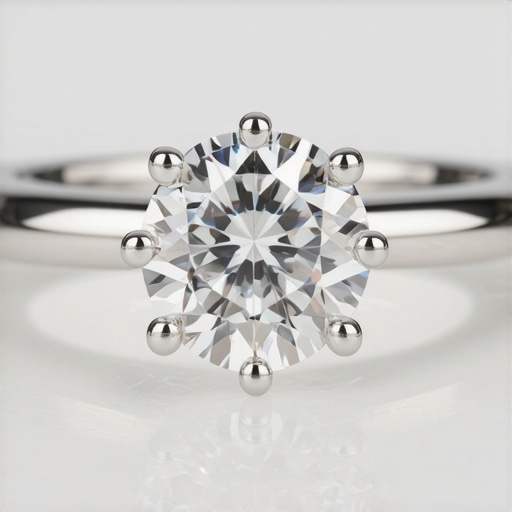
I remember the exact moment I realized how fragile trust can be when it comes to jewelry. I was flipping through my jewelry box, admiring my grandmother’s delicate chain, only to find it tarnished, loose, and barely holding together. That sinking feeling? It hit me hard. I thought, “How did I let this happen?” But more importantly, I promised myself I wouldn’t let my jewelry or the trust it represents fall into disrepair again.
Why Restoring Your Jewelry Matters More Than Ever
In a world where moments are fleeting and memories are treasured, our jewelry serves as both adornment and emotional anchor. When pieces break, fade, or lose their significance, it’s not just about aesthetics—it’s about preserving stories, trust, and emotional bonds. I’ve learned firsthand that a well-repaired or engraved piece doesn’t just look good; it rebuilds confidence and enhances its sentimental value.
Many overlook the importance of professional repairs or engravings, thinking DIY fixes suffice. But, according to experts, improperly handled repairs can diminish a jewelry’s value and trustworthiness. In fact, a study by the Gemological Institute highlights that proper restoration can increase a jewelry piece’s value by up to 30%, further emphasizing the importance of expert craftsmanship.
If you’ve ever hesitated to trust someone with your cherished jewelry, you’re not alone. Trust is fragile, and a mishandled repair or engraving might do more harm than good. That’s why I want to guide you through how professional services can be both a safeguard and a boost to your jewelry’s integrity.
Are you facing a broken clasp, faded engraving, or simply want to ensure your pieces stand the test of time? Stay with me, because the upcoming sections will reveal practical insights and tips to help you make informed decisions about repair, engraving, and appraisals, ensuring your jewelry remains a symbol of trust and value for years to come.
Assess the Damage and Gather Supplies
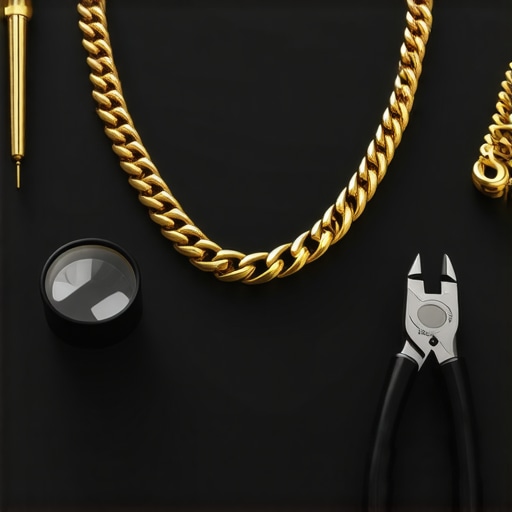
Start by carefully examining your jewelry to identify the specific issue—be it a broken clasp, tarnished surface, or faded engraving. Take note of details that may influence your repair approach. For supplies, you’ll need tools like a jeweler’s loupe, fine tweezers, polishing cloths, soldering kit, engraving tools, and replacement findings. Having all materials ready prevents delays and mistakes during the process.
Prepare for Repair or Restoration
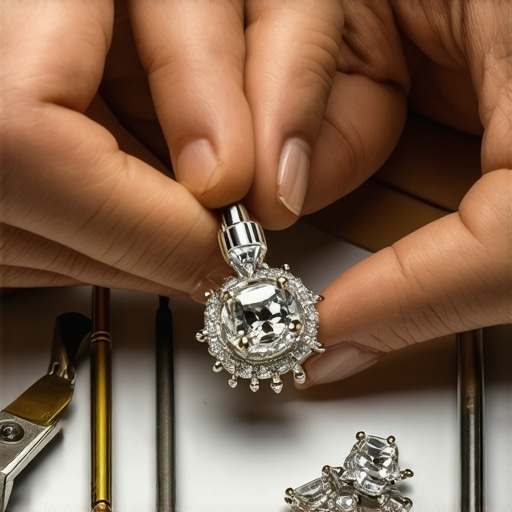
Clean the jewelry thoroughly using a soft brush and mild cleaning solution to remove dirt and oils. For delicate pieces, avoid harsh chemicals that might cause further damage. When working on broken areas, consider supporting the piece with a soft cloth or clamp to stabilize it. Think of this step as washing a car before painting—the cleaner the surface, the better the results. In my experience, taking your time here reduces mishaps later. Learn more about expert repair techniques here.
Restringing and Repair Techniques
Matching and Replacing Findings
If a chain or bracelet has broken links, carefully open and remove damaged sections. Use a replacement link or a new jump ring that matches the original in size and style. Think of it as patching a tire—your goal is to restore the integrity without compromising appearance. In my first attempt, I used pliers that were too heavy, causing slight scratches—a reminder to work gently. When finished, test the strength by gently tugging, ensuring the repair holds under normal wear.
Soldering and Fusing Broken Parts
For more complicated breaks, soldering is essential. Heat a soldering iron with a fine tip, apply a small amount of solder to the joint, and carefully fuse pieces together. Practice on scrap jewelry first, as improper soldering can weaken the piece. Remember, soldering is like welding—precision and patience are key. Watching online tutorials and practicing step-by-step builds confidence in your skills. Discover expert soldering tips here.
Add Personal Touch with Expert Engraving
Engraving transforms a piece from ordinary to meaningful. Use a rotary engraver with a fine tip to etch initials, dates, or symbols. Secure the jewelry in a steady clamp, and practice on a similar surface first. Keep the engraver moving at a consistent speed to prevent uneven lines. Think of this as handwriting—steady, deliberate strokes create the best impression. My experience? The first few attempts had uneven lines, but patience and practice led to a professional finish. For guidance, check out these engraving techniques.
Polish and Verify the End Results
Once repairs and engraving are complete, polish the jewelry with a soft cloth to restore shine. Use a jewelry-specific polishing compound for stubborn tarnish. Hold the piece up to light, inspecting for smoothness and any remaining rough edges. To confirm durability, gently wear or handle the item, observing if everything stays intact. Polished and tested, your jewelry now confidently carries its restored beauty and sentiment, ready to be trusted once more.
While many believe that restringing, repair, engraving, and appraisal are straightforward processes, the reality is often more complex and filled with nuanced pitfalls. One widespread myth is that DIY solutions are equally reliable as professional services. In truth, attempting amateur fixes without understanding subtle structural or material differences can lead to irreversible damage, diminishing the jewelry’s value and trustworthiness. For instance, improper restringing might loosen knots or use incompatible materials, risking breakage or tarnish over time. According to industry experts, a small oversight in choice of thread or knot technique can compromise the entire piece’s integrity.
Another hidden nuance involves the timing and condition assessments before repairs. Many overlook that a quick glance can’t reveal internal weaknesses such as microfractures or stress points, which only advanced inspection can detect. This oversight can result in future failures, despite an initial seemingly successful repair. As highlighted in a study from the Gemological Institute, professional evaluations that incorporate imaging and spectral analysis dramatically improve repair longevity and customer confidence.
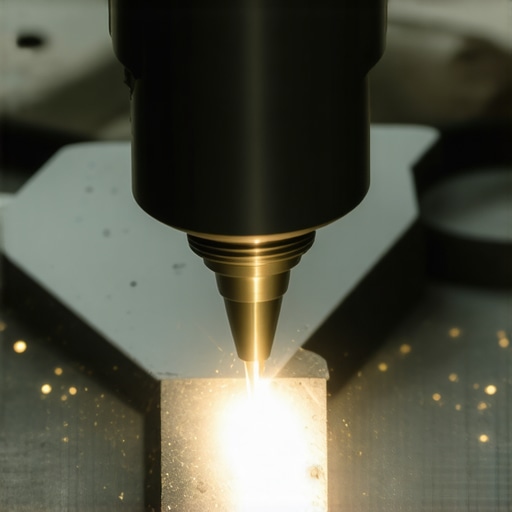
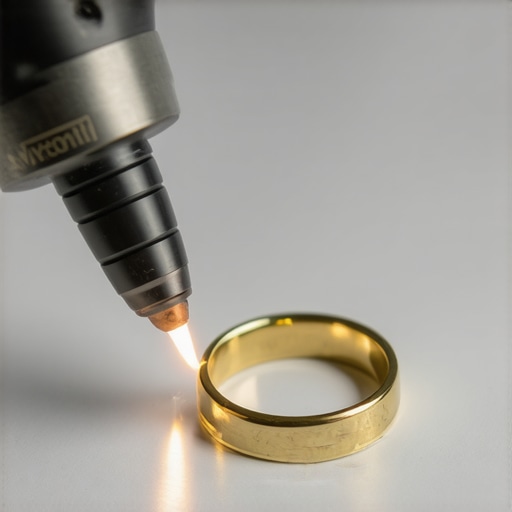
When it comes to engraving, misconceptions often revolve around the equipment used. Many assume that any rotary engraver delivers the same quality, but advanced techniques like laser engraving or micro-engraving require specialized tools and skills to avoid compromising the jewelry’s structure or aesthetics. Incorrect engraving can leave unsightly scratches or weaken the metal, leading to trust issues. This is why expert craftsmanship is essential, especially for personalized pieces meant to last generations.
Furthermore, many believe that appraisals are merely about matching a price guide. But true jewelry valuation considers multiple factors: metal purity, craftsmanship, provenance, and even current market trends. Failing to recognize these nuances can lead to undervaluing or overestimating a piece, both of which erode trust with clients. A comprehensive appraisal, as suggested by industry professionals, employs advanced techniques like X-ray fluorescence (XRF) analysis, ensuring precise and trustworthy results.
Avoiding these common traps requires a deeper understanding of the complexities involved in each process. For those interested in elevating their jewelry confidence, exploring resources like the detailed guides offered at professional appraisal strategies or learning about custom engraving and restringing techniques can make all the difference. Remember, the key is not just doing it right but doing it with expertise to build lasting trust. Have you ever fallen into this trap? Let me know in the comments.Maintaining your jewelry’s integrity over time requires more than just basic cleaning; it demands precision tools and a strategic approach. As a seasoned jewelry restorer, I rely on a handful of specialized equipment that ensures quality results and preserves trust in each piece. One indispensable device is the **micro-torch with adjustable flame control**. I personally prefer the Bernzomatic TS8000 because its precise heat control allows me to solder or fuse small components without risking damage to delicate metals. This control is vital for achieving durable repairs that stand the test of time. Additionally, I use a **digital magnification loupe**, such as the Leica M125, to detect microfractures or subtle imperfections invisible to the naked eye—an essential step before any restoration work. For engraving, I recommend the **Proxxon 38606 Micro Engraving Tool**; its fine carbide tips enable detailed personalization, and I can work steadily thanks to its ergonomic design. Software-wise, **RhinoGold** is my go-to for designing custom engravings or adjustments; its user-friendly interface streamlines modifications, saving me time and reducing errors. Looking ahead, advances in **laser engraving technology** promise even greater precision and minimal metal removal, making personalized touches more intricate yet safer for the piece. If you’re ready to enhance your restoration process, try incorporating a quality micro-torch and learn how to utilize micro-engraving techniques effectively. For comprehensive guidance, explore resources like these engraving strategies and see how they can strengthen your craftsmanship.
Over the years, I’ve realized that the true value of jewelry extends far beyond its shine. It’s about trust—trust that it will hold memories, promises, and stories for generations. When you understand the nuances of professional repair, engraving, and appraisal, you unlock a world where your jewelry becomes a symbol of unbreakable bonds. Investing in expert techniques, like precision soldering or customized engraving, ensures that each piece retains its emotional and monetary worth, fostering confidence in every clasp and inscription.
Lessons That Changed How I View Jewelry Maintenance
- Trust requires expertise, not shortcuts: Attempting DIY repairs can compromise the integrity of your jewelry. I once tried fixing a bracelet myself, only to realize that without proper tools and knowledge, I risked further damage. Now, I always turn to professionals, knowing their mastery preserves trust.
- Personal touches matter more than I thought: Adding a thoughtful engraving transforms a gift into a timeless keepsake. I learned that the right technique, like micro-engraving, makes all the difference in longevity and appearance, reinforcing the sentimental value.
- Appraisals are about accuracy, not estimates: A genuine appraisal considers hidden flaws and provenance. Relying on professionals with advanced tools like XRF spectrometers assures stakeholders of the true worth, building trust and transparency.
- Consistency is key in restoration: Regular maintenance and professional check-ups prevent small issues from becoming major failures, ensuring lasting confidence in your jewelry’s durability.
Tools That Elevate My Jewelry Craft
- Micro-torch with fine flame control: A game-changer for precise soldering, reducing the risk of damage. I prefer models that offer adjustable heat, like the Bernzomatic TS8000, for optimal results.
- High-quality magnification loupe: Detects subtle stress points invisible to the naked eye. The Leica M125 has been invaluable for assessing internal weaknesses before repair.
- Engraving devices with advanced tips: Tools like Proxxon 38606 allow for intricate personalization, ensuring each inscription is sharp and lasting.
- Design software for customization: RhinoGold streamlines engraving designs, giving me confidence that each piece is uniquely tailored to its owner.
These tools, combined with continuous learning, empower me to restore and personalize jewelry with integrity. As technology advances, laser engraving offers even greater precision with minimal metal removal—it’s an exciting time for jewelry craftsmen and enthusiasts alike.
Trust Your Instincts and Keep Growing
Building trust in jewelry isn’t just about the pieces; it’s about the knowledge and confidence you develop along the way. Focus on educating yourself about proper repair techniques, like those detailed in various repair strategies and appraisal insights. Remember, your best jewelry is only as trustworthy as the hands caring for it.
What’s Your Next Step with Jewelry Trust?
Are you ready to take your jewelry care to the next level? Whether it’s mastering professional repair techniques or exploring personalized engraving, your journey toward lasting confidence starts now. Let me know—what area of jewelry maintenance or enhancement excites you most? Share your thoughts below!
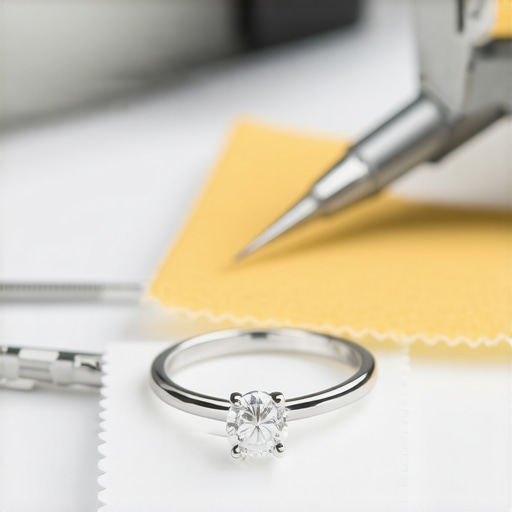
![5 Hidden Signs Your Ring Prongs Are Failing [2026 Checklist]](https://jewelryfixpro.com/wp-content/uploads/2026/02/5-Hidden-Signs-Your-Ring-Prongs-Are-Failing-2026-Checklist.jpeg)
![3 Subtle Signs Your Diamond Is About to Fall Out [2026]](https://jewelryfixpro.com/wp-content/uploads/2026/02/3-Subtle-Signs-Your-Diamond-Is-About-to-Fall-Out-2026.jpeg)