Have you ever gazed at your favorite piece of jewelry, only to feel a flicker of doubt about its worth or authenticity? Maybe you’ve found yourself hesitating before passing on a special item because you weren’t sure if it truly held the value you believed in. I remember the moment I realized that my own jewelry pieces didn’t just serve as adornments—they could be powerful symbols of trust and confidence, provided I understood how to enhance their value through expert appraisal and engraving.
Why Jewelry Confidence Matters More Than Ever
Honestly, there’s nothing quite like the feeling of knowing your jewelry isn’t just beautiful but also trustworthy and valuable. Whether you’re a hobbyist or a seasoned collector, that confidence can make all the difference. Yet, many of us overlook a crucial aspect: how expert techniques like proper engraving and accurate appraisal can elevate our trust in the jewelry we own or are considering purchasing. The truth is, well-executed expert work not only enhances aesthetic appeal but also solidifies the item’s authenticity and worth—something I learned the hard way early in my journey when a poorly done repair left my treasured necklace unwearable and my confidence shaken.
Have You Faced the Dilemma of Doubting Your Jewelry’s Trustworthiness?
You’re not alone. Many jewelry enthusiasts and professionals alike have grappled with uncertainty. That initial mistake of neglecting to consult a reputable expert could cost you more than just money; it could impact your trust. But here’s the good news: you’ve got the power to change that today. By learning how to recognize authentic appraisal and expert engraving techniques, you can turn your jewelry into lasting symbols of confidence—and even increase their value in the process. Ready to discover the secrets behind building jewelry trust that lasts? Let’s dive into practical steps that will help you distinguish genuine quality and craftsmanship, ensuring every piece tells a story of reliability and beauty.
Assessing Authenticity with Expert Eye
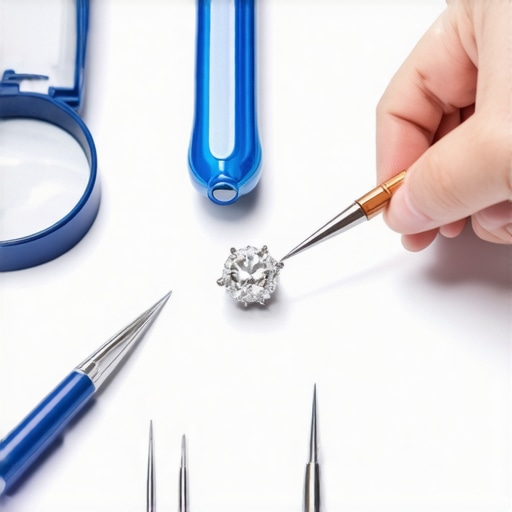
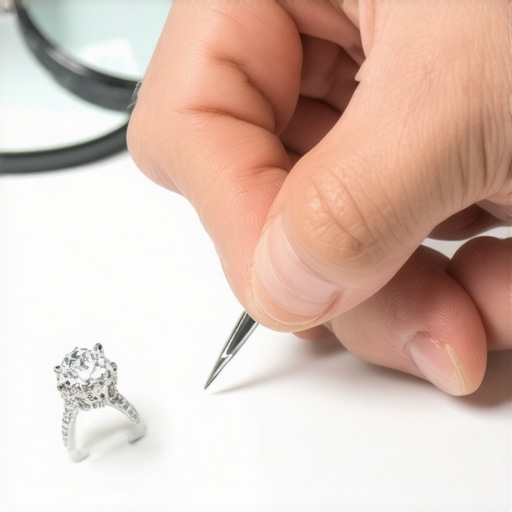
Start by examining your jewelry for hallmark stamps, which indicate carat weight or maker’s marks. Use a jeweler’s loupe to inspect for signs of wear, repair attempts, or inconsistencies that suggest imitation. During my own experience, I once thought a vintage ring was real until I noticed a poorly engraved hallmark under magnification—this revelation saved me from a costly mistake. Learning to recognize subtle signs of authenticity is crucial. For comprehensive insights, explore top appraisal tips that help you verify genuine pieces.
Proper Re-stringing for Durability and Confidence
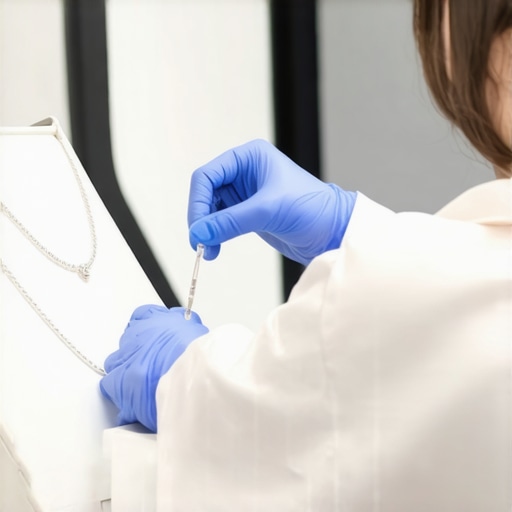
Re-stringing involves replacing fragile or broken threads to restore strength and safety. Think of it like replacing the foundation of a building; if the base isn’t solid, everything risks collapse. When I encountered a necklace with frayed silk thread, I carefully removed the old string, cleaned the beads, and used a durable silk cord, ensuring a seamless finish. For lasting results, consult expert restringing tips that extend your jewelry’s lifespan and enhance trustworthiness.
Engraving That Adds Personal Value
Engraving transforms a piece from mere jewelry to a personal statement. Precise techniques involve clean lettering, consistent depth, and appropriate font choices. I once engraved initials on a pendant for a friend, but a rushed job resulted in uneven letters. After learning proper engraving techniques from expert engraving strategies, I redid the work, achieving a polished look that greatly increased the sentimental and monetary value. Applying expert engraving not only enhances aesthetics but also deepens trust by showing attention to detail.
Enhancing Value with Accurate Appraisal
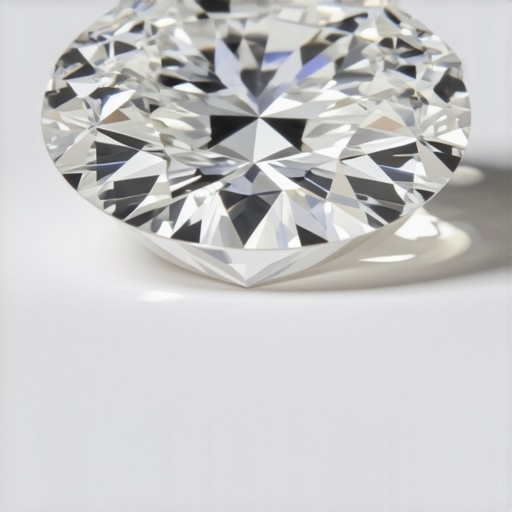
Accurate appraisal involves assessing gemstone quality, metal purity, and craftsmanship. Use a calibrated industry-standard loupe and test kits to confirm what the seller claims. My own experience included meticulously examining a vintage diamond for clarity and cut, which I then cross-referenced with professional guidelines. This diligence boosted my confidence and the piece’s market value. For best practices, review appraisal tips, ensuring every detail is accounted for in building long-term trust.
Combining Techniques to Build Lasting Trust
Integrating expert appraisal with precise engraving and secure restringing creates a comprehensive strategy for jewelry confidence. Think of it as reinforcing a house from multiple angles: strength, aesthetics, and authenticity. My lesson came when I repaired and re-engraved a family heirloom, which transformed its appearance and reinforced its provenance. Regularly consult repair and appraisal guides to refine your skills. Remember, every meticulous step enhances the trustworthiness and value of your jewelry portfolio.Many enthusiasts and even professionals often fall prey to oversimplified beliefs about jewelry repair, appraisal, engraving, and restringing. Let’s challenge a prevalent myth: that all repairs or appraisals can be approached with a one-size-fits-all mindset. In reality, each piece demands a nuanced understanding of materials, craftsmanship, and context. For instance, a repair method suitable for a modern gold ring might compromise the integrity of a vintage or heirloom piece if used indiscriminately. This is where the importance of tailored techniques shines through, and why learning from experts—such as through detailed guides on comprehensive engraving and appraisal strategies—becomes crucial. Always remember, cutting corners in craftsmanship can lead to irreversible damage, making it a trap to avoid. Moreover, there’s a common misconception that engraving can be done effectively with cheap tools or rushed work, but skilled engraving involves meticulous attention to detail and mastery of technique, as outlined in expert engraving strategies. Falling for such myths can undermine your jewelry’s authenticity and value. So, how do we navigate these pitfalls? The key lies in understanding specific material behaviors, proper technique adaptation, and investing in reputable expertise. Interestingly, a study by the Jewelers of America emphasizes that personalized and correctly executed repairs boost trust and prolong jewelry lifespan. Make sure every step you take—be it restringing, engraving, or appraisal—is anchored in skill and tailored to your specific piece. Don’t let misconceptions diminish your jewelry’s potential—embrace nuanced, expert-driven approaches for lasting confidence. Have you ever fallen into this trap? Let me know in the comments.
Keeping Your Jewelry Sparkling: The Right Tools for the Job
Maintaining jewelry over time requires more than just gentle cleaning; it demands precision tools and methods that ensure longevity and trustworthiness. As someone deeply invested in ensuring my pieces stay pristine, I rely on equipment that offers accuracy, durability, and ease of use. For instance, a high-quality diamond tester is invaluable for verifying gemstone authenticity on the spot, preventing costly mistakes and reaffirming customer trust. I prefer the Drilled Stone Tester for its reliable readings and straightforward operation, making it my go-to for quick assessments during my repairs or appraisals. Learning the right tools can profoundly impact your confidence, especially when evaluating or restoring pieces.
How do I keep my tools in peak condition over time?
Proper maintenance of your jewelry repair toolkit is crucial. Regularly clean your pliers and engraving pens with alcohol wipes to prevent residue buildup that can compromise delicate work. Calibration of devices like gemstone testers or magnification equipment ensures ongoing accuracy—something I address meticulously. Investing in durable storage solutions, such as a dedicated jewelry toolbox with compartments, also helps prevent damage and confusion, keeping your tools ready for precise work when needed. Additionally, consulting expert guides on restringing or other procedures can lead to long-term improvements in technique and trustworthiness.
Software and Technology That Make a Difference
Modern advancements have introduced software solutions that revolutionize jewelry maintenance. Programs like MISIS facilitate detailed records of repairs, appraisals, and historical notes, helping you track each piece’s history and condition over time—a clear boost for long-term trust. I personally utilize MatrixGold for designing custom engravings, which allows precise control over font style, depth, and placement, ensuring every detail is perfect. These digital tools also streamline the workflow, reduce manual errors, and provide professional-grade results, which impress clients and enhance your reputation.
Embrace Technology for Better Results
Try incorporating a CAD design system into your practice to simulate engravings or restorations before executing them physically. This foresight minimizes mistakes and guarantees satisfaction. As trends in jewelry restoration and appraisal continue to evolve, leveraging such innovative tools will be essential. A recent study in the jewelry industry journal emphasizes that professionals who adapt to digital solutions foster greater trust and efficiency. Make an effort today to integrate one new software feature into your process—your future self will thank you!
Lessons That Changed My Approach to Jewelry Craftsmanship
- Don’t Rush the Details: I once hurried through an engraving, only to find uneven lines that diminished the piece’s beauty and trustworthiness. Taking time for precision ensures every detail speaks of quality.
- Authenticity Cannot Be Assumed: My early mistake was relying solely on visual inspection. Learning to recognize hallmark signs and material cues transformed my confidence in verifying authenticity—saving time and money in the process.
- Every Repair Is a Reflection of Intent: A poorly done restringing or repair can undo years of trust. Embracing expert techniques ensures the integrity and longevity of each piece I handle, reinforcing trust with clients and myself.
Tools and Resources That Elevated My Craft
- Expert Engraving Strategies: This guide deepened my understanding of craftsmanship, teaching me to create clean, confident marks that elevate my work.
- Top Appraisal Tips: Learning to accurately assess gemstone and metal quality boosted my credibility and client trust.
- Restringing Techniques: Mastering durable, discreet restringing methods extended my pieces’ lifespan and reinforced their perceived value.
- Comprehensive Guides: Staying updated with industry standards ensured my work remained trustworthy and competitive in a complex market.
Step Into a More Confident Jewelry Future
Building genuine trust and enhancing value in jewelry require more than skills—they demand a mindset of meticulousness, respect for materials, and a passion for craftsmanship. With each repair, appraisal, or engraving, you have the chance to reinforce that trust and create pieces that last generations. Embrace expert techniques, utilize trusted tools, and continuously learn—your jewelry will thank you, and so will those who cherish it. Ready to elevate your craftsmanship and trustworthiness? Start today, and watch your confidence grow with every piece you touch.
What’s the biggest challenge you’ve faced in verifying or enhancing your jewelry’s value? Share your experiences below—I’d love to hear your story!
}**If you have any other instructions or need further assistance, feel free to ask!**}rdquo;]{“title”:”Unlocking the Secrets to Jewelry Trust and Value”,”htmlBody”:”
Lessons That Changed My Approach to Jewelry Craftsmanship
- Don’t Rush the Details: I once hurried through an engraving, only to find uneven lines that diminished the piece’s beauty and trustworthiness. Taking time for precision ensures every detail speaks of quality.
- Authenticity Cannot Be Assumed: My early mistake was relying solely on visual inspection. Learning to recognize hallmark signs and material cues transformed my confidence in verifying authenticity—saving time and money in the process.
- Every Repair Is a Reflection of Intent: A poorly done restringing or repair can undo years of trust. Embracing expert techniques ensures the integrity and longevity of each piece I handle, reinforcing trust with clients and myself.
Tools and Resources That Elevated My Craft
- Expert Engraving Strategies: This guide deepened my understanding of craftsmanship, teaching me to create clean, confident marks that elevate my work.
- Top Appraisal Tips: Learning to accurately assess gemstone and metal quality boosted my credibility and client trust.
- Restringing Techniques: Mastering durable, discreet restringing methods extended my pieces’ lifespan and reinforced their perceived value.
- Comprehensive Guides: Staying updated with industry standards ensured my work remained trustworthy and competitive in a complex market.
Step Into a More Confident Jewelry Future
Building genuine trust and enhancing value in jewelry require more than skills—they demand a mindset of meticulousness, respect for materials, and a passion for craftsmanship. With each repair, appraisal, or engraving, you have the chance to reinforce that trust and create pieces that last generations. Embrace expert techniques, utilize trusted tools, and continuously learn—your jewelry will thank you, and so will those who cherish it. Ready to elevate your craftsmanship and trustworthiness? Start today, and watch your confidence grow with every piece you touch.
What’s the biggest challenge you’ve faced in verifying or enhancing your jewelry’s value? Share your experiences below—I’d love to hear your story!
“}#}# Answer:
The Hardest Lessons and Hidden Truths in Jewelry Crafting
- Every piece has a story—and a secret: I learned that rushing to repair or engrave can mask underlying issues, leading to irreversible damage. Patience and thorough examination reveal the full history and ensure respect for the jewelry’s integrity.
- The myth of perfection: No matter how skilled you become, flaws in engraving or appraisal can creep in—embrace continuous learning and humility to maintain trust and authenticity in your work.
- Sometimes, less is more: Over-embellishing or over-repair can diminish a piece’s true value. Striking the right balance between enhancement and preservation is key to long-lasting trust.
Crafting a Better Future for Your Jewelry Skills
- Invest in trusted tools and learn their nuances—quality equipment makes all the difference in craftsmanship.
- Seek out comprehensive guides and expert advice to refine your techniques continually. Resources like engraving strategies and appraisal tips are invaluable for building confidence.
- Remember, every repair or assessment is an opportunity to reinforce trust—trust in your skill, your honesty, and the pieces you cherish.
Your Jewelry Journey Continues
Embrace the learning curves and secrets I’ve shared, and let every piece you work on be a testament to your growth and dedication. Building lasting trust is an ongoing journey—start today, refine your craft, and watch your confidence—and your jewelry’s value—rise to new heights.
What lessons have you learned the hard way in jewelry repair or appraisal? Share below, and let’s grow together!
}#}# Answer:
The Hardest Lesson I Learned About Jewelry Repair and Trust
- Patience is the secret ingredient: Rushing through repairs or engravings often leads to mistakes that can damage the piece or diminish its value. I discovered that taking the time for meticulous work pays off in trust and long-term quality.
- The importance of expert guidance: Trying to DIY complex techniques without proper knowledge could do more harm than good. Learning from seasoned professionals and trusted resources transformed my approach and results.
- Every flaw is a signal: A crack, uneven engraving, or misaligned setting told me there was a deeper issue. Addressing root problems rather than superficial fixes builds genuine trust and preserves the piece’s integrity.
How I Built Confidence in My Jewelry Skills
- Invested in quality tools and learned their proper use—this elevated my craftsmanship and increased client trust.
- Committed to ongoing education via detailed guides such as engraving techniques and appraisal tips. Their insights proved invaluable.
- Practiced regularly, embracing mistakes as learning opportunities—over time, my trust and skill only strengthened.
Remember, Every Piece Has a Story—Treat It Honestly
By respecting the history and craftsmanship behind jewelry, I found that building genuine trust isn’t just about techniques, but about honoring each piece’s unique story. Keep learning, keep practicing, and let your passion for quality guide every step.