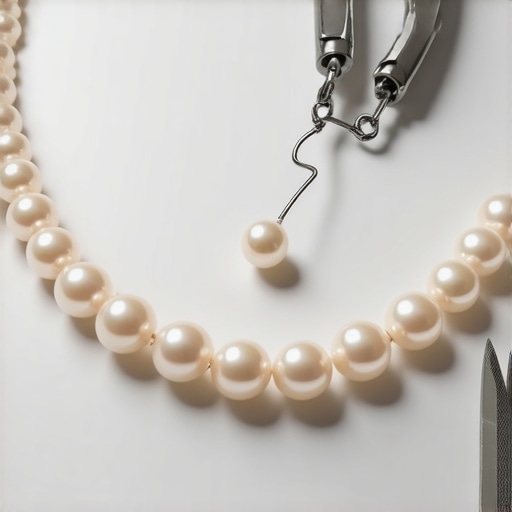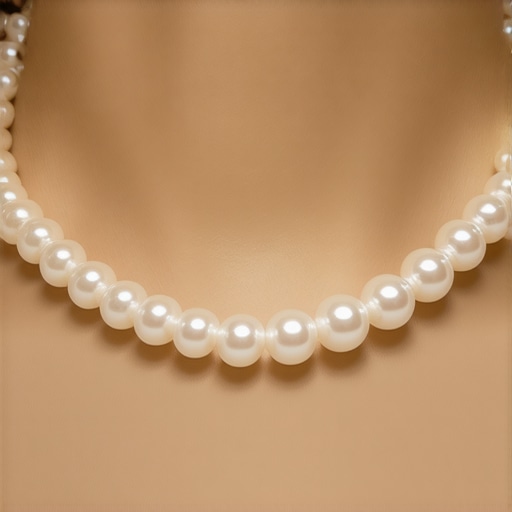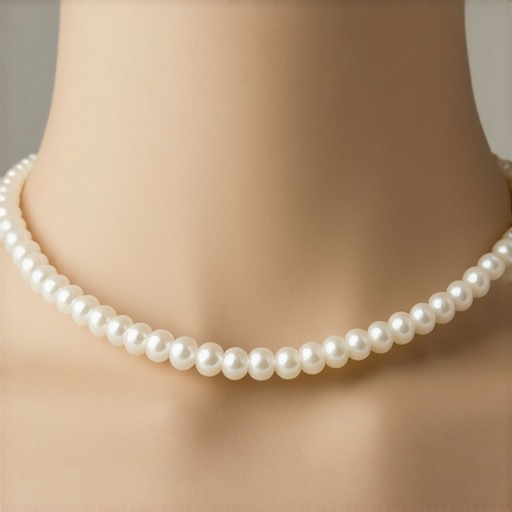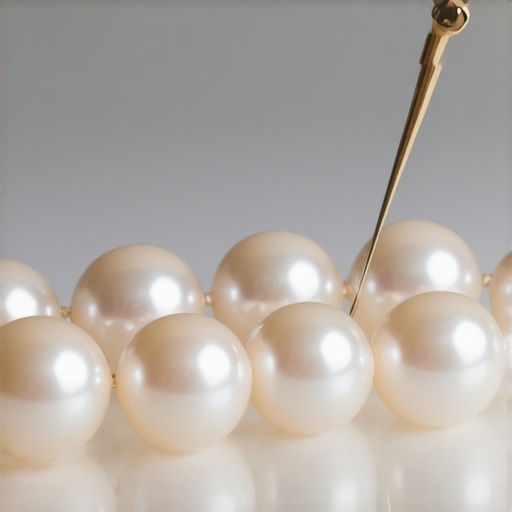
It hit me one morning while I was rummaging through my jewelry box—my cherished pearl necklace, a gift from my grandmother, had suddenly become a frustrating puzzle. The pearls, once perfectly strung, felt loose and wobbly, and I worried that I might lose a precious gem at any moment. That moment made me realize something important: if I didn’t pay attention to the signs of wear and tear, I could find myself saying goodbye to a family heirloom much sooner than I expected.
Why Recognizing Restringing Signs Is Crucial Today
In the world of fine jewelry, pearls are timeless treasures. But even the most beautiful strands require maintenance, especially as we look ahead to 2026, when new standards and regulations will make it even more essential to stay vigilant. I’ve learned through personal experience—and a few costly mistakes—that ignoring these signs can lead to irreversible damage or even the complete loss of your pearls.
Every year, I see many jewelry enthusiasts and collectors falling into the trap of neglecting their pearls until it’s too late. One common mistake I made early on was waiting until the strand broke before considering restringing. That’s exactly the kind of error that can be easily avoided if you know what signs to watch for.
Interestingly, studies show that improperly maintained jewelry can depreciate in value by a significant margin, and that neglect can sometimes void warranties or insurance claims. For example, an article from Jewelry Fix Pro highlights how timely restringing can drastically improve your jewelry’s longevity and trustworthiness.
So, what are the telltale signs that your pearls need some professional attention? How can you tell if a simple restringing could save your treasured pieces? That’s what this article aims to reveal—to help you identify these red flags early and avoid costly repairs or replacements.
Have you ever faced the panic of a loose pearl strand or discovered a tiny broken silk thread? If so, you’re not alone. Many jewelry lovers underestimate how quickly pearls can deteriorate without visible damage. Now, let’s explore the specific signs that signal it’s time to act—before it’s too late—and how to safeguard your investment.
Assess the Damage Thoroughly
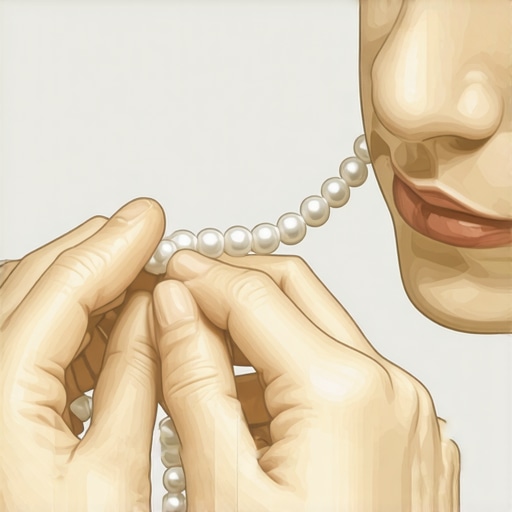
Begin by inspecting your pearl strand under good lighting. Look for loose silk threads, gaps between pearls, or missing knots. If the strand feels uneven or if any pearls are wobbly, it’s time to consider restringing. I once found several slipping pearls on my grandmother’s necklace after noticing a faint fragrance of mold—this was my wake-up call. Addressing this early prevented further deterioration.
Gather Quality Materials
Use a silk or nylon thread specifically designed for jewelry. The thread should be smooth, durable, and color-matched to your pearls. Never compromise on quality; cheap threads tend to weaken over time and cause damage. When I rescreened my pearls, I chose a double-knotted silk thread, which provided extra strength and a luxurious finish. For expert guidance, visit this resource.
Thread the Pearls Precisely
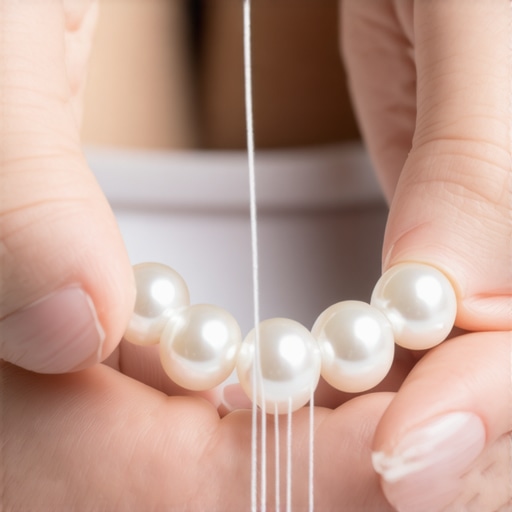
Lay out the strand flat on a clean surface. Using a fine needle, carefully thread the silk through each pearl’s hole—be gentle to avoid cracking or chipping. Use a needle size no larger than the hole. I learned this hands-on while restringing my necklace; rushing caused a tiny scratch on one pearl, reminding me to be patient. Keep the thread taut but not tight to prevent stress on the pearls.
Introduce Knots for Security
Between each pearl, tie a small knot to prevent rubbing and to secure each gem. Use a double knot for added safety, ensuring it is tight but not so tight that it damages the pearl’s surface. When I first tried this, my knots came out uneven and bulky—so I practiced on a test strand. Proper knotting extends the lifespan of your pearls and maintains their value. For more tips, see this guide.
Secure the Ends Properly
Finish by tying the thread ends with a surgeon’s knot or a secure clasp attachment. Trim excess thread carefully, leaving a tiny tail. I once forgot to secure the ends tightly, which caused the necklace to slip apart during wear. Now, I double-check each knot’s firmness, knowing it protects the entire strand. A professionally re-threaded strand should feel firm yet flexible, ready to last for years to come.
Schedule Regular Inspections
Restring your pearls every 12 months or as recommended, especially before significant events. Regular checks prevent unexpected breakage. When I neglected to check my pearls, a small knot loosened unnoticed, causing a pearl to fall out during a family gathering. To avoid such mishaps, make inspection a routine habit—caring for your jewelry is an investment in its longevity.
Many enthusiasts believe that engraving, jewelry repair, appraisals, and restringing are straightforward processes, but in reality, there’s a layer of complexity often overlooked. A common myth is that all engravings are permanent, yet laser engraving, used widely since 2024, actually offers a level of precision and durability that traditional hand engraving can’t match without proper technique. Misunderstanding this can lead to premature fading or scratching of designs, especially if incorrect methods are employed. When it comes to repairs, many assume they only need professional help after visible damage, but subtle issues like micro-cracks or internal stress points can silently compromise jewelry’s integrity, leading to sudden failure—something a seasoned jeweler can detect with specialized tools. Similarly, with appraisals, there’s a misconception that a standard valuation is sufficient, but valuations based solely on current market trends ignore future regulatory changes planned for 2026. These changes could devalue items unless a comprehensive, expert appraisal considers both physical condition and evolving standards. An advanced pitfall lies in restringing. While many believe rethreading silk is routine, failing to account for fiber degradation over time—especially in pearls—can cause strand failure. Proper assessment involves understanding fiber fatigue, knot security, and the impact of environmental factors, backed by recent studies from jewelry preservation experts. Have you ever fallen into this trap? Let me know in the comments. Understanding that each process has nuanced requirements enables you to maintain and enhance your jewelry’s value longer. Dive deeper into the art of precise engraving techniques or learn how laser re-tipping became the industry standard in 2026. Remember, a little knowledge of these subtle details can safeguard your investments against costly mistakes, ensuring your jewelry remains as stunning and valuable as the day you acquired it.
Maintaining the integrity of your jewelry over the years requires not just skill but also investing in the right tools. As a professional in the field, I rely on a suite of precise equipment to ensure each repair or enhancement meets high standards. One of my go-to devices is the diamond-tipped engraver, which allows me to add fine details without risking damage to delicate surfaces. Unlike standard rotary tools, diamond engraving provides unparalleled precision, especially on hard metals or intricate designs.
Another essential piece is my ultrasound cleaner. I use the Ultrasonic Jewelry Cleaner X1000 personally because it effectively removes continued buildup of dirt, oils, and residues that can compromise the long-term appearance of jewelry. Regular cleaning with this device not only preserves the item’s beauty but also prevents micro-damage that could necessitate costly repairs later. For example, I schedule bi-weekly cleanings and always observe improved clarity in the gemstones and extended wearability of clasps and settings.
In modern repair workflows, laser welding machines are indispensable. Since their adoption into mainstream jewelry repair around 2024, laser welders like the PreciseLaser Pro enable me to perform micro-joins and repairs with minimal heat-affected zones, reducing the risk of damaging adjacent components. This technique is vital for reinstating structural integrity while maintaining a flawless appearance. Additionally, the trend toward laser welding is predicted to grow, as its efficiency and gentleness become industry standards. A detailed analysis of this evolution can be found here.
Equally important are software tools. I utilize JewelCAD for designing custom enhancements and appraisals. It allows me to simulate repairs, visualize restorations, and generate accurate estimates, streamlining client communications and decision-making. Embracing digital solutions like this has become a game-changer in providing trust and transparency. Looking to the future, integrating AI-driven diagnostics and remote consultation platforms will further elevate craftsmanship and customer confidence.
How do I keep my jewelry repair skills sharp over time?
Ongoing education is crucial. I regularly attend industry seminars and workshops that showcase the latest repair methods and tools. For example, staying current on advancements in laser welding or new materials for restringing can significantly improve repair outcomes and reduce turnaround times. Lastly, experimenting with newer tools—even during practice sessions—helps me identify the most efficient techniques, ultimately benefiting my clients and their treasured pieces. I highly recommend trying out the diamond engraver and advanced engraving methods to expand your skill set. Adapting these tools and approaches will ensure your craftsmanship remains relevant and trusted in the evolving jewelry landscape.
The Hardest Lesson I Learned About Engraving, Jewelry Repair, Appraisal, Restringing
Early in my career, I underestimated how critical proper knotting during restringing is; I once skipped double knots, resulting in a loose pearl now missing forever—an expensive wake-up call that taught me the value of meticulous craftsmanship.
What I Wish I Knew About Appraisals and Trust Building
I initially believed a standard valuation sufficed, but understanding the complex, evolving standards—especially with 2026 reforms—has shown me that comprehensive, expert appraisals are essential for genuine trust and long-term jewelry value.
Overconfidence: The Silent Killer of Jewelry Durability
Thinking that a quick cleaning or superficial repair would suffice often led to costly fixes later. Investing in proper repair techniques, like laser welding or micro-engravings, makes the difference between fleeting beauty and lasting heirlooms.
Curated Resources That Cement My Knowledge
- Jewelry Fix Pro’s comprehensive guides: Trusted for detailed, up-to-date insights into restringing, engraving, and appraisal best practices.
- Advanced tools like diamond-tipped engravers: They revolutionize precision, ensuring intricate designs endure beyond standard methods.
- Ultrasonic cleaners: Proven to gently but effectively preserve gemstone clarity and structural integrity.
- JewelCAD software: It elevates my design and appraisal accuracy, fostering transparency and client trust.
Secure Your Jewelry’s Future: Take Action Today
Understanding the nuanced art of jewelry engraving, repair, appraisal, and restringing is vital to protecting the value and emotional significance of your collection. By embracing continuous learning and leveraging reliable tools, you can elevate your jewelry care beyond mere maintenance—turning it into a legacy to cherish. Ready to deepen your skills and safeguard your treasures? Explore the resources I’ve shared, and don’t hesitate to start your journey toward mastery today!

![Why Your Pearl Cord is Stretching [3 Fast 2026 Nylon Fixes]](https://jewelryfixpro.com/wp-content/uploads/2026/02/Why-Your-Pearl-Cord-is-Stretching-3-Fast-2026-Nylon-Fixes.jpeg)