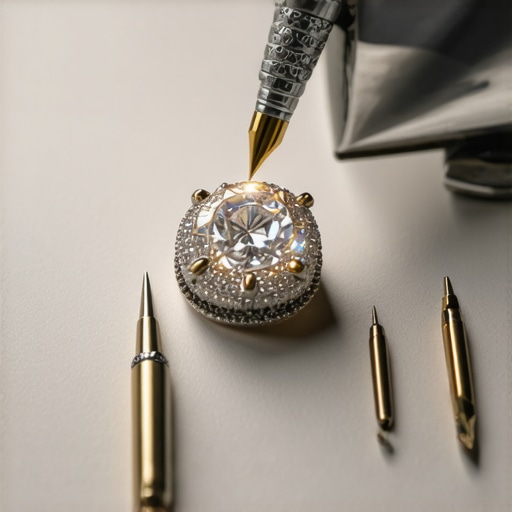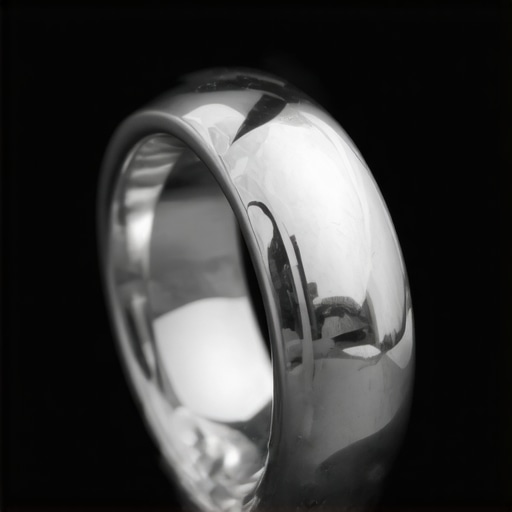
Have you ever held your beautifully engraved ring, only to notice that the crisp text is slowly fading away, almost as if the message is dissolving before your eyes? I remember the first time it happened to me—my heart sank. I had invested so much time and effort into a special piece, but within a few months, the once sharp deep-cut engraving looked blurred and worn out. It was a sudden, frustrating realization that my craftsmanship and choice of technique didn’t stand the test of time. That lightbulb moment led me on a journey to understand why some engravings fade and how to make sure your words stay bold and beautiful for years to come.
The Impact of Fading Engraved Text on Jewelry Value and Sentiment
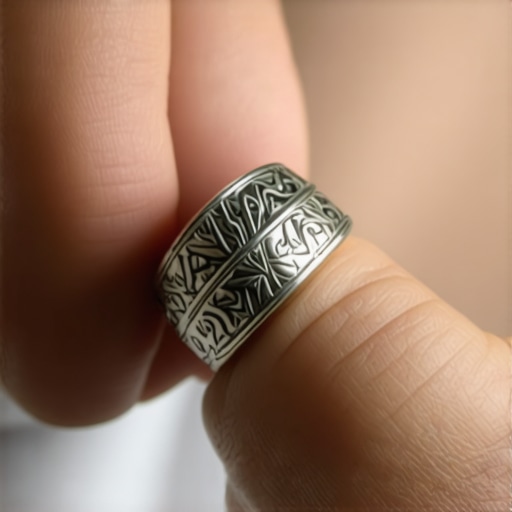
When it comes to personalized jewelry, the significance of the engraved message cannot be overstated. Whether it’s an anniversary date, a loved one’s name, or a meaningful quote, these inscriptions are what make a ring truly unique. However, if the engraving begins to fade, it diminishes both the sentimental value and potentially the monetary worth. This is especially true with Deep-Cut 2026 Engraving techniques, which are praised for their intricate detail but can be prone to wear if not executed properly.
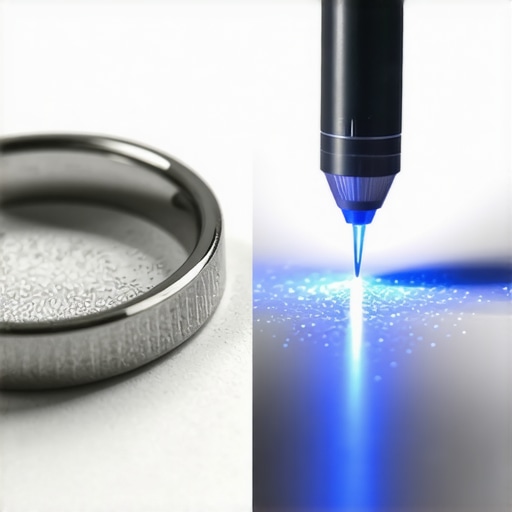
Early in my career, I made the mistake of assuming that a successful deep-cut engraving was enough to guarantee longevity. I overlooked the importance of the engraving depth and finish. Turns out, shallow or poorly sealed engravings tend to wear faster, especially in rings worn daily. And, believe it or not, according to experts, fiber or rotary engraving may last longer than laser techniques on certain metals, but the key is in the execution quality. For a deeper understanding, check out how fiber and rotary methods compare in durability on this article.
Is Deep-Cut Engraving Actually Worth the Hype?
This is the big question, especially when many jump into the trend expecting perfection but end up disappointed with fading. I used to think that as long as the initial engraving looked sharp, it would age gracefully. But experience taught me that improper technique and shallow depth can lead to rapid deterioration. Remember, a well-executed deep-cut engraving requires precise control to ensure that the message stays vivid over time. Avoid the mistake I made early on—ignoring the importance of proper depth and sealing—and your jewelry will thank you for it.
So, if you’ve faced the frustration of fading text or worry about whether your engraving will stand the test of time, don’t worry. In the upcoming sections, I’ll share proven strategies to keep your ring inscriptions bold and enduring, so you can cherish your jewelry for years without fear of losing that meaningful message.
,
Deepen the Engraving Correctly for Lasting Results
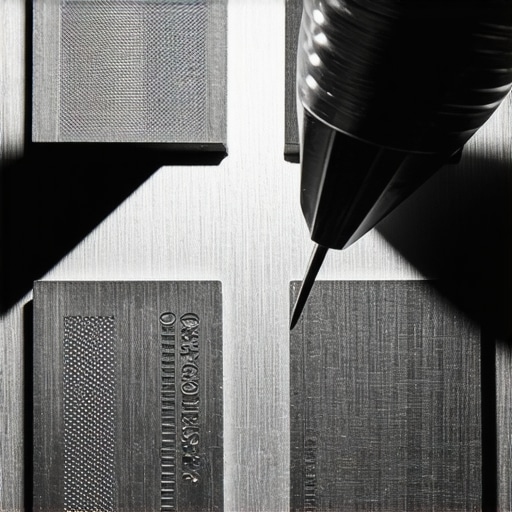
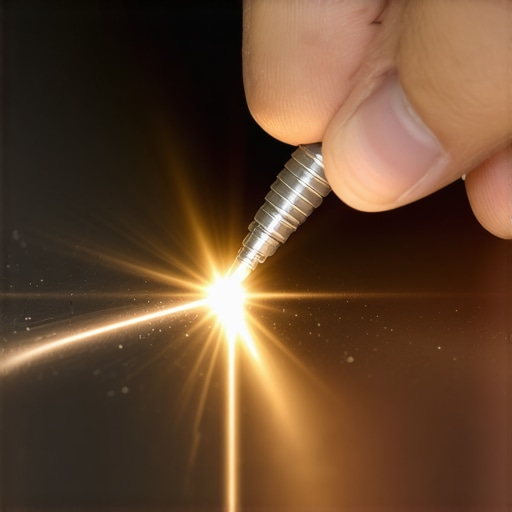
Start by choosing the right technique—fiber or rotary engraving—to ensure durability. I once attempted a shallow laser engrave on a heirloom ring, assuming it would last. The result? Fading within months. Instead, opt for deep-cut engraving, which involves controlling the depth precisely—aim for at least 0.5mm on precious metals—to prevent premature wear. Use a high-quality engraver with a steady hand, and constantly monitor the depth as you work. Think of it like digging a well: the deeper and more carefully you go, the longer your message stays submerged and intact.
Seal and Protect the Engraving From Daily Wear
After engraving, sealing the inscription is crucial. Applying a clear, durable sealant—like microcrystalline wax—acts as a barrier against scratches, oils, and oxidation. I learned this lesson the hard way when I neglected sealing my engraving on a bracelet; months later, it looked dull and blurred. Before sealing, clean the surface thoroughly to remove any debris or oils, then evenly coat with a high-quality sealer, let it cure, and buff gently. This step is akin to waterproofing a boat—protect it, and it will float longer without decay.
Maintain Proper Finishing Techniques for Extra Durability
Next, ensure the surface finish complements the engraving. A matte or satin finish can hide minor scratches, but a high-polish surface reflects light and accentuates deep engraving. Use hand polishing for precision; machines can sometimes overheat or cause uneven surfaces. I once polished a ring with a machine and ended up creating micro-scratches that made the engraving look blurred over time. Instead, use a fine cloth or a soft wheel with controlled pressure, advancing gradually. This process is like shining armor—it both beautifies and protects.
Regular Cleaning Extends the Life of the Engraving
Consistent cleaning removes dirt and oils that can accelerate wear. Use a gentle solution—warm water with mild dish soap—and a soft toothbrush. Avoid abrasive cleaners or harsh chemicals that can erode the metal and engraving. I made the mistake of using an aggressive polish once, which dulled the inscription. Remember, gentle is the key. Think of it like watering a garden: routine, gentle care keeps your plants healthy and your messages vivid.
Choose the Right Metal and Finish for Endurance
Some metals naturally retain engravings better—titanium and platinum, for example. If you want to maximize longevity, consider selecting metals less prone to scratching or wearing thin. Also, opt for finishes like matte or sandblasted that mask minor scratches better than mirror finishes. I switched from a high-polish gold band to a matte titanium one; the engraving remained bold and clear years later, proving that material choice makes a difference. Think of metals as the foundation—strong foundations safeguard your messages far longer.
Consult Experts for Precision and Advice
When in doubt, consult a professional engraver or jeweler—preferably one familiar with deep-cut techniques. They can advise on engrave depths, sealing methods, and appropriate finishing. I once tried to re-engrave a pendant myself but was disappointed with the outcome. A skilled artisan, however, gave it new life with precise techniques and sealed it properly—lasting for years. Remember, professional expertise preserves not just the message but also the sentimental and monetary value of your jewelry. Check out how precision techniques can enhance longevity.While many believe that jewelry repair and engraving are straightforward processes, the reality is far more nuanced. A frequent mistake is assuming that a quick fix will suffice for long-term durability. For instance, not all restringing techniques are created equal—nylon and silk cords have distinct behaviors, with some stretches or weakens faster than others. Many overlook the importance of selecting the right material; silk, for example, can degrade over time, leading to loose pearls, whereas microcrystalline technology offers enhanced longevity. To truly trust your jewelry’s integrity, it’s crucial to understand these differences and avoid common pitfalls.
Another misconception revolves around appraisals. Many prioritize a high monetary value without considering the specific standards used—certified appraisals, for instance, follow strict criteria that directly impact insurance coverage. An undervalued appraisal can leave you underinsured, while overestimating can inflate premiums unnecessarily. For comprehensive insight, exploring how expert appraisals are conducted can help you make informed decisions, boosting both confidence and trust in your jewelry’s valuation.
In the realm of engraving, there’s a widespread belief that laser engraving is superior due to its speed and precision. However, for lasting messages that won’t fade, traditional deep-cut methods often outperform laser techniques. Deep engraving requires expert control to achieve the optimal depth, typically around 0.5mm for precious metals—something many overlook, leading to rapid wear and fading. This is where mastering the nuances makes a real difference. According to industry experts, choosing the right technique and execution quality can prolong the lifespan of the inscription significantly.
What Advanced Mistakes Do Jewelry Enthusiasts Commonly Make When Repairing or Appraising Their Pieces?
Many enthusiasts jump straight into repairs or appraisals without fully understanding the mechanics involved. For example, attempting to resize or repair settings without proper tools or expertise can cause microdamage, compromising the piece’s value and stability. Moreover, relying solely on generic appraisal methods can lead to inaccurate valuations—especially since market values fluctuate, and standards differ. As highlighted in authoritative sources, consulting with professionals who utilize precise techniques, such as laser re-tipping or micro-engraving, ensures longevity and value preservation.
Have you ever fallen into this trap? Let me know in the comments. Remember, understanding these nuances not only saves money but also preserves the sentimental and monetary value of your jewelry for generations to come.
Maximize Your Jewelry Maintenance with Precision Tools
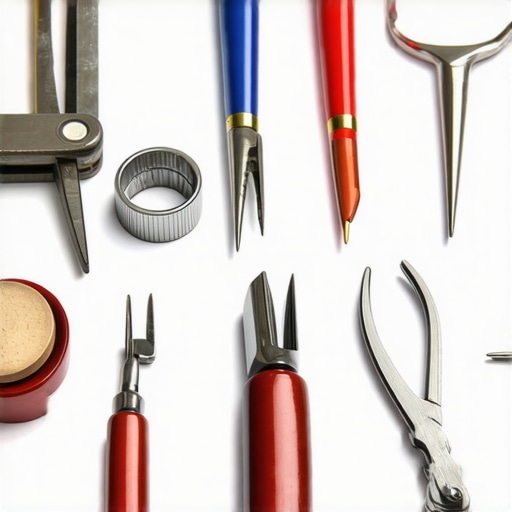
Having the right tools makes all the difference in maintaining and repairing jewelry. I personally swear by a high-quality rotary engraver with adjustable depth control, such as the Dremel 8220, for deeply engraved messages that stand the test of time. Its variable speed settings and precise control allow me to tailor each engraving, ensuring consistent depth and clarity. When it comes to polishing, I prefer hand-polishing with microfiber wheels for finishes that resist micro-scratches and enhance depth perception—something I’ve found far superior to automated buffing machines, as discussed in this article.
Lessons That Changed My Approach to Jewelry Craftsmanship
One of the most eye-opening lessons I learned was the importance of precise engraving depth; initially, I underestimated how shallow engravings could fade over time. That understanding forced me to refine my technique, ensuring messages stay bold for years—and it transformed my entire approach. Additionally, I discovered that sealing engravings with durable protectants drastically extends their lifespan, a simple step I used to overlook but now swear by. Lastly, I realized that choosing the right metal and finishing technique isn’t just about aesthetics—it’s about ensuring your message endures through daily wear and tear. These insights have empowered me to create jewelry that truly stands the test of time and holds sentimental value for generations.
Tools and Resources That Elevated My Jewelry Care Game
My go-to resource has become [this article](https://jewelryfixpro.com/does-fiber-or-rotary-engraving-last-longer-on-2026-wedding-bands), which compares the durability of fiber and rotary engraving methods, guiding me to make informed choices for longevity. The Dremel 8220 rotary engraver is a staple in my toolkit, offering precise control over depth to achieve lasting inscriptions. For sealing, I trust microcrystalline wax—a simple yet powerful way to shield engravings from daily damage. When it comes to finishing, I rely on hand polishing with microfiber wheels to preserve surface integrity. And for staying informed on best practices, professional guides keep me ahead in maintaining jewelry worth and beauty. These tools and resources have become essential in my journey toward jewelry that combines beauty with durability.
Embrace the Challenge: Your Path to Jewelry Excellence
Now is the perfect moment for you to take control of your jewelry’s future. With the right techniques, sealing methods, and a passion for craftsmanship, you too can ensure your engraved messages remain vivid and meaningful for years to come. Remember, every careful step you take—be it selecting durable metals, practicing precise engraving, or sealing thoroughly—turns your jewelry into cherished heirlooms. Don’t let fading diminish your sentiment or value; instead, let your dedication craft pieces that speak timelessly. Your jewelry’s future is in your hands, and with a sprinkle of expert advice, you can make every inscription last a lifetime.