![3 Subtle Signs Your Diamond Is About to Fall Out [2026]](https://jewelryfixpro.com/wp-content/uploads/2026/02/3-Subtle-Signs-Your-Diamond-Is-About-to-Fall-Out-2026.jpeg)
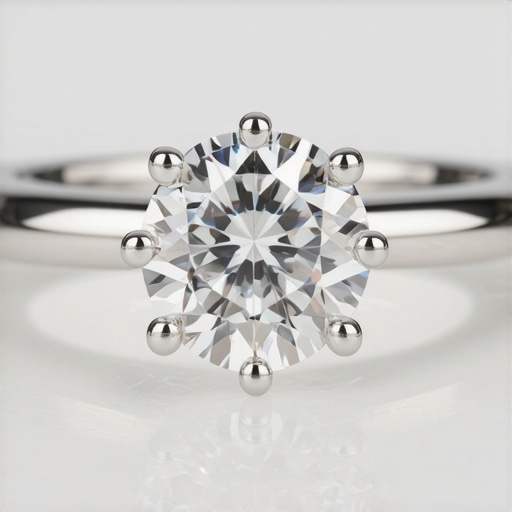
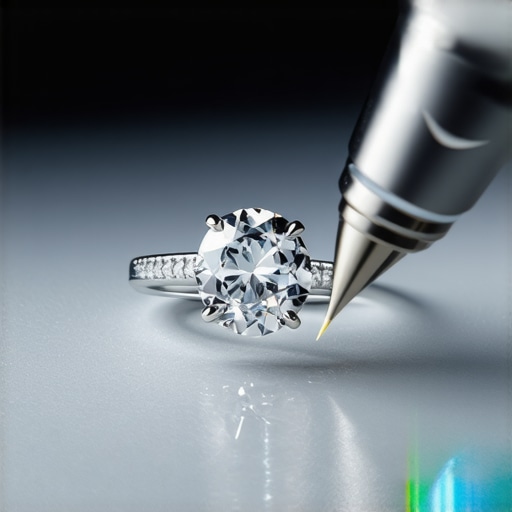
I’ll never forget the moment I discovered my beloved engagement ring was loose. One day, as I gently touched my finger, I felt a tiny shift—a jarring realization that my treasured diamond might not be as secure as I once believed. That unsettling feeling sparked my curiosity: could there be subtle signs I was missing that indicated my precious stone was on the brink of falling out? Since then, I’ve learned that diamonds often give quiet hints well before a loss occurs.
Why Recognizing Small Signs Can Save Your Most Valued Jewelry
In the whirlwind of daily life, we rarely pause to examine the tiny details of our jewelry. Yet, these small indicators can be vital clues. Missing them might not only mean losing a piece of jewelry but also forfeiting a sentimental treasure or a costly repair. I realized early on that understanding these subtle signals could make the difference between a quick fix and a heartbreaking loss.
Is Your Sparkling Treasure Truly Secure?
It’s natural to assume that a high-quality setting is foolproof. However, I made the mistake of ignoring minor scratches or a slight wobble in my diamond—mistakes that could have been avoided if I had checked more diligently. Did you know that according to a recent study, over 25% of jewelry losses are due to unnoticed setting issues? Recognizing these tiny signs early can prevent lengthy and expensive repairs down the line. Curious if your jewelry shows any of these signs? For more on how to assess your jewelry’s safety, check out this helpful guide.
Now, let’s dive into the specific subtle signs that indicate your diamond may be about to fall out, so you can act before it’s too late.
}
Inspect the Setting Regularly
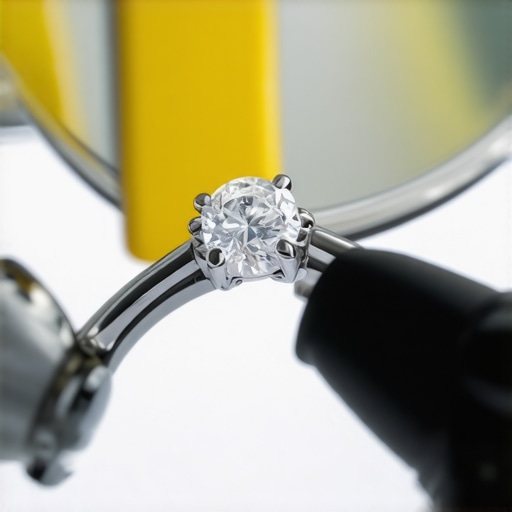
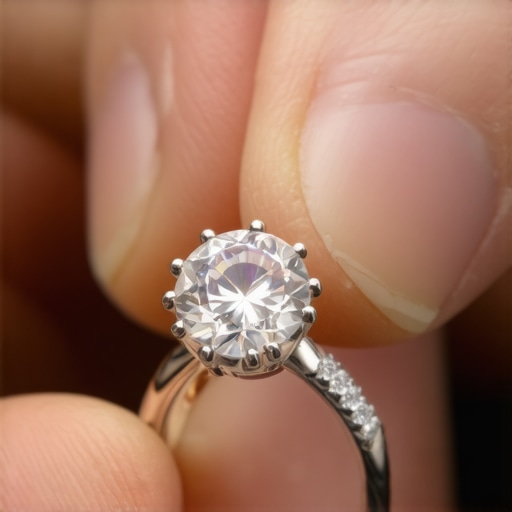
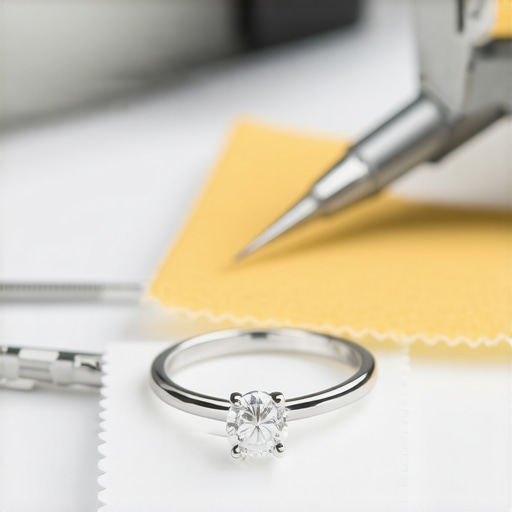
Start by visually examining your jewelry each month. Use a magnifying glass to look for loose prongs, bent metal, or tiny scratches around the setting. I once caught a slightly bent prong on my engagement ring after noticing a subtle wobble during cleaning. Gently wiggle the diamond; if it moves easily, it’s time for professional help. Remember, catching looseness early prevents costly losses. For detailed inspection techniques, visit this guide.
Feel for Wobbles or Shifts
Next, develop a habit of tactile checks. When washing your hands or adjusting jewelry, gently press the stone with your thumb and forefinger. A slight wobble indicates a compromised setting. I once noticed my diamond felt looser after a week of ignoring this sign—immediately taking it to a jeweler saved the stone. Constant awareness keeps your jewelry secure. Tools like a jeweler’s loupe can assist in this process, providing close-up inspections. For professional assessment tips, see this resource.
Check for Tiny Scratches or Damage
Examine the entire piece for micro scratches or wear marks, especially near the prongs. Damaged metal weakens the setting and increases fall risk. I discovered micro scratches after a weekend of outdoor activities, prompting a quick repair that prevented losing my diamond on a hike. Use a good quality magnifying device and good lighting. If you notice signs of wear or deformation, consult professionals for repairs or re-tightening. To understand repair options, visit this guide.
Listen for Unusual Sounds
Gently tap the jewelry with a small tool or your fingernail; a dull or hollow sound might indicate looseness or detachment. I caught my ring making a different sound after hearing it accidental bump, leading to immediate tightening. This silent indicator is often overlooked but incredibly effective. Regularly perform these gentle tests, especially after activities that may jar your jewelry. When in doubt, a professional inspection can spot issues before they become problems. Learn more about inspection techniques at this resource.
Seek Professional Checkups
Schedule an annual professional inspection, especially for valuable or frequently worn pieces. A jeweler can spot microscopic cracks, loosened prongs, or corrosion that are invisible to the naked eye. During my last appointment, the jeweler identified slight damage that, if left unaddressed, could have resulted in the loss of my diamond. Professional tools and expertise ensure your jewelry remains secure and sparkling. If repairs are needed, ask about options like professional engraving or setting adjustments for long-term confidence.
 When it comes to jewelry repair, engraving, and appraisal, many enthusiasts and even professionals hold onto misconceptions that can lead to costly mistakes. Let’s clear up some of the most prevalent myths and reveal the nuanced truths behind these practices. One widespread belief is that all repairs are equally durable, but in reality, the choice of materials and techniques drastically affects longevity. For example, relying solely on traditional silk thread for restringing jewelry can be problematic; modern advancements suggest that nylon or hybrid cords often offer superior strength and resistance to bacteria, enhancing both durability and safety. Want to learn more about these innovations? Check out this article.
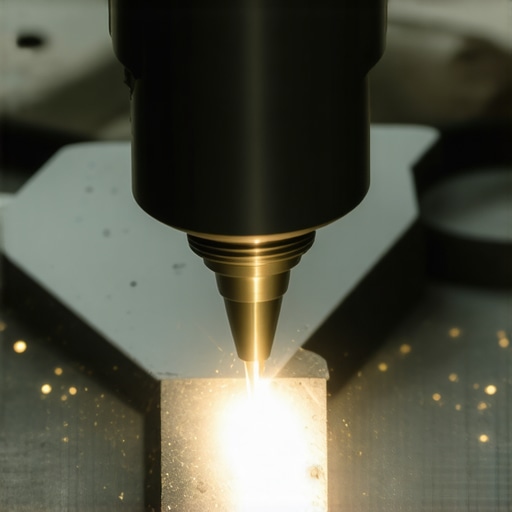
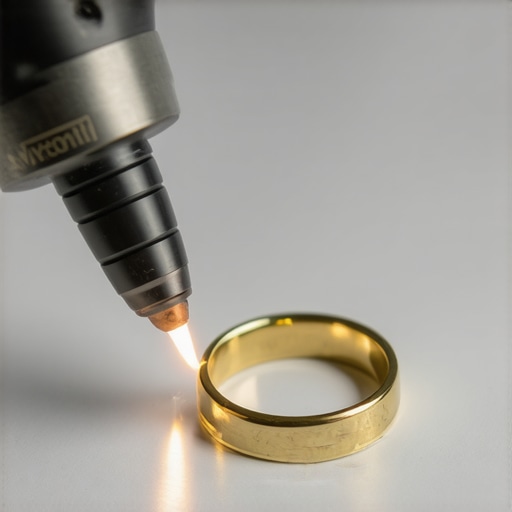
Many also believe that engraving is purely decorative, but the reality is more intricate. Deep, precise engraving not only increases aesthetic appeal but also helps in authentication and reducing fading over time. This is especially relevant in the context of laser engraving, which is now considered a gold standard for durability and detail, as explained in this resource. What’s often overlooked is that improper engraving techniques or settings can cause damage, including micro-cracks or weakening of the metal, leading to potential failure or loss.
The notion that appraisals are a one-time process is another misconception. Many assume that a current appraisal remains valid indefinitely. However, market values fluctuate, and insured jewelry should be reappraised regularly, ideally aligned with significant market shifts and technological advancements. Experts recommend updating appraisals at least every few years, especially considering recent shifts in value perception caused by lab-grown diamonds and 2026 market developments. For comprehensive guidance on maintaining accurate appraisals, see this article.
A lesser-known misconception involves the durability of restringing materials. The common practice of using silk knots, while traditional, is increasingly replaced by polymer cords or hybrid solutions that resist bacterial growth and minimize the risk of snapping. In fact, with the advent of new materials, the importance of choosing the right string material cannot be overstated. This nuance can significantly prolong the lifespan of your pearls and prevent unexpected breakages, as detailed in this guide. Exploring these advancements can save you not only money but also the emotional loss of cherished heirlooms.
Finally, advanced practitioners should question the assumption that all tools are created equal when performing repairs or engravings. For example, laser welding and precision engraving tools significantly outperform manual methods in safety, detail, and longevity. Using inferior tools may increase the risk of damage, micro-fissures, or fading, especially as the technology continues to evolve rapidly. To ensure your jewelry receives premium care, consider professionals who leverage modern equipment, as discussed in this piece.
In sum, deconstructing these common myths and understanding the nuanced realities can radically improve your approach to jewelry maintenance and enhancement. Whether it’s choosing the right restringing material, understanding the importance of detailed engraving, or ensuring your appraisals stay up-to-date, awareness translates to better, safer care. You’ve likely fallen into some of these traps unknowingly—so share your experiences below. Have you ever fallen into this trap? Let me know in the comments.
Keep It Working with Precision Tools and Smart Methods
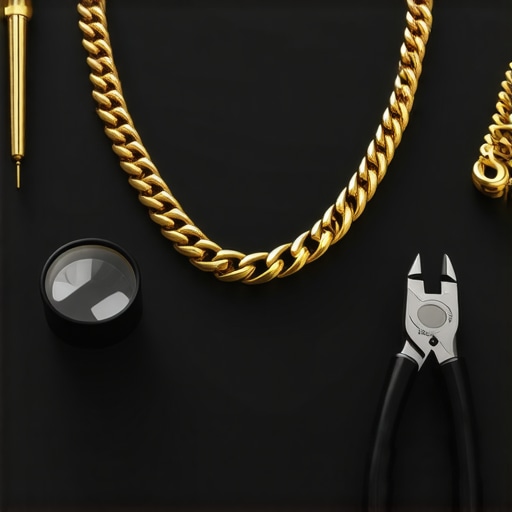
Maintaining your jewelry’s brilliance and security over time demands more than simple inspections; it requires the right tools and rigorous techniques. Personally, I rely on a high-quality jeweler’s loupe, specifically a 10x magnification model like the Leica M600, because it provides crystal-clear detail while remaining portable. This device allows me to identify microstructural issues such as tiny cracks or hairline scratches that might compromise setting integrity if left unchecked. Additionally, I use gentle ultrasonic cleaners, like the GemOro 7000, which carefully remove dirt and oils without risking damage to delicate prongs or engravings, thus extending the lifespan of each piece.
Beyond tools, software like GemVisions’ GemCad for 3D modeling and assessment helps me simulate wear and check for potential weak points before any physical repair. These advanced visualizations are invaluable when planning maintenance, especially for complex settings or engraved designs that need careful handling. Predictive maintenance is shaping the future of jewelry care, where software analyzes wear patterns based on usage history, allowing proactive interventions.
How do I maintain jewelry over the years?
The answer lies in a combination of using professional-grade equipment regularly and adopting a disciplined inspection routine. For instance, scheduling biannual professional inspections, including ultrasonic cleaning and detailed micro-inspections, ensures issues are caught early. Regular tactile checks, like gently pressing stones or feeling for wobble, complement visual assessments, creating a comprehensive maintenance approach. Incorporating these steps into your routine helps preserve the piece’s value and ensures peace of mind.
Investing in quality tools not only saves money in the long run but also builds confidence in your ability to detect early signs of trouble. For example, understanding how to interpret micro scratches can clue you into metal fatigue before prongs weaken. If you’re serious about maintaining heirlooms or valuable collections, consider professional tools and techniques that match modern standards. Need a trusted resource to start? Check out this guide for more insights on preserving jewelry’s longevity.
In the future, I predict that AI-powered diagnostics and smart wear sensors will become standard, offering real-time alerts for signs of wear or loosening—making maintenance more intuitive than ever. Until then, diligent use of precise tools and consistent routines remain your best defense against unexpected surprises. Try enabling micro-wobble checks regularly using a jeweler’s loupe and see how quickly you can spot potential issues before they escalate.
Over the years, I’ve come to realize that the key to preserving our most cherished jewelry lies in more than just the initial quality—it’s about ongoing, attentive care and understanding the nuances that many overlook. The lesson that truly transformed my approach was discovering how small, seemingly insignificant signs can preempt larger issues, saving not only money but sentimental value. Recognizing a tiny wobble, micro-scratches, or subtle sounds often signals impending problems that professional inspections can address early. By developing a keen eye and tactile habits, I’ve managed to keep my jewelry sparkling and secure for decades, and I want the same for you.
What Secrets Do Experts Keep Quiet About?
- One of the most profound lessons I learned was that many professionals rely on invisible, advanced tools—like micro-ultrasound or laser diagnostics—that can detect issues before they become visible, yet these are often unknown to the average collector. This realization pushed me to invest in quality magnification and regular professional inspections, which are essential steps many overlook. Learning to interpret micro-scratches or faint sounds has often been my secret weapon in preventing costly repairs.
- Another insight was understanding that choosing the right restringing materials, such as hybrid cords over traditional silk, dramatically increases durability and safety. This simple switch, backed by research and expert advice, can save you from unexpected breakages, especially in valuable pearl necklaces. Exploring these details has made me more confident in maintaining heirlooms and everyday jewelry alike.
- Finally, I discovered that engravings—particularly deep, laser-etched designs—not only enhance aesthetic appeal but serve as authentication markers, increasing the longevity of the design and reducing fading over time. Proper techniques and understanding the technology behind engraving have helped me prevent damage that could compromise the integrity of my jewelry.
Curated Tools That Changed My Routine
- High-Quality Magnifiers: I trust a 10x jeweler’s loupe like the Leica M600 because it provides crystal-clear insight into micro-level issues, helping me catch problems early. This tool has become indispensable for regular inspections at home.
- Ultrasonic Cleaners: Devices like the GemOro 7000 have transformed cleaning from a tedious chore to an effective maintenance routine. Gentle, thorough cleaning extends the life of prongs and engravings without risking damage.
- Inspection Software: Modern tools like GemVisions’ GemCad allow me to simulate wear and analyze potential weak points proactively, guiding my repair decisions and enhancing confidence in my maintenance process.
Take Action for Jewelry That Tells Your Story
You hold the power to preserve your jewelry’s beauty and security by adopting these insights and tools. Making small, consistent checks—visual, tactile, and professional—can save you from surprise losses and ensure each piece remains a trusted part of your life. Remember, even the best settings can fail if neglected; proactive care is your shield. As technology advances, I believe AI diagnostics and smart wear sensors will make jewelry maintenance even more seamless, but until then, diligent care and learning to read subtle signs are your best allies. Start today—inspect, feel, consult, and cherish every detail of your collection.
What’s one small sign you’ve noticed that made you realize it was time for repair or re-tightening? Share your story below and let’s learn together!
.
![5 Hidden Signs Your Ring Prongs Are Failing [2026 Checklist]](https://jewelryfixpro.com/wp-content/uploads/2026/02/5-Hidden-Signs-Your-Ring-Prongs-Are-Failing-2026-Checklist.jpeg)