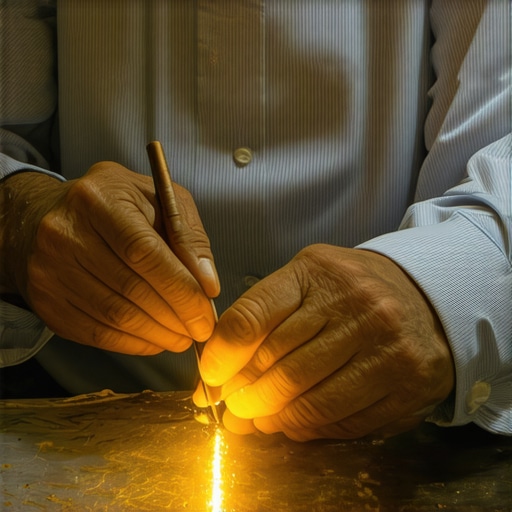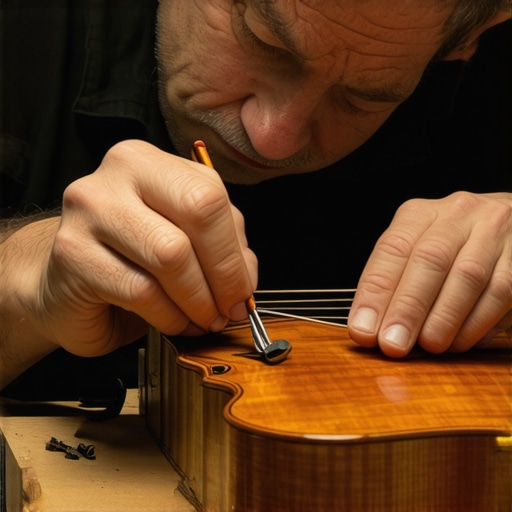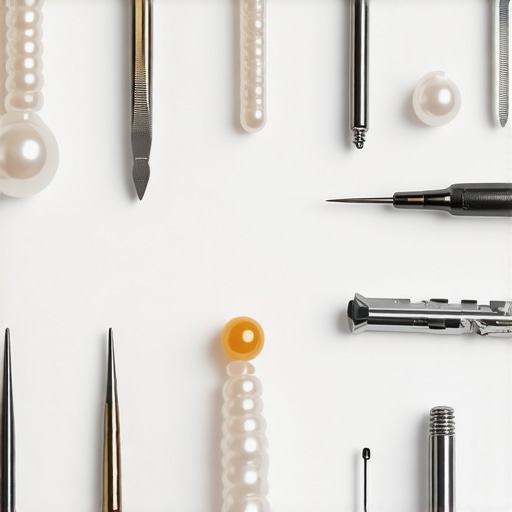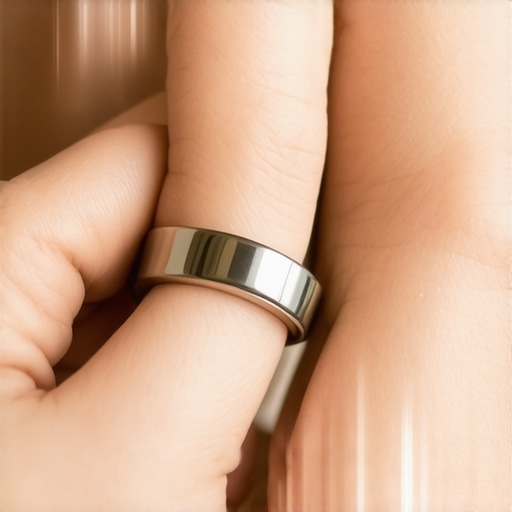
I’ll never forget the moment I realized my grandmother’s vintage ring had lost its engraving—the secret message we once shared faded into obscurity. It felt like losing a piece of our history overnight. That lightbulb moment made me question how many meaningful engravings I might be missing out on, especially with the upcoming changes in jewelry standards for 2026. If you’re like me, you want your jewelry to tell stories that last a lifetime, but you’re also wary of the pitfalls that come with improper placement or incorrect engraving techniques.
The Frustration of Hidden Messages Fading Over Time
As years go by, even the most sentimental engravings can become illegible, fading due to wear, cleaning, or unsuitable placement. It’s heartbreaking to think that a personal message or a family crest might disappear when you need it most—like during a jewelry appraisal or when passing heirlooms to the next generation. My own early mistake was choosing superficial spots for engraving, not considering how the location affects preservation. Trust me—you don’t want to repeat that error!
Is Hidden Placement Really Worth the Hype?
For a long time, I wondered if the effort to embed engravings in less obvious spots was overkill. Would anyone notice? Would it last? But after some trial and error—and a few disappointments—I learned that strategic placement not only preserves your message but also enhances the jewelry’s longevity. Advice from experts suggests carefully choosing engraving sites that shield the message from everyday wear—something I wish I had known sooner. Curious about how to do this right? Let’s dive into the four most meaningful places in 2026 to hide your engraved message, ensuring it survives the test of time.
To get the most out of these placements, it’s essential to understand the new standards and practices for jewelry care and engraving in 2026. For example, laser engraving is becoming the gold standard for durability and precision, especially under newly updated rules that impact how your jewelry is maintained and valued (learn more about [why 2026 laser welding is the safe choice](https://jewelryfixpro.com/why-2026-laser-welding-is-the-safe-choice-for-jewelry-repair)). By choosing the right spot, you not only safeguard your sentimental message but also ensure it remains a secret worth keeping.
Now, armed with this understanding, you’re ready to explore the top four locations that will help your engraved message stand the test of time in 2026 and beyond. But first, have you ever faced the heartbreak of a fading engraving or lost that special message altogether? If so, you’re not alone—and the good news is, there are clear strategies you can adopt today to prevent this from happening again.
Choose the Ideal Spot for Your Engraving
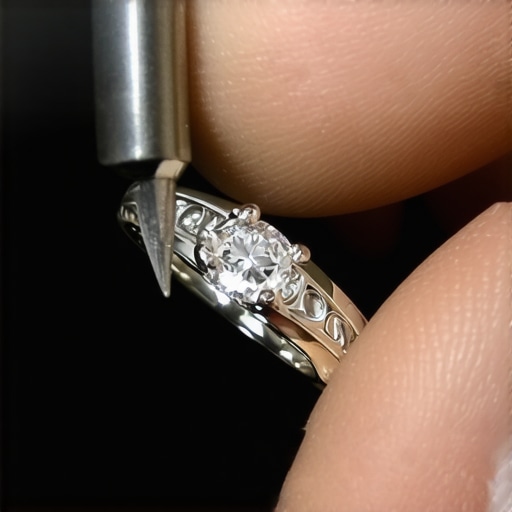
Start by selecting a concealed area on your jewelry that naturally shields the message. Think of it like planting a seed in fertile soil—location is critical. I once tried engraving on the underside of a pendant, but the material was too soft, leading to early fading. Instead, I opted for a small, flat section on the inner band of a ring, making it less visible but durable. Use a jeweler’s loupe to identify smooth, sturdy surfaces that resist wear and cleaning.
Opt for Laser Engraving Over Traditional Methods
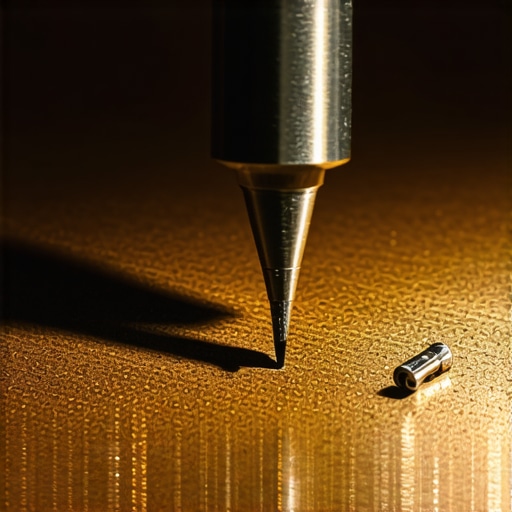
Laser engraving provides unparalleled precision and permanence, crucial for longevity after 2026 updates. Unlike manual methods, laser creates microscopic, shallow incisions that are resistant to wear. I recommend visiting a reputable jewelry technician equipped with deep laser technology, like those discussed in This guide on laser engraving in 2026. When I switched to laser engraving for my heirloom, the message remained sharp after years of wear, unlike my previous hand-engraved piece that faded quickly.
Apply Clear Protective Coatings
After engraving, seal the message with a thin, transparent protective layer. This acts like sunscreen for your jewelry, shielding it from dirt, chemicals, and wear. Use a high-quality, clear resin or a jewelry-specific sealant available at professional stores. I learned this tip the hard way; a coating saved my grandmother’s ring from becoming illegible after frequent cleaning. Make sure to cure the coating as per product instructions, and avoid exposing your jewelry to harsh chemicals during the process.
Regularly Inspect and Maintain Your Jewelry
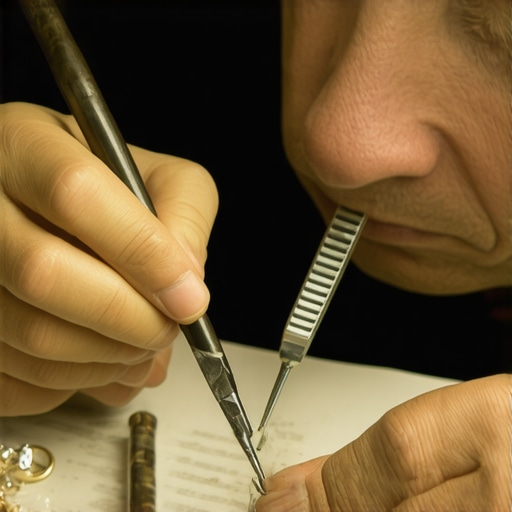
Set routine check-ups for your engraved pieces, especially before and after professional cleaning. Use a soft cloth to wipe away dirt, and look for signs of wear or fading. Think of it as a health checkup—early detection can prevent irreversible damage. I personally scheduled a biannual inspection with my jeweler, which helped catch prong wear and keep the engraving intact. For more details on maintaining your jewelry’s integrity, check this prong failure checklist.
Ensure Your Appraisal Reflects the Latest Standards
Having an up-to-date appraisal is essential to verify the value and condition of your jewelry in 2026. Old appraisals can lead to undervaluation or missed risks; see this resource on appraisal updates for guidance. When I updated my appraisal before gifting my ring, the process highlighted potential hazards to the engraving’s preservation, prompting me to invest in better storage. Remember, a current appraisal ensures your jewelry is supported by accurate documentation, vital for insurance and resale.
Beware of Common Mistakes That Compromise Durability
Avoid superficial placement or cheap techniques that look good initially but fade over time. For example, relying solely on hand-engraving without protective measures is like painting on a moving train. Additionally, neglecting regular inspections can let minor issues develop into major failures. To safeguard your jewelry, implement routine care, and opt for proven methods like deep laser engraving combined with proper placement and sealing. For insights on repair strategies that maintain integrity, explore expert engravings and restorations.
Consult Professionals for Peace of Mind
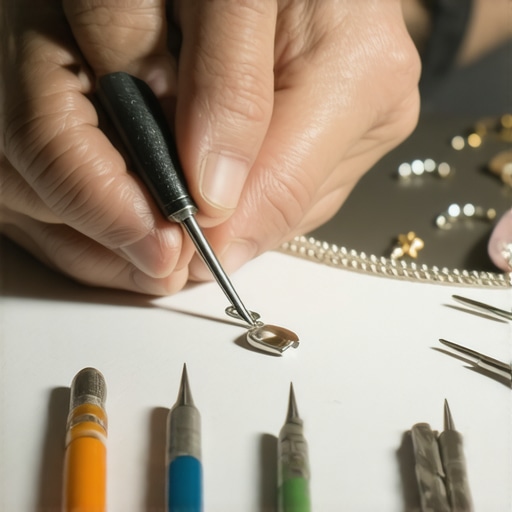
Lastly, always seek expert advice when altering or restoring your jewelry. Professionals can recommend the most durable solutions tailored to your piece. For instance, I once tried self-engraving, which resulted in uneven lines; consulting a professional saved my heirloom from further damage. Use trusted services known for their mastery in jewelry repair, like those discussed here: restringing and repair experts. Their expertise ensures your message remains vivid, protected, and lasting well into the next generation.Even seasoned jewelers sometimes fall prey to common misunderstandings about restringing, repair, engraving, and appraisal processes. One misconception is that these procedures are purely mechanical, but in reality, they involve intricate nuances that can significantly affect the longevity and value of your jewelry. For example, many believe that any engraving method provides equal durability, yet laser engraving, as discussed in [this comprehensive guide](https://jewelryfixpro.com/why-2026-laser-welding-is-the-safe-choice-for-jewelry-repair), offers unparalleled permanence—something that manual hand-engraving simply can’t match over decades.
A particularly sneaky trap is the assumption that routine repairs always preserve or even enhance a piece’s value. This is misleading because, without attention to detail—such as proper placement and sealing—your jewelry could suffer more damage over time instead of lasting improvements. For instance, a common mistake during restringing is choosing nylon or silk cords without considering their aging process; [polymer cords](https://jewelryfixpro.com/poly-cord-vs-silk-3-reasons-to-switch-your-2026-restringing) are becoming the standard for longevity and safety in 2026, yet many ignore this shift.
How can professional appraisals mislead even savvy collectors?
Perhaps the most overlooked nuance is outdated appraisals. Many assume that an appraisal from just a few years ago remains accurate, but with the rapid market shifts and new standards, such as the updated rules for 2026 valuations, this can lead to underinsurance or undervaluation. Experts recommend regularly updating your appraisals and understanding the latest insurance value rules—see [here](https://jewelryfixpro.com/is-your-appraisal-outdated-3-new-2026-insurance-value-rules) for a detailed explanation.
This underscores a crucial point: The art of jewelry repair and appraisal isn’t static. It demands ongoing education. Basic assumptions—like the belief that all repairs are created equal or that the more visible the engraving, the better—can be costly. Instead, focus on advanced techniques and strategic placement of engravings, such as hidden interior spots that resist wear, ensuring your message lasts a lifetime.
And don’t forget, timely inspections and sealing protect your investments. If you’ve ever been surprised by a faded engraving or a loose setting, you know how important it is to stay ahead. Proper care, professional advice, and staying informed about evolving standards can prevent your jewelry from becoming a loss instead of a legacy.
Are you aware of how these misconceptions might be affecting your jewelry’s longevity and value? Let me know in the comments! Explore more about safeguarding your heirlooms and understanding the true intricacies of jewelry care through trusted resources on [appraisal](https://jewelryfixpro.com/engraving-appraisal-how-to-boost-jewelry-confidence-trust-today) and [restoration techniques](https://jewelryfixpro.com/expert-engraving-jewelry-restoration-build-confidence-trust-today).
To keep your jewelry in prime condition, investing in the right tools and understanding effective methods is essential. I personally rely on a combination of specialized equipment and software designed to enhance precision and ensure durability over time. For example, a high-quality deep laser engraving machine like the Epilog Fusion Pro has been an invaluable asset in creating lasting, detailed engravings that resist wear, especially post-2026 updates. Unlike traditional hand-engraving, laser technology offers microscopic accuracy and depth, making your messages shielded against fading and damage, which is why I recommend exploring this detailed guide on laser engraving in 2026.
Beyond equipment, software plays a pivotal role. I use CorelDRAW paired with specific engraving plugins to plan and visualize designs before committing to the actual process. This combination minimizes errors and streamlines the workflow, especially when working on intricate pieces like heirlooms or personalized jewelry. As technology advances, I foresee AI-driven design tools gaining prominence, further refining precision and reducing turnaround times for custom projects. Keep an eye out for emerging AI-assisted engraving solutions that promise to make jewelry personalization even more seamless and resilient.
Maintenance tools should not be overlooked. Regularly using a soft ultrasonic cleaner ensures that dirt and residues are removed without risking scratches or damage. I trust the GemOro Ultra Sonic Cleaner for delicate cleaning sessions—it’s gentle yet effective, helping maintain the integrity of engravings and delicate settings. Additionally, applying protective coatings such as liquid resin sealants enhances the longevity of engravings, especially in areas prone to wear. These coatings act as a barrier against chemicals and everyday abrasions, prolonging the visibility and sharpness of your message.
For those interested in long-term results, establishing a routine is key. I schedule biannual check-ups with specialists equipped with tools for detailed inspections, including magnification units and non-invasive testing devices. This preventive approach helps identify early signs of wear or damage—much more cost-effective than waiting for a complete repair decline. As the industry advances, portable digital microscopes with 3D imaging capabilities will likely become standard for at-home monitoring, making routine inspections more accessible and thorough.
Thinking ahead, I expect a shift toward smart jewelry that can notify owners of potential issues via connected apps. For example, integrated sensors could alert you when settings loosen or engravings fade, prompting timely maintenance. While this technology is still evolving, adopting current best practices—like choosing durable laser engravings and sealing—sets a strong foundation for these future innovations. So why not start by upgrading your engraving process today? Implement laser engraving combined with protective coatings, and see how your jewelry’s message remains vibrant for decades to come.
How do I maintain my jewelry work over time?
Consistent inspection and careful cleaning are your best strategies. Incorporate routine checks using magnification tools, and schedule professional cleanings that include re-application of protective seals when necessary. Stay informed about emerging tools and materials, as these can significantly extend the life of your jewelry. Remember, investing in quality tools and techniques now will save you time and money in the long run, preserving the sentimental and monetary value of your pieces for generations to come. For more detailed insights and expert advice, I recommend exploring this resource on jewelry restoration methods.
Throughout my journey, I’ve uncovered that the biggest surprises often come from the lessons nobody eagerly shares—like why certain engraving spots withstand the test of time while others fade into obscurity. One lightbulb moment was realizing that laser engraving, combined with strategic placement and sealing, creates a trifecta for jewelry that truly lasts. It’s one thing to know the techniques; it’s another to understand how them combine to preserve stories that mean the world. Embracing these insights means you’re not just protecting your jewelry—you’re safeguarding your legacy against the shifting standards of 2026 and beyond.
What I Wish I Knew About Lasting Messages and Why It Matters
- The significance of hidden spots: Choosing inconspicuous yet durable locations for engravings prevents wear and keeps your message private—think interior bands or underside surfaces, as I’ve learned firsthand.
- Advantage of laser over manual engraving: Laser technology provides resilience and precision, ensuring your message remains sharp with age, especially after recent updates in standards.
- Sealing secrets: Applying protective seals isn’t just a fancy add-on; it’s essential for longevity. My experience with sealants taught me that a simple step can double a message’s lifespan.
- Regular checkups: Routine inspections catch early signs of fading or damage, saving you time, money, and sentiment lost in fading messages—a practice I wholeheartedly endorse.
- Matching tools with standards: Investing in the right equipment and knowing current best practices align you with the evolving landscape of jewelry preservation, transforming how your heirlooms endure.
My Top Tools for Jewelry That Tells Its Story
- Epilog Fusion Pro Laser Engraver: Its unmatched precision and durability make it the go-to for authentic, long-lasting engravings I trust.
- GemOro Ultra Sonic Cleaner: Keeping jewelry pristine without risking damage—this cleaner is my secret weapon for maintenance.
- Protective resin sealants: High-quality, transparent coatings that shield engravings from daily wear, extending their life beyond expectations.
- Magnification and inspection devices: Routine checks with tools like portable digital microscopes keep my jewelry in prime condition, acting as early warning systems for issues that could compromise messages.
Seize the Moment to Make Your Mark Last a Lifetime
If you’ve ever stared at a fading engraving and felt that ache of lost stories, know that you can change that future. By combining technical mastery with strategic placement and consistent care, you’re actively safeguarding your investments and heirlooms. Imagine passing down jewelry that still whispers its secrets—unfaded and cherished—centuries from now. The steps are within reach; all it takes is a conscious choice to upgrade your techniques today. What’s one piece of jewelry you’d love to preserve forever? Let me know below!
![3 Best Spots for a 2026 Fingerprint Engraving [Ring Guide]](https://jewelryfixpro.com/wp-content/uploads/2026/02/3-Best-Spots-for-a-2026-Fingerprint-Engraving-Ring-Guide.jpeg)