
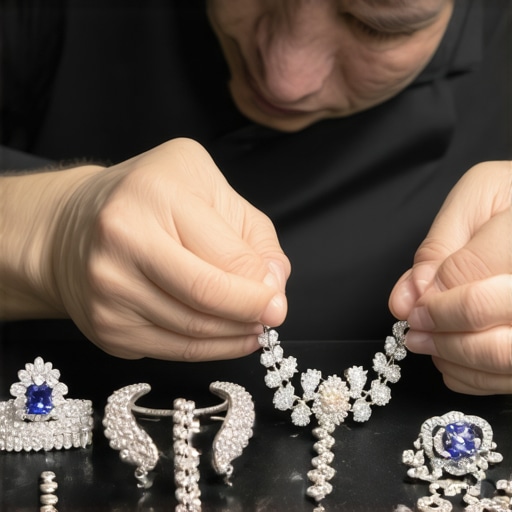
Ever had that sinking feeling when you pick up a beloved necklace, only to find the strand fraying or the clasp loose? I remember the moment vividly. I was about to wear a family heirloom, a stunning pearl necklace that had been in my family for generations. But as I gently examined it, I noticed the string was starting to unravel. Panic set in. What if I lost it forever? That lightbulb moment hit me hard—my jewelry’s value and sentimental worth depend heavily on proper care and expert handling.
Why Your Jewelry Deserves More Than Just Basic Care
Today, I want to share how mastering some simple yet powerful techniques in re-stringing and appraisal can dramatically boost your confidence. Whether it’s a delicate necklace or a treasured bracelet, knowing how to maintain and evaluate your pieces properly can turn uncertainty into pride. Trust me, with a few insider tips, you can keep your jewelry looking stunning and preserve its value for years to come.
Is Re-stringing Really Worth the Effort?
Early on, I made the mistake of ignoring the signs of wear—thinking a quick knot or a replacement clasp was enough. But I learned the hard way that a poorly done re-stringing can cause more harm than good. When I finally opted for professional help, I discovered that a well-executed re-stringing isn’t just about aesthetics; it’s about protecting your investment. If you’re hesitant about tackling this yourself, explore how custom engraving and re-stringing can transform your jewelry into a durable masterpiece. Trust me, it’s worth it.
So, if you’ve ever faced the dilemma of worn-out strings or uncertain appraisals, you’re not alone. Many jewelry owners feel overwhelmed at first, but with the right guidance, you can confidently care for your pieces and even enhance their value. Ready to learn the secrets that professionals use? Let’s dive into some practical tips that will make 2025 the year your jewelry truly shines.
Secure Your Jewelry Step by Step
Start by inspecting the entire piece closely, looking for signs of wear like fraying strings, loosened clasps, or uneven beads. I remember once rushing to re-string a delicate pearl necklace I inherited. I carefully removed the old string, laid out each pearl, and took note of the spacing. This initial assessment is crucial for planning your approach, ensuring you don’t miss any weak spots that could cause future damage.
Choose the Right Materials and Tools
Use high-quality silk or nylon thread designed for jewelry to ensure durability. I once tried a cheap thread, thinking it wouldn’t matter, only to find it snapped during wear. Invest in a fine needle, jeweler’s pliers, and a secure knotting technique. For instance, I learned that using a beading needle with a thin eye made threading much easier, especially with tiny beads. This step is like selecting the best ingredients for a recipe—quality makes all the difference.
Learn Professional Re-Stringing Techniques
Follow trusted tutorials or consider professional services for complex pieces. When I attempted my first re-stringing, I used online guides from expert resources. I looped the thread through the clasp, knotted securely, and then carefully threaded through each bead. The key is to keep tension even and knots tight. Remember, a well-executed re-stringing is like building a sturdy bridge—precision ensures longevity.
Refine Your Appraisal Skills for Better Confidence
Begin with understanding the essential factors that influence jewelry value—material quality, craftsmanship, age, and provenance. I once appraised a vintage ring with the help of a trustworthy guide from appraisal tips. Take detailed photos, document every detail, and compare with similar pieces online. This approach is akin to being a detective—attention to detail leads to accurate assessments.
Identify Genuine vs. Fake
Use a jeweler’s loupe to examine hallmarks and craftsmanship. I learned that some fake pieces have faint or missing stamps. Testing the material, like a magnet test for certain metals, can save you from overestimating. When in doubt, consult a professional appraiser, which is like having a trusted partner in your jewelry journey. Reliable appraisals boost confidence and help you make informed decisions.
Keep Learning and Practicing
Regularly review new trends, materials, and techniques through blogs and tutorials. I dedicate time monthly to study expert strategies. Practice on less valuable pieces first, refining your skills. Think of it as training—each attempt improves your skill and trust in your judgment, turning you into a confident jewelry expert for 2025 and beyond.
Many jewelry enthusiasts and owners operate under assumptions that can hinder proper care and accurate valuation. Let’s dig deeper into some of the most prevalent misconceptions that might be holding you back from maximizing your jewelry’s longevity and value.
Why Do People Overlook the Nuances of Re-Stringing?
It’s a common belief that simply replacing a worn string or clasp suffices to restore a piece’s integrity. However, in my experience, the devil is in the details. Professional re-stringing isn’t just about threading beads back onto a string; it involves selecting the right materials, such as high-quality silk or nylon, and using expert knotting techniques to prevent future wear. Poor execution can lead to uneven tension or weak knots, which may cause damage down the line. Exploring professional re-stringing strategies ensures your jewelry remains both beautiful and durable, protecting your investment.
Common Myth: Appraisals Are Just for Insurance
Many assume that jewelry appraisals are only necessary for insurance purposes. Yet, an accurate appraisal can serve as a crucial tool for understanding your piece’s true value, especially when considering resale or inheritance matters. Overlooking this can lead to underestimating your jewelry’s worth. The key is to know what factors influence value—material quality, craftsmanship, provenance—and to regularly update your appraisal, particularly if your jewelry includes vintage or designer elements. To refine your skills, check out appraisal tips that help you assess your pieces more confidently.
How Many Fail to Recognize Fake Jewelry?
It’s surprising how many people fail to spot counterfeit jewelry. Using a loupe to examine hallmarks, testing metal reactions, and scrutinizing craftsmanship are essential steps often skipped. For instance, a faint hallmark or inconsistent detailing can be signs of fakes. Relying solely on visual inspection without proper testing increases the risk of overestimating your jewelry’s authenticity and value. If you want to be truly confident, consider professional evaluations, which can be a game-changer—similar to having a trusted partner in your jewelry journey. Learn more about trustworthy appraisal techniques.
Are You Missing Advanced Techniques in Care?
Many assume that basic cleaning methods are sufficient for maintaining jewelry. However, advanced techniques like ultrasonic cleaning or specialized polishing can make a significant difference, especially for delicate or heavily worn pieces. These methods, often performed by professionals, can restore luster and prevent long-term damage. But beware—improper use can harm some materials, such as porous stones. Always seek expert advice before attempting advanced cleaning, and consider professional services for optimal results. Proper care extends your jewelry’s life and enhances its value.
Have you ever fallen into this trap? Let me know in the comments. Mastering these nuances can transform how you care for and value your jewelry, ensuring it remains a cherished asset for years to come.
Maintaining your jewelry’s brilliance and structural integrity over time requires more than just gentle handling; it demands the right tools and a strategic approach. As someone deeply involved in jewelry care, I can confidently say that investing in high-quality equipment and mastering specific methods can dramatically extend the lifespan of your treasured pieces.
Why Quality Tools Make All the Difference
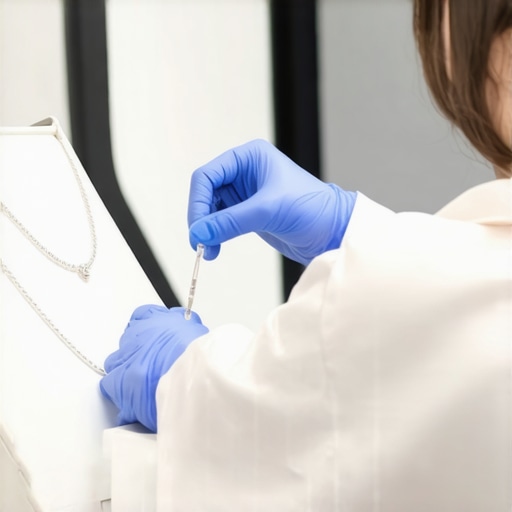
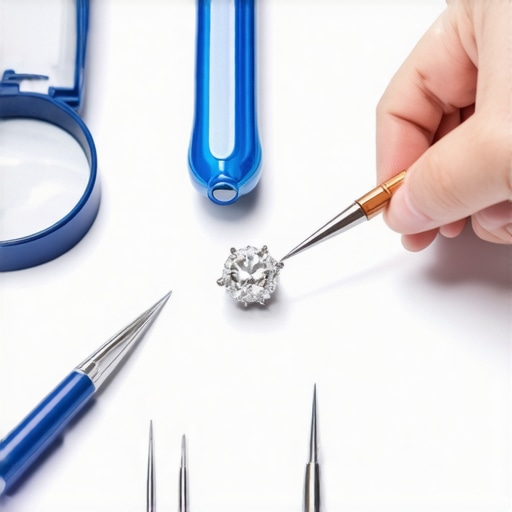
First off, using the right tools is non-negotiable. For re-stringing and repairs, I rely on a jewelers’ magnifying loupe. I personally prefer a 10x magnification model because it allows me to scrutinize hallmarks, bead quality, and knot security without straining my eyes. A fine beading needle is equally essential—its slim profile makes threading tiny beads effortless, saving time and preventing damage. When it comes to securing knots, I trust jewelry pliers with smooth, non-slip grips. They give me the leverage to tighten knots securely and manipulate clasps with precision, which is critical for long-term durability.
Leveraging Software for Accurate Appraisals
Beyond physical tools, digital resources are transforming jewelry maintenance. I recommend using trusted appraisal software that helps you compare similar pieces, track wear patterns, and estimate value fluctuations over time. These tools can be particularly handy when assessing vintage items or planning restorations. As technology advances, I predict AI-powered image recognition will soon offer instant authenticity checks, further empowering jewelry owners.
How do I keep my tools in top shape?
Regular maintenance of your equipment is key. I clean my pliers and needles with a soft cloth after each use and occasionally lubricate moving parts with a tiny drop of jeweler’s oil. Proper storage in dedicated cases prevents rust and damage. Additionally, investing in a ultrasonic cleaner for routine cleaning of metal components and stones helps maintain luster without risking scratches or over-polishing. Remember, gentle cleaning preserves the integrity of your jewelry’s materials.
Preparing for Long-Term Success
Finally, developing a maintenance routine is vital. Schedule quarterly inspections, cleaning, and re-stringing sessions—especially for pieces worn daily. Keep detailed records of repairs and appraisals to monitor how your jewelry ages and to plan future care. I also recommend exploring professional re-stringing services when needed, as they utilize specialized equipment to ensure longevity beyond what DIY methods can achieve.
Embracing the right tools and techniques now sets the stage for jewelry that remains stunning and valuable for decades. I challenge you to try out a professional-grade magnifier or ultrasonic cleaner this month—see how much easier and more effective your maintenance routine becomes. As the trend toward smarter, more sustainable jewelry care continues, investing in these tools today ensures your collection stays radiant tomorrow and beyond.
The Hardest Lesson I Learned About Jewelry Preservation
One of my biggest lightbulb moments was realizing that even a small mistake in re-stringing could compromise the entire piece. I once rushed through a re-stringing project without proper knots, and it resulted in beads slipping loose. Since then, I learned that patience and precision are crucial. Professional strategies, like those detailed on expert resources, are essential to preserve both beauty and value.
Three Myths About Jewelry Appraisal That Held Me Back
I used to think appraisals were only for insurance, but I’ve come to understand they’re vital for accurately assessing true worth, especially for vintage or designer pieces. Regular updates ensure you’re not undervaluing your jewelry, which can mean the difference between a good sale and a missed opportunity. For trusted tips, visit appraisal guides.
What Experts Won’t Tell You About Fake Jewelry Detection
Many overlook the importance of detailed inspections, like examining hallmarks with a jeweler’s loupe or testing metals with simple magnets. I once bought what I thought was a genuine piece only to find faint hallmarks and inconsistent craftsmanship. Using tools and professional evaluations, as discussed in reliable resources, can save you from costly mistakes.
Don’t Miss Out on Advanced Care Techniques
Basic cleaning isn’t enough for heavily worn or delicate jewelry. I discovered that ultrasonic cleaning and specialized polishing can restore luster and longevity. But always consult professionals before trying new methods; a wrong move can cause damage. Explore expert techniques for long-lasting results.
My Essential Toolkit for Jewelry Confidence
High-quality tools like a 10x magnifying loupe, fine beading needles, and jewelry pliers with smooth grips are game-changers. Regular maintenance and proper storage of these tools ensure they serve you well over time. I personally swear by ultrasonic cleaners for routine care, which maintain jewelry’s brilliance without risking scratches. Investing in the right equipment is a small step that yields big results.
Where to Go from Here
Keep learning through trusted sources, practice on less valuable pieces, and don’t hesitate to seek professional help when needed. Regular inspections, proper tools, and updated knowledge will empower you to care for your jewelry like a pro. Check out strategic resources to boost your confidence and protect your collection.
Your Turn to Shine
Now it’s your chance—what step will you take today to improve your jewelry care or appraisal skills? Share your thoughts below and start transforming your jewelry journey.




Reading through this post really emphasizes how vital it is for jewelry owners to understand the nuances of care and appraisal. I recently had a similar experience where a family vintage ring’s value was underestimated simply because I didn’t take the time to learn about specific hallmarks and materials. The investment in proper tools like a jeweler’s loupe and high-quality thread really pays off in the long run. What’s your take on balancing DIY repairs versus professional services? I’ve found that knowing when to seek expert help can make all the difference, especially for delicate or high-value pieces. Also, I’m curious about the newest tools or software that are making re-stringing or appraisals easier. Has anyone tried using AI-based apps for quick authenticity checks? Would love to hear if they’ve been reliable or just hype.