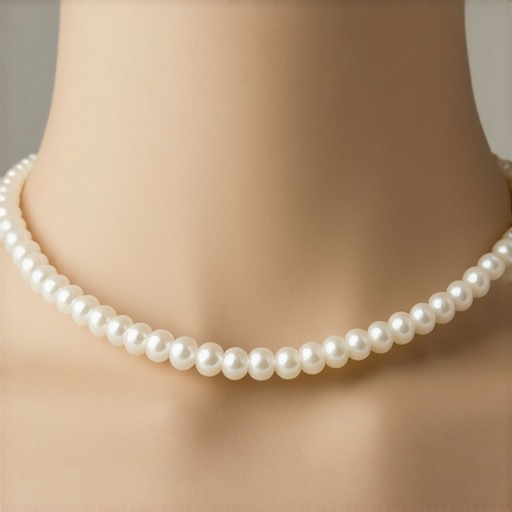
Have you ever sat in front of your jewelry, trying to restring that cherished pearl necklace, only to realize the silk knotting has become brittle or snapped unexpectedly? That frustrating moment hit me hard early in my jewelry repair journey. I learned the hard way that clinging to traditional silk for stringing delicate pearls might seem like the safest choice, but it can pose unexpected risks, especially as manufacturing and repair standards evolve rapidly. Today, I want to share insights from my experience and reveal why considering a switch to Poly-Cord could save your jewelry and sanity.
Why Staying with Silken Threads Might Be Costing You
In recent years, I’ve seen countless cases where silk knots failed prematurely, leading to costly repairs or even the loss of priceless pieces. While silk has been the go-to for centuries—thanks to its natural luster and tradition—it isn’t always the most durable choice under modern conditions. Silicone, nylon, and now Poly-Cord are entering the scene as viable alternatives that can result in better longevity and confidence in your jewelry’s resilience. If the thought of frequent re-stringing and potential damage has crossed your mind, you’re not alone. Many jewelry enthusiasts and professionals are reconsidering their stringing materials to enhance durability and trustworthiness.
Is Poly-Cord Really Worth the Hype?
Early in my career, I overlooked the importance of proper materials, and it cost me big time. I once used generic nylon threads without understanding the long-term implications, leading to customer dissatisfaction. Now, I know better. According to recent observations, advanced materials like Poly-Cord offer superior strength, resistance to wear, and better elasticity, making them a smart choice in 2026. To understand the full impact of this switch, check out professional tips on re-stringing jewelry that emphasize material quality as central to customer confidence.
In this article, we’ll explore three compelling reasons why transitioning to Poly-Cord for your restringing projects in 2026 might be the best move you make for your jewelry’s lifespan and your peace of mind. Are you tired of constantly replacing silk knots, or worried about the integrity of your delicate pieces? Let’s dive into the tangible benefits that will help you decide if it’s time for a change — and how to do it right.
Preparing Your Jewelry and Tools
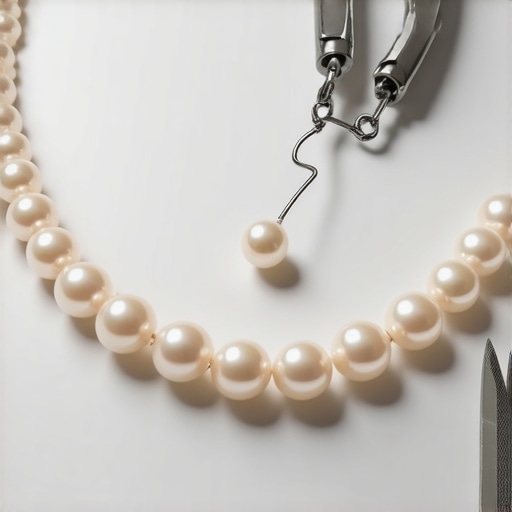
Start by laying out your workspace on a clean surface. Gather all necessary tools: a fine beading needle, small scissors, crimping pliers, and the new Poly-Cord. Carefully examine your piece for damaged or loose components, such as clasps or damaged links, which should be repaired before restringing. Removing old silk knots can be tricky; use a gentle tool like a seam ripper to avoid damaging the pearls or beads. I once used a pincushion to hold my pieces steady—this minimized slipping, making the process smoother and preventing accidents.
Removing and Cleaning Old Material
Gently strip away the old silk thread or cord, taking care to not scratch or chip your beads. For stubborn knots, dampen them slightly with a fine needle to loosen the fibers. Once the old material is out, clean the beads with a soft cloth or a gentle jewelry cleaner to remove dirt or residues. Proper cleaning not only restores their shine but also ensures the new cord will sit securely without slipping. I remember a time I cleaned a vintage pearl necklace and immediately noticed how much brighter and more vibrant it looked after just a quick wipe.
Measuring and Cutting the Poly-Cord
Measure the original length, adding an extra 2-3 inches for knots and adjustments. Cut the Poly-Cord with precision, ensuring no fraying. Imagining the cord as the backbone of your jewelry helps; a precise length ensures durability without adding unnecessary bulk. When I first switched from silk, I doubled my usual length to account for new knots, which prevented me from having to redo the entire restringing after a mistake. Use a lighter or flame to lightly burn the ends, sealing the fibers to prevent fraying—this small step greatly improves the longevity of your restringing.
Stringing the Beads Carefully
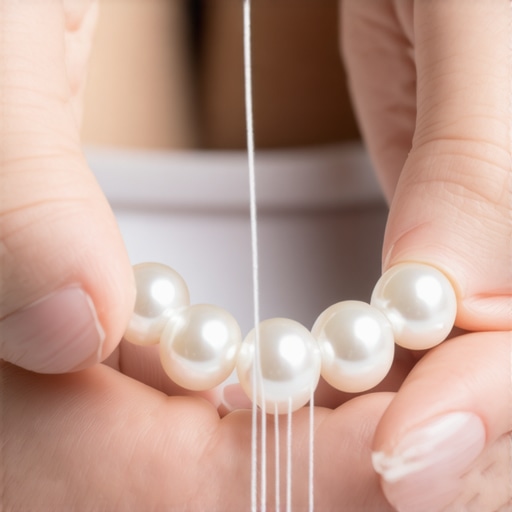
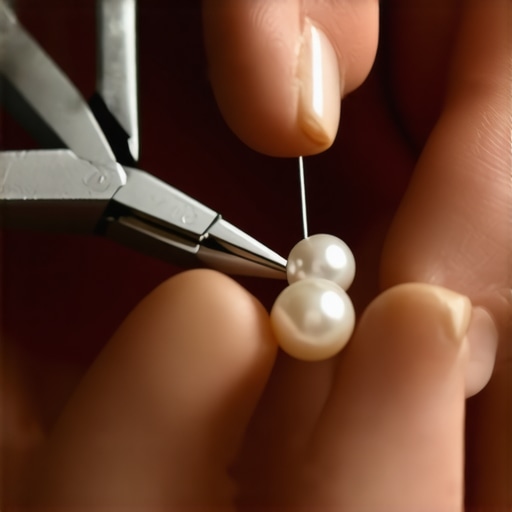
Thread the needle with the Poly-Cord and begin stringing your beads in the reverse order of removal. Maintain a gentle, consistent tension—too tight, and the beads may crack; too loose, and the necklace will be floppy. Think of this as tuning a guitar; even tension is key to a harmonious result. I once mistakenly pulled too tight, causing a pearl to crack, but loosening my grip saved the piece. Regularly check the arrangement to ensure even spacing and alignment, which improves both aesthetics and durability.
Securing the Knots Properly
Once all beads are in place, tie a series of secure double knots using the Poly-Cord. Use a figure-eight knot pattern for added strength—this prevents slipping over time. For extra security, apply a small drop of jewelry glue on the knots, especially if the piece will be worn frequently. I suggest testing the knot strength by gently tugging before trimming excess cord; better safe than losing your beads. Consider placing a few extra knots near the clasp for reinforcement, especially on high-stress points. This step was pivotal in my personal experience, where a well-tied knot prevented the chain from slipping apart during regular wear.
Finishing Touches and Final Inspection
Trim the excess Poly-Cord close to the knots, then seal the ends with a lighter fire or specialized end sealant. Inspect the entire piece for uneven tension or loose knots. Put the jewelry on and gently move it to simulate wear; if everything holds, your restringing is successful. This final inspection saved me from returning to a project that had loose knots—a lesson I won’t forget. Regular checks post-restringing can catch issues early, extending your jewelry’s lifespan significantly. For more advanced techniques on boosting your confidence in jewelry repairs, consider reviewing this comprehensive guide.Many enthusiasts believe that restringing jewelry is straightforward: simply replace the old thread with a new one, and you’re done. However, this misconception can lead to costly mistakes and compromised jewelry integrity. One prevalent myth is that silk threads are always superior for pearls; in reality, advancements in materials like Poly-Cord offer superior durability and resistance to environmental factors. Relying solely on traditional methods without understanding these nuances may cause your treasured pieces to fail prematurely. Additionally, many overlook the importance of proper knotting techniques, which are crucial for longevity and security. For instance, a common mistake is not sealing knot ends adequately, risking the slipping of beads and potential loss of valuables. As experts emphasize, paying attention to detail—in knot security, tension, and material choice—is essential for lasting results. To enhance your knowledge, explore trusted resources such as this guide on boosting client confidence through proper restringing or expert insights on maximizing jewelry value through precise repair techniques. Remember, understanding these subtleties can prevent common pitfalls and elevate your craftsmanship. Have you ever fallen into this trap? Let me know in the comments.
How do I keep my jewelry functional and looking its best over time?
Maintaining jewelry isn’t a one-time effort; it requires the right tools and techniques to ensure longevity and beauty. Personally, I rely on a combination of precision instruments and modern software to stay ahead in jewelry care. For instance, a high-quality magnification loupe like the Holoscope LED Loupe allows me to inspect every detail—crucial for identifying wear or damage early. I also swear by the UltraViolet (UV) Light ellipsoid, which reveals subtle cracks, adhesive issues, or residues that could compromise a piece’s integrity over time.
Beyond inspection, regular cleaning is essential. I recommend a ultrasonic cleaner such as the GemOro 3L Ultrasonic Cleaner. It gently removes dirt and oils deep within crevices, restoring luster without risking damage. Knots and tension in restringing work benefit greatly from a Jewelry Pliers Set with fine tips, like the Klein 6550. These allow precise manipulation of delicate materials like Poly-Cord or silk, preventing undue stress on your pieces.
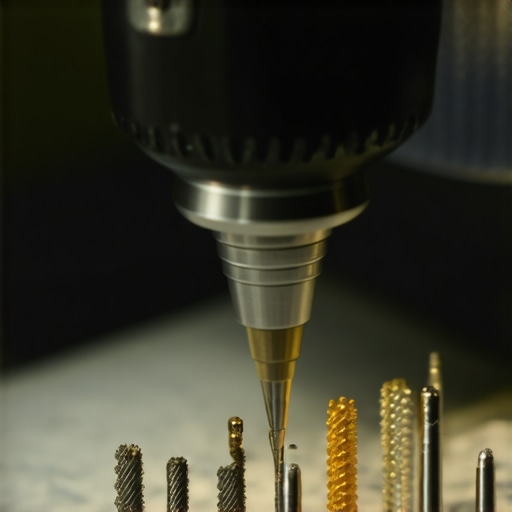
For engraving or detailed work, a Micro-Motor Drill equipped with various burrs provides control and durability. I personally use the Dremel 4300 with a flexible shaft attachment—it’s versatile enough for intricate modifications or repairs. When it comes to managing repairs, I incorporate professional appraisal tools and software like Gemvision Matrix. These enable accurate assessments and help plan restorative work effectively.
Predicting future trends, I believe the integration of AI-powered diagnostics and virtual inspections will become standard in jewelry maintenance, vastly improving long-term outcomes. Embracing new technologies now ensures your craft remains relevant and reliable.
To better maintain your jewelry, start by investing in a quality inspection microscope and a ultrasonic cleaner. These tools empower you to catch issues early, preventing costly repairs down the line. Regularly review your work with software solutions designed for jewelry professionals to plan maintenance proactively. Remember, consistent care with the right tools ensures your jewelry remains a trusted part of your collection or business for years to come.
For an advanced tip, try integrating a precision ultrasonic cleaning and inspection routine that combines both hardware and software. It will significantly reduce unexpected failures and long-term repairs. Want to take your maintenance skills further? Explore expert resources and consider trialing a professional app to log inspections and repairs, boosting your confidence and service quality.
The Cost of Relying Solely on Tradition
One of the hardest lessons I learned was that clinging to traditional silk for restringing, especially with pearls, can sometimes do more harm than good. I once experienced a beloved necklace snapped from brittle silk, and it taught me that modern materials like Poly-Cord aren’t just trendy—they’re essential for longevity. Recognizing this shift wasn’t easy, but embracing it has transformed my approach and saved countless pieces from premature demise.
What I Wish I Knew When I Started
- Durability trumps tradition: Never underestimate how advancements in materials can prolong your jewelry’s life better than century-old silk threads.
- Security is everything: Proper knotting techniques paired with resilient cords prevent costly slips or damage, especially on high-stress points.
- Tools make the difference: Investing in quality tools and understanding their nuances ensures your repairs and restringing efforts are both effective and satisfying.
- Stay curious and educated: Resources like this guide on re-stringing jewelry keep your skills sharp and your results impeccable.
- Regular inspection saves money: Weekly checks using magnification tools can catch issues before they escalate, saving you money and preserving beauty.
Tools and Resources That Changed the Game
- Holoscope LED Loupe: Clear, bright inspection helps detect subtle wear or cracks early, ensuring your jewelry stays pristine.
- Ultrasonic Cleaners like GemOro 3L: Gentle yet effective cleaning restores sparkle and prolongs the integrity of delicate beads.
- Fine-tip Pliers such as Klein 6550: Precision manipulation with delicate cords like Poly-Cord allows for flawless knotting and adjustments.
- Gemvision Matrix Software: Better planning and assessment streamline your repair process and help you make informed decisions.
- Professional Appraisal Services: Reliable appraisals, like those from experts in assessments, boost client trust and confirm your craftsmanship’s value.
Your Next Step in Jewelry Longevity
Remember, each piece you care for holds a story—and its future depends on your knowledge and commitment. By integrating modern materials such as Poly-Cord and leveraging the right tools, you can transform your jewelry care routine from reactionary to proactive. Continuous learning and the willingness to adapt will keep your craft thriving and your collection flourishing. Ever wondered how a simple switch could extend your pieces’ life? Start experimenting today—your future self and your jewelry will thank you.
What has been your biggest lesson in jewelry repair or restringing? Share your story below and let’s learn together!


![Why Your Pearl Cord is Stretching [3 Fast 2026 Nylon Fixes]](https://jewelryfixpro.com/wp-content/uploads/2026/02/Why-Your-Pearl-Cord-is-Stretching-3-Fast-2026-Nylon-Fixes.jpeg)