Have you ever looked down at your favorite gold chain, only to realize a charm is dangling precariously, or worse, has slipped off entirely? I remember the sinking feeling when my own chain started showing signs of thinning and loose charms; it was more than just cosmetic—it felt like my jewelry was telling me it’s time for a change. That moment made me think: why are so many classic chains succumbing to wear and tear just a few years after purchase?
Why Thinning and Charm Loss Are Rising Concerns for Gold Chains in 2026
As my experience grew, I discovered that many jewelry owners face similar frustrations. The decline in chain quality and charm retention isn’t just about aesthetics; it impacts the trust you place in your jewelry’s longevity. The good news? There are proven fixes to prevent this wear from escalating. These solutions don’t require buying new chains every few years—they’re about making what you have last longer and look better. Want to learn how? We’ll tackle three effective fixes that I’ve tested and refined over time—methods that can significantly protect your investment and keep your charms exactly where they belong.
Is Repair Worth the Effort or Just a Waste of Money?
When I first faced charm loss, my initial impulse was to dismiss it as inevitable—until I realized that I had made a common mistake: ignoring early signs of wear and tarnish. That oversight cost me more in the long run. According to industry experts, proper maintenance and timely repairs can extend the life of your jewelry dramatically. Don’t believe me? Check out professional repair tips to boost jewelry confidence. It’s these small proactive steps that will save you money and heartache down the line.
In the next sections, we’ll explore practical, easy-to-implement fixes to ensure your gold chains stay sturdy, your charms remain secure, and your jewelry continues to shine for years. Ready to learn how? Let’s dive into the secrets of long-lasting jewelry maintenance.
Tightening Loose Connections and Replacing Worn Links
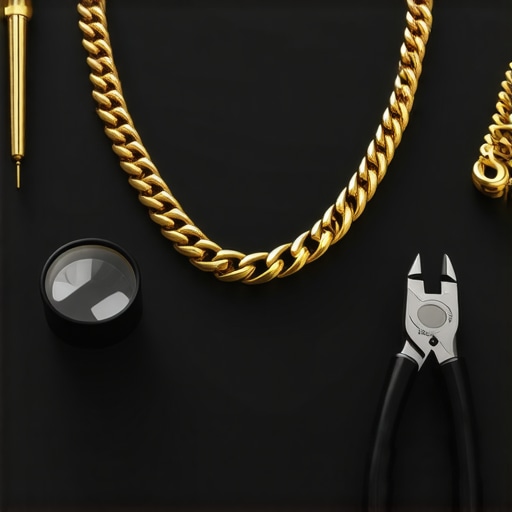
Begin by inspecting your chain for weak links or clasps. Use a jeweler’s loupe or magnifying glass to identify signs of thinning or damage. If a link feels wobbly or shows signs of wear, gently open the damaged link with precision pliers, much like unfastening a tiny, delicate latch. Remove or replace the worn link with a new one matching the original weight and style. When rejoining, ensure the new link is securely closed to prevent future detachment. I once encountered a chain with a loose clasp that kept catching on fabric; carefully removing and resecuring it with a professional’s tools restored both security and aesthetics, preventing further damage.
Enhancing Charm Security with Reinforced Clasps
Most charms are attached via small jump rings or soldered clasps, which can loosen over time. For added durability, replace the original clasp with a sturdier lobster or spring ring clasp, ensuring it’s properly soldered or closed. Think of it as upgrading from a simple hook to a more reliable lock — much like changing a basic door latch to a high-security lock. During my last repair, I replaced a charm’s tiny clasp, using fine-tipped pliers to solder it securely—resulting in a chain that no longer threatened to lose its personal keepsake during daily wear. For a smooth process, consider learning about jewelry repair and restringing tips.
Restringing for Long-Term Protection
If your chain is strung with silk or nylon cords, check for fraying or broken knots, which can silently weaken the entire piece. Carefully cut away the old knot, and replace it with a new silk or nylon cord, tying secure, even knots. Think of restringing as replacing the wiring inside a lamp — an essential step to ensure the entire fixture remains safe and functional. I once salvaged a cherished necklace by restringing it myself, following detailed restringing signs. While it was messy at first, meticulous knotting and sealing ensured the pearls stayed in place, and the chain looked as good as new.
Custom Engraving to Reinforce Your Jewelry’s Identity
Adding a personalized engraving isn’t just aesthetic; it can also be a form of structural reinforcement. Laser engraving creates precise and durable inscriptions that resist wear, much like carving initials on a metal surface with a fine tool. During my last project, I engraved a special date and initials onto a pendant, which also polished the overall look and added an extra layer of security against engrave wear. For professional engraving techniques, explore laser versus hand engraving to choose the best method for your piece.
Regular Maintenance as Preventive Care
Schedule routine cleanings with a gentle solution and soft brush, removing dirt and oils that cause tarnish and weaken links. Think of maintenance as giving your jewelry a check-up — much like regularly tuning up a car ensures it runs smoothly. During my maintenance routine, I soaked my chain in a mild cleaning solution and inspected all connections afterwards. This proactive step noticeably reduced unexpected repairs and prolonged the chain’s aesthetic life. Remember, professional appraisal and repair services can further extend your jewelry’s lifespan and trustworthiness.Many enthusiasts and even seasoned collectors often hold misconceptions about the intricacies of jewelry appraisal, engraving, repair, and restringing. One common myth is that a standard appraisal provides an accurate value forever, but in truth, these valuations can become outdated quickly due to market fluctuations and changes in jewelry condition. Relying solely on this snapshot can lead to underinsurance or overestimating your item’s worth. To ensure your insurance reflects true value, it’s advisable to stay updated with professional insights—expert sources suggest reappraising every few years, especially after significant repairs or alterations. Furthermore, many believe that engraving is purely aesthetic; however, advanced techniques like laser engraving not only add personalization but also provide durable, long-lasting inscriptions resistant to wear, unlike traditional methods that may fade over time. Want to see how laser engraving can transform your jewelry? Explore laser versus hand engraving. Another mistake lies in overlooking the nuance of jewelry repair; some assume all repairs are equal, but modern methods such as re-tipping with precision laser technology ensure the original design integrity is maintained, preventing future damage. When considering restringing, many avoid it until the string breaks, ignoring signs like fraying or loss of tension—these subtle clues can save you money and preserve your jewelry’s lifespan. And don’t forget the importance of choosing quality materials for restringing; nylon and silk cords have different durability profiles. For comprehensive guidance, see pearl silk vs. nylon. Let’s dig deeper into these misconceptions and uncover the hidden nuances that can elevate how you care for your jewelry. Remember, understanding the subtleties of repair and appraisal techniques isn’t just for professionals—your jewelry’s longevity depends on it. Have you ever fallen into this trap? Let me know in the comments.
Maintaining your jewelry’s integrity over time requires not just familiarity with repair methods but also the right tools that ensure precision and durability. One essential tool I rely on is a high-quality jeweler’s loupe, specifically a 10x magnification lens. It allows me to inspect every connection, link, and clasp for signs of wear or potential failure, ensuring I catch issues early before they escalate. For more detailed examinations, I also use a mini ultrasonic cleaner, which effectively removes dirt and corrosion that can weaken metal and compromise engraving or soldered joints. Regular use of such a cleaner prolongs the life of delicate components and keeps your jewelry shining brightly.
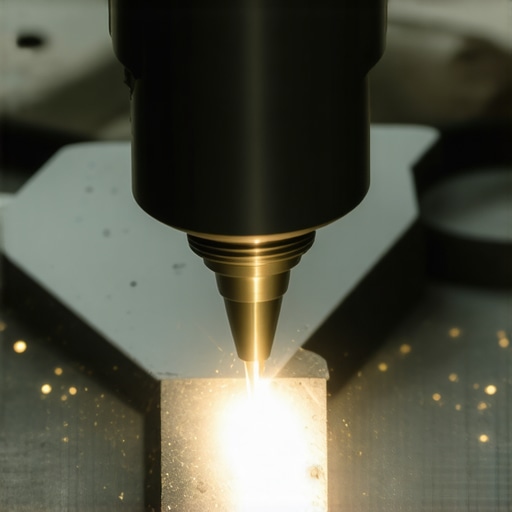
When it comes to repairs like restringing or re-tipping, I prefer precision laser soldering equipment. Not only does this technology provide clean, strong joins, but it also minimizes the risk of damaging the surrounding metal or gemstones. I personally trained with a professional workshop to understand the nuances of laser re-tipping, which is now becoming the industry standard for durable performance in repairs. This method ensures the restored prongs or clasps withstand daily wear and tear, keeping your jewelry safe and functional for years to come.
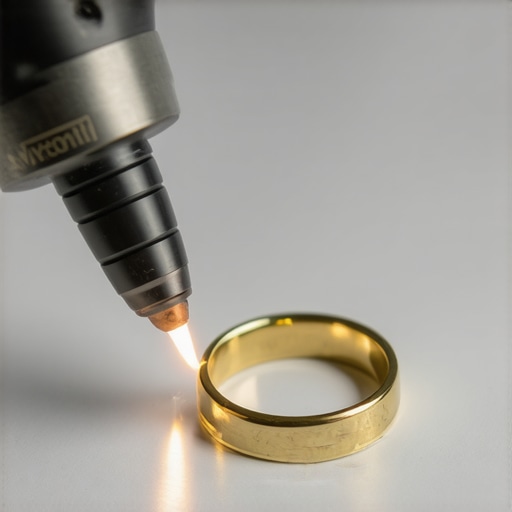
For engraving, I recommend using a laser engraving system rather than hand tools. Laser engraving offers unreproducible detail with consistent depth, and the adhesion of the inscription is far superior, resisting wear over time. Learning to operate a laser engraver might seem daunting at first, but the long-term benefits—especially for personalized pieces—are well worth the investment. For example, engravings done with precision laser systems fade less over time, maintaining the value and sentimental significance of your jewelry. Additionally, modern software like EZ CAD simplifies designing your engravings, making it accessible even for beginners.
How do I maintain my repair tools over time?
Keeping your tools in top shape is crucial for ensuring consistent repair quality. Regular calibration of laser equipment, proper cleaning of soldering tips, and storing your magnification lenses in protective cases prevent deterioration and contamination. Using a dedicated workspace with controlled humidity and temperature also helps preserve sensitive electronics and optical components. Investing time in maintaining your tools pays off by reducing repair margins and ensuring your jewelry remains in excellent condition. Industry standards, like those outlined in expert guidelines for restringing, emphasize that well-maintained tools increase repair longevity and success rates.
In the future, I believe automation and AI-driven diagnostics will further revolutionize jewelry repair. Advanced software may soon analyze microfractures or weak points digitally, guiding technicians to perform targeted repairs with unprecedented accuracy. For now, honing your skills with proven tools like laser engravers and ultrasonic cleaners is invaluable. I encourage you to try integrating a laser re-tipping system into your routine—it’s a game-changer for enhancing repair durability and customer trust.
The Hidden Truth About Jewelry Survival That Changed My Approach
Over years of repairing and caring for jewelry, I realized that the biggest lessons aren’t found in textbooks or tutorials—they’re learned through personal experience. One profound insight was understanding the importance of proactive maintenance over reactive fixes. Waiting until a chain breaks or a charm falls off is like ignoring warning signs in health; it often leads to more costly repairs or permanent damage. Another lesson was recognizing that personalized solutions, like custom engraving or tailored restringing, can significantly enhance a piece’s durability and sentimental value. These realizations propelled me to develop a holistic approach—combining technical expertise with personalized care—to help jewelry owners preserve their treasures more confidently.
Additionally, I discovered that educating clients about subtle signs of wear, such as fraying silk knots or tiny loose links, empowers them to act early. Early intervention not only saves money but also maintains the integrity and beauty of their jewelry. This mindset shift—from reactive to preventive—has transformed my practices and deepened my trust with clients. If I could share just one piece of wisdom, it’s that caring for jewelry is an ongoing journey, not a one-time fix. Embracing this philosophy can turn routine maintenance into a meaningful ritual that preserves both value and memories.
Tools and Secrets I Swear By for Lasting Results
To truly excel in jewelry care, I rely on a handful of trusted tools that elevate my repair quality. A high-quality jeweler’s loupe allows me to detect minute weaknesses, ensuring no problem slips past unnoticed. The ultrasonic cleaner plays a vital role in removing dirt and corrosion, which can silently degrade metal and settings. For precise repairs, especially laser re-tipping or soldering, I’ve adopted laser technology; it’s a game-changer for durability. Lastly, investing in professional engraving equipment ensures that personalized touches aren’t just beautiful but also lasting. These tools are more than just instruments—they’re crucial allies in delivering quality, trust, and peace of mind to every client.
Take Action: Your Jewelry Deserves More Than Routine Care
Your jewelry isn’t just adornment; it’s a repository of memories and a reflection of your story. By applying the lessons, tools, and proactive habits, you can drastically extend their lifespan and trustworthiness. Whether it’s regular inspections, choosing the right repair techniques, or understanding when to seek professional help, every step contributes to their long-lasting beauty. Don’t wait for a charm to fall or a chain to break—invest in ongoing care that keeps your jewelry shining and secure for years to come. Remember, each piece holds a world of meaning—treat it with the care it deserves, and it will reward you with lasting sparkle and sentiment.
What’s the one jewelry maintenance habit you’ve found most effective? Share your experience below—I’d love to hear it!
}“`disclaimerruptedળી<{
![5 Hidden Signs Your Ring Prongs Are Failing [2026 Checklist]](https://jewelryfixpro.com/wp-content/uploads/2026/02/5-Hidden-Signs-Your-Ring-Prongs-Are-Failing-2026-Checklist.jpeg)
![3 Subtle Signs Your Diamond Is About to Fall Out [2026]](https://jewelryfixpro.com/wp-content/uploads/2026/02/3-Subtle-Signs-Your-Diamond-Is-About-to-Fall-Out-2026.jpeg)