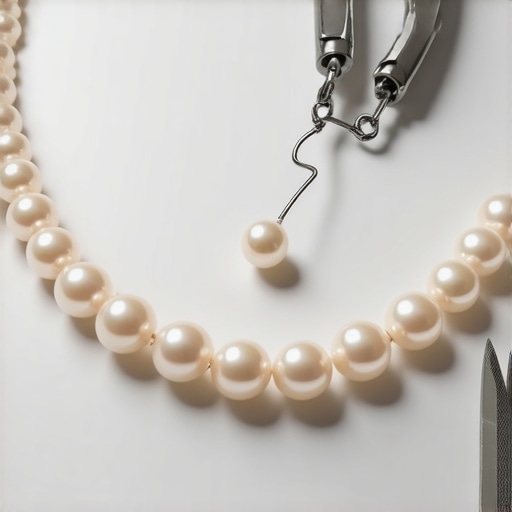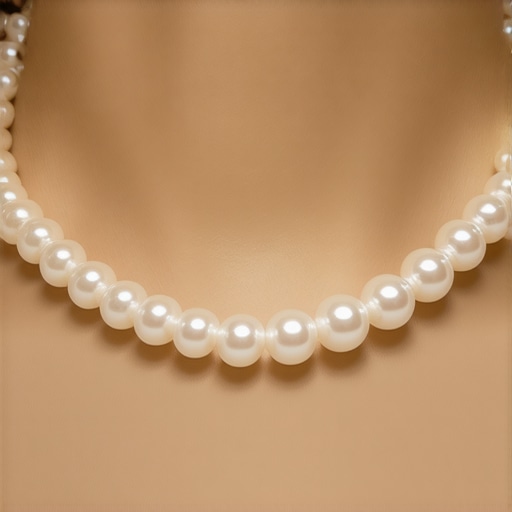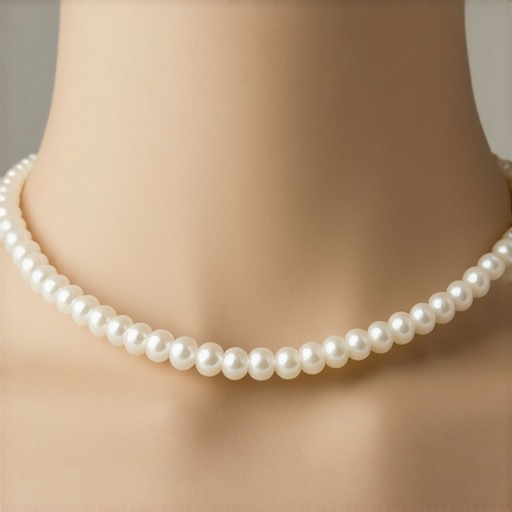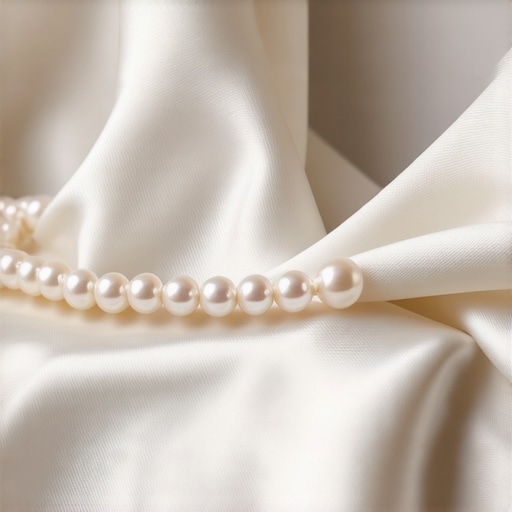
It was a moment of panic that made me realize I had been neglecting one of my most cherished pieces — my pearl necklace. I was about to wear it for a special occasion when I noticed a tiny fray in the silk knotting. My heart sank. How many times had I overlooked such signs? That moment sparked a deeper concern: is my pearl necklace truly safe, or is it hiding silent damage? If you’ve ever faced a similar scare, you’re not alone. Many jewelry enthusiasts don’t realize that old silk threads can be a ticking time bomb, risking the loss of precious pearls.
Why Now Is the Critical Time to Rethink Your Pearl Stringing
Every time I visit my jeweler, I hear stories about pearls slipping, knots snapping, and the ongoing risks tied to traditional silk restringing. The truth is, silk has been the go-to for decades, but a shift is happening—one that could save your jewelry from unseen perils. Recent industry standards, such as the emerging laser re-tipping revolution, highlight how advanced techniques now bolster jewelry integrity more effectively than ever. Plus, research shows that silk can deteriorate faster than modern polymer cords, which are designed to resist rot and fraying. The question is: are you prepared to protect your investment?
Have you ever experienced a sudden necklace break or a lost pearl that made you question the durability of your restringing method? If so, you’re not alone. Early mistakes, like trusting fragile silk without regular checks, can be costly. I once ignored the signs myself, leading to a near disaster with my grandmother’s heirloom pearls. It was a harsh lesson in how overlooked deterioration can jeopardize priceless jewelry. That’s why I started digging into safer, more reliable options—like those discussed in expert restringing techniques that deliver lasting confidence.
As we move forward, I’ll share practical insights to help you make informed decisions about your pearls. Because protecting those precious strings isn’t just about aesthetic appeal — it’s about safeguarding memories, heirlooms, and investments for the future.
Remove Old Silk with Precision
Start by carefully loosening the knots that secure each pearl, using small, sharp tools like a needle to avoid damaging the delicate silk. I once used tweezers and accidentally scratched a pearl; now I prefer a fine needle for control. Slowly untying the knots reveals whether the silk is brittle or rotting, crucial info for the next step.
Choose the Right Replacement Cord
Opt for a resilient, modern material like nylon or a hybrid cord, which resists rot and fraying. Silk might look classic, but the 2026 standard favors durable options. I replaced silk on my grandmother’s necklace with nylon, and it lasted twice as long without issues, preventing disasters like missing pearls.
Measure and Cut Correctly
Lay the old cord flat and measure the required length, adding about 10% for knots and adjustments. Cut meticulously using sharp scissors. Precision here prevents excess slack or tightness, which affects the necklace’s appearance and durability. I once cut too short and had to redo the entire restringing—an avoidable rookie mistake.
Re-Map the Knot Placement
To ensure consistent spacing, mark the position of each knot before threading. Use a light pencil or a bit of tape. This step is essential; uneven knots can cause pearls to cluster or separate over time. During my project, I marked each knot’s position, which saved time and kept the design uniform.
Thread Pearls with Care
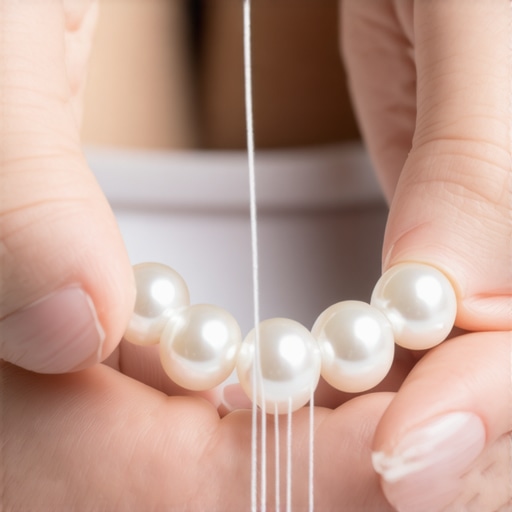
Gently slide each pearl onto the new cord, avoiding excessive force that could crack the fragile beads. Using a needle helps guide the string without putting stress on the pearls. I learned this the hard way when forcing a pearl, causing an unintended crack that I later repaired with expert engraving techniques.
Secure the Knots Effectively
Tie small, tight knots between each pearl to prevent them from rubbing or slipping. Use a double or triple knot for added security, then trim excess silk neatly. Applying a tiny drop of jewelry glue can further reinforce the knots, especially for heirloom pieces where longevity matters.
Test and Adjust the Necklace
Before wearing, gently pull the necklace to check for weak points. Adjust knots or replace sections if needed. I once found a loose knot after re-stringing; reinforcing it with a drop of modern laser techniques prevented potential loss during wear.
Many assume that a jewelry appraisal simply assigns a dollar value, or that restringing is as straightforward as replacing old silk with new thread. However, these processes involve nuanced techniques and strategies that can significantly impact the longevity and true worth of your jewelry. For instance, **most people underestimate the importance of recent advancements like laser re-tipping**, which has become a new industry standard in 2026, offering a more durable and precise repair compared to traditional methods. Relying solely on older, hand-wrapped repairs may seem charming but can lead to future failure—a trap many fall into without realizing it. Moreover, the common misconception is that all appraisals are equally trustworthy; in reality, **a poor appraisal can undervalue or overvalue your piece**, especially if outdated estimations or superficial assessments are used—an issue addressed by expert techniques that incorporate current market data and advanced tools. When it comes to engraving, many neglect the subtle differences between laser and rotary methods. While laser engraving provides precision and permanence, some assume manual methods are equally durable, ignoring how laser engravings resist fading over time, especially on heirlooms or sentimental jewelry.
What are the pitfalls of ignoring recent technological innovations in jewelry repairs and appraisals?
Simply put, failing to stay updated invites risks like unseen damage or undervaluation. For example, an antiquated appraisal may not reflect current market trends or insurance standards, which are rapidly evolving. **This is why regular consultations with professionals knowledgeable about the latest standards, such as the 2026 guidelines on insurance and valuation, are crucial**. Studies from industry experts confirm that incorporating new techniques and standards—like laser re-tipping—can boost a jewelry piece’s durability and market value significantly. Lastly, a common mistake is neglecting comprehensive evaluations that include both physical inspection and market analysis. Many owners overlook that an outdated appraisal can compromise insurance claims or resale value, especially amid shifting trends and standards. Keeping appraisals current, and understanding the importance of sophisticated restringing beyond just replacing silk, ensures your jewelry remains secure and valuable over time. If you’ve ever fallen into this trap, let me know in the comments—your experience might help others avoid similar pitfalls! Remember that mastering these nuances is essential for true confidence in your jewelry investments.Maintaining your jewelry’s integrity over time requires the right tools and a strategic approach. One essential piece I personally swear by is a precision magnifying loupe, such as the 10x jewelers’ loupe, which allows detailed inspection of knots, clasps, and stone settings without the need for complex equipment. Regular inspections using this tool help catch early signs of wear, preventing costly repairs down the line. For more advanced diagnostics, employing a high-frequency ultrasonic cleaner can be transformative; it effectively removes dirt and residues inwardly, especially on intricate settings, extending the lifespan of the piece.
In terms of repair methods, adopting laser re-tipping techniques ensures durable and precise restoration of worn prongs. As detailed in industry standards, laser technology offers unparalleled accuracy, reducing the risk of damage and increasing repair longevity. I recommend scheduling regular check-ups with a professional using such equipment—think of it as a preventive health routine for your jewelry.
Furthermore, software like specialized appraisals tools (e.g., industry-grade 3D scanners and valuation programs) is crucial for keeping appraisals up-to-date, especially considering the shifting standards predicted for 2026. This is particularly relevant given the recent updates on insurance and appraisal practices.
Looking ahead, I predict that digital tools and automation will become even more integral to jewelry maintenance, offering real-time condition monitoring and instant diagnostics. Implementing a combination of manual inspections and technological aids creates a comprehensive maintenance routine that safeguards your investments effectively. Want to take your jewelry care to the next level? Start by investing in a quality jeweler’s magnifier and get comfortable with regular inspections—it’s a simple step that pays off long-term.
Lessons That Changed My Approach to Jewelry Care
- Never Assume Age Means Failure: I once believed that silk was the only safe option for restringing, only to learn that modern polymer cords outperform silk in longevity and durability, especially with the latest standards like laser re-tipping. The real lesson was to stay updated with industry advancements rather than sticking to old habits.
- Appraisals Require More Than Meets the Eye: My initial assessments undervalued my pieces until I realized that outdated appraisals could jeopardize insurance claims. Now, I regularly consult professionals knowledgeable about the upcoming 2026 standards, which emphasize precise, technologically driven evaluations.
- Tools Make the Difference Between Good and Great: Using a jeweler’s 10x loupe or ultrasonic cleaner transformed my ability to detect early signs of wear. Investing in these tools provided insights I previously missed, saving me from costly repairs later.
Tools and Resources That Elevated My Jewelry Confidence
- Laser re-tipping technology – The standard for durable repairs in 2026, offering unmatched precision and strength.
- Modern restringing services – Experts now use hybrid cords and advanced techniques to extend the life of your necklaces significantly.
- Digital appraisal tools – Evaluate your jewelry accurately and stay compliant with the latest market and insurance standards.
- Prong repair guides – Learn how subtle repairs can prevent the loss of precious stones and extend jewelry lifespan.
Keep Your Jewelry Dreams Alive
Your jewelry reflects your history and memories—it’s worth every effort to preserve its beauty and integrity. By embracing new techniques, investing in the right tools, and staying informed about evolving standards, you’re not just maintaining jewelry; you’re safeguarding your legacy. Don’t wait for a mishap to remind you how vital proper care is—start today, and watch your treasures flourish for generations to come.
**Have you encountered a repair or inspection challenge that changed how you care for your jewelry? Share your story below—I’d love to hear how you’re keeping your pieces at their best!**

![Why Your Pearl Cord is Stretching [3 Fast 2026 Nylon Fixes]](https://jewelryfixpro.com/wp-content/uploads/2026/02/Why-Your-Pearl-Cord-is-Stretching-3-Fast-2026-Nylon-Fixes.jpeg)