
My First Encounter with Jewelry Appraisal and Restringing: A Personal Journey
It all started when I inherited a beautiful but worn-out pearl necklace from my grandmother. Curious about its true value and how to restore its original charm, I decided to explore the world of jewelry appraisal and restringing. That experience truly opened my eyes to the importance of professional assessment and careful restoration in maintaining jewelry’s beauty and worth.
Why Jewelry Appraisal Became My Trusted Companion
Initially, I thought jewelry appraisal was just about getting a price tag. However, I soon discovered it’s a detailed process that evaluates authenticity, quality, and market value. For instance, I learned that a certified appraisal from a reputable source, like the Jewelry Appraisal Guide, can really boost confidence when selling or insuring jewelry. My experience taught me that a thorough appraisal can reveal hidden details, such as gemstone treatments or metal purity, that influence value.
Restringing: Restoring Your Jewelry’s Original Shine
Restringing is an art I now appreciate deeply. I remember bringing my grandmother’s pearls to a skilled jeweler, who patiently replaced the worn silk thread, ensuring the pearls were strung with care. This process not only improved the necklace’s appearance but also extended its lifespan. From my perspective, restringing is essential for jewelry that’s been worn for decades—it prevents breakage and keeps the piece looking elegant. Plus, it’s a satisfying way to preserve family heirlooms.
What Makes a Good Jewelry Appraisal and Restringing Service?
In my experience, choosing the right professional is crucial. Look for experts who have a solid reputation and certifications. I found that reading reviews and asking for recommendations can lead to trustworthy service providers. A good jeweler will also advise on whether your jewelry needs restringing, repair, or simply cleaning. For example, I once consulted a local jeweler who pointed out that my vintage bracelet only needed a gentle cleaning, saving me money and preserving its antique charm.
How can I tell if my jewelry needs professional appraisal or restringing?
It’s a great question. If your jewelry shows signs of wear, such as loose clasps or frayed threads, it’s time for professional attention. Additionally, if you’re unsure about the authenticity or value—especially for inherited pieces—a formal appraisal can be invaluable. I recommend visiting trusted sources like Jewelry Repair Tips for expert advice.
If you’re considering restoring your jewelry’s original beauty or want to ensure its value, I encourage you to explore reputable appraisal and restringing services. And don’t hesitate to share your own experiences—I’d love to hear how these processes have worked for you!
Deciphering the Nuances of Jewelry Appraisal: Beyond the Surface
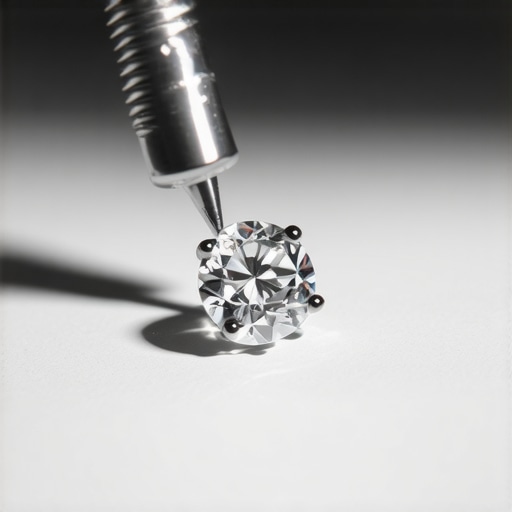
As I delved deeper into the world of jewelry valuation, I realized that a comprehensive appraisal involves meticulous examination of every detail—from gemstone treatments to metal composition. Certified appraisers often utilize advanced tools like spectrometers and microscopes to detect subtle enhancements or repairs that could influence a piece’s market worth. For instance, understanding whether a diamond has undergone laser drilling or fracture filling can significantly impact its valuation. This level of scrutiny ensures that both buyers and sellers are equipped with trustworthy information, aligning with industry standards outlined by authoritative sources like Jewelry Appraisal Guide.
The Art and Science of Restringing: More Than Just Re-threading
Restringing requires a delicate balance of skill and artistry. When restoring heirloom pearls, for example, the jeweler’s choice of silk or nylon thread and knotting technique can affect the necklace’s durability and aesthetic appeal. Properly knotted pearls prevent them from rubbing against each other, minimizing damage over time. I’ve observed that some jewelers incorporate a technique called ‘double knotting’ for added security, which can be a game-changer for fragile or expensive pieces. Additionally, choosing the right stringing material—whether for vintage beads or modern gemstones—ensures longevity and maintains the jewelry’s original charm.
What Are the Signs That Your Jewelry Deserves Professional Attention?
Recognizing when to seek expert advice is crucial. Signs like loose clasps, frayed threads, or visible wear indicate that your jewelry may need professional restringing or repair. For family heirlooms, especially those with sentimental value, a professional assessment can also uncover hidden issues, such as metal fatigue or previous repairs that may compromise the piece’s integrity. When considering appraisal or restringing services, I recommend consulting reputable sources like Jewelry Repair Tips to ensure experienced craftsmanship.
How Can I Ensure My Jewelry Maintains Its Value Over Time?
Maintaining jewelry’s value involves regular care, professional inspections, and proper storage. Cleaning with gentle solutions and avoiding harsh chemicals can preserve gemstone brilliance and metal luster. Scheduling periodic appraisals guarantees that insurance coverage remains accurate and reflective of current market prices. Moreover, proper storage—such as padded jewelry boxes or anti-tarnish pouches—prevents scratches and tarnishing. For more detailed advice on safeguarding your jewelry investments, explore our comprehensive guides linked throughout this article.
If you’ve experienced successful jewelry appraisal or restringing, I encourage you to share your insights. Your stories can inspire others to treat their jewelry with the care and respect it deserves.
Uncovering the Hidden Layers of Jewelry Appraisal: Beyond the Basics
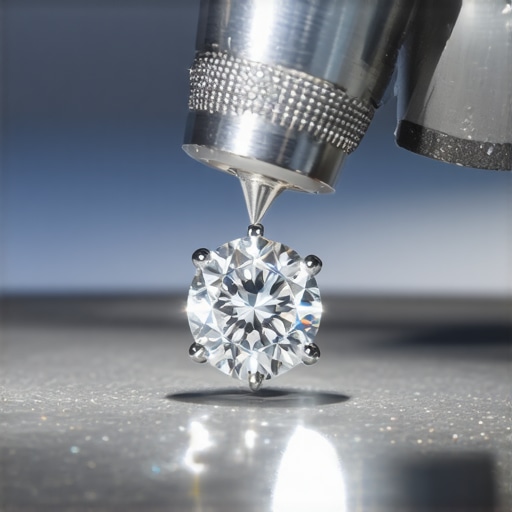
As I immersed myself further into the world of jewelry valuation, I realized that a truly comprehensive appraisal is akin to peeling back the layers of a complex story. It’s not just about identifying the gemstone or metal, but understanding its journey—how treatments like laser drilling or fracture filling have altered its narrative. Certified appraisers often employ cutting-edge tools such as spectrometers and microscopes, which reveal these subtle modifications that can dramatically influence a piece’s worth. For example, I once learned that a diamond treated with laser drilling, though visually stunning, might be valued differently due to the implications for durability and authenticity. This deeper understanding has made me appreciate the meticulous work of professional appraisers, who read between the lines to provide trustworthy insights. For those curious to delve even further, consulting industry standards outlined by authoritative sources like Jewelry Appraisal Guide can be invaluable.
The Art of Restringing: More Than Just Re-Threading
Restringing is a nuanced craft that balances technical skill with artistic sensibility. When restoring heirloom pearls or vintage beads, the jeweler’s choice of silk or nylon thread, knotting technique, and tension all come into play. I’ve observed jewelers who incorporate double knotting—an advanced technique—to enhance security, especially for fragile or expensive pieces. This technique prevents the pearls from rubbing against each other, reducing the risk of damage over time. The selection of stringing material is equally critical; for vintage jewelry, silk threads with specific tensile strengths preserve the original aesthetic while ensuring longevity. I’ve come to see restringing as a form of storytelling—an act of respecting the piece’s history while preparing it for future generations. If you’re considering this delicate process for your jewelry, exploring reputable services and understanding the intricate craftsmanship involved can make all the difference. For more detailed insights, visit Jewelry Repair Tips.
How Do I Know When My Jewelry Deserves Expert Attention?
Recognizing the signs that your jewelry needs professional care is essential for preserving its integrity and value. Beyond obvious issues like loose clasps or frayed threads, subtle clues—such as a change in weight, discoloration, or small cracks—can indicate underlying problems. For heirlooms or sentimental pieces, a professional appraisal isn’t just about valuation but also about uncovering hidden issues like metal fatigue or previous repairs that may compromise durability. My personal experience has shown that regular inspections, even when no visible damage exists, can prevent costly repairs later. I recommend consulting trusted sources like Jewelry Repair Tips to identify when expert intervention is warranted. Taking proactive steps ensures that your treasured jewelry continues to shine and retain its worth for years to come.
What Are the Best Practices for Maintaining Jewelry’s Value Over Time?
Maintaining your jewelry’s value is a blend of regular care, professional inspections, and smart storage. Gentle cleaning with soft cloths, avoiding harsh chemicals, and periodic professional appraisals keep gemstones and metals looking their best and ensure insurance values stay current. Moreover, proper storage—such as padded jewelry boxes or anti-tarnish pouches—can prevent scratches, tarnishing, and other damage. I’ve found that establishing a routine of careful handling and periodic check-ups not only preserves aesthetic appeal but also safeguards the investment you’ve made. For more comprehensive guidance, exploring our detailed maintenance tips can be very helpful. I encourage you to share your own experiences and insights—your stories might inspire others to treat their jewelry with greater care and respect.
Decoding the Intricacies of Gemstone Treatments and Market Trends
As I progressed deeper into my journey of jewelry expertise, I became increasingly aware of how gemstone treatments and prevailing market trends influence both the valuation and perception of jewelry pieces. For example, the subtle art of detecting treatments such as irradiation, coating, or heating requires specialized knowledge and often advanced tools like spectroscopic analyzers or high-powered microscopes. Understanding these nuances not only enhances my ability to accurately assess a piece’s worth but also empowers me to advise clients more effectively. Moreover, staying attuned to current market trends—such as rising demand for ethically sourced diamonds or vintage jewelry—can significantly impact appraisal values. Industry reports from sources like the Jewelry Appraisal Guide serve as invaluable references that keep me updated on these shifts, ensuring my evaluations reflect real-world dynamics.
The Craftsmanship Behind Restringing: Techniques That Preserve and Enhance
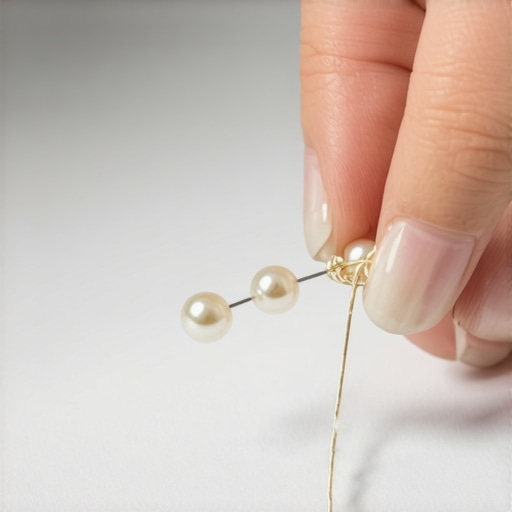
Restringing is far from a simple re-threading task; it is a delicate craft that combines technical precision with aesthetic sensibility. When working with vintage or heirloom jewelry, I have seen how the choice of knotting techniques—such as the classic double knot or surgeon’s knot—can dramatically influence the piece’s longevity and visual appeal. The tension must be meticulously calibrated to prevent sagging while avoiding overstressing the string, which could lead to breakage. The selection of stringing material also warrants careful consideration: silk threads, for instance, traditionally used for pearls, offer a natural flexibility and historical authenticity, whereas modern nylon or polyester might provide superior durability. Such attention to detail ensures that the restored jewelry not only retains its original charm but also withstands the test of time. For those eager to learn more, I recommend exploring reputable sources like Jewelry Repair Tips which delve into advanced restringing techniques and materials.
How Can Advanced Technology Revolutionize Jewelry Appraisal and Restoration?
In the evolving landscape of jewelry assessment, emerging technologies such as 3D imaging, artificial intelligence, and blockchain are beginning to revolutionize traditional practices. For example, 3D scanners can create highly detailed models of jewelry, allowing for precise measurements and damage assessments without physical handling—reducing risk and increasing accuracy. AI algorithms, trained on vast datasets, can assist appraisers by suggesting market values based on real-time data, historical trends, and specific piece attributes. Blockchain, on the other hand, offers a transparent and tamper-proof record of provenance and ownership, which is invaluable for high-value collectibles and heirlooms. Integrating these innovations into my workflow has allowed me to provide clients with more comprehensive, trustworthy evaluations. For further insights into this technological shift, consulting industry reports and expert analyses from authoritative sources like Jewelry Appraisal Guide can be enlightening.
What Are the Most Critical Signs Indicating Your Jewelry Needs Professional Evaluation?
Recognizing when to seek expert advice is crucial in preserving your jewelry’s integrity and value. Beyond visible issues like loose settings or worn threads, subtle indicators such as changes in weight, uneven wear patterns, or discoloration can signal underlying structural problems. For example, a slight shift in the clasp mechanism might seem trivial but could jeopardize the entire piece’s security. Regular professional inspections, ideally annually, can uncover these hidden concerns early. My personal approach involves combining routine visual checks with periodic professional evaluations, especially for sentimental or high-value items. To deepen your understanding of when expert intervention is warranted, I suggest exploring trusted resources like Jewelry Repair Tips. Proactive maintenance not only safeguards your investment but also preserves the sentimental essence embedded within each piece.
Innovative Approaches to Jewelry Conservation and Long-term Investment
Beyond appraisal and restringing, the realm of jewelry conservation involves specialized techniques aimed at maintaining aesthetic and structural integrity over decades. Methods such as micro-soldering, laser welding, and advanced cleaning protocols enable restorers to address issues like hairline cracks, metal fatigue, or tarnishing without compromising the original design. For instance, micro-soldering allows for precise repairs on delicate settings, often invisible to the naked eye, thus preserving the piece’s historical value. Additionally, implementing optimal storage solutions—such as climate-controlled safes and anti-tarnish pouches—complements these efforts, ensuring your jewelry remains pristine through changing environmental conditions. As I have delved into this niche, I have found that continuous education and collaboration with conservation specialists are vital. For those interested in expanding their knowledge, exploring detailed guides on jewelry preservation from established authorities can be highly beneficial. I encourage you to share your own experiences or ask questions—your insights can contribute to a richer community of jewelry aficionados dedicated to craftsmanship and care.
Things I Wish I Knew Earlier (or You Might Find Surprising)
The Hidden Value of Certification
One thing I discovered too late is how much a reputable certification can impact the trustworthiness of an appraisal. When I first sought an evaluation, I didn’t realize that certifications from recognized institutions like the Jewelry Appraisal Guide could make my jewelry’s value more credible, especially when insuring or selling. It’s like having a trusted passport in the world of jewelry.
The Art of Knotting in Restringing
I used to think restringing was just about replacing the thread. But I learned that techniques like double knotting not only add security but also prevent pearls from rubbing against each other, preserving their luster. Seeing a skilled jeweler carefully knot each pearl made me appreciate how intricate this craft truly is.
Signs That Your Jewelry Needs a Check-Up
Sometimes, I overlooked small clues like a loose clasp or frayed thread, only realizing later that these signs indicate the need for professional attention. Regular inspections can save your favorite pieces from unexpected damage, especially for heirlooms that carry sentimental value.
Understanding Gemstone Treatments
Delving into gemstone treatments opened my eyes to how treatments like laser drilling or fracture filling influence a jewelry’s authenticity and value. Using advanced tools like spectrometers, appraisers can detect these subtle modifications, ensuring transparency and fair valuation.
The Power of Technology in Jewelry Care
Emerging technologies like 3D imaging and blockchain are transforming appraisal and restoration. They offer more precise measurements, secure provenance records, and reduce risks during repair processes, making jewelry care more reliable than ever.
My Personal Reflection
Looking back, I wish I’d understood earlier how crucial professional appraisal and restringing are for maintaining jewelry’s beauty and worth. These processes are not just about valuation—they’re about respecting the craft and history behind each piece. If you’re thinking about caring for your jewelry, I highly recommend exploring reputable services and staying informed through trusted resources like Jewelry Repair Tips. Taking these steps can make a world of difference in preserving your treasures for generations to come. If this resonates with you, I’d love to hear your stories or tips—sharing our experiences helps us all cherish our jewelry even more.
Comments are closed.